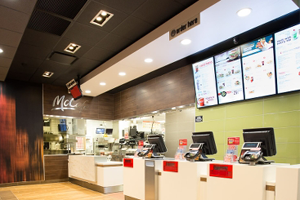
Chicken Big Mac Takes the Lead in Menu Innovation
McDonald's launches a limited-time Chicken Big Mac, signaling a broader pivot to chicken-forward menus amid fierce quick-service competition and a testing ground for future staples.
Apr 25, 2026
McDonald's launches a limited-time Chicken Big Mac, signaling a broader pivot to chicken-forward menus amid fierce quick-service competition and a testing ground for future staples.
Apr 25, 2026
Photo by Ruben Ramirez on Unsplash
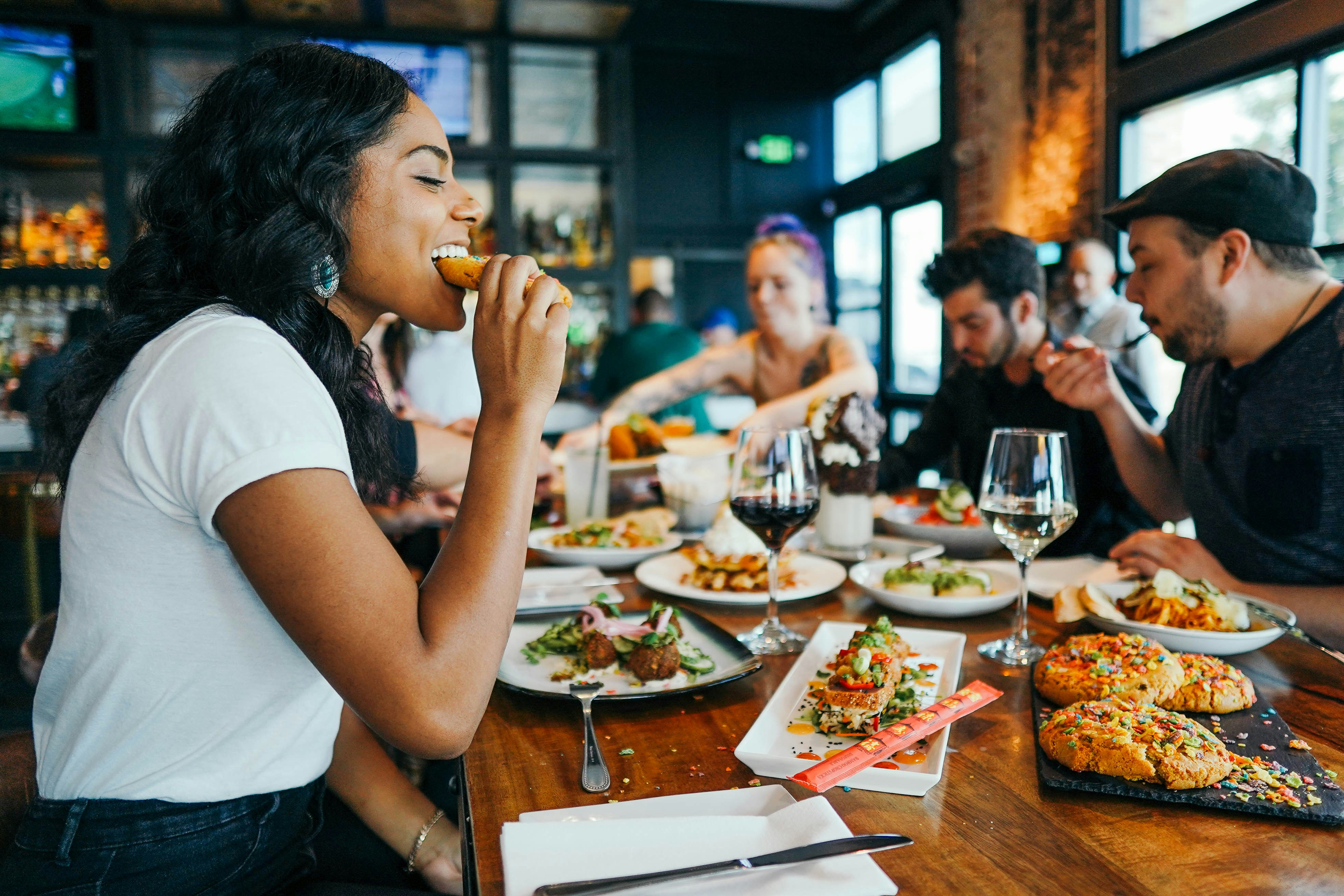
A thoughtful look at how a September 2024 rate cut reshaped borrowing, investor sentiment, and growth plans for dining operators, with a patient, fundamentals-first lens.
Apr 25, 2026
Photo by Alex Haney on Unsplash
Recovery remains uneven as consumer confidence rises amid rising costs, testing profitability across markets.
Apr 25, 2026
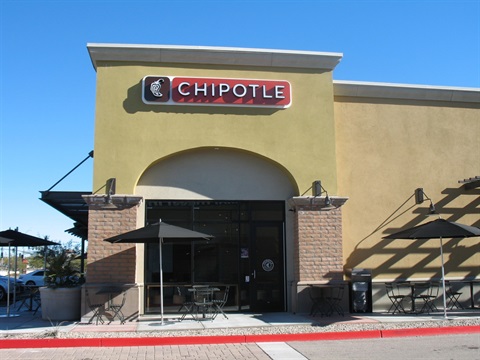
Chipotle leans into burrito-season demand with throughput boosts, Chipotlanes and digital orders to turn seasonal peaks into durable growth.
Apr 25, 2026
Photo by on Unsplash
A warm, expert look at how Big Dave’s Cheesesteaks scales from a Georgia shell station to stadiums and cities across the Southeast.
Apr 25, 2026
Discover the leading reasons restaurants fail and how smarter decisions around menu, culture, marketing, and profitability can reduce risk.
Apr 23, 2026
Smart food business ideas improve profitability by reducing waste, managing labor, controlling rent, and keeping menus simple.
Apr 24, 2026
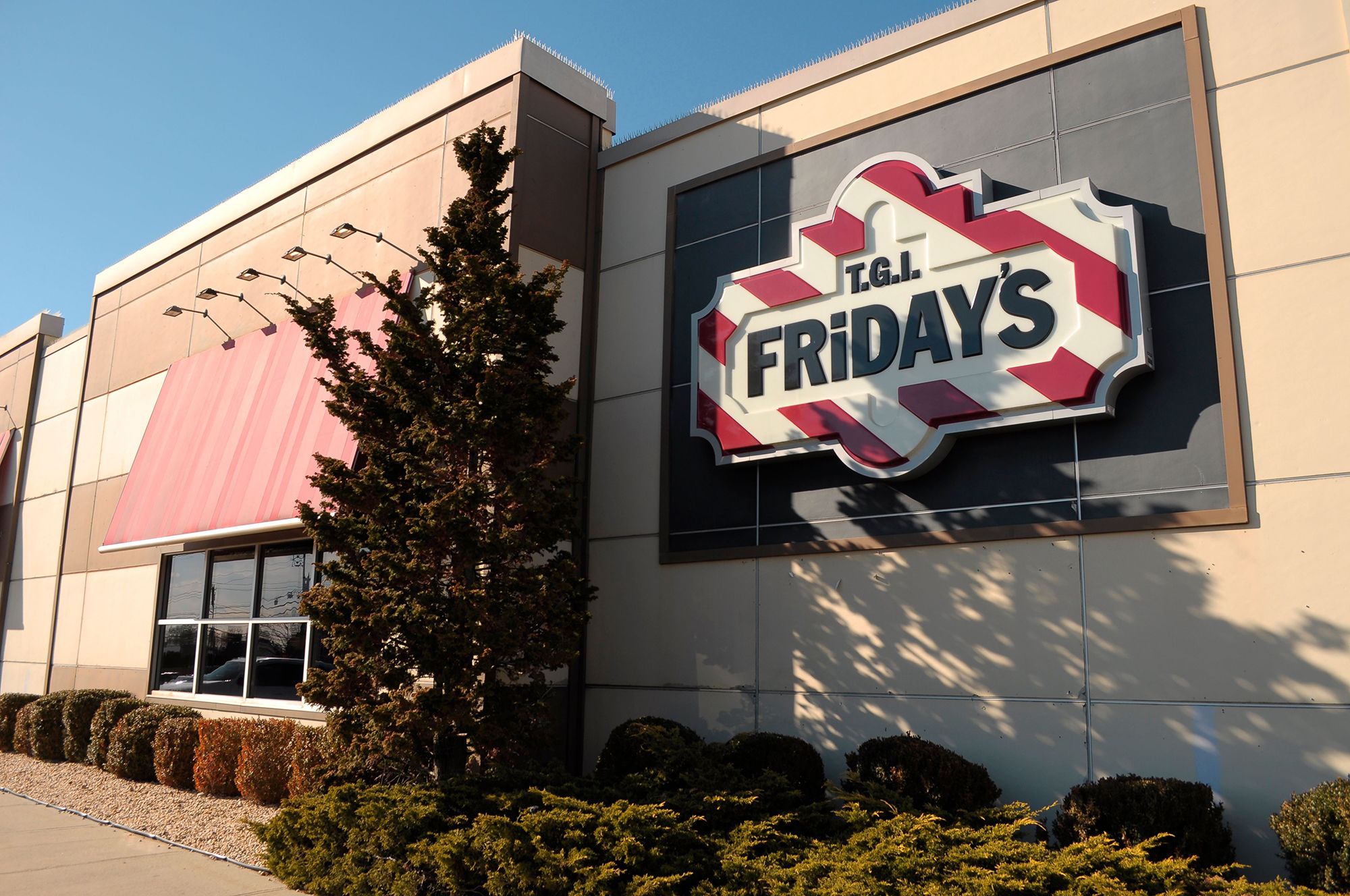
A long-form look at the delay in Hostmore’s plan to acquire TGI Fridays, exploring a shift toward a franchise-heavy, asset-light growth strategy.
Apr 24, 2026
Photo by Lukas Bee. on Unsplash
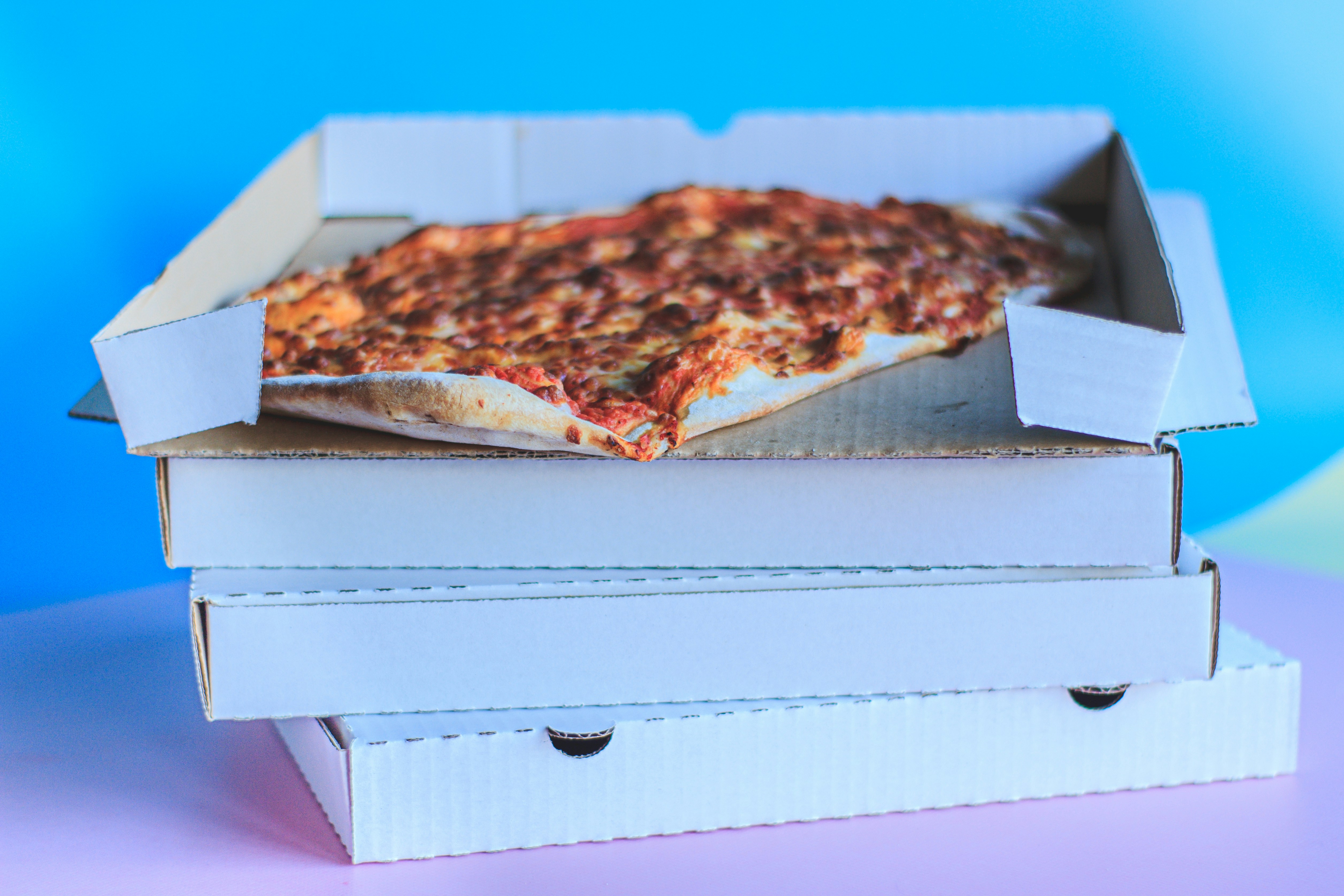
Direct orders tighten control over guest relationships, while loyalty programs shift to experiential growth. A new era for pizza delivery unfolds.
Apr 24, 2026
Photo by Sascha Pfyl on Unsplash
Restaurants must treat parking lots as extensions of guest areas, deploying physical safety measures to curb injuries and reduce liability.
Apr 24, 2026
Learn how the American restaurant industry tackles cyberbullying at the workplace. Explore legal perspectives, effects on employees, and strategies for prevention.
Photo by Patrick Tomasso on Unsplash
In the American restaurant industry, workplace cyberbullying has become a prevalent issue affecting employees. While there are currently no specific laws in the United States that explicitly address workplace bullying, certain legal avenues may still apply to combat such behavior. Federal and state employment laws typically focus on protected characteristics like race, religion, age, or disability concerning workplace conduct. Although employees may not have a direct legal recourse against bullying, laws aimed at ensuring a safe work environment, tort law, or criminal law might offer protection.
Cyberbullying in the restaurant industry goes beyond traditional face-to-face interactions. It encompasses abusive and threatening electronic communications that can significantly impact employee morale and overall workplace performance. The humiliation and distress caused by cyberbullying affect not only the targeted individuals but also the restaurant's culture, employee relationships, and even patron experience. Moreover, the persistent nature of cyberbullying, extending beyond work hours through various digital channels, adds complexity and can lead to underreporting of incidents.
Photo by Patrick Tomasso on Unsplash
The dynamics within restaurant settings, such as kitchen hierarchies, inter-departmental tensions, and high-pressure environments, can contribute to the prevalence of cyberbullying. Close and intensive teamwork, long hours, and demanding customer interactions create an environment where bullying behaviors can thrive. Additionally, the influence of social media amplifies the reach and impact of cyberbullying, necessitating a proactive approach from employers to address and prevent such conduct.
Photo by Patrick Tomasso on Unsplash
To prevent cyberbullying in the restaurant workplace, employers must prioritize creating a safe and inclusive environment for all employees. Adopting an anti-bullying culture through policies, training, and clear communication is essential. Employers should educate their workforce on recognizing and reporting cyberbullying, encourage open dialogue, and establish support mechanisms for affected individuals. By fostering a culture of respect and accountability, restaurants can mitigate the risks associated with workplace bullying.
While specific laws on workplace bullying may be limited, consulting legal experts can help restaurants navigate the complexities of addressing and preventing cyberbullying effectively. Legal counsel can assist in developing robust policies, training programs, and response protocols tailored to combat cyberbullying. By proactively engaging legal support, employers demonstrate their commitment to creating a safe and respectful workplace environment for all employees.