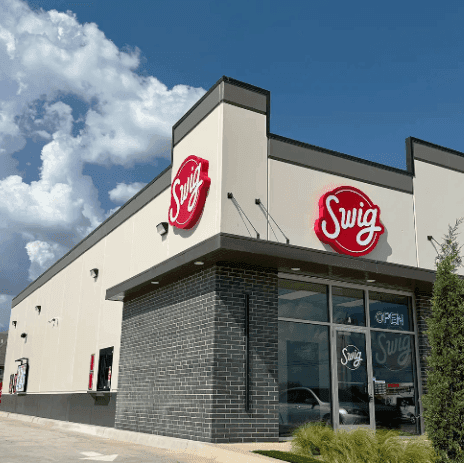
Swig Expands to Denver with 11-Unit Franchise Deal
Swig signs franchise agreement for 11 South Denver locations, marking Colorado entry and validating its national expansion strategy.
Franchising
Sep 8, 2026
Swig signs franchise agreement for 11 South Denver locations, marking Colorado entry and validating its national expansion strategy.
Sep 8, 2026
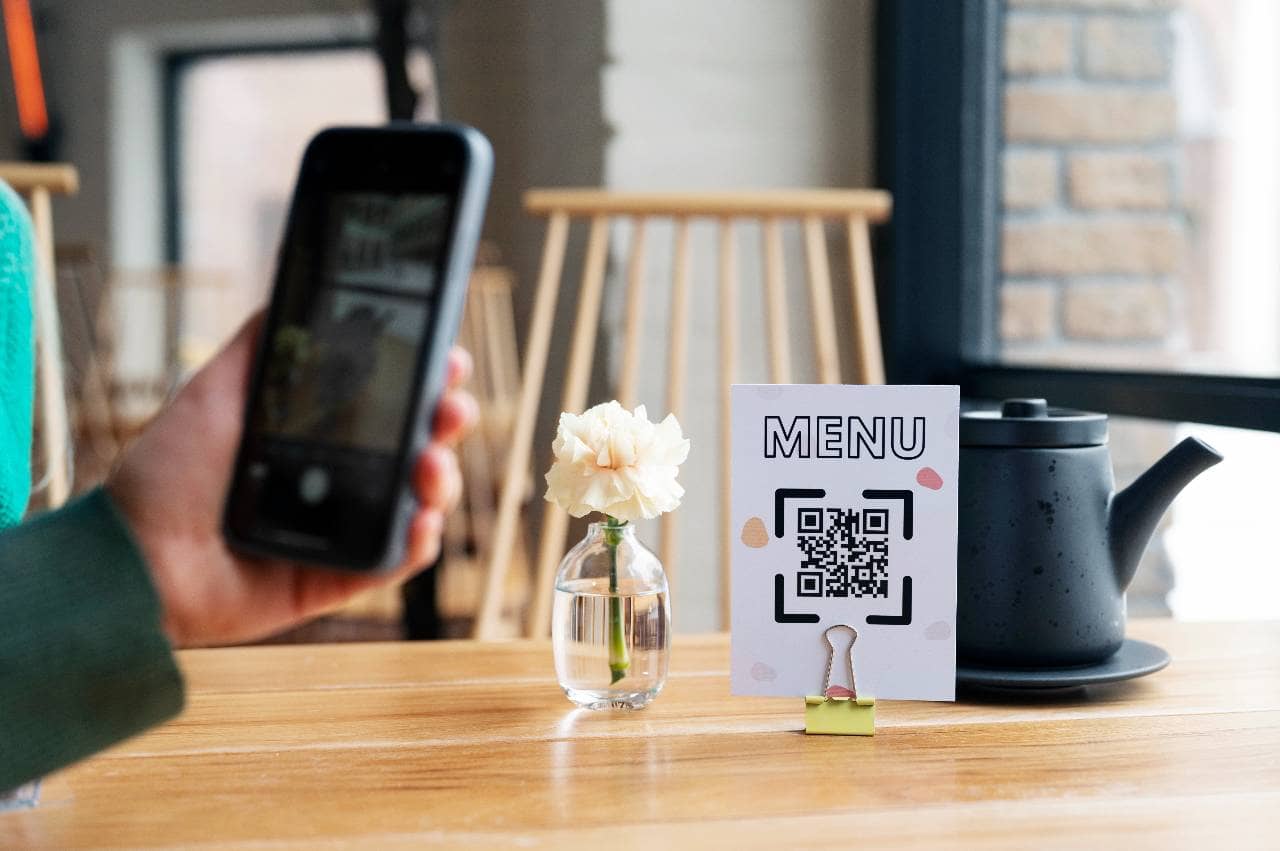
QR code menus let restaurants replace paper menus digitally, enabling instant updates, contactless browsing, ordering, and payment through simple smartphone scanning.
Sep 7, 2026

Complete guide helping restaurant owners choose essential kitchen equipment - covering cooking, refrigeration, prep, sanitation, ventilation, safety, and long-term maintenance planning.
Sep 7, 2026

Avoiding common restaurant payroll mistakes - misclassification, tip credit errors, overtime miscalculations - protects businesses from costly penalties, back pay, and compliance risks.
Sep 4, 2026
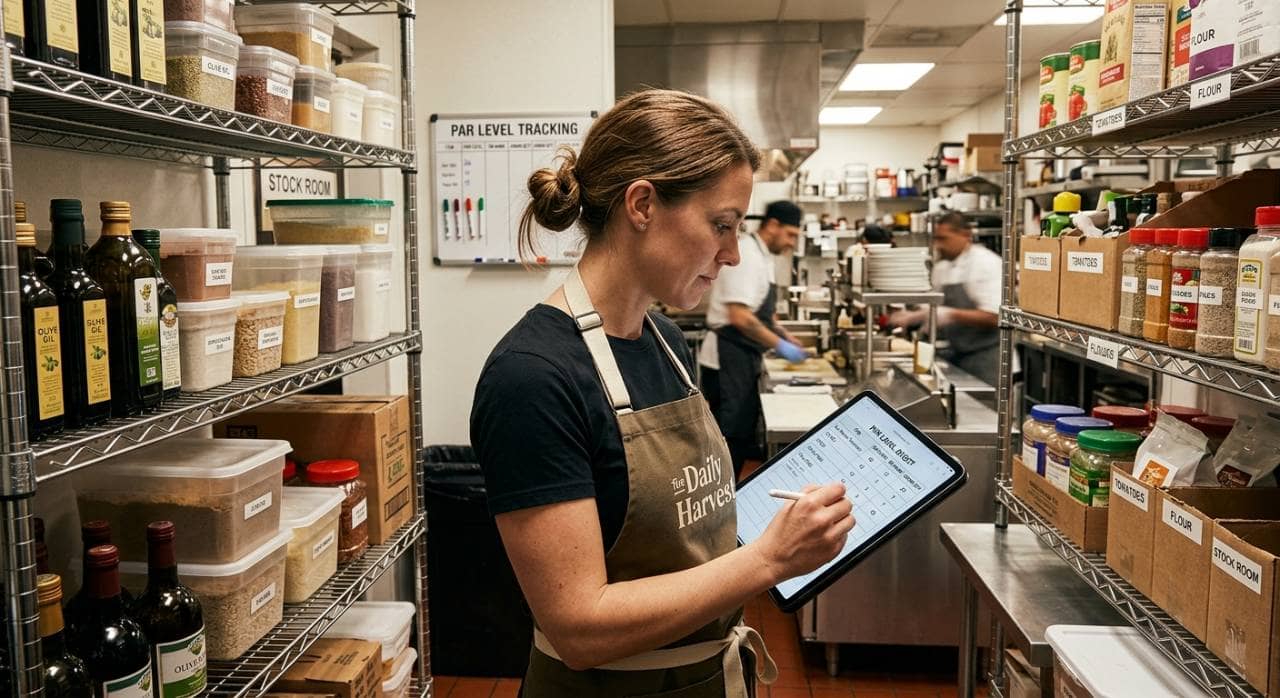
Learn to calculate par levels for restaurant food, beverages, and packaging inventory, preventing stockouts and waste through proper formulas.
Sep 4, 2026
Caribou Coffee appoints Zane Thomas-Rogers as Chief Operations Officer to strengthen execution across its expanding coffeehouse network.
Sep 4, 2026

Compare the top 10 restaurant POS systems in the USA for 2026. Explore features, pricing, pros, cons, and the best POS options for every restaurant type.
Jul 1, 2026

Learn how to handle restaurant payroll yourself, from calculating hours and wages to managing tips, taxes, and final paychecks.
Sep 2, 2026

Restaurant labor management helps owners optimize staffing, control labor costs, improve productivity, monitor overtime, and maintain efficient restaurant operations.
Sep 2, 2026
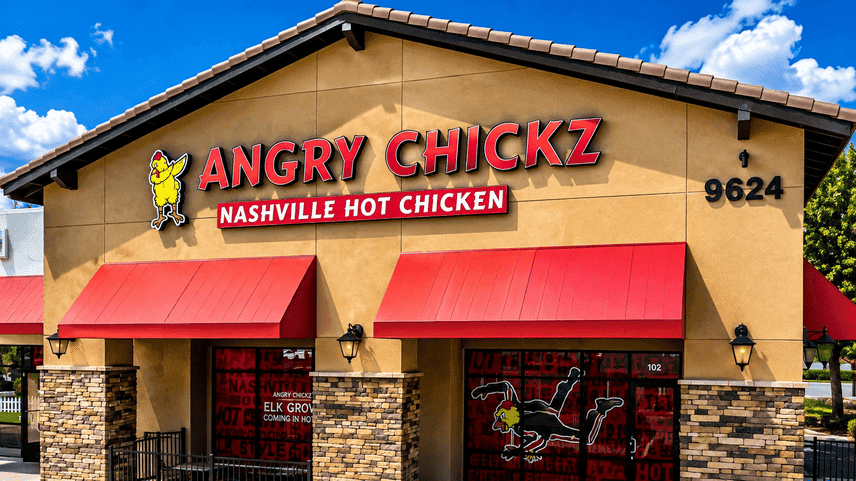
Angry Chickz enters Illinois with its signature hot chicken concept and ambitious plans for Midwest expansion, setting the stage for new franchise opportunities and community engagement.
Sep 2, 2026

Unlock Exclusive Access To Webinars, Events, And The Latest News For Free!
Explore how Potbelly's innovative approach to store design is reshaping franchise operations, boosting efficiency, and driving cost savings.
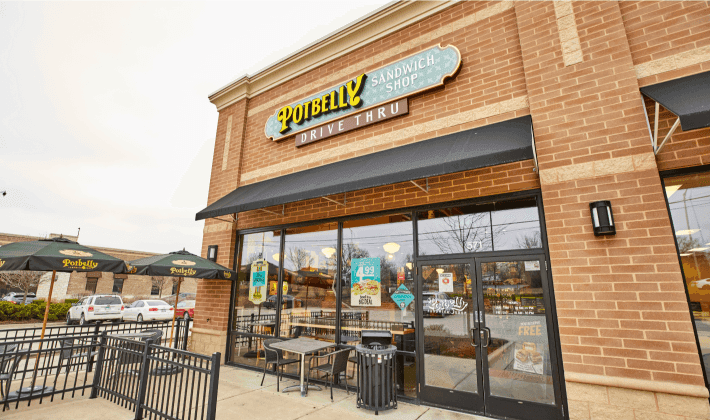
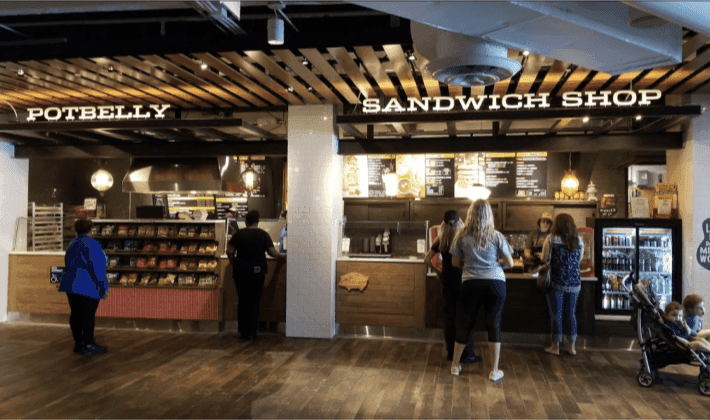
Potbelly's introduction of a smaller store design represents a significant shift in the franchise industry, aiming to combat inflation and enhance operational efficiency. With a reduced footprint of 1,800 square feet, this new prototype integrates cutting-edge features like a customized-drink station and strategically positioned pickup shelves. By streamlining the layout and optimizing space utilization, Potbelly is setting a new standard for operational effectiveness within its franchise network.
CEO Bob Wright's emphasis on cost-effective solutions underscores the importance of the new store design in mitigating inflationary pressures. The smaller footprint not only leads to lower construction expenses but also facilitates quicker build times, offering a competitive edge in a challenging market environment. With over 200 future shops projected to adopt this design, Potbelly is poised to achieve its ambitious goal of 2,000 units in the U.S., signaling accelerated growth and enhanced franchisee satisfaction.
The 'kit of parts' approach to the new prototype allows franchisees to adapt the design to various real estate settings, increasing flexibility and expanding market opportunities. By optimizing the layout and construction process, Potbelly is not only reducing occupancy costs but also empowering franchisees to make efficient and informed real estate decisions. This adaptability opens doors to new locations and market segments previously inaccessible to larger-format stores.
The incorporation of Potbelly Digital Kitchens and streamlined pickup processes in the new design underscores the company's commitment to enhancing customer experience. By centralizing digital order fulfillment and optimizing service flow, Potbelly is meeting the evolving needs of a tech-savvy consumer base. The consistent digital signage and ergonomic layout not only improve operational efficiency but also create a more seamless and personalized experience for patrons.
Potbelly's focus on sustainability, evidenced by in-house manufacturing and recycling initiatives, aligns with modern consumer preferences for eco-conscious brands. By prioritizing locally sourced materials and custom artwork, Potbelly maintains a unique brand identity while reducing environmental impact. The combination of handmade elements and neighborhood-specific artwork cultivates a sense of community and authenticity, setting Potbelly apart in a competitive market landscape.