
How to Build Your Restaurant Back Office Software Stack
Learn how to build a restaurant back office software stack that improves efficiency, integrations, reporting, cost control, and scalability overall.
Back Office
Aug 21, 2026
Learn how to build a restaurant back office software stack that improves efficiency, integrations, reporting, cost control, and scalability overall.
Aug 21, 2026

Clear operating procedures help restaurants manage opening, closing, food preparation, sanitation, guest service, inventory, staffing, and routine operational reviews effectively.
Aug 21, 2026
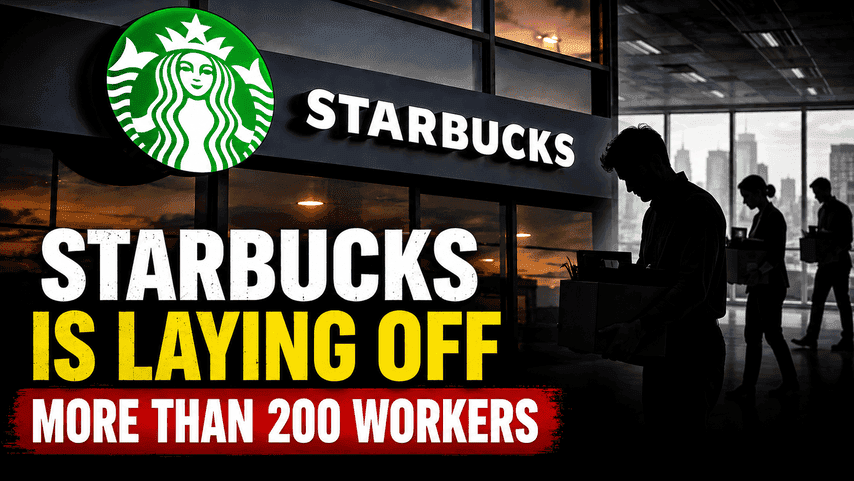
Starbucks is making strategic staffing changes, laying off 200+ workers as it restructures operations and prepares for future growth in southern and eastern regions.
Aug 21, 2026
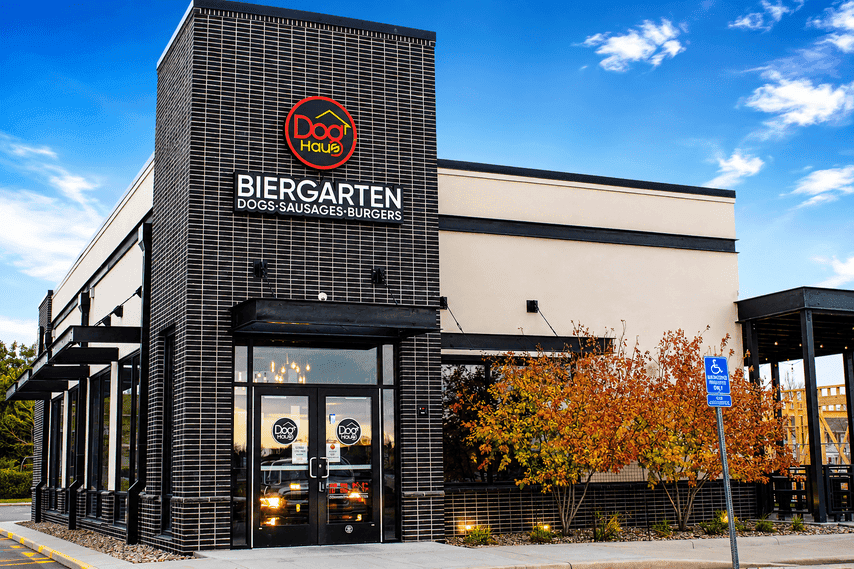
Dog Haus appoints James Field as chief marketing officer and promotes CJ Ramirez to chief experience officer, setting the stage for innovative brand growth and franchisee success in the national restaurant scene.
Aug 21, 2026

Learn how to open a restaurant with no experience by planning your concept, budget, location, team, operations, and successful launch.
Aug 19, 2026
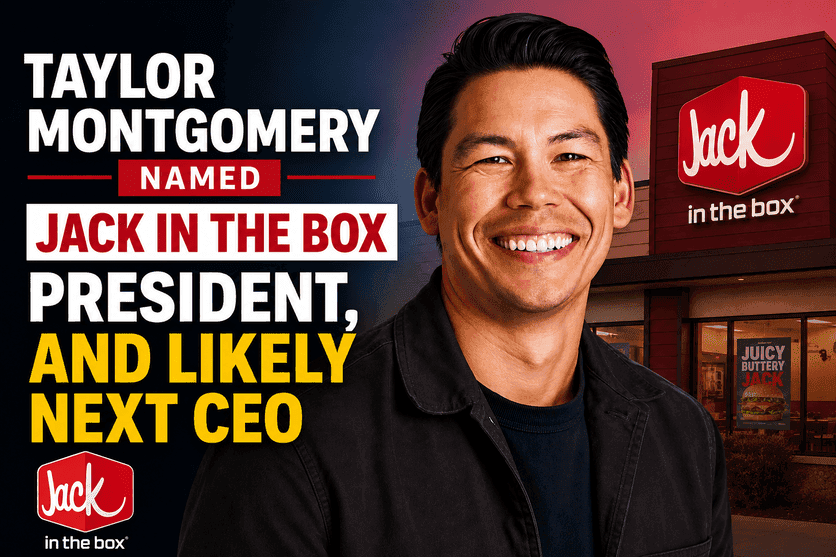
Taco Bell’s Taylor Montgomery has been appointed as President of Jack in the Box, positioning him to take over as CEO within a year - signaling major shifts for the QSR brand's future.
Aug 20, 2026
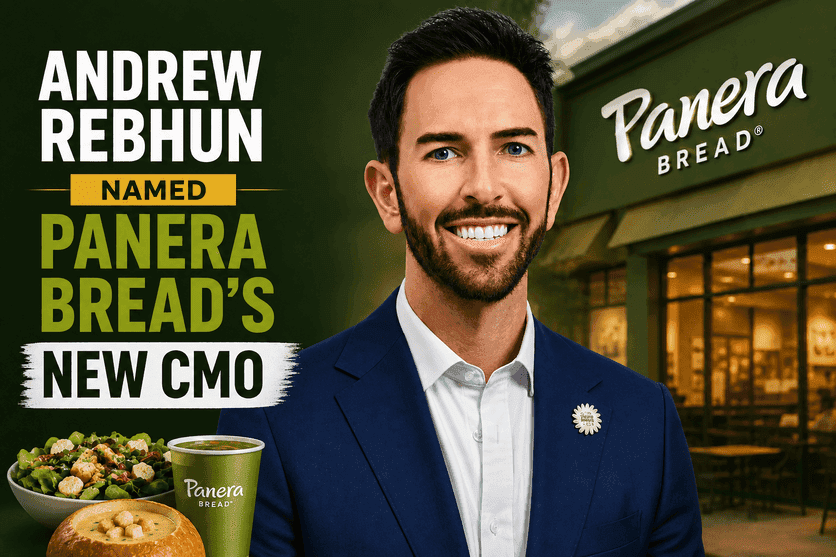
Panera Bread welcomes Andrew Rebhun as Chief Marketing Officer, succeeding Mark Shambura. Learn about his background at CAVA, El Pollo Loco, and McDonald's.
Aug 20, 2026

Payroll advances help restaurant owners give hourly employees earlier access to earned wages while maintaining accurate records, policies, and compliance.
Aug 19, 2026

Explore the main types of ordering technology restaurants use to improve accuracy, speed, payments, customer convenience, and operational efficiency daily.
Aug 17, 2026

Learn the eight essential steps of the restaurant payroll process, from tracking hours and calculating wages to payments and recordkeeping.
Aug 17, 2026

Unlock Exclusive Access To Webinars, Events, And The Latest News For Free!
Qdoba is accelerating its presence in the Western and Southern US with bold new franchise agreements set to add over 110 restaurants. See what this growth means for restaurant operators.
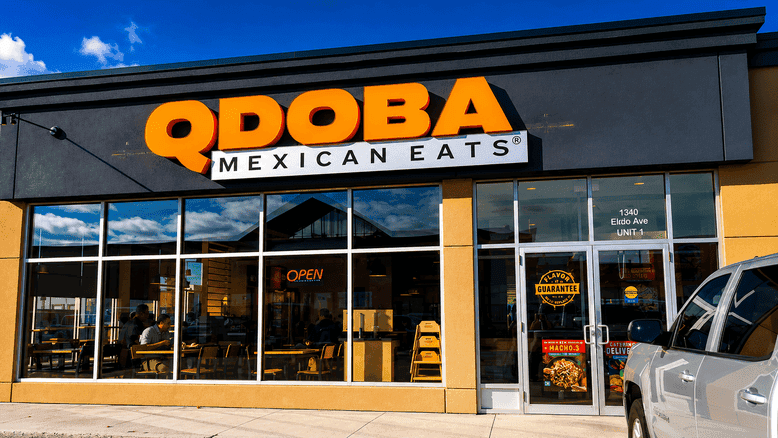
Qdoba Mexican Eats is making waves in the franchise world with a bold move set to reshape the fast-casual segment. The brand has just inked franchise development agreements that promise over 110 new locations across seven states, targeting rapid development in both the West and South. These deals will propel Qdoba’s total unit count close to the 1,000-store milestone, marking a pivotal moment as the brand aims for even more aggressive expansion in the coming years. For restaurant owners and multi-unit operators watching the competitive landscape, this signals an urgent need to keep pace with fast-moving chains that are investing heavily in regional dominance. Qdoba’s expansion isn’t just about numbers it’s about seizing market share and building a presence in both traditional and non-traditional venues such as airports, universities, and military bases.
What’s fueling this ambitious growth? Qdoba’s expansion is being driven by experienced multi-unit franchise operators - many coming from brands like McDonald’s and Zaxby’s - who are leveraging their background in operational excellence and investment capacity. The chain’s recent Atlanta deal brings a 30-store commitment from a former McDonald’s operator, while the Nashville market will see 20 new restaurants via an established Zaxby’s franchisee. The crown jewel, however, is Qdoba’s expanded partnership with 7 Star Eats, which now plans to open 63 new units across Colorado, Utah, Washington, Nevada, and New Mexico and has already acquired a base of 42 stores in the Pacific Northwest and Mountain West. For industry professionals, this intensification signals that national success will increasingly depend on recruiting seasoned operators who understand the nuances of scaling in both core and emerging markets.
Franchising remains at the core of Qdoba’s vision for the future. The company aims to shift its system composition to 85% franchised locations, all part of a trajectory that would see 100 new restaurants opening yearly. Though still trailing company-operated powerhouse Chipotle in annual net units, Qdoba’s growth rate is doubling, and its franchise-first strategy could offer a more agile route to market capture. For restaurant managers, the implications are clear. Franchise-focused models can accelerate development, reduce capital exposure, and quickly respond to changing consumer needs - especially when underpinned by aggressive marketing and recent financing boosts like Qdoba’s $435 million refinancing that enhanced liquidity and set the stage for accelerated development.
Qdoba’s appetite isn’t just limited to more stores, but to smarter positioning as well. With new growth still focused on California, Texas, Florida, and Georgia - and ongoing pursuit of select East Coast cities - Qdoba’s leadership is clearly eyeing a future as a truly national challenger. Even more telling is the drive toward non-traditional spaces and high-traffic venues, a move that aligns with a shift in how Americans consume fast-casual food and reveals a focus on durable revenue streams beyond main street storefronts. For operators and managers watching long-term trends, Qdoba’s playbook is a timely reminder to diversify development strategies and embrace the flexibility offered by nonconventional footprints, whether in airports or on university campuses.
What can you learn from Qdoba’s nationwide surge? For restaurant leaders, two priorities emerge seize the benefits of scalable franchising and diversify into new development formats. Qdoba’s willingness to invest in incentives for unit openings, recruit top-tier multi-unit operators, and double down on markets ripe for casual Mexican fare shows what’s possible with a franchise-forward mindset and robust investment in infrastructure. To compete in today’s market, restaurant operators of all sizes may need to take a page from Qdoba - prioritizing operational rigor and market savvy to keep pace with evolving guest expectations and ever-changing market dynamics.
As the restaurant landscape rapidly evolves, now is the perfect time for owners and managers to reflect on how national brands are growing and what strategies can strengthen your own competitive edge. Leveraging franchise partnerships, investment in team training, and innovative site selection can help every brand - from regionals to nationwide names - grow sustainably and meet changing consumer demands. Are you prepared for the growth surge?