
Social Media Marketing for Restaurants
Learn how social media marketing helps restaurants share food, promote offers, build engagement, measure performance, and turn followers into customers.
operations
Jul 8, 2026
Learn how social media marketing helps restaurants share food, promote offers, build engagement, measure performance, and turn followers into customers.
Jul 8, 2026
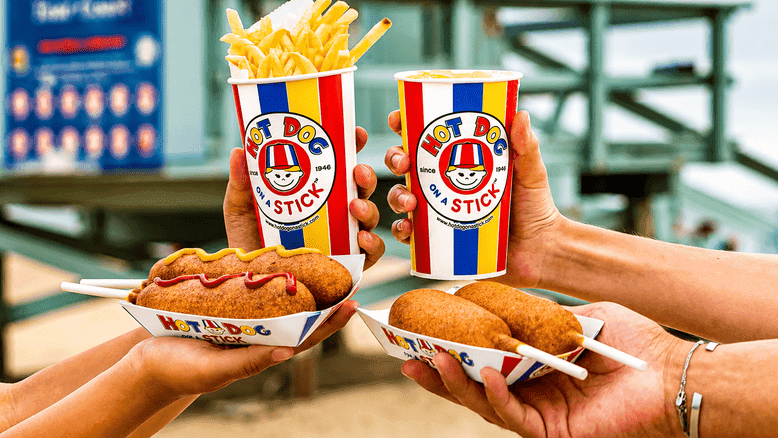
Hot Dog on a Stick, under new ownership by Amazing Brands, targets expansion and modernization after bankruptcy. Find out what this means for restaurant owners and how the iconic brand is reinventing itself.
Jul 9, 2026
Qdoba is accelerating its presence in the Western and Southern US with bold new franchise agreements set to add over 110 restaurants. See what this growth means for restaurant operators.
Jul 9, 2026
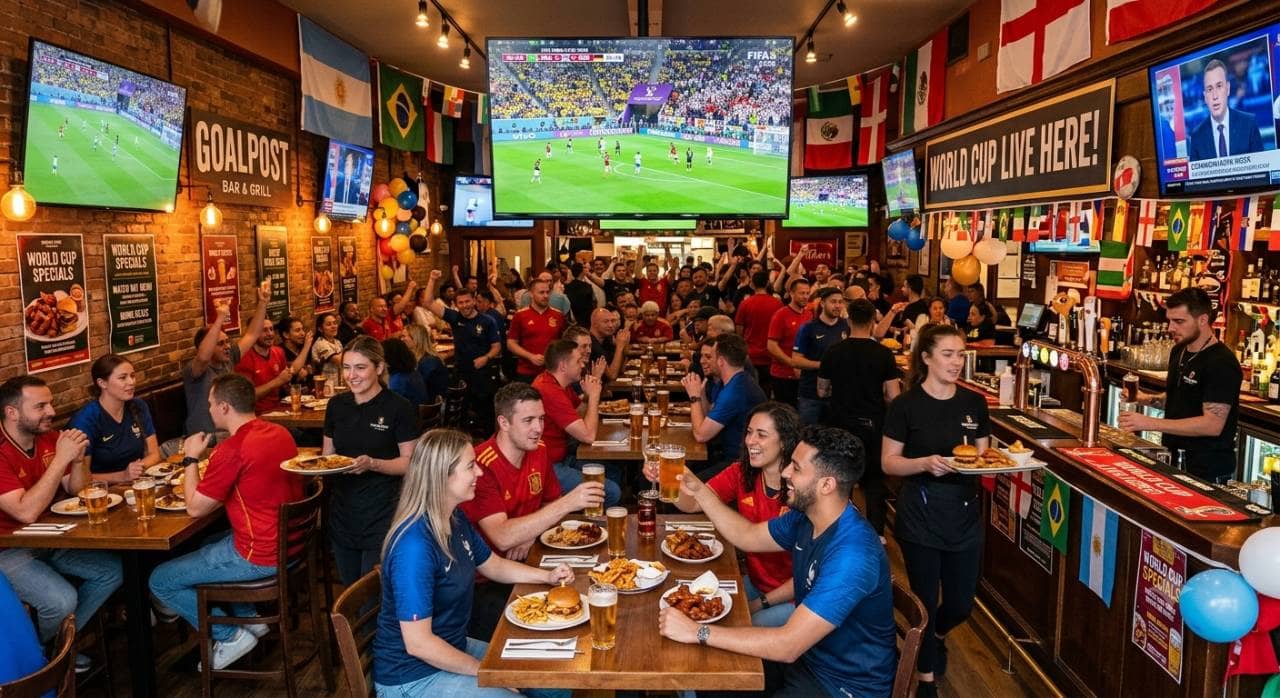
This guide helps prepare your restaurant for match-day crowds with profitable menus, smart scheduling, strong promotions, seating, and follow-up plans.
Jul 8, 2026
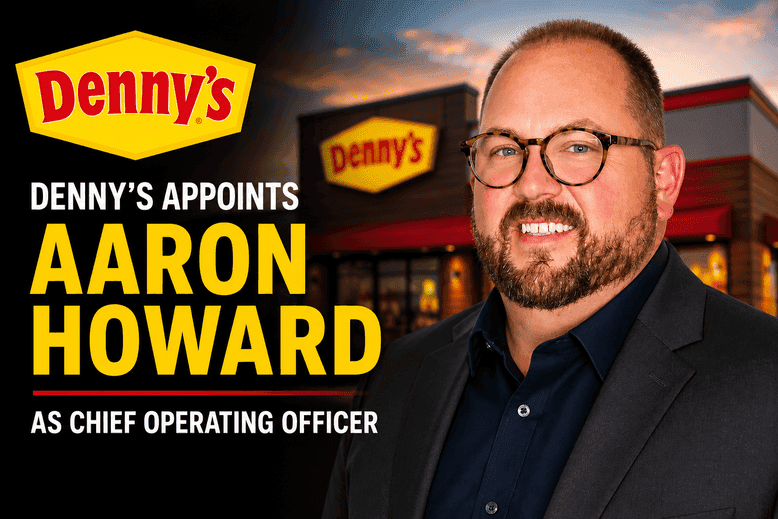
Denny’s brings on restaurant industry veteran Aaron Howard as COO to spearhead turnaround strategy Project Grand Slam and revitalize operations and franchise profitability.
Jul 8, 2026
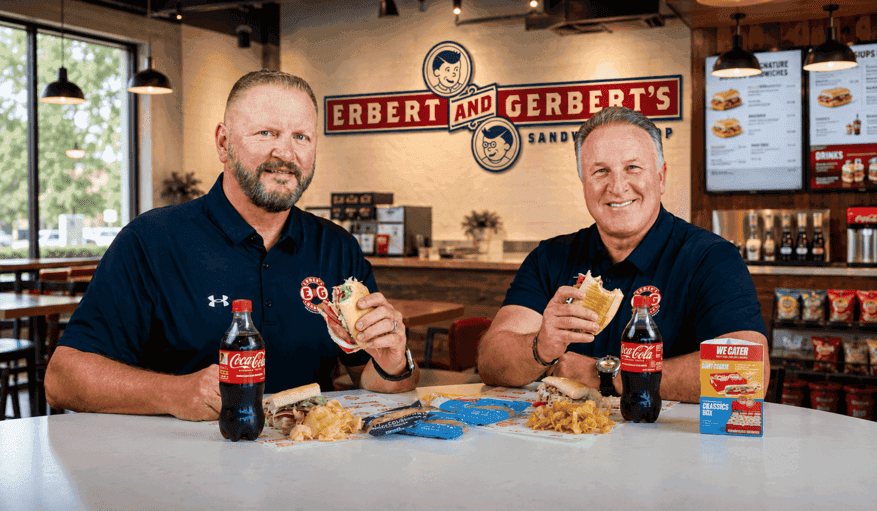
Erbert & Gerbert’s welcomes a new CEO to guide strategic operations while doubling down on brand expansion and franchise support - here’s what restaurant leaders can learn.
Jul 8, 2026
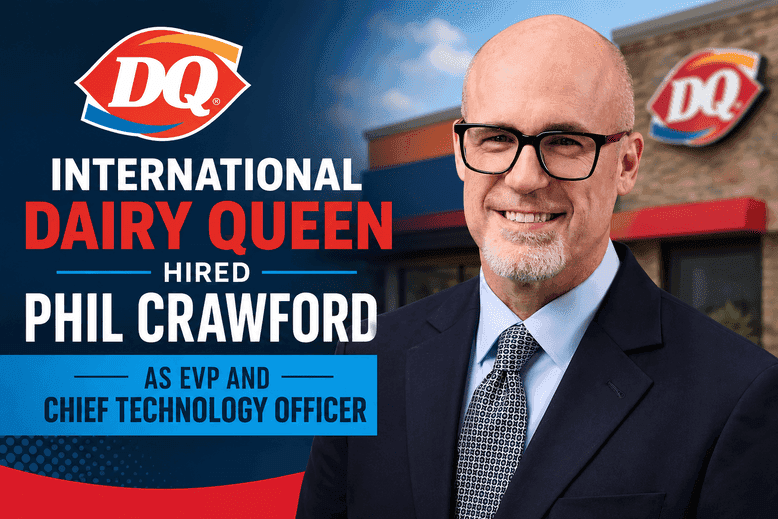
Dairy Queen bets on industry veteran Phil Crawford to accelerate digital transformation and engage new franchisees with advanced restaurant technology. Learn what his leadership means for the future of quick-service success.
Jul 8, 2026
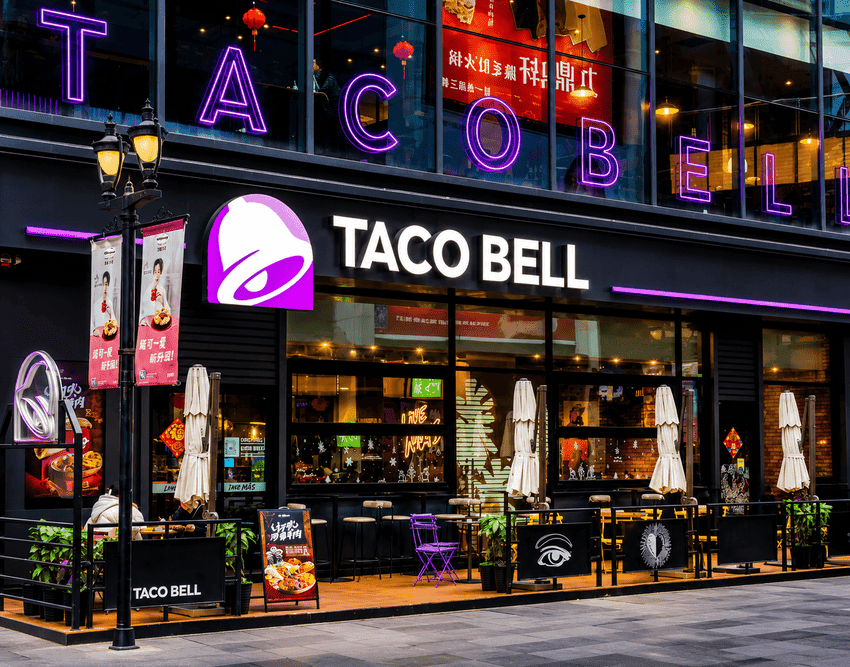
Taco Bell expands voice AI ordering to nearly 900 locations, boasting streamlined operations and higher employee retention; learn how automation can impact your restaurant’s efficiency and staff satisfaction.
Jul 8, 2026
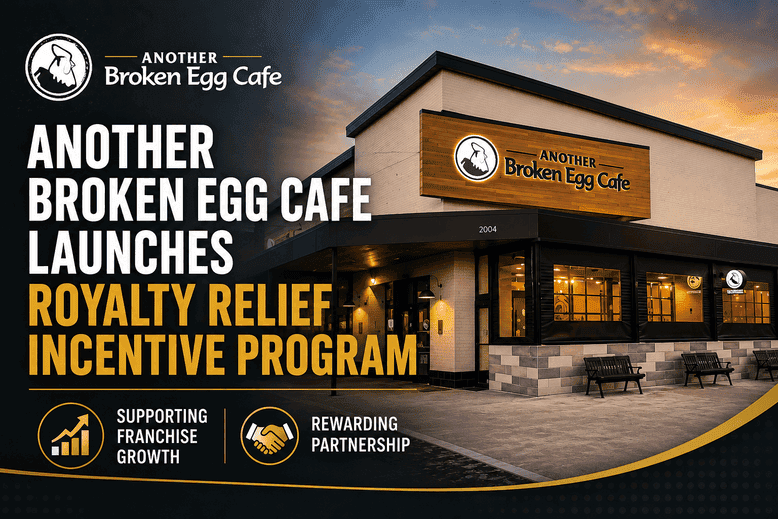
Another Broken Egg Cafe introduces a limited-time royalty relief program, offering franchisees up to 8 months of no royalty fees and fueling nationwide expansion opportunities for both newcomers and existing owners.
Jul 7, 2026
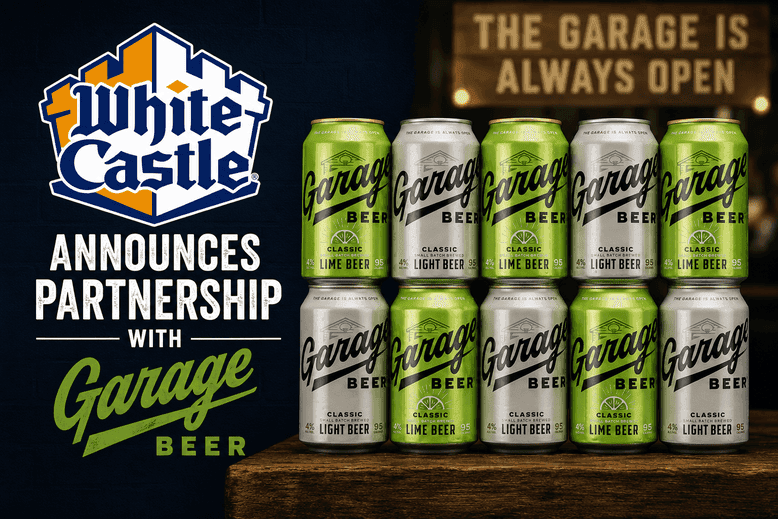
White Castle and Garage Beer, two Ohio-based favorites, announce a summer collaboration with new promotions and products. Learn how restaurant owners can ride the LTO wave.
Jul 2, 2026
This guide helps prepare your restaurant for match-day crowds with profitable menus, smart scheduling, strong promotions, seating, and follow-up plans.
The World Cup Semi Finals give restaurant owners a strong chance to bring in more customers because the matches feel important, emotional, and time-sensitive. With only four teams left, fans are more likely to watch live, invite friends, and choose a place that offers a better atmosphere than home. For restaurants, these matches should be planned as event days, not regular sports broadcasts. Semi finals can increase dine-in traffic, group bookings, bar sales, takeout orders, and customer engagement. Fans want more than food. They want clear screens, strong sound, quick service, team energy, and a crowd that makes the match feel exciting. Group spending is one of the biggest opportunities. Friends, families, coworkers, and fan groups often order shareable appetizers, drinks, meals, and desserts while staying for the full match. This gives restaurants more chances to raise average check size. The semi finals also create reservation urgency. Limited seating, good screen views, and special offers can encourage customers to book early instead of walking in last minute. The opportunity also reaches takeout and delivery customers. Party platters, family meals, and game-day bundles can serve fans watching at home while increasing total sales.
Restaurant owners should start World Cup Semi Finals planning with one simple question - when will demand hit the restaurant hardest? Match time affects staffing, prep, reservations, kitchen flow, bar service, and customer arrival patterns. A semi final that starts during lunch, happy hour, or dinner can change the entire rhythm of the day. The first metric to review is expected covers by hour. Owners should estimate how many guests may arrive before kickoff, during the match, at halftime, and after the final whistle. Many customers will not arrive exactly when the game starts. Some may come 60 to 90 minutes early to secure a table, order food, and settle in before kickoff. This means the rush may begin well before the match. The second metric is reservation capacity. If the restaurant has 80 seats, owners should decide how many seats will be held for reservations, walk-ins, bar guests, and large groups. For example, reserving every table may create control, but it may also limit flexibility. Keeping some space open for walk-ins can help capture last-minute traffic. The third metric is average table time. During a normal meal period, a table may turn faster. During a World Cup Semi Final, guests may stay for the full match and possibly longer. Owners should plan for fewer table turns but higher check sizes. This makes it important to offer shareable items, drink refills, and add-ons that increase sales while guests remain seated. The fourth metric is order volume by period. Kitchens and bars should expect spikes before kickoff and during halftime. Food prep should focus on items that can be made quickly, served in batches, and delivered without slowing down the line. Drinks, appetizers, wings, fries, sliders, nachos, and platters may move faster than full entrees during game pressure. The fifth metric is sales forecast by channel. Dine-in may increase, but takeout and delivery can also rise as customers host watch parties at home. Restaurants should forecast both in-house and off-premise demand so packaging, drivers, online ordering, and kitchen stations are ready. Planning around match times helps owners avoid being surprised by traffic. When demand is forecasted before game day, the restaurant can schedule smarter, prep better, serve faster, and turn the World Cup Semi Finals into a more profitable event.
For the World Cup Semi Finals, the menu should help the restaurant handle more orders in less time. Customers will be focused on the match, servers will be moving between busy tables, and the kitchen may receive large orders in short bursts. A simplified game-day menu can reduce delays, improve order accuracy, and help protect profit margins. Start by reviewing service speed. Items that require long cook times, complicated plating, or several custom steps can slow down the entire kitchen. For semi finals service, owners should feature foods that are easy to prepare, easy to carry, and easy for groups to share. Strong options may include wings, loaded fries, sliders, tacos, flatbreads, sandwiches, nachos, and appetizer platters. Next, look at menu profitability. A special offer should not only drive traffic; it should also leave enough room for profit after ingredient costs. Owners should calculate the cost of each featured item before pricing it. A discount that fills the dining room but produces weak margins can create more pressure than value. Restaurant owners should also measure sales potential per table. Since many guests may stay for the full match, the goal is to increase spending while they remain seated. Combo meals, shareable starters, drink pairings, dessert add-ons, and larger group portions can help raise the average check without requiring faster table turnover. Another key factor is kitchen balance. If most specials rely on the same fryer, oven, or prep station, bottlenecks can happen quickly. A better menu spreads work across different stations so cooks can keep orders moving during pre-game, halftime, and post-match rushes. Takeout should be part of the plan as well. Some fans will host watch parties at home, so restaurants can offer family meals, party trays, wing bundles, sandwich boxes, and group platters. These options can increase sales beyond the dining room. A strong semi finals menu should be short, clear, fast, and profitable. When every item is chosen with speed, cost, and demand in mind, the restaurant can serve more customers without overwhelming the team.
Staffing for the World Cup Semi Finals should be planned around demand surges, not regular shift patterns. A normal Tuesday or Wednesday schedule may not be enough if customers arrive early, stay longer, order more often, and create sudden spikes before kickoff and during halftime. Restaurant owners need to match labor coverage to the actual flow of the event. A good starting point is sales per labor hour. This metric helps owners understand whether the restaurant has enough staff to support expected sales without overstaffing. If projected sales are higher than a normal shift, labor hours should increase in the areas that feel the most pressure, such as the kitchen, bar, host stand, and floor service. The next number to review is covers per server. During a semi final, one server may handle fewer table turns but more active service. Guests may order several rounds of drinks, appetizers, and add-ons throughout the match. If each server is assigned too many tables, service can slow down and check sizes may suffer. Owners should also plan around order spikes by time period. The kitchen may receive a heavy wave of orders 60 minutes before kickoff, another wave close to halftime, and a final wave after the match. Scheduling extra cooks, runners, expos, or barbacks during these windows can reduce delays and keep service moving. Another important metric is bar orders per bartender. If the restaurant expects higher drink sales, bartenders may need support before and during the match. A barback can restock glasses, ice, garnishes, and bottled drinks so bartenders can focus on making and serving orders faster. Managers should also track labor cost percentage. Adding staff can protect service quality, but every extra labor hour should have a purpose. Backup coverage matters too. Semi final days leave little room for call-outs, late arrivals, or unclear roles. Owners should confirm schedules early, assign specific stations, and have at least one flexible employee who can move between hosting, running food, bussing tables, or helping takeout. A strong staffing plan helps the restaurant protect both sales and guest experience. When employees know where they need to be, when demand will peak, and what role they are responsible for, the team can handle the World Cup Semi Finals with less stress and better results.
For the World Cup Semi Finals, the viewing experience can be just as important as the food. Customers choose a restaurant because they want more than a screen. They want good visibility, strong sound, comfortable seating, fast service, and the feeling of watching the match with a crowd. If the setup is poor, even a busy restaurant can lose sales opportunities. Start with screen visibility. Restaurant owners should walk through the dining room, bar, patio, and waiting area to see how many seats have a clear view of the match. Tables with blocked views may be harder to sell for game-day reservations. A useful goal is to identify the best viewing zones and assign those seats to guests who reserve early or book larger groups. Next, review audio coverage. During a semi final, customers want to hear the commentary, crowd noise, and key match moments. If the sound is too low, uneven, or only available in one area, the atmosphere can feel flat. Owners should test speakers before match day and make sure the audio is clear without making conversation impossible. Another number to consider is seating capacity by viewing area. Instead of only counting total seats, owners should count how many seats are actually good for watching the match. A restaurant may have 100 seats, but if only 60 have strong screen visibility, the reservation plan should be built around those 60 high-value seats. Restaurants should also measure order access points. If every customer must wait for a server, service may slow during halftime or key match moments. QR ordering, bar ordering, preset menus, mobile ordering, or dedicated runners can help reduce pressure on the floor team. The next area is table layout efficiency. Large groups may need joined tables, standing areas, or reserved sections. Owners should remove unnecessary obstacles, create clear walking paths, and make sure servers can reach every table without disrupting guests watching the match. Finally, test technical reliability. TVs, projectors, streaming devices, cable connections, Wi-Fi, remotes, backup channels, and power sources should be checked before customers arrive. A technical issue during kickoff can damage the guest experience and reduce trust. A strong viewing setup turns the restaurant into a true match-day destination. When customers can see clearly, hear the action, order easily, and enjoy the atmosphere, they are more likely to stay longer, spend more, and return for the final.
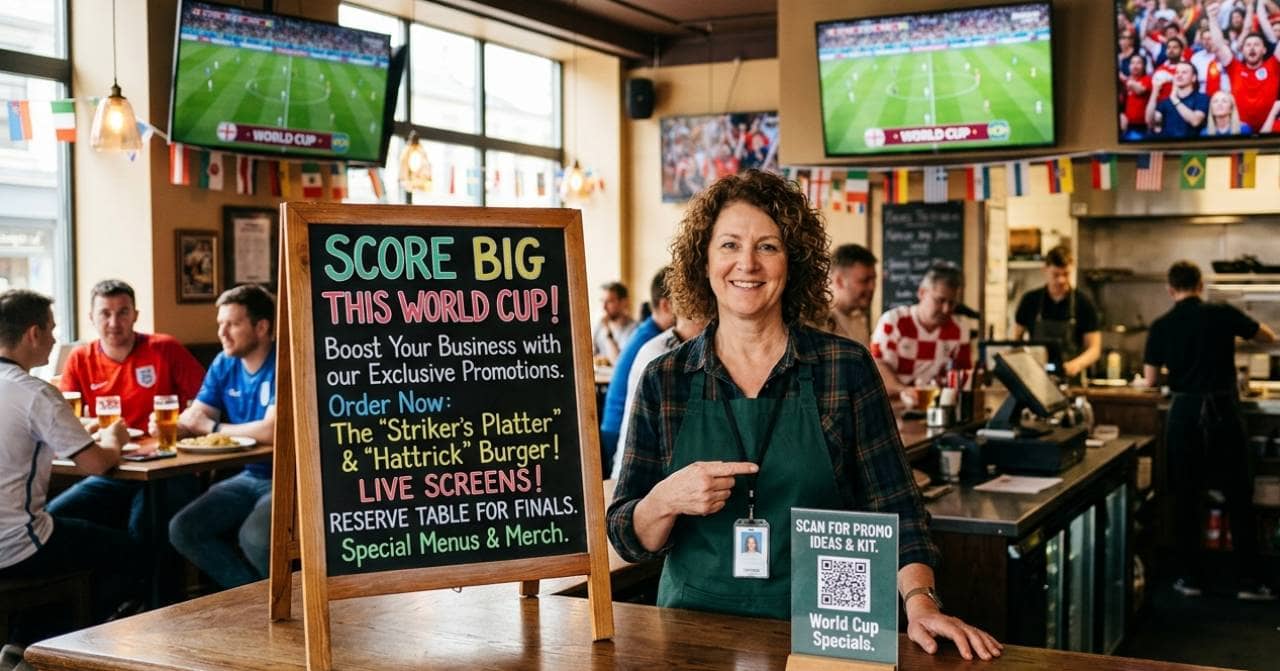
World Cup Semi Finals promotions should begin before customers decide where they are watching the match. Many fans make plans in advance, especially if they want a good seat, a large table, or a restaurant with strong screen visibility. If a restaurant waits until match day to promote its specials, it may miss customers who already made plans elsewhere. The first number to track is reservation pace. Restaurant owners should monitor how many tables are booked each day leading up to the semi finals. If reservations are low three to five days before the match, the restaurant may need stronger promotion through social media, email, SMS, and local ads. If reservations are filling quickly, the message can shift toward limited seating and early booking. The second metric is promotion reach. Owners should review how many people are seeing game-day posts, emails, and text campaigns. A World Cup promotion should clearly show the match date, kickoff time, food specials, drink offers, seating options, and how to reserve. The easier the message is to understand, the faster customers can take action. Another key metric is click-to-reservation rate. If many people view the promotion but few book a table, the offer may not be clear enough. Restaurants should use direct calls to action such as "Reserve your table," "Book a group table," or "Order a watch party bundle." Every post, email, and website banner should guide customers to the next step. Owners should also measure offer performance. Not every promotion will drive the same result. A wing bundle may perform better for takeout, while a reserved table package may work better for dine-in groups. Tracking which offers generate bookings, online orders, or phone calls helps owners focus on the strongest promotions before the final. The fifth metric is channel performance. Social media can create awareness, email can reach past customers, SMS can drive urgency, and Google Business Profile can capture local search traffic. Restaurants should update hours, event details, photos, menu specials, and reservation links across every channel customers may check. Promotion should also include local community reach. Soccer clubs, fan groups, offices, apartment communities, gyms, and nearby businesses may help bring larger groups. A simple group package or private viewing offer can turn one booking into a higher-value table. A strong promotion plan builds demand before the first whistle. When restaurant owners track reservations, reach, clicks, offers, and channel performance, they can fill more seats, sell more specials, and create stronger momentum for the World Cup Semi Finals.
World Cup Semi Finals service can look very different from a normal restaurant shift. Guests may arrive well before kickoff, stay for the full match, and continue ordering after the game ends. This means owners need a clear system for reservations, walk-ins, group seating, and table usage. 1. Reserved Seating Percentage - Restaurant owners should decide how many seats will be reserved before match day. Reserving too many tables can reduce flexibility for walk-ins, while reserving too few can leave revenue uncertain. A balanced plan may include reserved tables, bar seating, walk-in space, and group areas. 2. Group Size Mix - Semi finals often bring larger parties because fans want to watch with friends, families, coworkers, or local fan groups. Owners should review how many tables can support groups of four, six, eight, or more without blocking aisles, screens, or service paths. 3. Minimum Spend per Premium Area - High-demand areas such as patios, private rooms, bar sections, or tables with the best screen views may need a minimum food and beverage spend. This helps protect sales when guests stay longer and table turnover slows down. 4. Waitlist Conversion Rate - Walk-ins can still be valuable if they are managed well. Owners should track how many waitlisted guests actually stay and get seated. Clear wait times, text updates, bar access, and standing-room options can reduce lost traffic. 5. Table Occupancy Time - During the semi finals, tables may be occupied for two hours or more. Since turnover may be lower, owners should focus on increasing spend per table through appetizers, drink refills, dessert offers, and post-match specials. 6. Seating Zone Performance - Not every seat has the same value on match day. Tables with better screen visibility, faster service access, or stronger atmosphere may generate more orders. Owners should assign staff carefully across viewing zones to keep service consistent. Managing table flow helps restaurants stay organized during high-demand match days. When reservations, walk-ins, group seating, waitlists, and occupancy time are planned in advance, owners can reduce confusion, serve more guests, and increase revenue during the World Cup Semi Finals.
The World Cup Semi Finals should not end when the match ends. For restaurant owners, the real value comes from understanding what worked, what did not, and how the event can support future sales. After the semi finals, owners should review performance data so they can prepare better for the World Cup Final, future tournaments, and regular sports nights. 1. Total Sales by Match Day - The first number to review is total sales for each semi final. Owners should compare sales against a normal day of the week to see how much extra revenue the event generated. This helps show whether the promotion, staffing, and menu plan created a strong return. 2. Average Check Size - A busy restaurant does not always mean strong profit. Owners should look at how much each table or guest spent on average. If customers stayed for the full match but average checks were low, the restaurant may need better bundles, drink offers, add-ons, or group packages next time. 3. Best-Selling Menu Items - Game-day data can show which specials customers actually wanted. Owners should review sales from appetizers, drinks, platters, combos, desserts, takeout bundles, and delivery items. High-performing items can be promoted again for the final, while slow-moving items can be removed or adjusted. 4. Labor Cost Percentage - Semi finals may require extra staff, but labor should still support profitable sales. Owners should compare labor cost to total revenue and review whether each role was needed. This can help improve scheduling for future high-demand events. 5. Table and Seating Performance - Not every section of the restaurant will perform the same. Tables near large screens, bar areas, patios, and private rooms may generate different sales levels. Tracking sales by section can help owners decide which areas should be reserved, priced, or promoted differently for the next match. 6. New Customer Capture - The semi finals can bring in people who have never visited before. Restaurants should collect emails, phone numbers, loyalty signups, QR code scans, reservation details, and social media follows. These contacts can be used to promote the World Cup Final, weekend specials, or future sports events. 7. Guest Feedback - Customer feedback helps owners understand the event experience beyond the numbers. Reviews, comments, server notes, reservation feedback, and social media messages can reveal issues with sound, screen visibility, wait times, food speed, or seating comfort. 8. Follow-Up Marketing Results - After the match, restaurants should send follow-up messages to encourage repeat visits. A thank-you email, final match promotion, loyalty offer, or limited-time coupon can turn one semi finals visit into another booking. Tracking results helps restaurant owners turn a major sports event into a repeatable business strategy. When sales, labor, menu performance, customer data, and feedback are reviewed carefully, the restaurant can improve future events and keep World Cup customers coming back.
