How to Build Your Restaurant Back Office Software Stack
Learn how to build a restaurant back office software stack that improves efficiency, integrations, reporting, cost control, and scalability overall.
Back Office
Aug 21, 2026
Learn how to build a restaurant back office software stack that improves efficiency, integrations, reporting, cost control, and scalability overall.
Aug 21, 2026
Clear operating procedures help restaurants manage opening, closing, food preparation, sanitation, guest service, inventory, staffing, and routine operational reviews effectively.
Aug 21, 2026
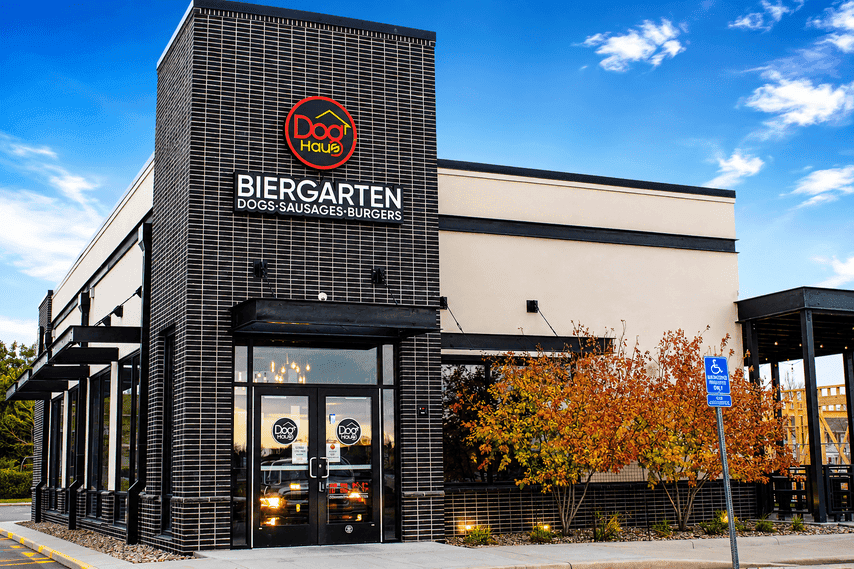
Dog Haus appoints James Field as chief marketing officer and promotes CJ Ramirez to chief experience officer, setting the stage for innovative brand growth and franchisee success in the national restaurant scene.
Aug 21, 2026
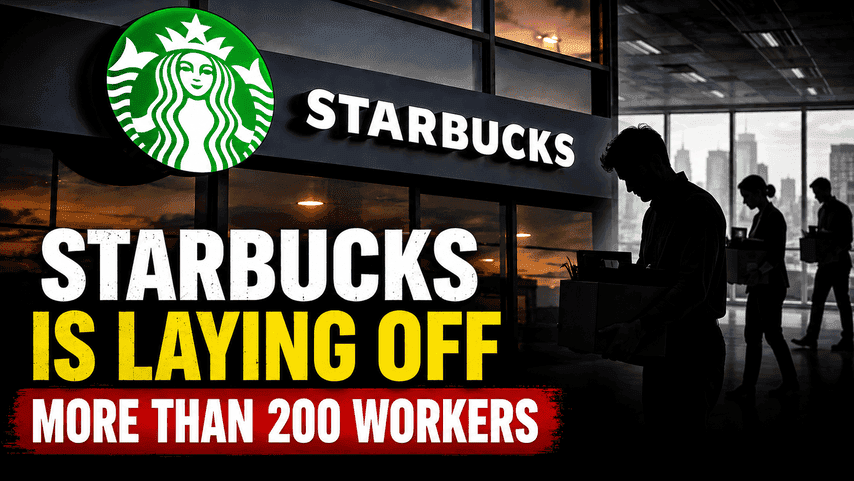
Starbucks is making strategic staffing changes, laying off 200+ workers as it restructures operations and prepares for future growth in southern and eastern regions.
Aug 21, 2026

Learn how to open a restaurant with no experience by planning your concept, budget, location, team, operations, and successful launch.
Aug 19, 2026

Panera Bread welcomes Andrew Rebhun as Chief Marketing Officer, succeeding Mark Shambura. Learn about his background at CAVA, El Pollo Loco, and McDonald's.
Aug 20, 2026

Payroll advances help restaurant owners give hourly employees earlier access to earned wages while maintaining accurate records, policies, and compliance.
Aug 19, 2026
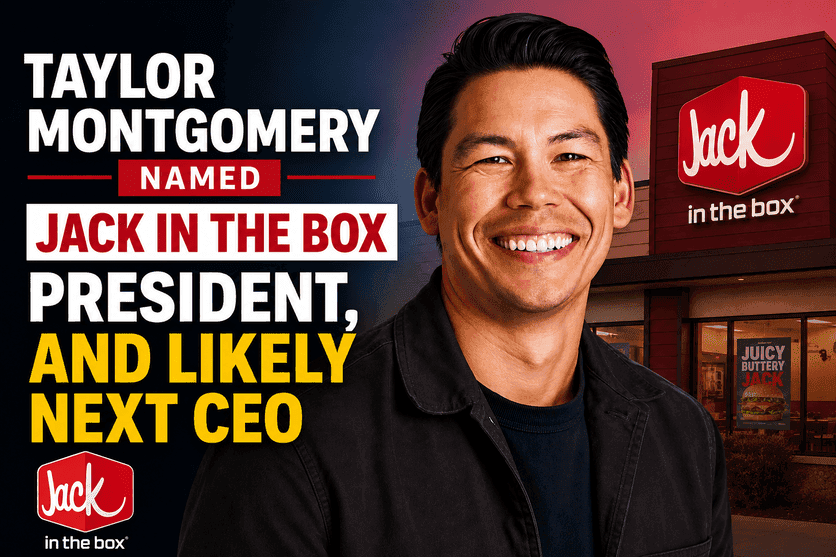
Taco Bell’s Taylor Montgomery has been appointed as President of Jack in the Box, positioning him to take over as CEO within a year - signaling major shifts for the QSR brand's future.
Aug 20, 2026
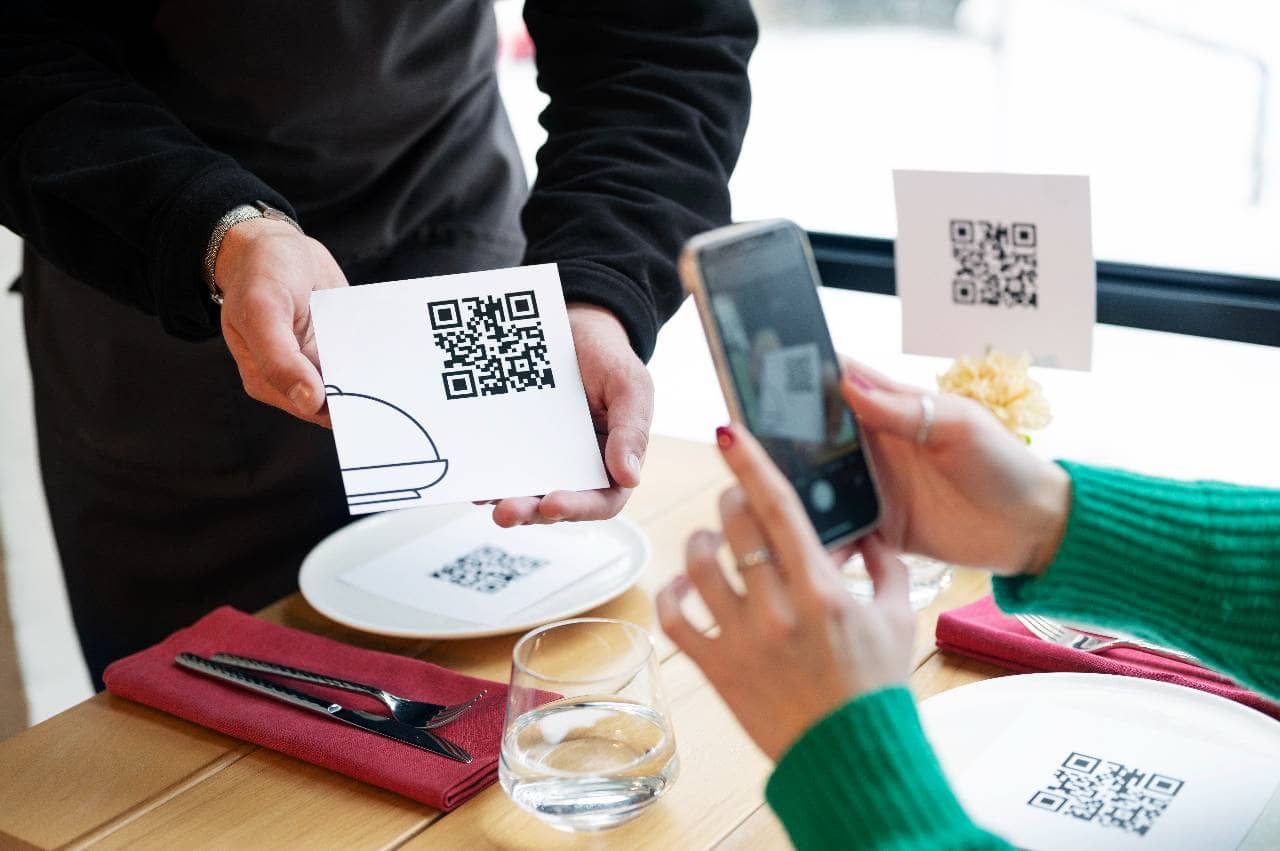
Explore the main types of ordering technology restaurants use to improve accuracy, speed, payments, customer convenience, and operational efficiency daily.
Aug 17, 2026

Learn the eight essential steps of the restaurant payroll process, from tracking hours and calculating wages to payments and recordkeeping.
Aug 17, 2026

Unlock Exclusive Access To Webinars, Events, And The Latest News For Free!
Taco Bell expands voice AI ordering to nearly 900 locations, boasting streamlined operations and higher employee retention; learn how automation can impact your restaurant’s efficiency and staff satisfaction.
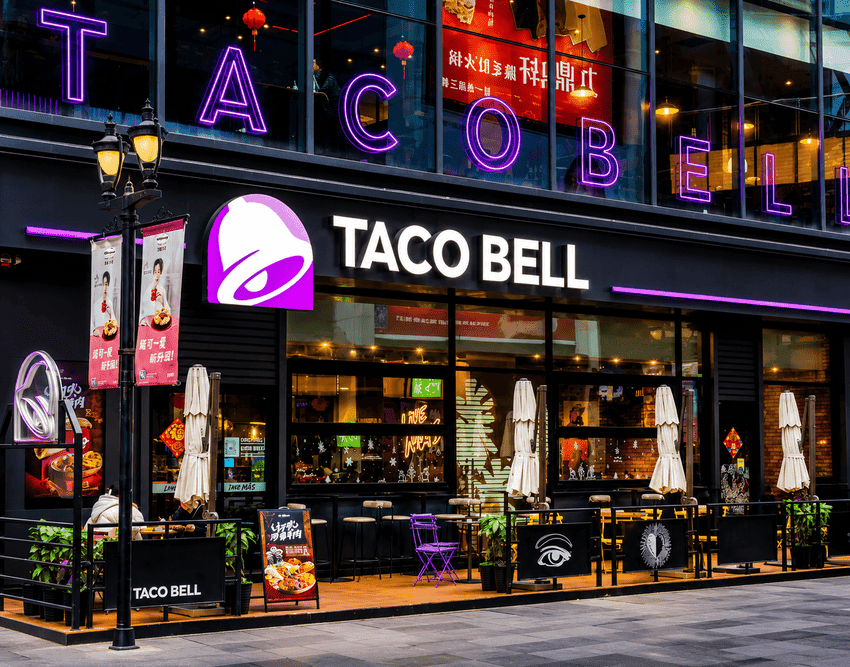
Taco Bell is taking a bold leap forward in restaurant automation by rolling out drive-thru voice AI technology to nearly 900 restaurants across 38 states. Through its ongoing partnership with Omilia, the brand is redefining how fast food operators approach order fulfillment, labor optimization, and guest experience. The AI technology not only improves order-taking efficiency with features like sub-second response time and real-time menu adaptation, but also shows early signs of higher employee retention at locations where it's installed. For restaurant owners and managers, this nationwide expansion signals the mainstream arrival of voice AI that adapts to unique store menus and even keeps pace with off-the-cuff custom orders, while reducing workload behind the scenes.
Early data from Taco Bell's AI-powered stores is promising. Many locations report drive-thru speeds equaling or exceeding traditional methods, without compromising accuracy. By automating repetitive order-entry tasks, staff gain time to focus on higher-value guest interactions and operational priorities. This shift leads to tangible boosts in workplace satisfaction and retention, a crucial advantage amid ongoing industry staffing challenges. As the technology continues to learn and adapt, decision-makers should consider the dual impact - streamlining guest experience while making roles more fulfilling for employees.
Taco Bell’s Omilia AI platform offers more than simple order-taking. It integrates menu changes, promotions, and inventory status in real time, equipping teams with the tools needed for dynamic operations. The flexible solution interfaces seamlessly with Taco Bell’s broader tech ecosystem, including Byte by Yum, their parent company’s proprietary AI backbone. However, the path hasn’t been without hurdles - like the viral incident of a customer jokingly ordering 18,000 cups of water, which resulted in system hiccups and taught valuable lessons about limits and escalation protocols. Such learning curves are a reminder for all operators that piloting new technologies requires ongoing evaluation and adaptation.
Strategic deployment is key for maximizing AI’s value. Taco Bell’s experience shows that while busy locations might still benefit from a human touch at the speaker, automation can bring big gains in many drive-thru operations, especially where volume and labor demands are high. As with any technology, success hinges on continual improvement - monitoring metrics, incorporating staff feedback, and being quick to address glitches. Leading chains from McDonald’s and Dairy Queen to Wendy’s and Bojangles are closely watching these pilot results, indicating a broader industry movement that’s just picking up steam.
For operators striving to future-proof their business, the rise of drive-thru voice AI is a wake-up call to explore automation thoughtfully. Investing in AI can unlock both operational efficiencies and a competitive advantage in recruiting, training, and retaining reliable frontline staff. Start by evaluating which locations would benefit most, prepare teams for change, and make partner selection and ongoing support a priority for long-term value. With digital transformation accelerating across quick-service and fast casual brands, today’s automation investments can set the stage for higher profitability and a re-energized workforce.
The drive-thru of tomorrow is arriving today - and those committed to innovation stand to gain the most. Stay informed on changing trends, regularly review performance data, and collaborate with technology partners to navigate this fast-moving landscape. Whether you operate a single unit or a growing multi-store brand, integrating smart, flexible solutions will keep you ahead as consumer demands and workforce dynamics shift.