




.png&w=3840&q=70)





Starbucks Restructures Workforce Amid Expansion Plan
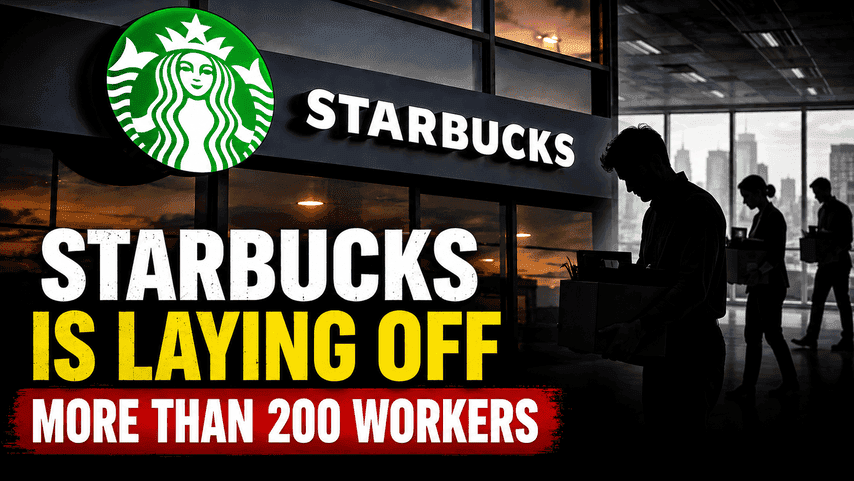
Starbucks is making strategic staffing changes, laying off 200+ workers as it restructures operations and prepares for future growth in southern and eastern regions.

Navigating Change at Starbucks Headquarters
Starbucks has announced significant corporate workforce changes, impacting more than 200 roles as part of its ongoing efforts to reshape its business operations. This decision is rooted in a broader strategy to streamline the company's structure, optimize support functions, and position itself for stronger growth - particularly in the South and East. For restaurant owners and managers, the Starbucks pivot illustrates the difficult decisions that arise when balancing expansion, efficiency, and evolving workforce needs.
Details Behind Starbucks’ Layoffs and Office Changes
More than 100 of the layoffs stem from a restructuring plan initiated in May, which included the closure of four regional offices and has now come to fruition. An additional 120 employees affected are those who opted not to relocate as key support roles shift from Seattle to a new $100 million support office in Nashville - a move set to facilitate Starbucks’ expanding presence in target markets. Roles impacted range from support staff to vice presidents, with separations scheduled between October and November 2026. For restaurant leaders managing growth or regional changes, this serves as a reminder of how strategic realignment can ripple through an organization.
What the Starbucks Restructuring Signals for the Industry
Starbucks’ latest organizational moves signal a market-wide reality - restaurant chains must continually assess resource allocation and regional office placement for efficiency and profit optimization. While these shifts may lead to tough workforce adjustments, they are often part of a larger plan for investments back into store-level operations and growth markets. Restructuring, while challenging, can fuel innovation and keep a brand resilient in an increasingly competitive landscape.
Lessons for Restaurant Operators Planning Expansion
For restaurant operators and managers, Starbucks' strategy highlights the need for agility and clear planning when considering market expansion or regional pivots. Investing in new support hubs and rethinking back-office operations, as Starbucks is doing with its Nashville project, can create logistical and workforce challenges but may also unlock new opportunities for growth and local market expertise.
Preparing Your Own Operation for Strategic Change
The Starbucks example emphasizes that operational change is more than just numbers - it’s about people and organizational culture. Restaurant leaders contemplating similar transitions should weigh the benefits of streamlining and reinvestment against the temporary disruptions layoffs may cause. By keeping lines of communication open with staff and aligning strategic moves with future business goals, the transition can lead to a more agile, resilient operation prepared for tomorrow’s challenges.
Staying Ahead Through Proactive Adaptation
As restaurant brands across the country adapt to shifting consumer behavior and pursue expansion, the Starbucks scenario shows that bold, proactive moves - though difficult - are sometimes necessary for long-term health. Whether you're managing a single unit or a national chain, strategic workforce planning, transparent communication, and investment in growth regions should be at the core of every expansion or restructuring decision.