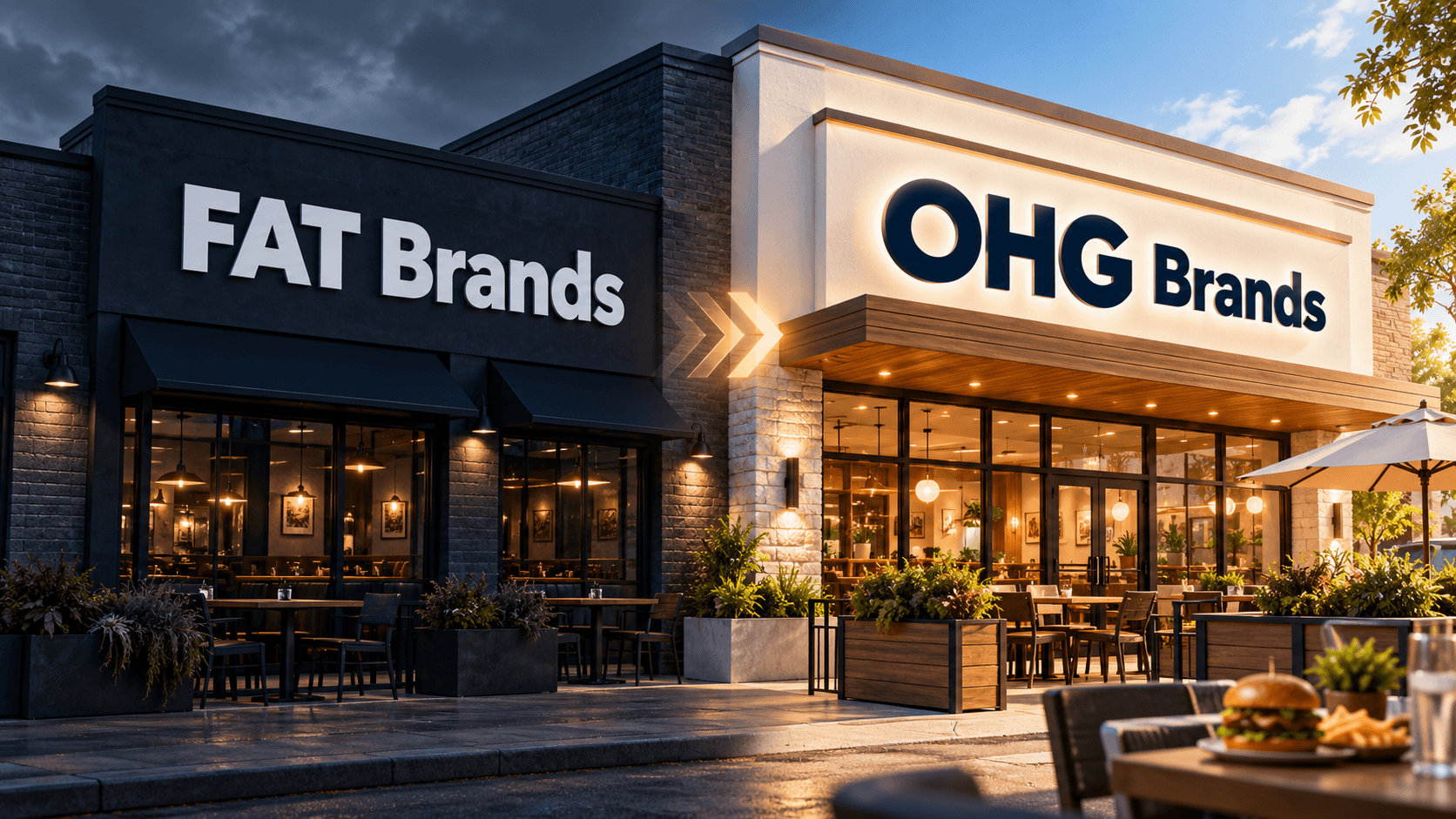
FAT Brands Collapses, Reemerges as OHG Brands
FAT Brands' $1B acquisition empire fell into bankruptcy and sold for $965M, re-emerging as OHG Brands with 1,700 restaurants.
News
Oct 1, 2026
FAT Brands' $1B acquisition empire fell into bankruptcy and sold for $965M, re-emerging as OHG Brands with 1,700 restaurants.
Oct 1, 2026
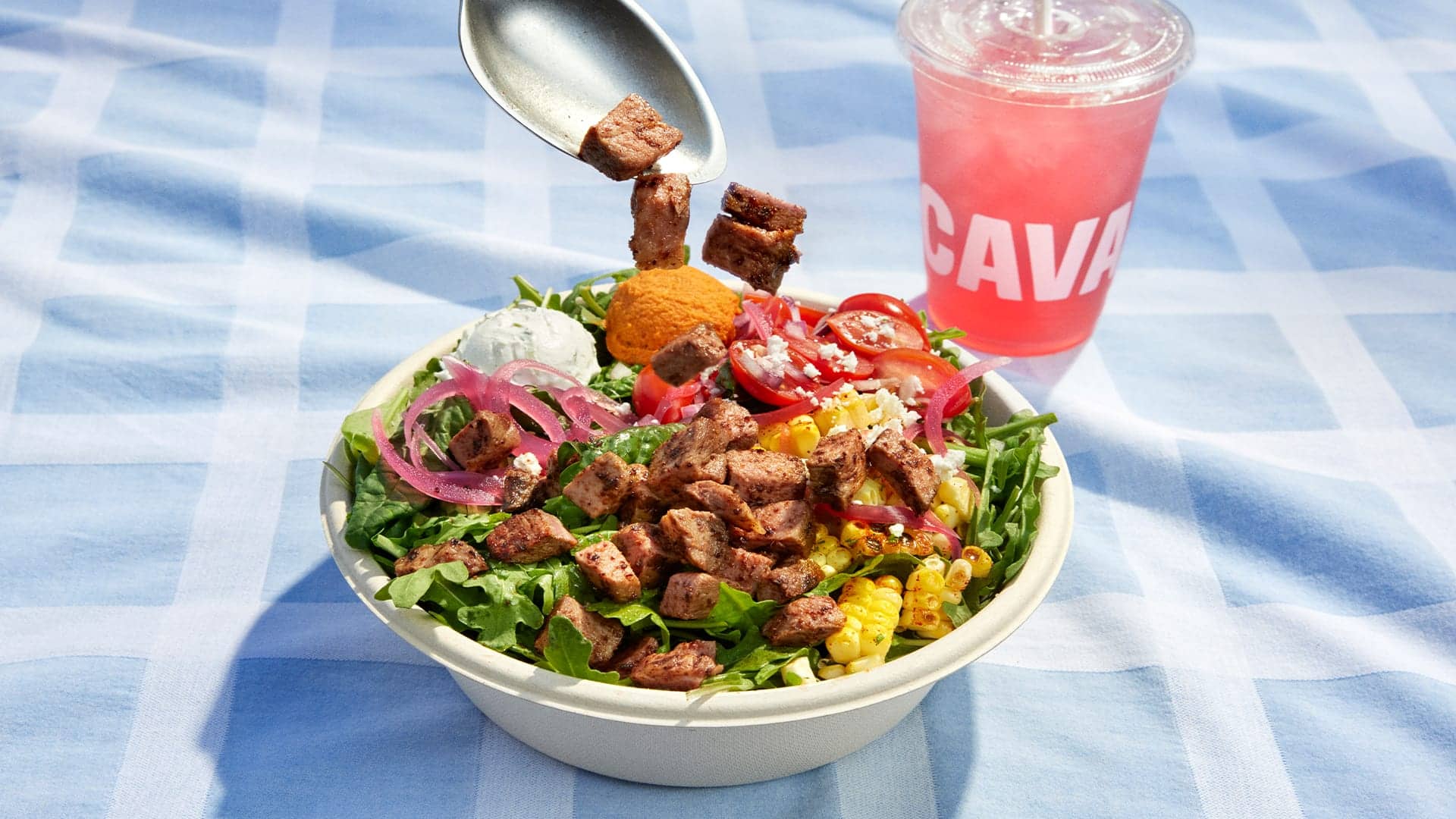
CAVA names John Ludeke, former Dr. Squatch Chief Brand Officer, as its new CMO to drive national growth and guest loyalty.
Oct 1, 2026
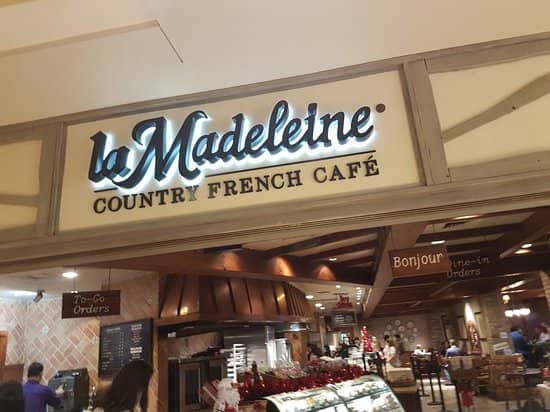
La Madeleine's CEO John Dillon steps down mid-turnaround, leaving a menu overhaul, new coffee program, and franchise growth plans in limbo.
Oct 1, 2026

Hot Head Burritos promotes longtime operator Peter Wiley to corporate VP, chief marketing and chief technology officer, blending brand strategy with tech oversight.
Oct 1, 2026
Mo' Bettahs names Don Crocker, a Chick-fil-A and Inspire Brands veteran, as chief development officer to lead its national corporate-owned expansion.
Sep 30, 2026

Wage hikes, the penny's end, new NLRB rules, California sugar labels, and franchise law changes are converging on operators this year.
Sep 30, 2026
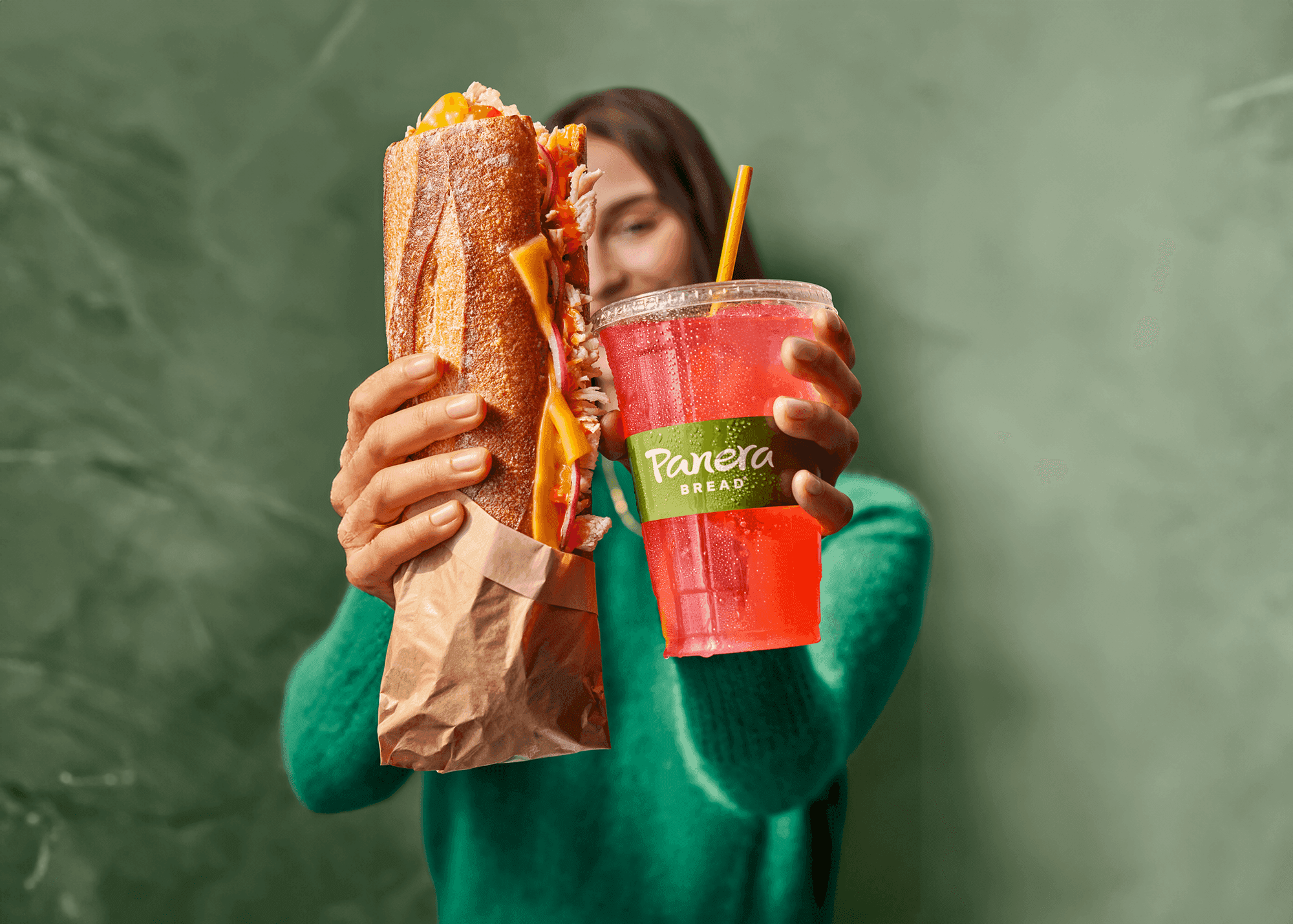
Panera taps outsiders from Burger King and Oakberry to fix operations, order accuracy and supply chain as it overhauls loyalty and marketing.
Sep 30, 2026
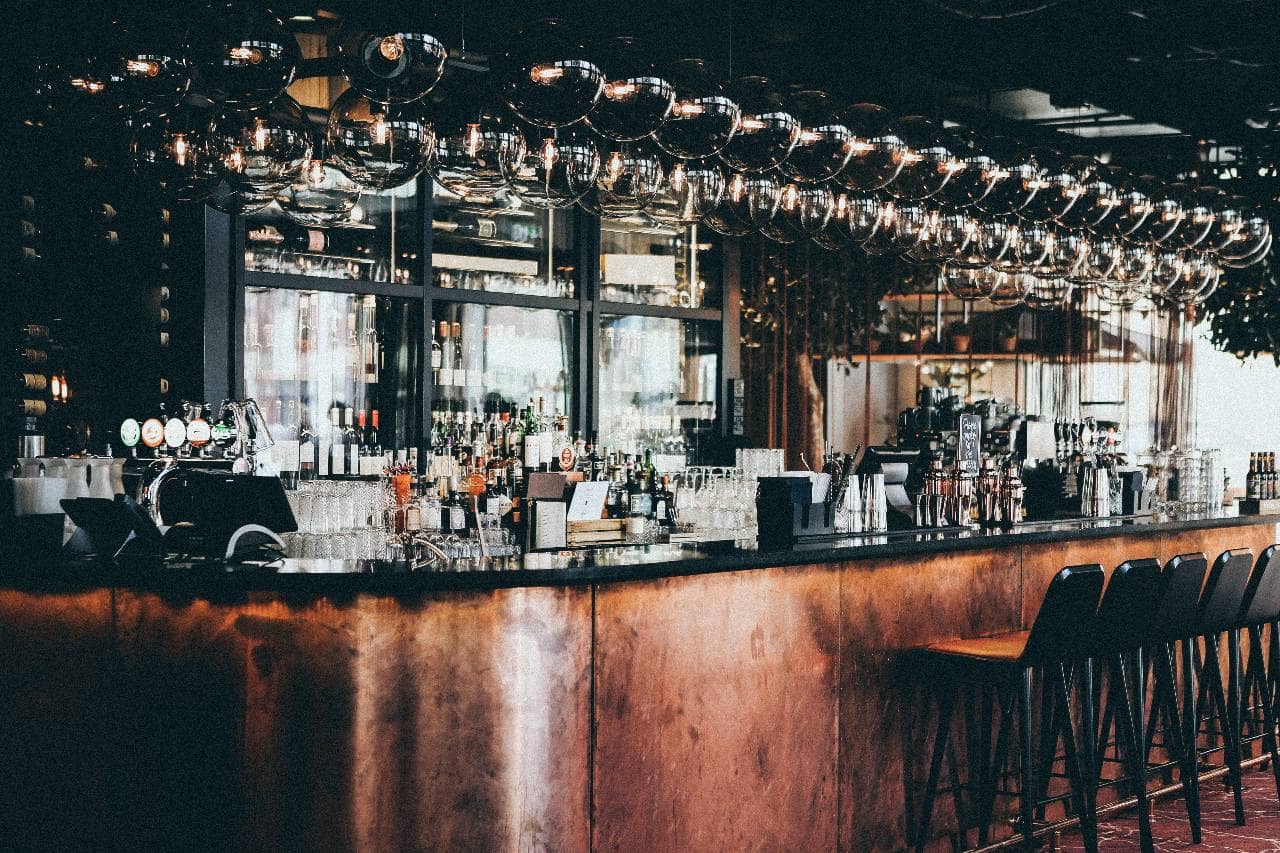
Opening a second restaurant location requires readiness, clear goals, financial planning, funding, smart strategy, standardized operations, strong teams, and careful launch monitoring for sustainable growth.
Sep 30, 2026
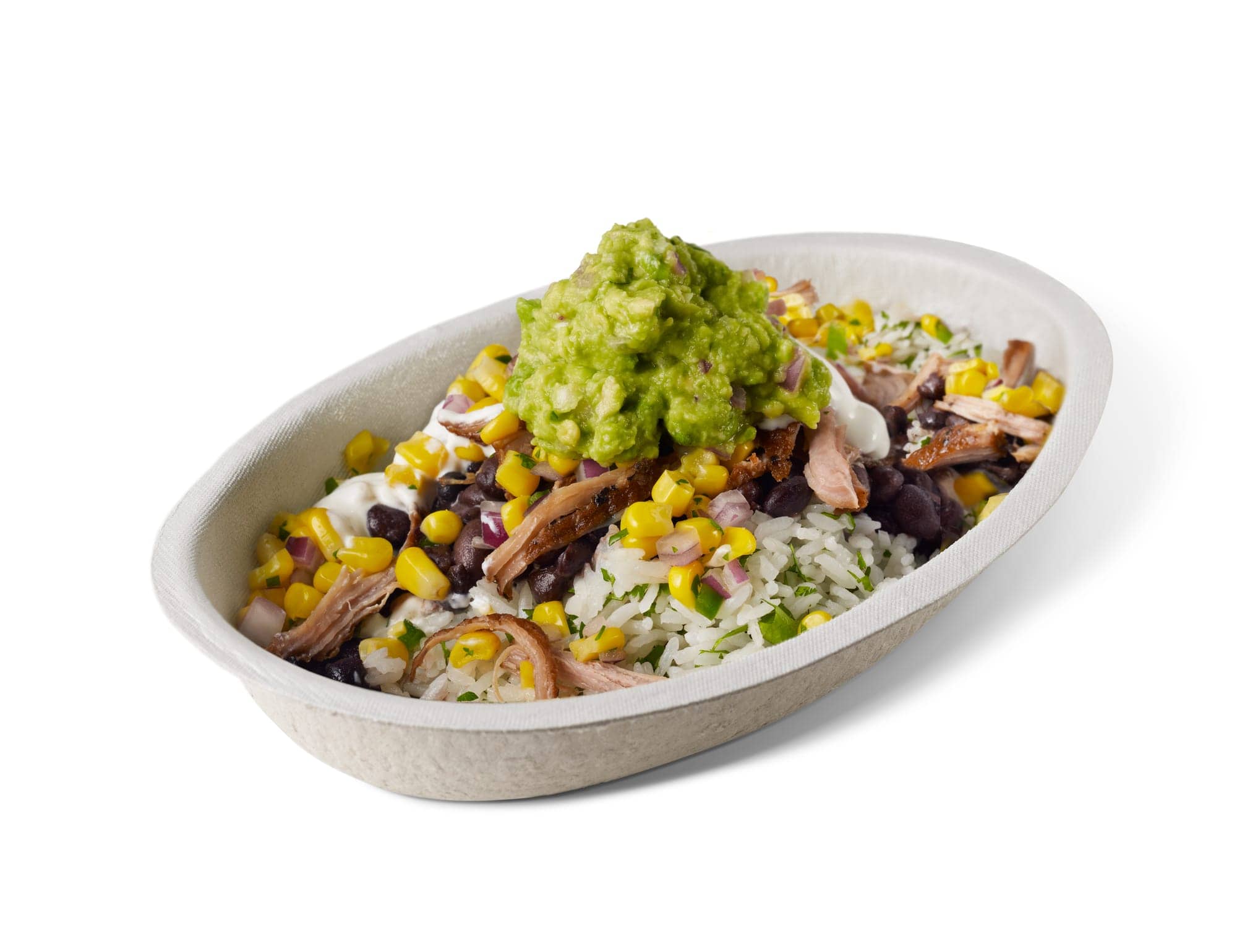
Chipotle hits 1,500 Chipotlanes, the digital pickup lanes launched in 2018. Here's how the format became core to its growth strategy.
Sep 29, 2026
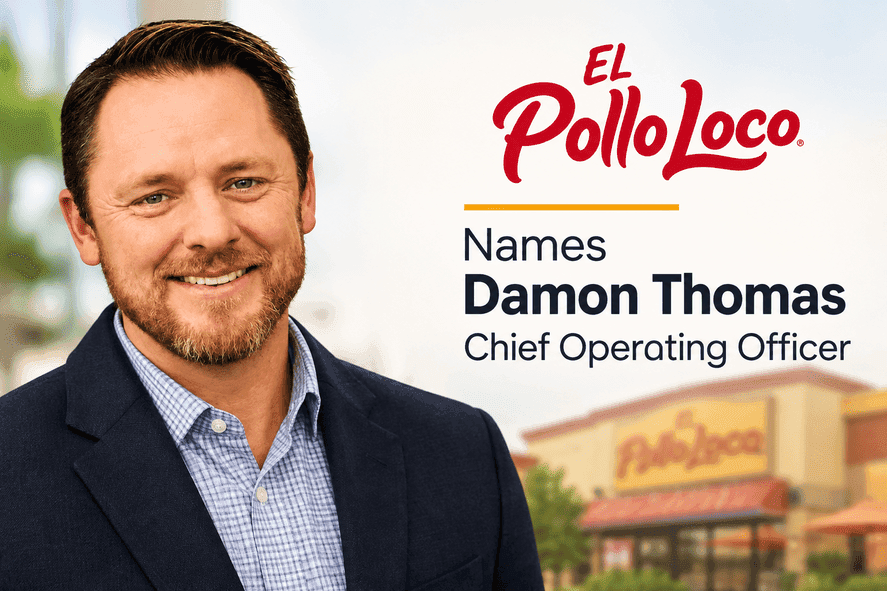
El Pollo Loco appoints Damon Thomas as chief operating officer, bringing restaurant operations experience to the company’s senior leadership team.
Sep 29, 2026

Unlock Exclusive Access To Webinars, Events, And The Latest News For Free!
Discover how restaurant SMS marketing works, from building subscriber lists and creating campaigns to improving engagement and measuring marketing performance.
Restaurant SMS marketing is the use of text messages to communicate directly with customers who have agreed to receive promotional or informational messages from your restaurant. It gives restaurant owners a direct way to share offers, updates, reminders, and announcements with customers through their mobile phones. Unlike social media, where posts may or may not appear in a customer's feed, SMS messages are delivered directly to the customer's messaging inbox. This makes SMS especially useful for time-sensitive communication such as lunch promotions, limited-time menu items, special events, loyalty rewards, or last-minute offers. Restaurants can use SMS marketing for many purposes, including - 1. Promoting special offers - Send discounts, coupons, or limited-time deals designed to encourage visits or online orders. 2. Announcing new menu items - Let customers know about seasonal dishes, new products, or menu updates. 3. Supporting loyalty programs - Send rewards updates, birthday offers, points reminders, and member-only promotions. 4. Driving online orders - Include links that take customers directly to your restaurant's online ordering page. 5. Promoting events - Inform subscribers about happy hours, holiday menus, live entertainment, or special dining events. 6. Re-engaging inactive customers - Send targeted offers to customers who have not ordered or visited recently. A typical restaurant SMS marketing process starts with collecting customer consent and building a subscriber list. Restaurants can encourage sign-ups through their website, online ordering system, loyalty program, QR codes, or in-store promotions. Once customers subscribe, the restaurant can send targeted messages based on specific marketing goals. The key is to treat SMS as a permission-based communication channel rather than simply another advertising platform. Messages should provide clear value, arrive at appropriate times, and give customers a reason to stay subscribed. When managed carefully, restaurant SMS marketing can become a practical channel for maintaining customer relationships and encouraging repeat business.
SMS marketing gives restaurants a direct way to reach customers with timely, relevant messages. Because customers carry their phones throughout the day, text messaging can help restaurant owners communicate promotions and updates without relying entirely on social media algorithms or crowded email inboxes. Some of the main benefits of restaurant SMS marketing include - 1. Reach customers directly - SMS messages are delivered straight to a customer's phone, giving restaurants a direct communication channel for promotions, reminders, and updates. 2. Promote time-sensitive offers - Restaurants can quickly send lunch specials, happy hour promotions, limited-time discounts, or weekend offers when timing matters. 3. Drive more online orders - Text messages can include direct links to online ordering pages, making it easier for customers to move from seeing an offer to placing an order. 4. Encourage repeat visits - Loyalty rewards, birthday offers, personalized promotions, and return incentives can help keep the restaurant top of mind between visits. 5. Support customer retention - Restaurants can use SMS to reconnect with customers who have not visited or ordered recently. A relevant incentive may encourage them to return. 6. Increase awareness of menu updates - New menu items, seasonal dishes, catering options, and limited-time products can be promoted directly to interested customers. 7. Create more personalized marketing - Restaurants can segment subscribers based on factors such as ordering behavior, location, loyalty activity, or preferences. This allows messages to be more relevant instead of sending the same promotion to everyone. 8. Measure campaign performance - Restaurant owners can track metrics such as link clicks, redemptions, conversions, opt-outs, and revenue generated from individual campaigns. The biggest advantage of SMS marketing is its ability to connect communication with immediate customer action. A well-timed text can direct someone to an online ordering page, remind them about a loyalty reward, or encourage a visit during a slower period. However, SMS works best when restaurants focus on relevance rather than message volume. Customers are more likely to remain subscribed when texts provide useful offers and information instead of frequent, repetitive promotions. A clear strategy helps restaurants use SMS as a dependable customer engagement and revenue channel.
A successful restaurant SMS marketing strategy starts with building a list of customers who have clearly agreed to receive text messages. Restaurants can grow their SMS subscriber list through several channels - 1. Add SMS sign-ups to your website - Place a clear signup form on your homepage, menu pages, or online ordering page. Explain what customers will receive in exchange for subscribing. 2. Use online ordering - Give customers the option to join your SMS list during checkout. Keep marketing consent separate and clearly stated so customers understand what they are agreeing to receive. 3. Promote sign-ups with QR codes - Place QR codes on table tents, menus, receipts, takeout packaging, or signage. Customers can scan the code and reach an SMS signup page quickly. 4. Connect SMS with your loyalty program - Encourage loyalty members to opt in for texts about rewards, points, exclusive offers, and account updates. 5. Offer a signup incentive - Restaurants can provide a discount, free menu item, loyalty bonus, or other benefit in exchange for joining the SMS program. Make the value of subscribing clear from the beginning. 6. Promote SMS enrollment in-store - Train employees to mention the program at appropriate moments, such as checkout or loyalty enrollment, without pressuring customers. 7. Use social media to attract subscribers - Promote your SMS program through social posts, profile links, and campaigns that direct followers to a signup page. As you grow your list, focus on quality over quantity. A smaller list of engaged customers can be more valuable than a large list of people who rarely interact with your messages. Restaurants should also keep accurate records of subscriber consent and make expectations clear. Tell customers what types of messages they may receive and avoid adding phone numbers collected for reservations, delivery, or other operational purposes to marketing lists without proper permission. A strong subscriber list gives your restaurant a foundation for more targeted SMS campaigns. As the list grows, you can begin segmenting customers and sending promotions that are more relevant to their interests and behavior.

Restaurant SMS marketing is permission-based, so compliance should be built into your strategy from the beginning. In the United States, promotional text messages may be subject to the Telephone Consumer Protection Act (TCPA), FCC regulations, and additional state laws. Requirements can vary depending on how messages are sent, so restaurants should review their specific program with qualified legal counsel. Here are several important compliance practices to consider - 1. Obtain proper customer consent - Do not assume that having a customer's phone number automatically gives you permission to send promotional texts. For certain automated marketing texts, FCC rules require prior express written consent from the recipient. 2. Make the opt-in terms clear - When customers subscribe, clearly explain that they are agreeing to receive marketing text messages from your restaurant. Your signup process should also explain important terms associated with the program. 3. Keep records of consent - Maintain documentation showing when and how each subscriber opted in. This may include the signup date, phone number, consent language presented, and method used to subscribe. Strong recordkeeping can help your restaurant demonstrate that proper permission was obtained. 4. Provide an easy way to opt out - Customers must be able to withdraw consent. Current FCC rules recognize common responses such as STOP, QUIT, END, REVOKE, OPT OUT, CANCEL, and UNSUBSCRIBE, while also requiring businesses to recognize other reasonable requests that clearly communicate a desire to stop receiving messages. 5. Honor opt-out requests promptly - FCC rules require covered revocation requests to be honored within a reasonable period that does not exceed 10 business days. Once someone opts out, your restaurant should suppress that number from future promotional campaigns. 6. Separate operational and promotional messaging - A phone number provided for a reservation, delivery update, receipt, or order notification should not automatically be treated as consent for promotional SMS messages. Build a separate and clearly disclosed marketing opt-in process. 7. Maintain an internal do-not-contact process - Restaurants should have procedures for recording opt-out requests and preventing future marketing messages from being sent to those numbers. FCC regulations also establish requirements for maintaining certain do-not-call records. Compliance is not simply a legal consideration - it also protects customer trust. When subscribers understand what they are signing up for and can easily control whether they continue receiving messages, your restaurant can build a healthier SMS list and reduce unnecessary complaints and opt-outs.
Once you have built a compliant subscriber list, the next step is creating SMS campaigns that give customers a clear reason to engage. Restaurant text messages work best when they are timely, relevant, and focused on one specific action. Instead of sending generic promotions repeatedly, create campaigns around customer needs, restaurant goals, and important moments throughout the customer journey. Here are several types of SMS campaigns restaurants can use - 1. Limited-time promotions - Send discounts, meal deals, happy hour offers, or weekend specials with a clear expiration date. A defined time limit can encourage customers to act sooner. 2. New menu announcements - Introduce seasonal dishes, new beverages, limited-time menu items, or updated menu categories to customers who have already shown interest in your restaurant. 3. Loyalty rewards - Notify customers when they earn rewards, reach a loyalty milestone, or become eligible for a special offer. These messages can help keep loyalty members engaged. 4. Birthday and anniversary offers - Send personalized rewards around birthdays or customer milestones. These campaigns can give customers another reason to choose your restaurant for a future visit. 5. Online ordering promotions - Include a direct ordering link in your message and promote takeout, delivery, family meals, catering, or other ordering options. 6. Event promotions - Use SMS to promote holiday menus, live entertainment, special dinners, sports viewing events, or other scheduled activities. 7. Customer reactivation campaigns - Reach out to subscribers who have not ordered or visited recently with a relevant return offer or reminder. 8. Slow-period promotions - Send targeted offers during historically slower meal periods or days to encourage additional traffic without discounting during already-busy periods. Every SMS campaign should include a clear purpose and call to action. Tell customers exactly what you want them to do, whether that means placing an order, redeeming an offer, viewing a menu, joining an event, or using a loyalty reward. Keep messages concise and avoid including multiple competing promotions in a single text. One focused message is generally easier for customers to understand and act on. Restaurant owners should also avoid relying on discounts for every campaign. SMS can be used to highlight convenience, exclusivity, new products, loyalty benefits, and special experiences. A varied campaign strategy helps keep your messages useful while protecting your margins.
Sending the same text message to every subscriber can make restaurant SMS marketing feel generic. Segmentation allows you to divide your audience into smaller groups and send messages that are more relevant to each customer's behavior, preferences, or relationship with your restaurant. Restaurants can segment their SMS audience in several useful ways - 1. Purchase behavior - Group customers based on what they order, how often they order, or how much they typically spend. For example, frequent takeout customers may respond better to online ordering promotions than dine-in offers. 2. Customer location - Multi-location restaurants can organize subscribers by their preferred restaurant location. This helps prevent customers from receiving promotions for locations they rarely visit. 3. Loyalty activity - Separate highly active loyalty members from customers who have not used their rewards recently. Each group may need a different message or incentive. 4. Visit frequency - Identify frequent guests, occasional customers, and inactive customers. Frequent guests may appreciate exclusive offers, while inactive customers may need a stronger reason to return. 5. Menu preferences - If your data allows it, segment customers based on interests such as breakfast, lunch, catering, desserts, or specific menu categories. 6. Engagement level - Track which customers regularly click SMS links, redeem offers, or respond to campaigns. Highly engaged subscribers may be good candidates for early-access offers or new menu announcements. Personalization can take segmentation one step further. Instead of sending a broad message such as "Order today and save," a restaurant might send a promotion tied to a customer's preferred location, loyalty status, or previous ordering behavior. However, personalization should remain useful and natural. Avoid using customer data in ways that feel intrusive or overly specific. The goal is to make messages more relevant, not to remind customers how much information you have about them. Restaurant owners should also test different audience segments over time. Compare which groups generate stronger clicks, redemptions, orders, or visits. These insights can help refine future campaigns and reduce unnecessary messages. By combining segmentation with thoughtful personalization, restaurants can send fewer but more relevant texts. This can improve customer engagement while helping each SMS campaign support a clearer business goal.
The timing and frequency of your messages can have a major impact on restaurant SMS marketing performance. Even a strong promotion may underperform if it reaches customers at the wrong time, while sending too many messages can lead to higher opt-out rates. Restaurant owners should build an SMS schedule around customer behavior, meal periods, and campaign goals. 1. Send messages before key meal periods - If you are promoting lunch, send the message early enough for customers to make a decision before ordering. The same approach applies to dinner, happy hour, and weekend promotions. 2. Match timing to the offer - A breakfast promotion should be sent in the morning, while a dinner special may perform better later in the day. The closer the message timing matches customer intent, the more relevant it can feel. 3. Avoid sending messages too frequently - Sending promotional texts every day can quickly overwhelm subscribers. Instead, focus on fewer messages that provide clear value. 4. Use customer behavior to guide frequency - Highly engaged customers may respond well to more frequent communication, while less active subscribers may benefit from fewer messages. 5. Plan around important restaurant events - Seasonal menus, holidays, sporting events, loyalty promotions, and limited-time offers can all influence your SMS schedule. Build a calendar so messages do not overlap or compete with one another. 6. Test different send times - Monitor clicks, redemptions, orders, and opt-outs to determine when your audience is most responsive. Different customer segments may respond better at different times. 7. Respect quiet hours and customer expectations - Avoid sending marketing messages too early in the morning or too late at night. Your SMS platform should also be configured to support applicable timing and compliance requirements. There is no single ideal SMS frequency for every restaurant. A fast-casual restaurant with frequent promotions may communicate more often than a fine-dining restaurant that primarily uses SMS for reservations, events, and special menus. The best approach is to start conservatively and monitor customer response. If engagement remains strong and opt-outs stay low, you can test additional messages. If engagement falls or unsubscribe activity increases, reduce frequency or improve message relevance. A well-planned SMS schedule helps your restaurant stay visible without becoming intrusive. The goal is to reach customers when the message is useful, not simply to send texts as often as possible.
