




How a Waitlist App Can Increase Restaurant Sales and Revenue
Explore how a restaurant waitlist app reduces customer walkouts, improves table turnover, captures walk-ins, and increases sales through better guest management.

Why Restaurant Owners Need a Waitlist App
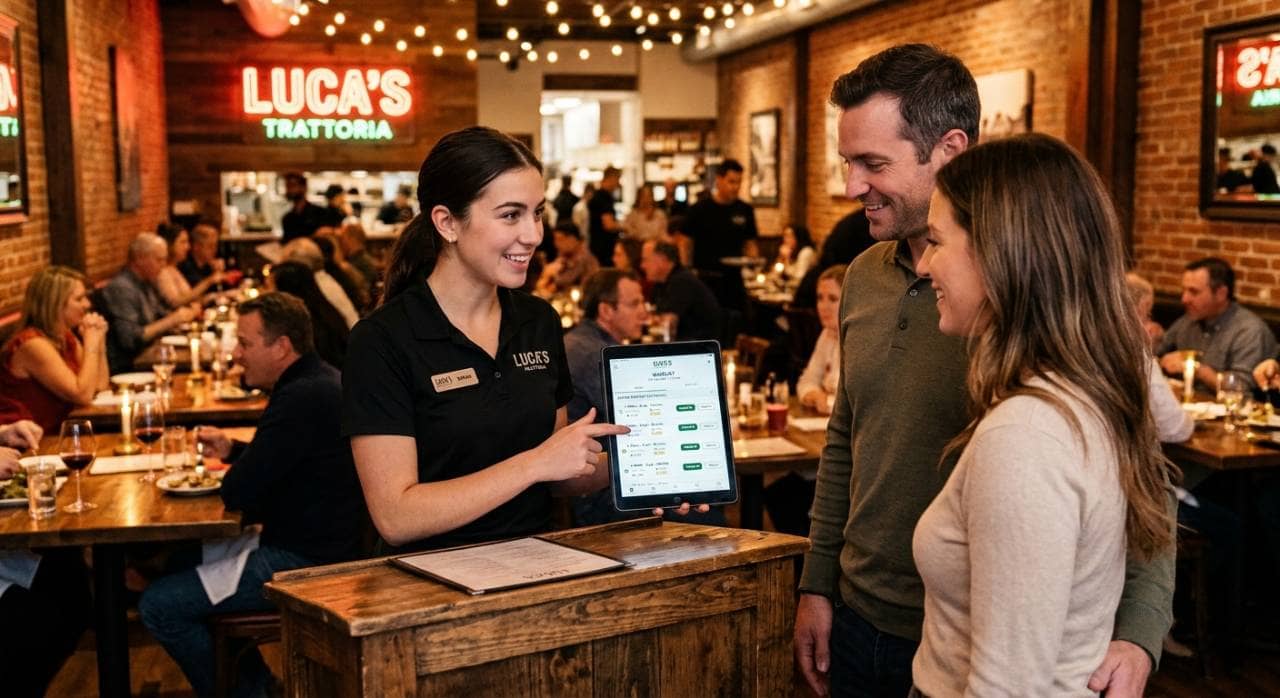
Long wait times can cost restaurants more than customer satisfaction. When guests arrive during busy periods and find a crowded entrance, unclear waiting times, or disorganized seating, many choose to leave and dine somewhere else. Every customer who walks away represents a potential order the restaurant never gets to serve. For restaurant owners, managing these situations effectively is essential to protecting sales and making the most of available seating capacity. A restaurant waitlist app helps address this problem by replacing manual guest tracking with a digital system that organizes incoming customers and manages seating queues. Instead of relying on paper lists or verbal updates, restaurant staff can add guests to a virtual queue, monitor their positions, estimate waiting times, and notify them when their tables are ready. Some apps also allow customers to join the waitlist remotely, giving them more flexibility while they wait. Beyond organizing queues, a waitlist app can create opportunities to increase restaurant sales and revenue. By reducing customer walkouts, improving communication, and helping staff coordinate table availability, restaurants can retain more potential customers and serve guests more efficiently. Digital menus and promotional messages can also introduce waiting customers to appetizers, beverages, and special offers before they are seated. The financial value of a waitlist app comes from making better use of existing restaurant capacity. When fewer customers abandon queues, tables turn over more efficiently, and staff spend less time managing waiting guests manually, restaurants have more opportunities to convert incoming demand into completed orders. Understanding how these systems work can help restaurant owners identify ways to improve the guest experience while generating more revenue from everyday operations.
Capture More Walk-In Customers with a Digital Waitlist
Walk-in customers represent an important source of restaurant revenue, particularly during lunch, dinner, and weekend rushes. However, when several parties arrive at once, managing the queue manually can become difficult. Paper lists, verbal updates, and inconsistent wait-time estimates make it harder for staff to organize incoming guests. A waitlist app helps restaurants manage this demand by providing a centralized system for recording guest information, tracking queue positions, and coordinating seating. Here are several ways a digital waitlist helps restaurants capture more walk-in customers - 1. Allow Guests to Join a Virtual Queue. A virtual waitlist allows customers to add themselves to a restaurant's queue without standing directly at the entrance. Depending on the app, guests may join through a QR code, website, or text message. This flexibility makes waiting more convenient and can encourage customers to remain in the queue instead of leaving to find another restaurant. It also helps prevent crowded entrances during peak dining hours. 2. Provide Accurate Wait-Time Estimates. Customers are more likely to remain in a queue when they understand how long they need to wait. A digital waitlist helps hosts monitor the number of waiting parties, party sizes, and available tables to provide more informed estimates. Setting realistic expectations gives guests greater control over their dining plans and reduces frustration caused by unexpected delays. 3. Send Automated Seating Notifications. Automated SMS notifications inform guests when their tables are nearly ready or when they can return to the restaurant for seating. This reduces the need for staff to repeatedly call out names or manually update every customer. It also keeps guests connected to the restaurant while they wait elsewhere. 4. Organize Guest Information for Faster Seating. A waitlist app records important details such as guest names, party sizes, arrival times, and seating preferences. Hosts can use this information to match incoming parties with suitable tables as they become available. Better organization reduces confusion, prevents missed seating opportunities, and helps staff accommodate more walk-in customers. By making the waiting process more convenient and predictable, a digital waitlist helps restaurants retain potential diners who might otherwise leave. Capturing more walk-in customers gives restaurants additional opportunities to generate orders, increase table occupancy, and improve sales during busy service periods.
Reduce Lost Sales by Preventing Customer Walkouts
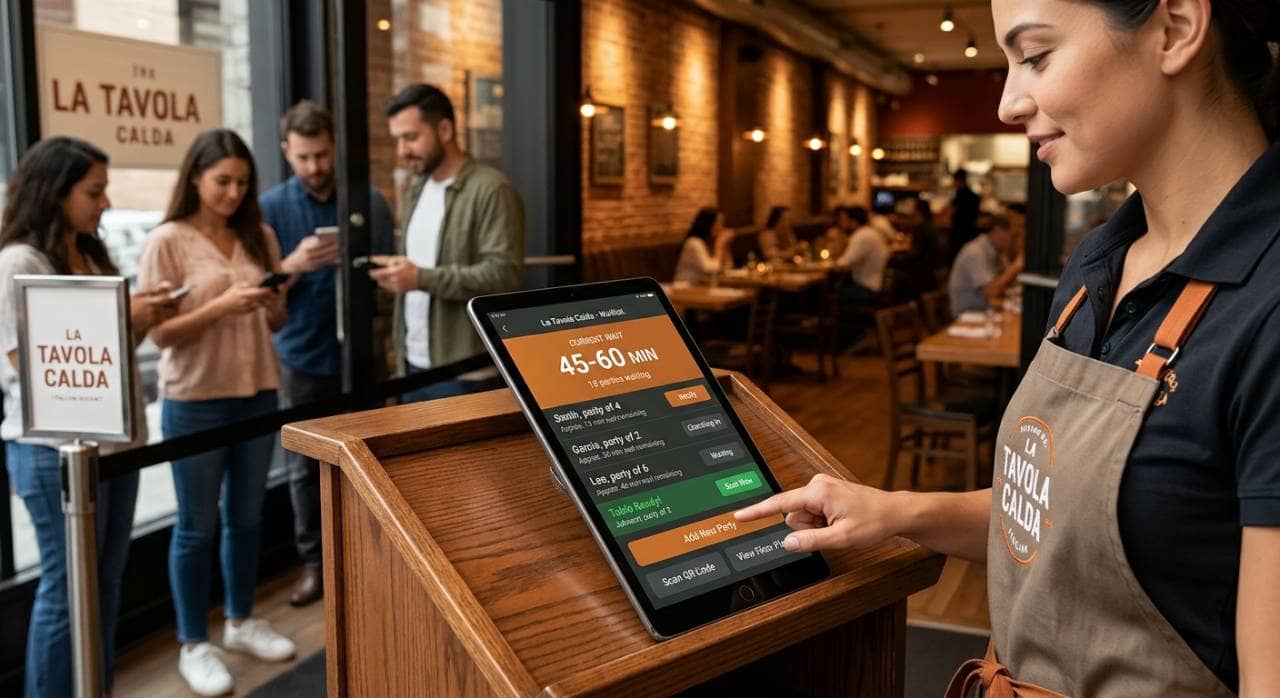
Every customer who leaves a restaurant without being seated represents a missed sales opportunity. During busy dining periods, long queues can discourage potential customers from waiting, especially when they have no clear idea of how long seating will take. Poor communication, crowded waiting areas, and delays in notifying guests about available tables can make the problem worse. A waitlist app helps restaurants address these challenges by improving queue visibility, keeping guests informed, and making the seating process more efficient. Restaurant owners can use digital waitlist features to reduce customer walkouts in several ways - 1. Give Customers Clear Waiting Time Estimates. Customers are more willing to wait when they know what to expect. A waitlist app helps hosts monitor queue activity, party sizes, and table availability to provide more realistic waiting time estimates. This reduces uncertainty and allows guests to decide whether the expected wait fits their schedule. 2. Maintain Communication Throughout the Waiting Period. Guests who receive no updates may assume the restaurant has forgotten about them or that their wait will take longer than expected. Automated SMS notifications keep customers informed about their queue position, estimated seating time, and table availability. Consistent communication helps maintain customer interest and reduces frustration. 3. Make Waiting More Convenient with Virtual Queues. Standing near a crowded entrance can make the dining experience unpleasant before it even begins. Virtual waitlist features allow customers to join a queue and wait somewhere more comfortable, such as nearby shops or their vehicles. They receive notifications when their tables are approaching availability, giving them greater flexibility without losing their place in line. 4. Notify Guests Immediately When Tables Become Available. Delays in contacting waiting customers can leave available tables unused while potential diners remain unaware that seating is ready. A digital waitlist gives hosts quick access to guest details and allows them to notify the next suitable party. Faster communication helps restaurants fill open tables sooner and avoid unnecessary gaps between dining parties. How Does This Affect Restaurant Revenue? Reducing customer walkouts helps restaurants retain more potential orders during periods of high demand. For example, when a restaurant manages its waiting queue more effectively, guests are less likely to abandon their plans because of uncertainty or poor communication. More customers remain available to be seated, increasing the opportunity to generate sales from existing tables and dining space. A waitlist app does not eliminate every customer walkout, but it gives restaurant owners better tools to manage waiting times, improve communication, and convert more waiting guests into paying customers.
Improve Table Turnover and Serve More Customers
Table turnover directly affects how many customers a restaurant can serve during each shift. When tables remain unoccupied after guests leave, or incoming parties wait longer than necessary to be seated, restaurants lose valuable opportunities to generate revenue. Poor communication between hosts and service staff, difficulty tracking table availability, and inefficient seating assignments can all slow down dining room operations. A waitlist app helps restaurant teams coordinate these activities and make better use of available seating. Here are four ways a waitlist app can improve table turnover - 1. Track Table Availability in Real Time. Knowing which tables are occupied, available, or being prepared helps hosts make faster seating decisions. A waitlist app with table management capabilities gives staff better visibility into dining room activity. Instead of manually checking every table, hosts can identify available seating and match incoming parties with suitable tables. This reduces unnecessary delays and helps keep the dining room operating efficiently. 2. Match Party Sizes with Available Tables. Seating customers at tables that do not match their party sizes can limit restaurant capacity. For example, seating a party of two at a table designed for six may prevent a larger group from being accommodated during a busy period. A digital waitlist records party sizes and helps hosts assign available tables more appropriately. Better seating decisions allow restaurants to use their dining space more effectively. 3. Coordinate Hosts and Service Staff. Table turnover depends on communication between hosts, servers, and other restaurant employees. When staff members do not know which tables are becoming available, seating delays can occur. A centralized waitlist system helps teams access updated guest and seating information, making it easier to prepare tables and coordinate incoming parties. This reduces confusion and keeps the seating process moving. 4. Reduce the Time Between Dining Parties. Every unnecessary minute a table remains empty represents potential revenue that the restaurant could have generated. A waitlist app helps hosts identify the next suitable party as soon as a table becomes available. Automated notifications can also alert waiting guests when their seating is ready, reducing the time between table turnover and the arrival of the next party. How Does Faster Table Turnover Increase Sales? Improving table turnover allows restaurants to serve more customers using their existing seating capacity. Consider a restaurant with 20 tables that experiences repeated delays between dining parties. Reducing those delays can create additional seating opportunities throughout lunch and dinner service. However, faster turnover should not mean rushing customers through their meals. The objective is to eliminate avoidable operational delays, coordinate seating more effectively, and maintain a comfortable dining experience. By helping staff manage table availability and incoming guests, a waitlist app can improve seating efficiency and create more opportunities to generate restaurant revenue.
Turn Waiting Guests into Additional Revenue Opportunities
The time customers spend waiting for a table does not have to be an inactive part of the dining experience. Restaurants can use this period to introduce guests to menu items, promote special offers, and encourage additional purchases. A waitlist app with digital communication and guest engagement features helps restaurant owners connect with potential customers before they are seated. Instead of focusing only on managing queues, restaurants can use the waiting period to create additional sales opportunities. Here are four ways to generate revenue while guests wait - 1. Share Digital Menus Before Seating. Giving customers access to a digital menu while they wait allows them to explore food and beverage options before reaching their tables. Guests can review menu descriptions, discover new dishes, and decide what they want to order. This can reduce the time spent browsing menus after seating and help servers begin taking orders sooner. Restaurants can also highlight popular dishes, specialty items, and higher-margin menu options to encourage customer interest. 2. Promote Appetizers and Beverage Specials. Waiting guests may be interested in ordering drinks or appetizers before their main dining experience begins. Restaurants can use digital messages to introduce happy hour specials, signature beverages, or shareable appetizers. For example, a restaurant could promote a discounted beverage or a featured starter during busy dinner hours. These offers create opportunities to generate additional sales while giving customers something to enjoy before their tables are ready. 3. Highlight Limited-Time Offers and Menu Specials. A waitlist app can provide a convenient communication channel for sharing daily specials, seasonal dishes, and limited-time promotions. These messages introduce customers to items they might not have considered ordering otherwise. Promoting high-margin dishes or special menu combinations can also influence purchasing decisions and increase average check sizes. However, offers should remain relevant and limited to avoid overwhelming guests with unnecessary messages. 4. Encourage Repeat Visits Through Loyalty Programs. The waiting period can also introduce guests to the restaurant's loyalty program or other customer retention initiatives. Restaurants can share information about membership benefits, rewards, exclusive discounts, and upcoming promotions. Encouraging guests to join a loyalty program helps maintain communication beyond their current visit and creates opportunities to generate future sales. Balance Promotions with the Customer Experience Promotional messages should complement the waiting experience rather than interrupt it. Restaurant owners should focus on relevant offers, convenient menu access, and useful information instead of sending excessive notifications. The goal is to make customers feel informed and engaged while introducing additional purchasing opportunities. By using a waitlist app to connect with guests before seating, restaurants can turn waiting time into a valuable part of the sales process. Digital menus, targeted promotions, and loyalty program invitations can encourage additional spending, improve customer engagement, and support long-term revenue growth.
Use Waitlist Data to Identify Revenue Opportunities
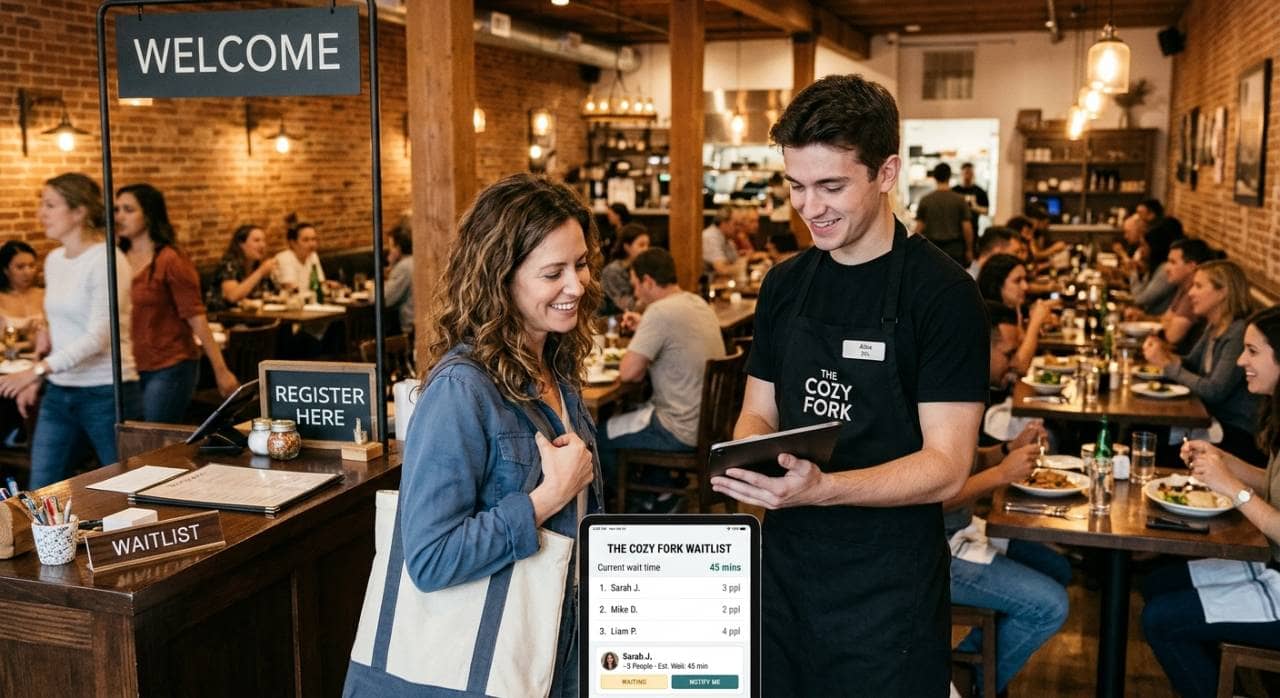
A waitlist app does more than organize incoming customers. It can also collect valuable operational data that helps restaurant owners understand customer demand, identify service inefficiencies, and make better business decisions. Information such as guest arrival times, party sizes, waiting periods, and peak dining hours can reveal patterns that affect restaurant sales. By analyzing this information, owners can identify opportunities to improve seating efficiency, allocate staff more effectively, and accommodate more customers. Here are four ways restaurant owners can use waitlist data to identify revenue opportunities - 1. Identify Peak Hours and Customer Arrival Patterns. Waitlist reports help restaurant owners understand when customers are most likely to arrive and how demand changes throughout the day. By reviewing guest arrival times and queue activity, managers can identify periods when seating demand exceeds available capacity. This information helps restaurants prepare for busy lunch and dinner services, adjust staffing schedules, and organize seating arrangements before queues become difficult to manage. 2. Analyze Waiting Times to Identify Service Bottlenecks. Long waiting periods can discourage customers from staying in the queue and reduce the number of guests a restaurant can serve. A waitlist app helps track how long customers wait before being seated, allowing managers to identify recurring delays. For example, consistently long waits during dinner service may indicate inefficient table assignments, slow table preparation, or insufficient staffing at the host stand. Addressing these problems can improve customer flow and reduce potential lost sales. 3. Understand Party Sizes and Seating Demand. Tracking party sizes helps restaurant owners understand how customers use their dining space. If a restaurant frequently receives larger groups during weekends, managers can plan seating arrangements to accommodate those parties without unnecessarily occupying larger tables with smaller groups. Reviewing this information can also help identify opportunities to improve table configurations and make better use of available seating capacity. 4. Use Guest Information to Improve Customer Retention. Some waitlist apps allow restaurants to maintain guest profiles containing information such as visit frequency, contact details, and seating preferences. Restaurant owners can use this information to improve communication and create more personalized experiences. For example, restaurants may use customer contact information, with appropriate consent, to share relevant promotions, announce seasonal menu changes, or invite previous guests to return. Encouraging repeat visits helps generate revenue beyond the customer's initial dining experience. Turn Waitlist Reports into Better Business Decisions Collecting data is only valuable when restaurant owners use it to improve operations. Regularly reviewing waitlist reports can help managers recognize patterns, investigate recurring delays, and measure whether operational changes are improving performance. Useful metrics include average waiting time, customer walkout rates, party sizes, peak arrival periods, and the number of guests seated. By turning waitlist information into actionable insights, restaurant owners can make more informed decisions about staffing, seating arrangements, and customer engagement. These improvements help restaurants manage demand more effectively, reduce missed sales opportunities, and generate more revenue from their existing resources.
Choose a Waitlist App That Drives Revenue
Not all waitlist apps offer the same capabilities. Some focus primarily on organizing guest queues, while others include tools for table management, automated communication, customer engagement, and performance reporting. Restaurant owners should evaluate these features based on how they can improve daily operations, enhance the guest experience, and create more opportunities to generate sales. Here are six important features to look for when choosing a waitlist app - 1. Real-Time Waitlist Tracking. A waitlist app should provide an updated view of waiting guests, queue positions, party sizes, and seating status. Real-time tracking helps hosts identify which customers need attention and determine who should be seated next. This reduces manual coordination and helps restaurants manage incoming demand during busy service periods. 2. Automated SMS Notifications. Automated text notifications allow restaurants to communicate with guests without requiring staff to provide constant manual updates. Look for features that notify customers when they join the waitlist, when their estimated waiting time changes, and when their tables are ready. Consistent communication helps reduce uncertainty and encourages guests to remain in the queue. 3. Virtual Waitlist Management. Virtual waitlist functionality allows customers to join a restaurant's queue through digital channels, such as QR codes, websites, or mobile devices. This gives guests more flexibility while waiting and helps reduce congestion around the entrance. It also allows restaurants to capture walk-in demand without requiring every customer to remain physically near the host stand. 4. Table Management Integration. A waitlist app that integrates with table management capabilities gives restaurant staff better visibility into seating availability and dining room activity. Hosts can coordinate incoming parties with available tables, match party sizes with appropriate seating, and reduce unnecessary delays. This feature is particularly useful for restaurants with high customer traffic and multiple seating areas. 5. Guest Profiles and Customer History. Guest management features help restaurants maintain information about customer preferences, previous visits, and contact details. This information can support more personalized service and targeted customer communication. When used appropriately, guest profiles can also help restaurants promote loyalty programs, share relevant offers, and encourage repeat visits. 6. Reporting and Analytics. Reporting tools allow restaurant owners to evaluate waitlist performance and identify areas for improvement. Look for the ability to monitor average waiting times, guest arrivals, queue activity, seating patterns, and customer walkouts. These insights help managers identify operational bottlenecks, adjust staffing, and make better decisions about seating capacity. Prioritize Features That Support Business Goals Choosing a waitlist app should involve more than comparing the number of available features. Restaurant owners should consider how easily the system fits into existing operations, whether employees can use it without extensive training, and whether it integrates with other restaurant technologies. The right combination of waitlist tracking, automated communication, table management, and reporting can help restaurants reduce operational delays and retain more customers. By selecting a system that addresses their specific challenges, restaurant owners can turn waitlist management into a practical tool for improving customer experience and supporting revenue growth.