How to Create a Restaurant Marketing Plan
Create a practical restaurant marketing plan by setting goals, targeting customers, choosing channels, budgeting wisely, scheduling campaigns, and measuring results.
Aug 24, 2026
Create a practical restaurant marketing plan by setting goals, targeting customers, choosing channels, budgeting wisely, scheduling campaigns, and measuring results.
Aug 24, 2026
Blaze Pizza welcomes Tracy Stockard as Chief Marketing Officer, bringing decades of brand and franchise experience to drive strategic growth and guest engagement.
Aug 25, 2026
Levain Bakery appoints Lorna Sommerville and Taya Stenson as co-CEOs, blending operational and marketing expertise to power national expansion and innovation while staying rooted in its brand values.
Aug 25, 2026
A payroll advance policy helps restaurant owners define eligibility, limits, repayment, documentation, approval procedures, and compliance requirements for employee advances.
Aug 24, 2026
Anna Faktorovich, a seasoned marketing executive, has been named Chief Marketing Officer at Scooter’s Coffee, bringing decades of multi-brand experience to fuel the franchise’s next growth stage.
Aug 25, 2026
Wendy’s announces Tariq Hassan as Chief Marketing and Customer Growth Officer, charting a new course for brand and digital innovation. What restaurant owners can learn.
Aug 24, 2026
Dave & Buster's refreshes its executive lineup with seasoned leaders in operations, marketing, tech, and finance - signaling a growth-driven future for restaurant operators to watch.
Aug 24, 2026
Learn how to build a restaurant back office software stack that improves efficiency, integrations, reporting, cost control, and scalability overall.
Aug 21, 2026
Clear operating procedures help restaurants manage opening, closing, food preparation, sanitation, guest service, inventory, staffing, and routine operational reviews effectively.
Aug 21, 2026
Starbucks is making strategic staffing changes, laying off 200+ workers as it restructures operations and prepares for future growth in southern and eastern regions.
Aug 21, 2026
Unlock Exclusive Access To Webinars, Events, And The Latest News For Free!
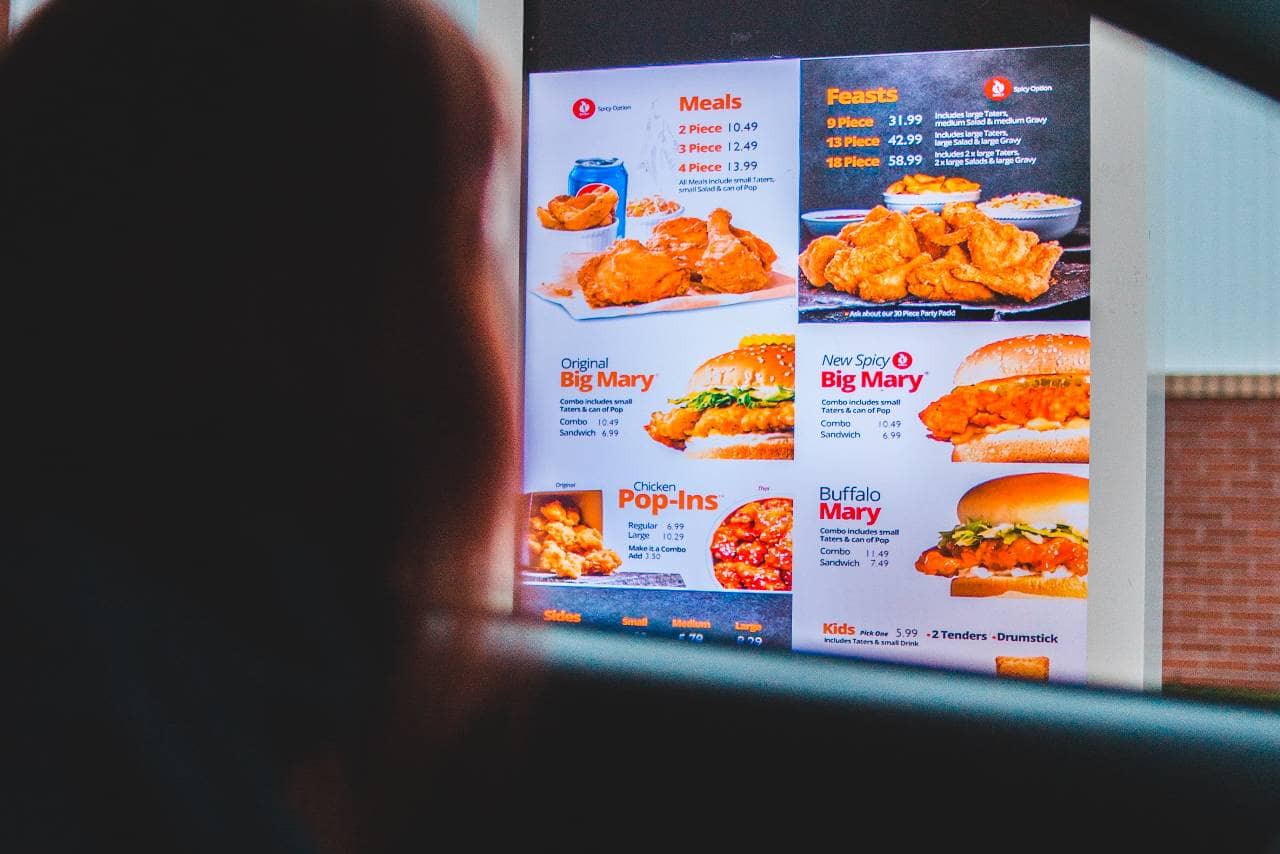
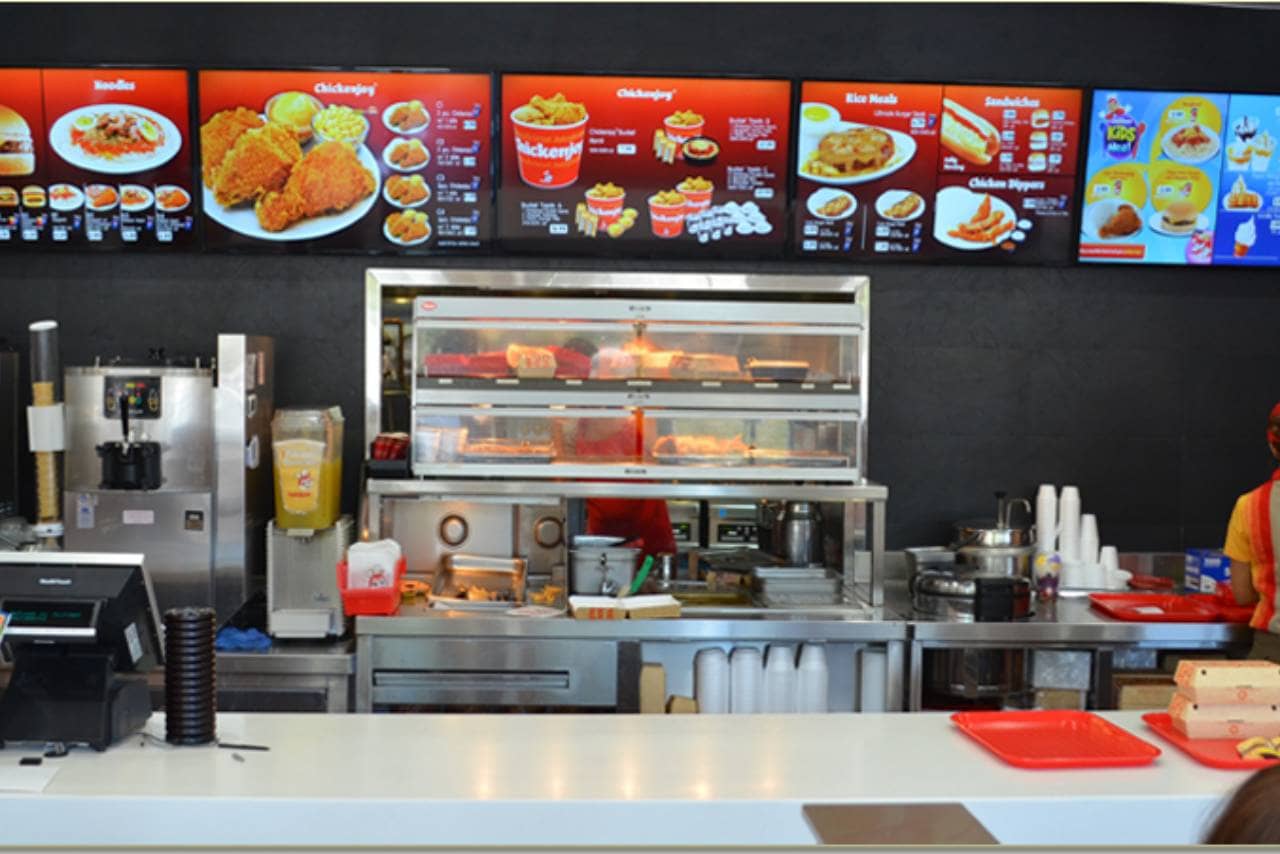
Digital menus utilize videos, graphics, and customized messaging to inform customers about menu items, display company information, and offer promotions. Read about how to create the best digital menu board for restaurants here.

More and more restaurants are switching out their printed menus or handwritten signage for digital menu boards, or boards that display menu items digitally. Digital menu boards are an aesthetically pleasing way to showcase product items, run advertisements, and direct customers to the company website or social media page. Boards are versatile, easy to update, an excellent outlet to market promotional items, and a unique way to entice customers. So, how can restaurant owners create the best digital menu? Read ahead to know some benefits, tips, examples, and best practices.

So, what are the benefits of restaurant menu boards? Digital menus provide an endless amount of ways to showcase a brand, upsell items, and create a call to action. Other benefits include-

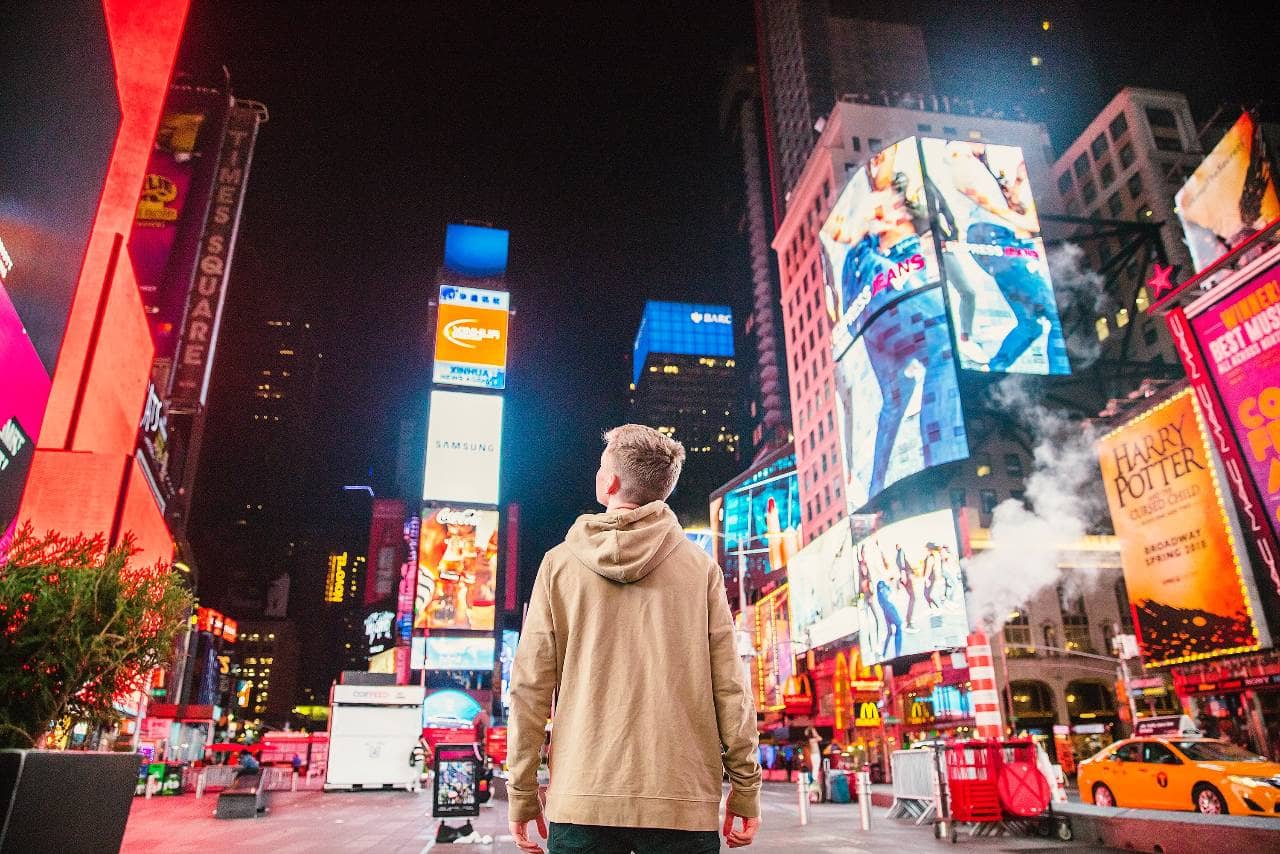
Here are some best practices for creating the best digital menu- Add Color Color choice depends on how the restaurant decors itself. The key is to try and pick a color scheme that contrasts against the wall the menu board is placed. A dark screen against a white wall, for example, can be a great way to attract attention. Also, try to pick just three primary colors to ensure displays don't detract from the message. Use Video & Movement Humans are naturally attracted to movement. In fact, 51% of marketing professionals worldwide name video as the type of content with the best return on investment. Cinemograph, (when one movement parallaxes against a completely static screen) is a frequently utilized advertising method. For example, putting an animated cup of coffee against its price is a great way to utilize cinemograph and bring attention to the coffee, rather than the price. Choosing Fonts Consider how far the screen will be from the furthest point of the audience and make sure the font is big enough to be seen from that vantage point. Utilize easy-to-read sans-serif fonts, such as Arial or Verdana, as viewers can clearly differentiate between the different characters within those font options. Use large sizes and avoid fonts in bright colors if there is already plenty of color throughout the menu board design, as too many bright colors can detract from the main message. Creating Action The purpose of the menu board is to entice customers to act (order). If they don't know what they want, then the board's purpose is to help facilitate their decision. Include messages such as ask about our specials or visit our website for a 2-for-1 promotion to help them narrow down a decision (or buy an additional item). Leaving the call to action on-screen at all times can help this message stay in the viewer's minds for the next time they order as well. Use Realistic Images Some digital menu board designers mistakenly use stock or generic images in place of unique visuals that would better portray a company's brand. Utilize real photos or videos of the company's food/drinks so customers can connect with what is actually being sold. Photograph items in natural daylight to avoid using a flash, as a flash can remove natural shadows and give menu dishes a flat appearance. For inspiration on proper angling and backdrop options, look on Instagram and Pinterest.

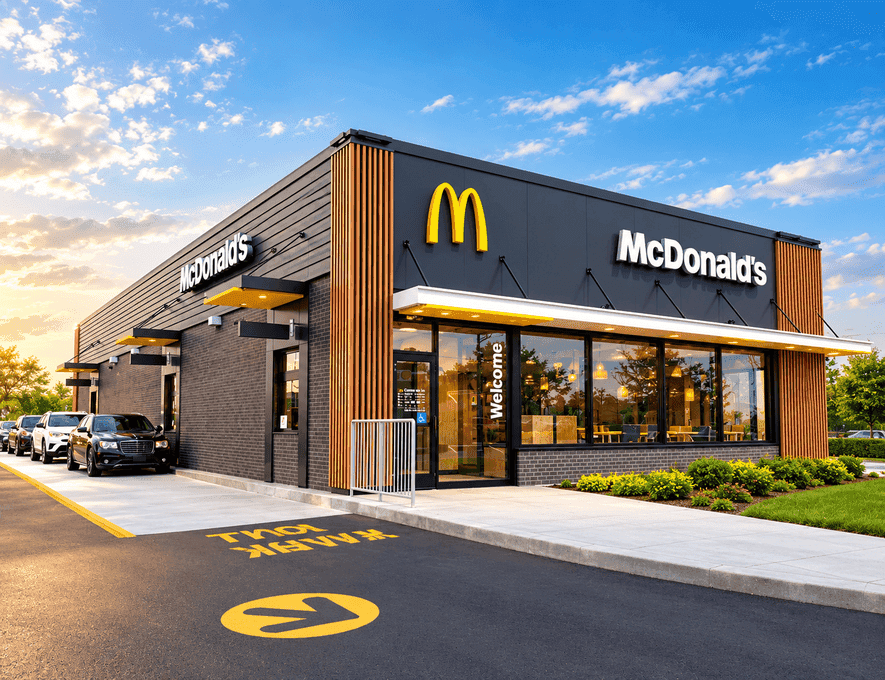
Here are some best practices for implementing a digital menu board, along with examples from 3 different restaurants. Content Management & Automation Larger fast-food chains can't always delegate content updates to individual franchise owners. New promotions are often implemented on a daily basis, and trying to communicate with thousands of individual locations to update their content each day isn't reasonable. This is why it's important for larger chains to automate their content from one location (i.e. the corporate office). For example, McDonald's corporate office used to email managers directly to tell them to make a content update to their board. Unfortunately, many managers didn't have proper training in utilizing digital menu software to make changes, or they didn't see the email updates. McDonald's resolved this by updating the content automatically from their corporate location. While smaller restaurant chains may have the option to delegate menu board updates to individual managers, larger ones don't. Finding a Target Audience(s) Restaurants need to have a content creation strategy before implementing their menu board. The strategy must include segmenting customers (i.e. college kids drink alcohol late at night, families eat breakfast in the morning) and then creating content tailored towards those different audiences. This allows restaurants to improve customer service, upsell items, and increase their revenue. For example, Mamuska Polish Kitchen & Bar began to keep track of who exactly came into their restaurant and when. They segmented their customers into 3 separate groups- Polish ex-pats in London, Polish tour groups, and London locals. They determined which group tended to eat at a particular time (i.e. locals and Polish tourists at dinner) and then pushed menu items tailored towards those groups on the menu board. (i.e. alcohol promotions at dinner for tourist groups). Strategize to Make a Unique Digital Display Simply putting up menu items and their prices on the board isn't always enough to generate results. Creating a strategy to market menu items through images, videos or powerful messaging is the best way to derive the most benefit from digital menu boards. To illustrate, Mitchell's Deli was only selling 4 out of 12 rotisserie chickens per week, and it was one of their signature items. They wanted to increase their chicken sales and utilize their menu board to do so. Mitchell's Deli hired a content creator who began filming the way the chickens were made in the kitchen. (Think the Food Channel). Then, they played the video on their digital menu board throughout the day. After a month they were selling out of all of their chickens on a daily basis.