







Restaurant Management Checklist for New Owners
A daily restaurant management checklist helps new owners organize employees, control costs, maintain food safety, improve customer service, and streamline operations.

Why Restaurant Owners Need a Daily Checklist
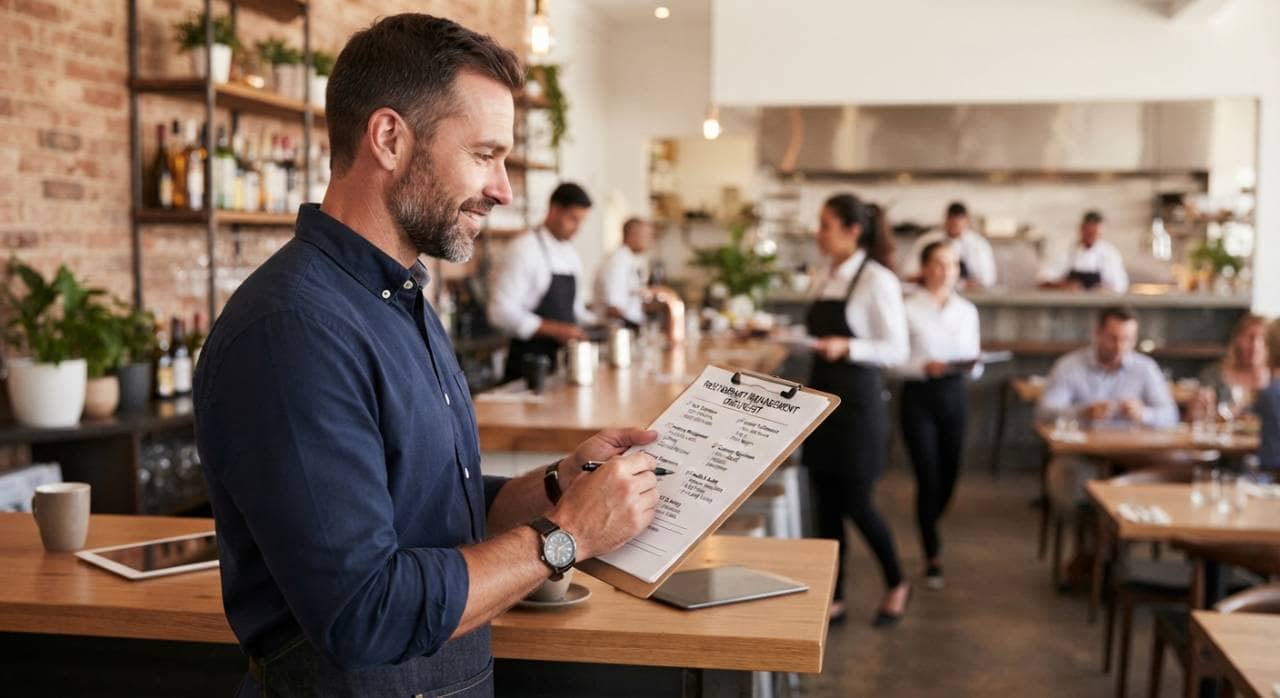
Managing a restaurant for the first time involves more than serving good food and keeping customers satisfied. Restaurant owners must oversee employees, monitor inventory, maintain food safety standards, control operating costs, and ensure daily operations run smoothly. With so many responsibilities competing for attention, important tasks can easily be overlooked without a clear management routine. A daily restaurant management checklist helps new owners organize responsibilities, establish consistent procedures, and maintain better control over restaurant operations. Instead of relying on memory or addressing problems as they arise, owners can follow a structured routine to ensure essential tasks are completed before, during, and after each shift. A well-organized checklist also helps restaurant owners - 1. Improve operational consistency - Establish standard procedures for opening, serving customers, managing employees, and closing the restaurant. 2. Control operating costs - Monitor inventory levels, food waste, labor expenses, and daily sales to identify unnecessary spending. 3. Maintain food safety - Ensure employees follow proper food handling, storage, cleaning, and sanitation procedures. 4. Improve employee accountability - Assign responsibilities, track task completion, and communicate daily expectations more effectively. 5. Deliver better customer service - Monitor service quality, order accuracy, dining conditions, and customer feedback. For new restaurant owners, developing these routines early creates a stronger foundation for long-term operational efficiency. The following restaurant management checklist covers eight essential areas to help owners organize daily responsibilities, prevent operational issues, and keep their restaurants running efficiently.
Prepare Your Restaurant Before Opening Each Day
Opening a restaurant requires more than unlocking the doors and turning on the lights. New restaurant owners need to ensure the facility, kitchen, equipment, and employees are ready before the first customers arrive. A consistent opening routine helps prevent operational delays, maintain cleanliness, and create a positive first impression. Use the following opening checklist to prepare your restaurant for daily service - 1. Inspect the dining area - Check tables, chairs, floors, windows, and restrooms to ensure everything is clean and ready for customers. Verify that table settings, menus, and service stations are properly arranged. 2. Check kitchen equipment - Inspect refrigerators, freezers, ovens, grills, fryers, and other essential appliances. Confirm that equipment is functioning correctly and that refrigeration units maintain appropriate temperatures. 3. Verify food preparation readiness - Ensure ingredients are available, properly stored, and prepared according to daily menu requirements. Check that kitchen workstations have the necessary utensils and supplies. 4. Review reservations and expected demand - Check upcoming reservations, catering orders, special events, and anticipated customer volume. This helps determine whether additional preparation or staffing adjustments are necessary. 5. Inspect safety and sanitation conditions - Confirm that handwashing stations, cleaning supplies, sanitizing solutions, and waste disposal areas are ready for use. 6. Prepare the front-of-house - Test the POS system, payment terminals, receipt printers, and other customer-facing technology. Make sure menus, promotional materials, and ordering systems are available. 7. Confirm utilities and security - Check lighting, ventilation, water supply, gas connections, and security systems before beginning operations. Opening inspections help identify problems before they affect customers or employees. Equipment malfunctions, missing ingredients, and unprepared workstations can delay service and increase operating costs. By following a standardized opening checklist, restaurant owners can establish a consistent starting point for every business day and ensure employees have what they need to perform their responsibilities.

Organize Employees and Manage Daily Work Schedules
Employee management is one of the most important responsibilities for new restaurant owners. Having the right employees available at the right times helps maintain service quality, control labor expenses, and prevent unnecessary disruptions. Without proper scheduling and clear task assignments, restaurants may experience understaffing during busy periods, excessive labor costs during slow shifts, or confusion about employee responsibilities. A daily staff management checklist helps owners organize shifts, communicate expectations, and keep employees accountable throughout the day. Use the following tasks to manage your restaurant workforce - 1. Review employee schedules - Check the daily schedule to confirm that enough employees are assigned to each shift. Consider expected customer traffic, reservations, special events, and historical sales patterns when evaluating staffing needs. 2. Track employee attendance - Monitor clock-in times, late arrivals, absences, and early departures. Accurate attendance records help identify scheduling problems and maintain reliable timekeeping information. 3. Assign daily responsibilities - Clearly distribute tasks among front-of-house and back-of-house employees. Assign responsibilities for food preparation, table service, cleaning, restocking, and other operational duties. 4. Conduct pre-shift meetings - Hold brief meetings before each shift to communicate daily priorities, menu changes, reservations, promotions, and potential service challenges. 5. Monitor employee productivity - Observe how employees handle their responsibilities during service. Identify workflow bottlenecks, uneven workloads, and opportunities to improve team coordination. 6. Manage labor costs - Compare scheduled hours with actual hours worked and monitor labor expenses against sales. Adjust staffing levels when appropriate without compromising customer service or employee well-being. 7. Address employee concerns - Make time to discuss scheduling conflicts, workplace challenges, and operational issues. Clear communication helps resolve problems before they affect restaurant performance. Effective workforce management helps restaurant owners maintain appropriate staffing levels while controlling labor costs. It also creates accountability by ensuring employees understand their responsibilities and daily expectations. Using restaurant workforce management technology can further simplify scheduling, attendance tracking, timekeeping, and labor monitoring, allowing owners to spend less time handling administrative tasks and more time overseeing restaurant operations.
Check Inventory and Monitor Food Supplies
Inventory management is essential for controlling food costs, preventing waste, and ensuring restaurants have enough ingredients to meet customer demand. New restaurant owners must monitor stock levels regularly to avoid running out of essential ingredients or purchasing more supplies than necessary. Poor inventory management can lead to spoiled food, unnecessary expenses, inconsistent menu availability, and lost sales. A daily inventory checklist helps owners understand what ingredients are available, what needs replenishment, and where potential waste is occurring. Use the following tasks to manage restaurant inventory - 1. Review current inventory levels - Check essential ingredients, beverages, packaging materials, and kitchen supplies. Identify items running low and determine whether additional orders are necessary. 2. Inspect food quality and expiration dates - Examine stored ingredients for signs of spoilage, damage, or improper storage. Remove expired products and prioritize ingredients approaching their expiration dates. 3. Follow FIFO inventory rotation - Use the First In, First Out (FIFO) method to ensure older ingredients are used before newer deliveries. Label products with receiving or preparation dates to improve stock rotation. 4. Monitor ingredient usage - Compare the quantities of ingredients used during service against expected consumption. Unusual differences may indicate overportioning, preparation errors, theft, or inaccurate inventory records. 5. Track food waste - Record discarded ingredients, spoiled products, preparation waste, and returned food. Identifying recurring waste patterns helps owners adjust purchasing quantities and improve food preparation procedures. 6. Check portion sizes - Ensure kitchen employees follow standardized recipes and portion guidelines. Consistent portions help maintain food quality while preventing unnecessary ingredient consumption. 7. Review supplier deliveries - Verify that delivered products match purchase orders in quantity, quality, and condition. Check delivery temperatures when applicable and report discrepancies to suppliers. 8. Prepare purchasing lists - Identify products that need replenishment and coordinate orders based on current stock levels, expected sales, and upcoming reservations. Consistent inventory monitoring helps restaurant owners maintain sufficient stock without tying up too much money in unnecessary purchases. It also makes it easier to identify food waste, control ingredient costs, and maintain menu availability. Using restaurant inventory management software can simplify stock tracking, purchasing, ingredient usage monitoring, and inventory reporting, giving owners better visibility into food costs and overall restaurant performance.
Maintain Food Safety, Cleanliness, and Restaurant Compliance
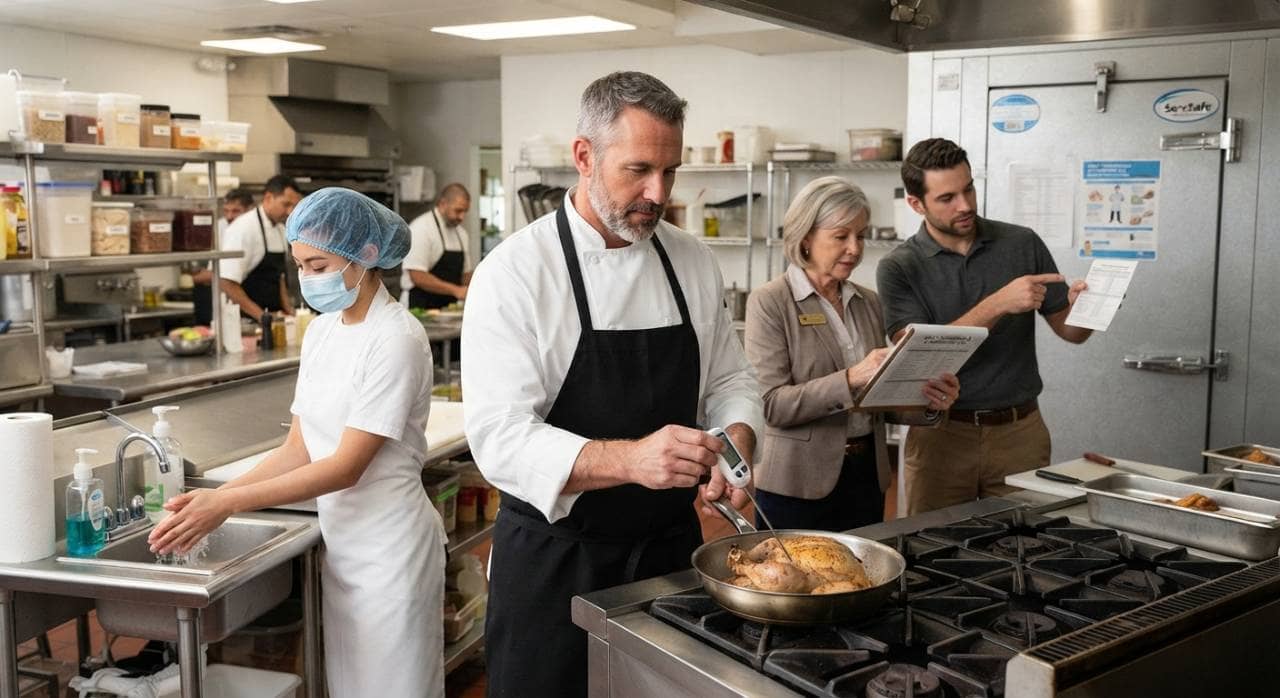
Food safety and sanitation should be daily priorities for every restaurant owner. Improper food handling, incorrect storage temperatures, and inadequate cleaning procedures can expose customers to foodborne illnesses and create serious compliance problems. New owners must establish clear food safety routines and ensure employees understand their responsibilities for maintaining a clean and safe environment. A daily food safety checklist helps restaurant owners identify potential hazards, maintain sanitation standards, and prepare for health inspections. Use the following tasks to maintain food safety and compliance - 1. Monitor food storage temperatures - Check refrigerators, freezers, and hot-holding equipment to ensure food stays within applicable food safety temperature requirements. Record readings and investigate temperature deviations immediately. 2. Verify proper food handling - Ensure employees wash their hands, use appropriate protective equipment, and follow safe procedures when handling raw and ready-to-eat ingredients. 3. Prevent cross-contamination - Keep raw meats, seafood, poultry, and ready-to-eat foods separated during storage and preparation. Use designated cutting boards, utensils, and preparation areas where appropriate. 4. Inspect cleaning and sanitation procedures - Confirm that kitchen surfaces, food preparation equipment, utensils, and dining areas are cleaned and sanitized regularly. Verify that sanitizing solutions are prepared and used according to instructions. 5. Check handwashing stations - Ensure sinks are accessible and stocked with soap, running water, and disposable paper towels. Remind employees to wash their hands at appropriate times. 6. Review employee food safety practices - Verify that employees follow established food safety procedures and have completed any required food handler training or certifications. 7. Maintain food safety records - Update temperature logs, cleaning schedules, equipment inspection records, and other required documentation. Accurate records help demonstrate that the restaurant follows established safety procedures. 8. Inspect waste disposal areas - Ensure garbage containers are covered, emptied regularly, and cleaned to prevent pests, unpleasant odors, and contamination. Maintaining food safety and cleanliness protects customers, employees, and the restaurant's reputation. Consistent inspections also help owners identify potential violations before they become more serious problems. Establishing daily sanitation routines, maintaining accurate records, and using digital food safety checklists can make it easier to monitor compliance and ensure employees complete their assigned responsibilities.
Monitor Customer Service and Restaurant Operations
Providing consistent customer service is essential to building customer loyalty and maintaining a positive restaurant reputation. New restaurant owners must pay attention to how customers experience every stage of their visit, from placing an order to receiving their food and completing payment. Small operational problems, such as long wait times, incorrect orders, or inattentive service, can negatively affect customer satisfaction. A daily customer service checklist helps owners identify service issues, maintain quality standards, and ensure employees deliver a consistent dining experience. Use the following tasks to monitor customer service and restaurant operations - 1. Check order accuracy - Monitor orders before they reach customers to ensure items, modifications, special requests, and dietary preferences are handled correctly. Work with kitchen and service employees to reduce order mistakes. 2. Monitor food preparation and service times - Track how long customers wait for orders, especially during peak hours. Identify kitchen bottlenecks, communication problems, or staffing shortages that contribute to delays. 3. Evaluate customer interactions - Observe how employees greet customers, take orders, respond to questions, and handle special requests. Reinforce service standards and provide guidance when improvements are needed. 4. Monitor table turnover - Check how efficiently tables are cleaned, reset, and made available for incoming customers. Maintain an appropriate balance between service speed and customer comfort. 5. Address customer complaints - Respond promptly to concerns about food quality, incorrect orders, billing errors, or service delays. Listen carefully, acknowledge the issue, and take appropriate corrective action. 6. Review customer feedback - Check online reviews, customer surveys, and direct feedback to identify recurring complaints or opportunities to improve the dining experience. 7. Maintain food presentation standards - Ensure dishes follow established recipes, portion sizes, plating guidelines, and presentation requirements before being served. 8. Inspect the dining environment - Check lighting, music volume, temperature, restroom cleanliness, table arrangements, and overall dining conditions throughout the day. Monitoring customer service helps restaurant owners identify problems before they affect customer retention and revenue. Regularly reviewing feedback, observing employee interactions, and tracking service performance also creates opportunities to improve daily operations. By establishing clear service standards and addressing customer concerns consistently, new owners can build a restaurant experience that encourages repeat visits and positive recommendations.
Monitor Daily Sales, Expenses, and Restaurant Performance
Understanding restaurant finances is essential for new owners who want to maintain profitability and make informed business decisions. Monitoring daily sales alone is not enough. Owners must also evaluate food costs, labor expenses, operating costs, and payment activity to understand how well the restaurant is performing. A daily financial management checklist helps identify unexpected expenses, track revenue patterns, and detect problems that could affect profit margins. Use the following tasks to monitor restaurant finances and performance - 1. Review daily sales reports - Check total revenue, transaction counts, average order values, and sales by menu category. Compare daily results with previous periods to identify changes in customer demand and purchasing patterns. 2. Monitor food costs - Compare ingredient expenses with food sales to evaluate whether food costs are within the restaurant's target range. Investigate unusual increases caused by supplier price changes, food waste, or inconsistent portion sizes. 3. Track labor expenses - Review employee hours, overtime, and total labor costs. Compare labor expenses with sales to determine whether staffing levels align with customer demand. 4. Monitor operating expenses - Review daily expenses related to utilities, supplies, maintenance, delivery services, and other operating requirements. Identify unnecessary spending and recurring expenses that need attention. 5. Reconcile payments and cash registers - Compare recorded POS transactions with cash, credit card, and other payment records. Investigate discrepancies, refunds, voids, and unusual discounts to maintain accurate financial records. 6. Evaluate menu item performance - Review sales by individual menu item to identify popular dishes, slow-moving products, and items that generate strong profit margins. Use these insights to guide menu pricing and purchasing decisions. 7. Monitor cash flow - Track incoming payments and upcoming financial obligations, including supplier invoices, payroll, rent, and utility bills. Maintaining sufficient cash reserves helps the restaurant meet its operating expenses. 8. Review key performance indicators (KPIs) - Monitor metrics such as average check size, food cost percentage, labor cost percentage, sales per labor hour, and gross profit margin to evaluate operational performance. Regular financial monitoring gives restaurant owners better visibility into revenue, expenses, and profitability. It also helps identify cost increases and operational inefficiencies before they become larger financial problems. Using restaurant management and POS reporting tools can simplify sales tracking, expense monitoring, and performance analysis, allowing new owners to make decisions based on accurate operational data rather than assumptions.
Complete Closing Procedures and Prepare for the Next Day
Closing procedures are just as important as opening tasks when managing a restaurant. New restaurant owners must ensure employees complete cleaning duties, secure food supplies, reconcile financial records, and prepare the facility for the next business day. Skipping these responsibilities can lead to food safety problems, inaccurate financial records, equipment damage, and unnecessary delays during the next opening shift. A structured closing checklist helps owners establish accountability and ensure the restaurant is properly secured before employees leave. Use the following tasks to complete daily restaurant closing procedures - 1. Reconcile cash registers and sales - Review end-of-day sales reports, verify cash balances, and compare POS transactions with recorded payment activity. Investigate discrepancies, refunds, and voided transactions before finalizing daily records. 2. Update inventory records - Record ingredient usage, remaining stock, food waste, and products that need replenishment. Prepare a purchasing list based on current inventory levels and expected demand for the following day. 3. Clean and sanitize workstations - Ensure kitchen counters, cooking equipment, utensils, floors, dining tables, and service areas are properly cleaned and sanitized. Assign specific closing responsibilities to employees. 4. Store food supplies correctly - Cover, label, and store ingredients in appropriate refrigeration or storage areas. Verify storage temperatures and follow food safety requirements for cooling and storing prepared food. 5. Inspect equipment and utilities - Check refrigerators, freezers, ovens, grills, and other essential equipment. Turn off equipment that does not need to remain operational and follow manufacturer instructions for safe shutdown procedures. 6. Secure the restaurant - Verify that cash, valuable equipment, and sensitive records are secured. Check doors, windows, alarms, and security cameras before leaving the premises. 7. Review unfinished tasks - Identify unresolved customer complaints, maintenance issues, supply shortages, and operational problems that require attention. Document these issues so they can be addressed during the next shift. 8. Prepare for the next business day - Review upcoming reservations, employee schedules, expected customer demand, and supplier deliveries. Communicate important updates to the team responsible for opening the restaurant. Consistent closing procedures protect restaurant assets, maintain food safety, and ensure accurate financial and inventory records. They also reduce the workload during the next opening shift by ensuring essential preparation tasks are completed in advance. By assigning clear closing responsibilities and tracking task completion, restaurant owners can maintain accountability and create a more organized daily operating routine.