

Restaurant Technology Should Fit the Manager's Workflow, Not the Other Way Around
Restaurant technology should simplify management workflows, improve employee adoption, automate repetitive tasks, and enhance operational efficiency without creating unnecessary complexity.

Why Restaurant Technology Should Adapt to Existing Workflows
Every restaurant operates differently. Staffing structures, service styles, inventory requirements, and management responsibilities vary depending on the size and type of business. A quick-service restaurant may prioritize order processing and employee scheduling, while a full-service restaurant may need more coordination between the kitchen, dining room, and management team. Because these operational requirements differ, restaurant technology should accommodate existing workflows rather than impose a rigid way of working. When software requires managers to change established processes unnecessarily, it can create friction throughout daily operations. Employees may need to follow unfamiliar procedures, managers may spend additional time learning new systems, and routine responsibilities can become more complicated. Instead of improving efficiency, technology becomes another obstacle that managers must work around. Restaurant owners should consider three important factors when evaluating whether technology fits their existing workflows - 1. Preserve effective management routines. Software should support processes that already work well. Managers should not have to abandon familiar scheduling, reporting, or communication methods unless the new approach offers a clear operational benefit. 2. Accommodate different operational requirements. Technology should provide enough flexibility to support different departments, shifts, employee responsibilities, and location-specific needs. A single rigid process may not work for every restaurant. 3. Simplify existing responsibilities. New systems should reduce unnecessary steps in everyday tasks. For example, managers should be able to access employee attendance information without switching between multiple platforms or manually compiling separate reports. Workflow compatibility also makes technology implementation more practical. When software aligns with how employees and managers already perform their responsibilities, the transition is easier to manage. Employees can focus on learning useful features rather than adjusting to entirely new procedures. Restaurant technology should improve the way a business operates without creating unnecessary changes. The goal is not to reorganize every management process around software. It is to use software that supports existing responsibilities while making daily operations more consistent, efficient, and manageable.
How Complicated Technology Creates More Work for Restaurant Managers
Restaurant managers have limited time to oversee employees, monitor daily performance, resolve operational issues, and maintain service quality. When restaurant technology is difficult to navigate or requires too many manual steps, it takes time away from these responsibilities. Instead of simplifying management, complicated software can introduce additional work that slows down daily operations. One common problem is managing multiple disconnected systems. Restaurant owners may use separate platforms for scheduling, timekeeping, inventory, accounting, and reporting. When these systems do not communicate effectively, managers must switch between applications to find information, enter the same data multiple times, or manually compare reports. These extra steps make routine responsibilities more time-consuming. Several technology-related problems can increase a manager's workload - 1. Duplicate data entry. When systems do not share information, managers may need to enter employee hours, inventory figures, or operational details into multiple platforms. This wastes time and increases the possibility of errors. 2. Complicated interfaces. Software with confusing menus, excessive features, or difficult navigation makes routine tasks harder to complete. Managers may spend unnecessary time searching for basic information or learning complicated processes. 3. Excessive notifications. Constant alerts about minor updates, reminders, and system activities can distract managers from more important responsibilities. Poorly organized notifications make it harder to identify issues that require immediate attention. 4. Manual reporting. When technology cannot generate useful reports automatically, managers must collect information from different sources and organize it themselves. This delays decision-making and increases administrative work. 5. Frequent platform switching. Moving between disconnected applications interrupts workflows and makes it harder to maintain a clear view of restaurant operations. These problems can also affect employees. When staff members must navigate complicated systems to clock in, check schedules, or complete assigned tasks, routine responsibilities become more frustrating. Restaurant owners should recognize that more technology does not automatically mean greater efficiency. Adding another platform without addressing existing workflow problems can increase complexity rather than improve performance. The priority should be selecting solutions that eliminate unnecessary steps, centralize important information, and help managers complete their responsibilities with less effort.
Why Flexibility Matters When Choosing Restaurant Technology
Restaurant operations rarely follow the exact same routine every day. Staffing levels change, customer demand fluctuates, employees work different shifts, and managers must adjust responsibilities based on operational needs. Technology that follows rigid processes may struggle to accommodate these changes. Restaurant owners should prioritize flexible systems that allow managers to adjust workflows without creating unnecessary administrative work. Flexible restaurant technology should accommodate the way each business operates. Rather than requiring every location or department to follow identical procedures, software should provide options that support different operational requirements while maintaining consistent standards. Here are four areas where flexibility makes a difference - 1. Customizable workflows. Managers should be able to configure routine processes based on their responsibilities. For example, scheduling tools should accommodate different shift structures, employee availability, labor requirements, and scheduling rules. 2. Role-based permissions. Restaurant owners should be able to assign system access according to employee responsibilities. General managers, shift supervisors, and hourly employees do not need access to the same information or controls. Appropriate permissions help maintain accountability without restricting necessary tasks. 3. Flexible reporting. Different managers need different operational information. A general manager may focus on labor costs and overall performance, while a kitchen manager may prioritize inventory usage and food costs. Reporting tools should make relevant information accessible without requiring managers to sort through unnecessary data. 4. Multi-location adaptability. Restaurant groups need technology that supports consistent processes across locations while accommodating differences in staffing, operating hours, and local requirements. Managers should be able to handle location-specific responsibilities without compromising company-wide visibility. Flexibility also becomes increasingly important as a restaurant grows. A system that works for a single location may need additional capabilities when the business expands, introduces new departments, or manages larger teams. Restaurant owners should avoid technology that requires them to replace established systems every time operational needs change. The right restaurant technology should provide structure without limiting flexibility. Managers need reliable tools that maintain consistency while giving them enough control to respond to everyday operational changes. When software accommodates these needs, it becomes a practical part of restaurant management rather than another process that employees must work around.
Prioritize Ease of Use in Restaurant Technology
Restaurant technology should be easy to understand and operate for everyone who interacts with it. Managers and employees work in fast-paced environments where they cannot afford to spend excessive time navigating complicated software. Even a system with advanced features can become a burden if users struggle to access basic functions or complete routine tasks. Ease of use directly affects how efficiently restaurant teams can incorporate technology into their daily responsibilities. When software has an intuitive interface, managers can access important information, complete administrative tasks, and make operational decisions without unnecessary delays. Restaurant owners should evaluate several usability factors before implementing new technology - 1. Simple navigation. Important functions should be easy to locate. Managers should be able to review schedules, monitor labor hours, access reports, and manage employee information without navigating through multiple menus. 2. Accessible information. Software should organize information in a clear and understandable format. Dashboards should highlight relevant operational data instead of overwhelming managers with unnecessary details. 3. Straightforward controls. Routine actions such as approving timecards, updating schedules, and reviewing inventory should require as few steps as reasonably possible. Simple processes reduce confusion and help employees complete tasks independently. 4. Mobile accessibility. Restaurant managers are not always working behind a desk. Mobile-friendly technology allows them to review schedules, check attendance, and access important operational information while moving between departments or locations. 5. Practical training requirements. Employees should be able to understand essential software functions without extensive training. Clear instructions and accessible support resources make it easier for teams to adopt new systems. Usability also influences the long-term value of a technology investment. When employees find software difficult to operate, they may avoid certain features, rely on manual processes, or repeatedly ask managers for assistance. This reduces the benefits the restaurant expected from implementing the system. Restaurant owners should therefore evaluate technology from the perspective of its everyday users, not just the features presented during a product demonstration. The best system is one that helps managers and employees complete their responsibilities with less effort, fewer interruptions, and greater confidence.
Improve Employee Adoption of Restaurant Technology
Implementing restaurant technology is only valuable when managers and employees actually use it as part of their daily responsibilities. Even well-designed software can fail to deliver its intended benefits if employees find it difficult to understand, inconvenient to operate, or disconnected from their everyday tasks. Restaurant owners should consider employee adoption an essential part of technology implementation rather than treating it as a separate concern. Employees are more likely to adopt technology when it makes their jobs easier instead of introducing additional responsibilities. For example, a scheduling system should make it easier for employees to check upcoming shifts and communicate availability. A timekeeping platform should simplify clock-ins, clock-outs, and timecard reviews rather than create complicated procedures. Restaurant owners can encourage stronger employee adoption through several practical steps - 1. Involve employees in the selection process. Managers and frontline employees understand the challenges they encounter during daily operations. Gathering their feedback before choosing software helps restaurant owners identify practical requirements and avoid systems that create unnecessary complications. 2. Explain the purpose of new technology. Employees should understand how a new system will improve their responsibilities. Explaining the benefits of digital scheduling, automated timekeeping, or task management can make the transition easier. 3. Provide role-specific training. Not every employee needs to understand every software feature. Training should focus on the functions each person uses regularly, allowing employees to learn the system without unnecessary information. 4. Introduce technology gradually. Implementing too many changes simultaneously can overwhelm employees. Restaurant owners should prioritize essential functions first and introduce additional capabilities as teams become comfortable with the system. 5. Collect feedback after implementation. Managers should regularly ask employees whether the technology is helping them complete tasks efficiently. Feedback can reveal navigation problems, confusing processes, and features that need adjustment. Employee adoption also depends on consistency. If different managers follow different procedures when using the same system, employees may become confused about expectations. Establishing clear guidelines helps maintain consistent usage across shifts and departments. Restaurant technology should support employees at every level, not just provide management with additional information. When systems are intuitive, practical, and aligned with everyday responsibilities, employees are more likely to use them consistently. This improves the value of the technology investment while helping managers maintain smoother restaurant operations.
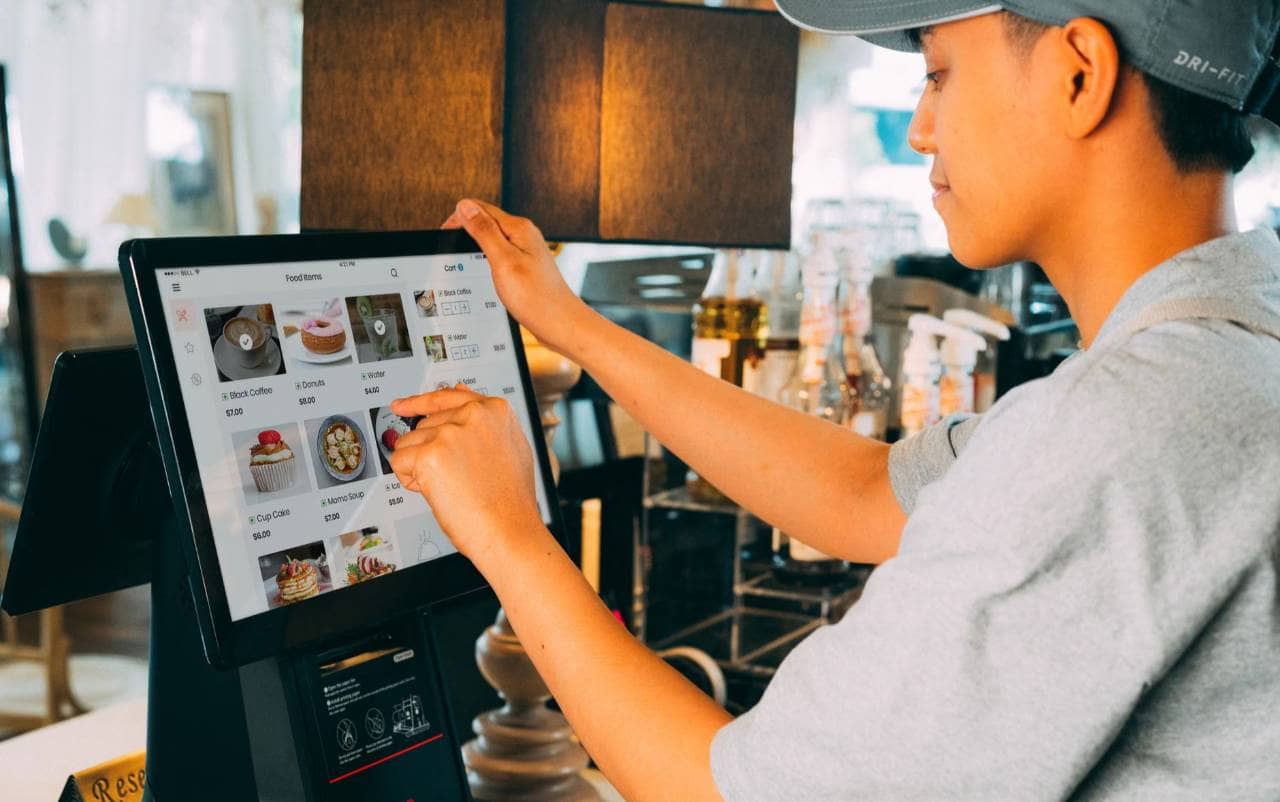
Measuring Restaurant Technology Efficiency
Restaurant owners should not measure the value of technology solely by the number of features it offers. A system may provide extensive functionality but still create unnecessary work if it does not improve daily operations. Evaluating its actual impact helps owners determine whether their technology investments are saving time, simplifying responsibilities, and supporting better management decisions. The most effective way to evaluate restaurant technology is to measure how it changes everyday workflows. Restaurant owners should compare operational performance before and after implementation, focusing on areas where technology is expected to reduce manual work or improve efficiency. Here are six important indicators to monitor - 1. Time spent on administrative tasks. Measure how much time managers spend preparing schedules, reviewing timecards, compiling reports, and completing routine paperwork. Effective technology should reduce the time required for these responsibilities. 2. Scheduling efficiency. Evaluate how long it takes to create employee schedules, adjust shift assignments, and respond to availability changes. Scheduling technology should simplify these processes without introducing additional approval steps. 3. Reduction in manual data entry. Track how often managers need to enter the same information into different systems. Integrated technology should reduce duplicate work and improve information consistency. 4. Employee adoption and system usage. Monitor whether employees regularly use the available features for scheduling, timekeeping, communication, and task management. Low adoption may indicate that the system is too complicated or does not fit employee workflows. 5. Accuracy of operational information. Review scheduling records, labor reports, attendance data, and inventory information for inconsistencies. Reliable technology should help managers access accurate information and reduce errors caused by manual processes. 6. Time spent resolving technology-related issues. Track how frequently managers need to troubleshoot software problems, correct system errors, or assist employees with basic functions. Excessive troubleshooting can indicate that the technology is creating more work than it eliminates. Restaurant owners should also collect feedback from managers and employees to understand how technology affects their daily responsibilities. Operational data can reveal measurable changes, while employee feedback helps explain why certain processes have improved or become more difficult. It is important to evaluate these indicators regularly rather than relying on initial implementation results. Restaurant operations change over time, and technology that once supported business needs may become less effective as staffing structures, locations, and management responsibilities evolve. Ultimately, technology should deliver measurable improvements to restaurant operations, not simply add more digital processes. When managers spend less time on administrative work and more time overseeing employees, controlling costs, and maintaining service quality, technology is fulfilling its intended purpose.
Build a Technology Environment That Supports Your Team
Restaurant technology should work as a connected part of daily operations rather than a collection of separate tools that managers must constantly coordinate. When scheduling, timekeeping, inventory, accounting, and reporting systems operate independently, managers often spend extra time switching platforms, transferring information, and checking records. A well-organized technology environment reduces these interruptions and helps employees complete their responsibilities more efficiently. Building the right technology environment requires restaurant owners to focus on how systems support actual workflows. Consider the following priorities - 1. Connect essential management functions. Choose technology that allows different operational systems to share relevant information. Integrating scheduling, timekeeping, inventory, and accounting tools can reduce duplicate data entry and make important information easier to access. 2. Automate repetitive responsibilities. Identify tasks that regularly consume management time, such as reviewing employee hours, preparing reports, monitoring inventory, and updating schedules. Automation can reduce manual work and allow managers to focus on higher-priority operational decisions. 3. Maintain visibility across locations. Multi-location restaurants need centralized access to operational information without restricting individual managers from handling location-specific responsibilities. Technology should support consistent standards while accommodating differences between locations. 4. Avoid unnecessary software features. More functionality does not always mean better performance. Restaurant owners should prioritize solutions that address specific operational challenges rather than investing in complicated systems with features their teams rarely use. 5. Evaluate systems as operations change. Restaurant requirements evolve as businesses expand, staffing structures change, and management responsibilities increase. Regularly reviewing technology helps owners identify outdated processes, integration problems, and opportunities to simplify workflows. Another important consideration is how technology supports communication and decision-making. Managers should be able to access relevant information without requesting multiple reports or contacting different departments. For example, connecting scheduling and timekeeping information can help managers compare planned labor hours with actual attendance and identify potential scheduling issues. AI-powered technology can further improve operational efficiency by helping managers analyze information, identify patterns, and automate routine processes. However, these capabilities should complement existing workflows rather than introduce additional monitoring responsibilities or complicated procedures.