




How to Maintain Consistency Across Multiple Restaurant Locations
Maintain restaurant consistency across multiple locations through standardized recipes, employee training, customer service, operating procedures, centralized technology, and regular performance monitoring.


Overview
Managing multiple restaurant locations requires more than overseeing daily operations. Restaurant owners must ensure that every location delivers the same food quality, customer service, and overall dining experience. As a restaurant business expands, maintaining these standards becomes increasingly difficult. Differences in employee training, management practices, ingredient quality, and operating procedures can create inconsistencies that affect customer satisfaction and brand reputation. Consistency is important because customers expect the same experience whenever they visit a restaurant, regardless of its location. If food portions, menu preparation, service quality, or cleanliness vary between locations, customers may lose confidence in the brand. These inconsistencies can also lead to negative reviews, reduced customer loyalty, and missed revenue opportunities. Maintaining consistent standards also helps restaurant owners control operational costs and improve efficiency. Standardized procedures make it easier to manage food inventory, monitor labor expenses, train employees, and evaluate performance across locations. They also give restaurant managers clear expectations for handling daily responsibilities. To maintain consistency, restaurant owners need a structured approach that covers every part of their operations. This includes standardizing recipes, establishing customer service guidelines, implementing employee training programs, documenting operating procedures, and monitoring performance across all locations. By creating clear standards and using centralized management processes, restaurant owners can deliver a reliable customer experience while maintaining better control over their growing restaurant business.
Standardize Recipes and Food Preparation Procedures
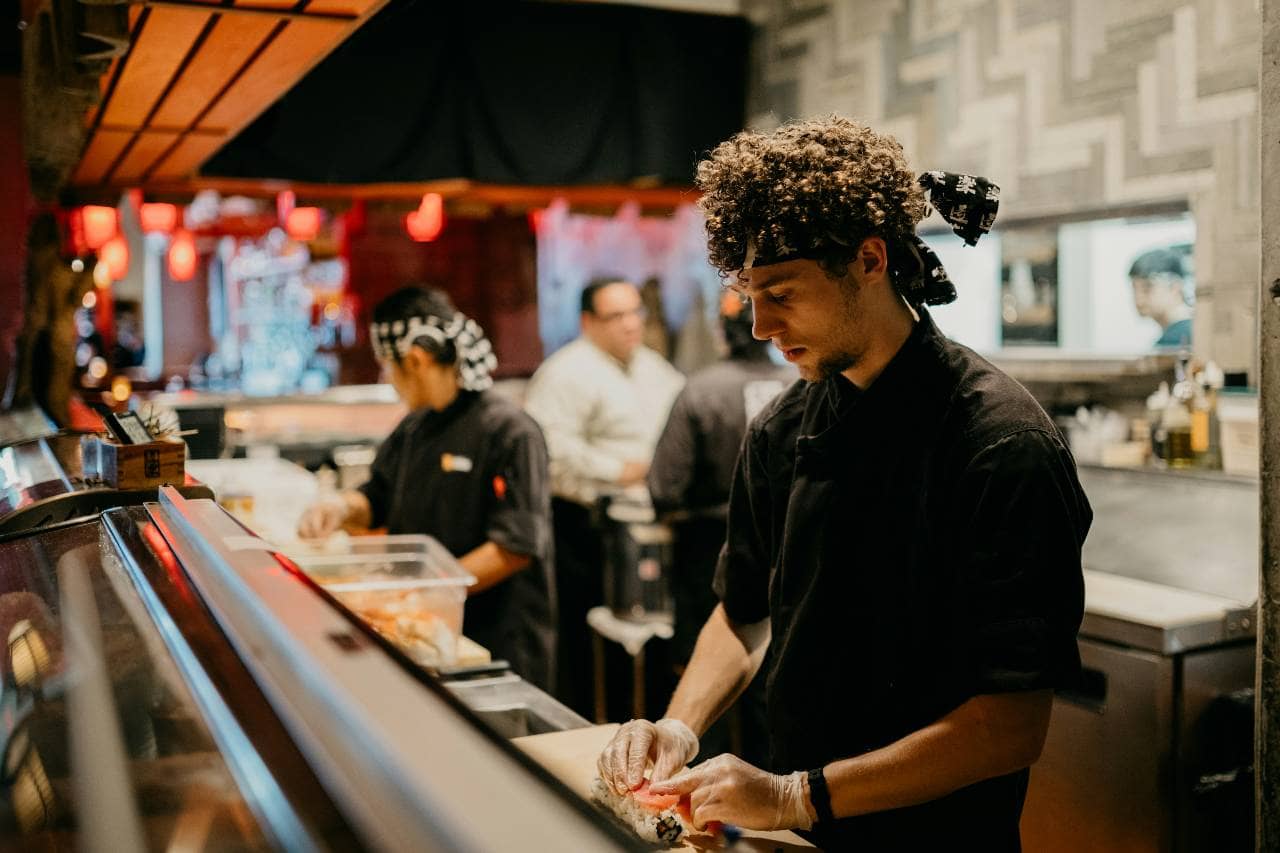
Maintaining consistent food quality across multiple restaurant locations starts with standardizing recipes and food preparation procedures. Customers expect their favorite meals to taste, look, and feel the same regardless of which location they visit. Without clear preparation standards, differences in ingredient quantities, cooking methods, and portion sizes can affect food quality and increase operating costs. Restaurant owners should establish standardized recipes that every kitchen follows. Each recipe should include exact ingredient quantities, preparation instructions, cooking temperatures, cooking times, and portion sizes. Documenting these details reduces guesswork and helps kitchen employees prepare menu items consistently. Consider the following practices to standardize food preparation - 1. Create standardized recipe cards. Document ingredients, measurements, preparation steps, cooking instructions, and plating requirements for every menu item. 2. Establish portion control standards. Use measuring tools, portion scoops, and food scales to ensure consistent serving sizes and prevent unnecessary food waste. 3. Define food presentation guidelines. Provide clear instructions for plating, garnishing, and packaging so meals maintain the same appearance across locations. 4. Standardize ingredient specifications. Establish purchasing requirements for ingredient quality, product sizes, brands, and acceptable substitutions. 5. Implement food safety procedures. Set consistent standards for food storage, temperature monitoring, handling, and sanitation across all kitchens. Restaurant owners should also conduct regular food quality inspections to verify that employees follow established recipes and preparation methods. Kitchen managers can use standardized checklists to evaluate portion sizes, food presentation, cooking temperatures, and ingredient freshness. Additionally, any recipe changes should be communicated to every location simultaneously. Updating recipe documentation and training employees on new preparation requirements helps prevent individual locations from developing different methods. By standardizing recipes and food preparation, restaurant owners can maintain consistent menu quality, control food costs, reduce waste, and deliver the same dining experience across every location.
Establish Consistent Customer Service Standards
A restaurant's reputation depends not only on the food it serves but also on how customers are treated. When operating multiple locations, restaurant owners must ensure that guests receive a comparable level of service at every establishment. Differences in staff interactions, order accuracy, and complaint handling can create uneven customer experiences and weaken brand recognition. The first step is to develop a clear customer service framework that outlines employee expectations and defines how customer interactions should be handled. Rather than allowing each location to establish its own service approach, restaurant owners should communicate shared expectations that managers can reinforce during daily operations. Here are several ways to create a consistent service experience - 1. Set hospitality expectations. Define how employees should welcome guests, respond to questions, assist with menu selections, and maintain a professional attitude. 2. Improve order accuracy. Establish procedures for verifying orders, recording special requests, and communicating modifications to kitchen staff. 3. Set service performance targets. Define expected response times for seating, order processing, food delivery, and payment handling. 4. Develop complaint management guidelines. Give employees clear steps for addressing customer concerns, offering appropriate solutions, and involving supervisors when necessary. 5. Align service practices across locations. Ensure that every restaurant follows the same customer service policies, regardless of differences in staffing or management. Restaurant owners should also give location managers responsibility for evaluating service performance. Managers can observe employee interactions, review customer complaints, and assess whether service expectations are being met during different shifts. Customer feedback provides another useful source of information. Reviewing online ratings, surveys, and recurring complaints can reveal whether certain locations struggle with long wait times, order mistakes, or employee responsiveness. These findings help owners determine where additional coaching or process adjustments are needed. A consistent approach to customer service helps restaurant owners protect their brand reputation, build customer trust, and ensure that every location delivers an experience that meets the same expectations.
Create Standardized Employee Training Programs
Employees play a major role in determining how consistently a restaurant operates. When managing several locations, differences in employee knowledge, experience, and work habits can lead to variations in food preparation, customer interactions, and daily responsibilities. Restaurant owners need a structured training approach that prepares employees to follow the same operational expectations, regardless of where they work. A centralized training program gives every employee access to the same instructions, resources, and performance expectations. It also helps restaurant managers onboard new hires more efficiently and address skill gaps among existing staff. Restaurant owners can strengthen employee training by focusing on these areas - 1. Develop a consistent onboarding process. Introduce new hires to company policies, workplace expectations, job responsibilities, and restaurant procedures using the same training materials across locations. 2. Provide role-specific instructions. Create separate training resources for kitchen staff, servers, cashiers, shift supervisors, and restaurant managers to address their daily responsibilities. 3. Use practical demonstrations. Combine written instructions with hands-on training so employees can learn equipment operation, food preparation techniques, customer service practices, and safety procedures. 4. Schedule recurring training sessions. Organize periodic refreshers to reinforce important skills and communicate changes to menus, policies, or operational requirements. 5. Evaluate employee knowledge. Use assessments, supervisor observations, and performance reviews to determine whether employees understand and apply established procedures. Restaurant owners should also establish a system for sharing training updates across all locations. Whenever a menu item, operating procedure, or company policy changes, managers should receive updated materials and communicate the information to their teams. Additionally, location managers should be responsible for tracking employee training completion and identifying individuals who need further instruction. Centralized training records make it easier to monitor progress and ensure that employees across the organization meet the same requirements. Investing in standardized employee training helps reduce operational mistakes, improve workforce performance, and ensure that every restaurant location follows the same service and operational expectations.
Implement Standard Operating Procedures (SOPs)
As a restaurant business grows, relying on individual managers to decide how daily tasks should be performed can create operational differences between locations. One restaurant may follow strict cleaning routines, while another may handle inventory counts or shift handovers differently. Standard Operating Procedures (SOPs) help eliminate these variations by providing employees with documented instructions for completing essential tasks. Restaurant owners should develop an operations manual that outlines how routine activities must be performed throughout the business. These instructions should be practical, easy to understand, and accessible to employees at every location. Important areas to include in restaurant SOPs are - 1. Opening and closing activities. Document daily responsibilities such as preparing workstations, checking equipment, securing cash, cleaning facilities, and completing end-of-day reports. 2. Cleaning and sanitation. Establish cleaning schedules, assign responsibilities, and specify sanitation requirements for kitchens, dining areas, restrooms, and storage spaces. 3. Inventory handling. Define procedures for receiving deliveries, inspecting ingredients, recording stock levels, storing products, and reporting discrepancies. 4. Cash and payment management. Provide instructions for processing transactions, balancing registers, handling refunds, and documenting cash discrepancies. 5. Equipment maintenance. Outline inspection schedules, cleaning requirements, and reporting procedures for damaged or malfunctioning equipment. Once these procedures are documented, restaurant owners should distribute them to location managers and ensure employees can access the instructions relevant to their roles. Digital operations manuals can make this process easier by allowing management to update documents and communicate procedural changes across locations. It is equally important to review SOPs regularly. Restaurant operations, equipment, menu requirements, and business policies can change over time. Outdated instructions may create confusion and cause employees to follow different practices. Establishing clear SOPs gives restaurant employees a common operational framework. It also makes management responsibilities easier to delegate, reduces confusion during daily shifts, and helps restaurant owners maintain greater control over multiple locations.
Use Restaurant Technology to Centralize Operations
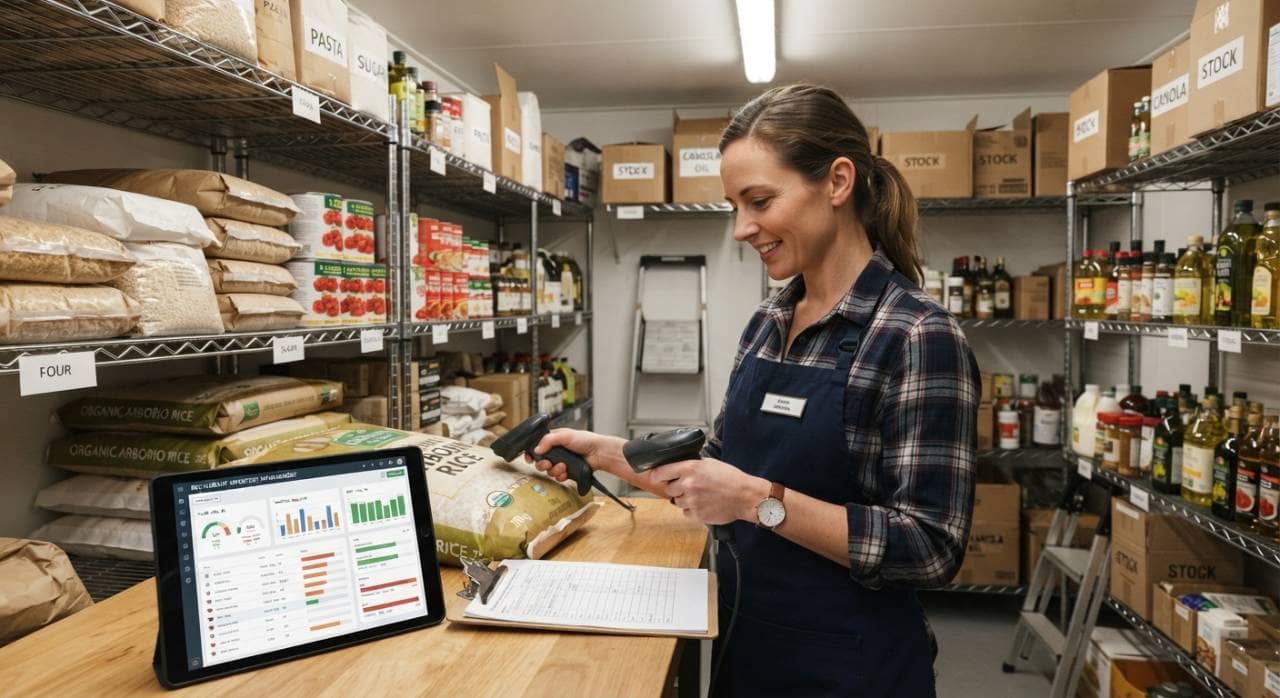
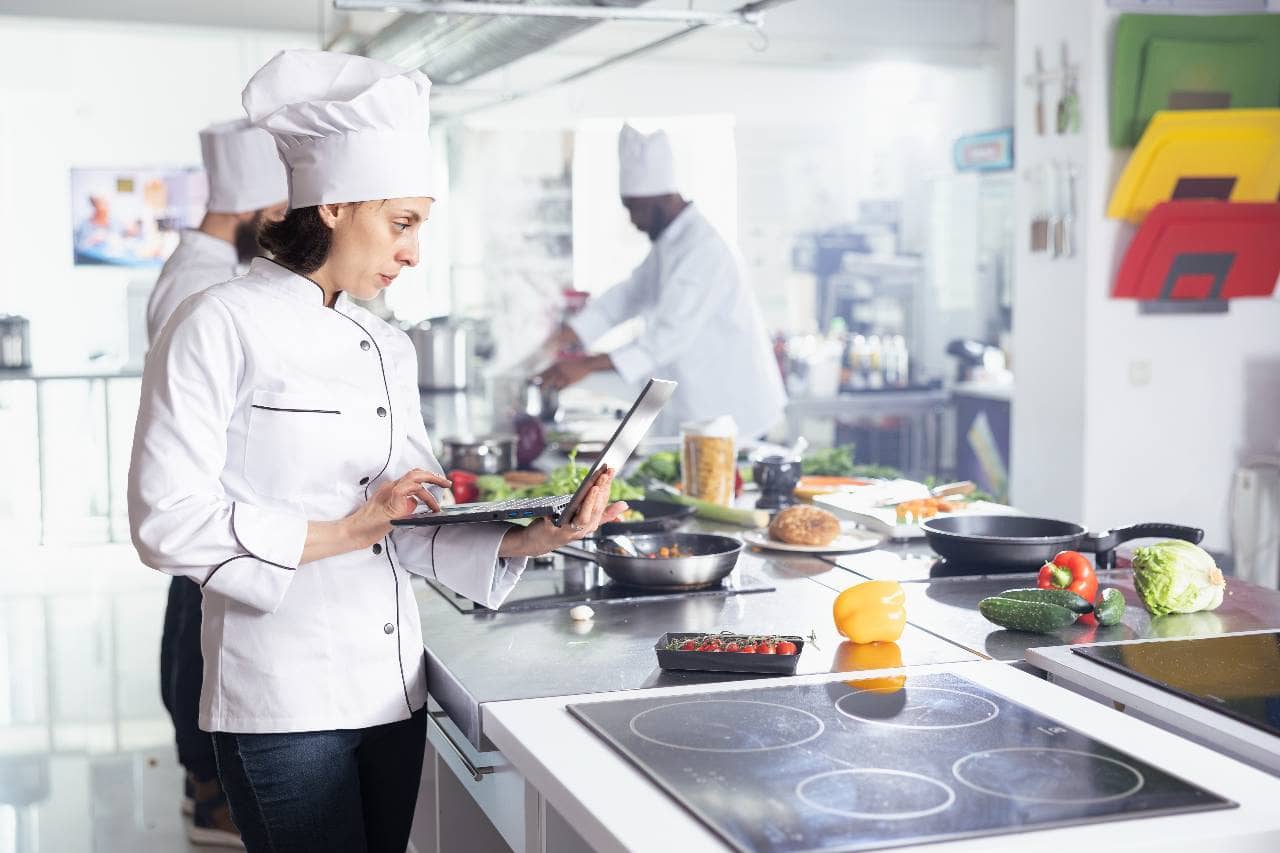
Overseeing several restaurant locations becomes more complicated when managers rely on separate systems, spreadsheets, and manual reports to handle daily responsibilities. Scattered information makes it harder for restaurant owners to identify operational problems, compare results, and ensure that every establishment follows the same business standards. Restaurant technology can simplify these responsibilities by bringing essential operational information into a centralized platform. A centralized restaurant management system allows owners to monitor different aspects of their business without depending entirely on individual location reports. Instead of collecting information from separate sources, management can access important data through connected tools and standardized reporting. Consider these ways technology can support multi-location restaurant operations - 1. Centralize workforce management. Use scheduling and timekeeping tools to coordinate employee schedules, monitor attendance, track working hours, and review labor expenses across locations. 2. Improve inventory visibility. Monitor stock levels, purchasing activities, ingredient usage, and inventory discrepancies to maintain better control over food supplies. 3. Standardize financial reporting. Consolidate sales, expenses, and accounting information to compare financial performance between restaurant locations. 4. Automate routine responsibilities. Use digital tools to manage recurring tasks, generate reports, send operational alerts, and reduce time spent on manual administrative work. 5. Monitor location-level performance. Access centralized dashboards to evaluate important business metrics and identify operational areas that require attention. Restaurant owners should prioritize technology that allows different locations to operate within the same management framework. Integrating workforce management, inventory tracking, accounting, and reporting processes can reduce disconnected workflows and improve information sharing between management teams. Another important consideration is accessibility. Cloud-based restaurant management systems allow authorized managers and owners to review operational information remotely, making it easier to oversee daily activities without being physically present at every establishment. Using centralized technology helps restaurant owners improve operational visibility, reduce administrative workloads, and maintain consistent management practices as their restaurant business expands.
Monitor Performance and Conduct Regular Operational Audits
Establishing operational standards is only the first step toward maintaining consistency across multiple restaurant locations. Restaurant owners must also verify that these expectations are being followed in everyday operations. Without regular performance reviews and inspections, small operational differences can develop into larger problems that affect food quality, employee productivity, and customer satisfaction. A practical way to maintain oversight is to establish a set of performance indicators that every location must track. Using the same metrics makes it easier to evaluate individual restaurants, recognize performance gaps, and determine where management attention is needed. Some important metrics to monitor include - 1. Food cost percentage. Measure ingredient expenses against food sales to identify excessive spending, portioning issues, and inventory waste. 2. Labor cost percentage. Compare labor expenses with revenue to evaluate staffing efficiency and identify scheduling problems. 3. Customer satisfaction. Review customer ratings, complaints, and feedback to assess whether service expectations are being met. 4. Order accuracy. Track incorrect or incomplete orders to identify weaknesses in communication and order preparation. 5. Inventory variance. Compare recorded inventory levels with actual stock counts to uncover discrepancies, waste, or improper inventory handling. 6. Sales performance. Evaluate revenue trends across locations to understand differences in customer demand and overall business performance. In addition to reviewing these metrics, restaurant owners should schedule operational audits to examine how each location follows established procedures. Inspections can cover kitchen cleanliness, food storage, employee practices, equipment maintenance, and customer service standards. Using the same audit checklist across locations helps ensure that evaluations follow consistent criteria. When an audit or performance report reveals a problem, management should document the findings and assign corrective actions to the responsible location manager. Follow-up inspections can then determine whether the necessary improvements have been implemented. Regular performance monitoring gives restaurant owners a clearer understanding of how each establishment operates. It also creates accountability among location managers and helps maintain consistent business standards as the restaurant portfolio grows.