

Wonder's Grubhub Experiment Is Already Over
Less than two years after buying Grubhub for $650 million, Wonder is shopping it to Walmart, Target, and Kroger ahead of a planned IPO.

A Quiet Sale In Motion
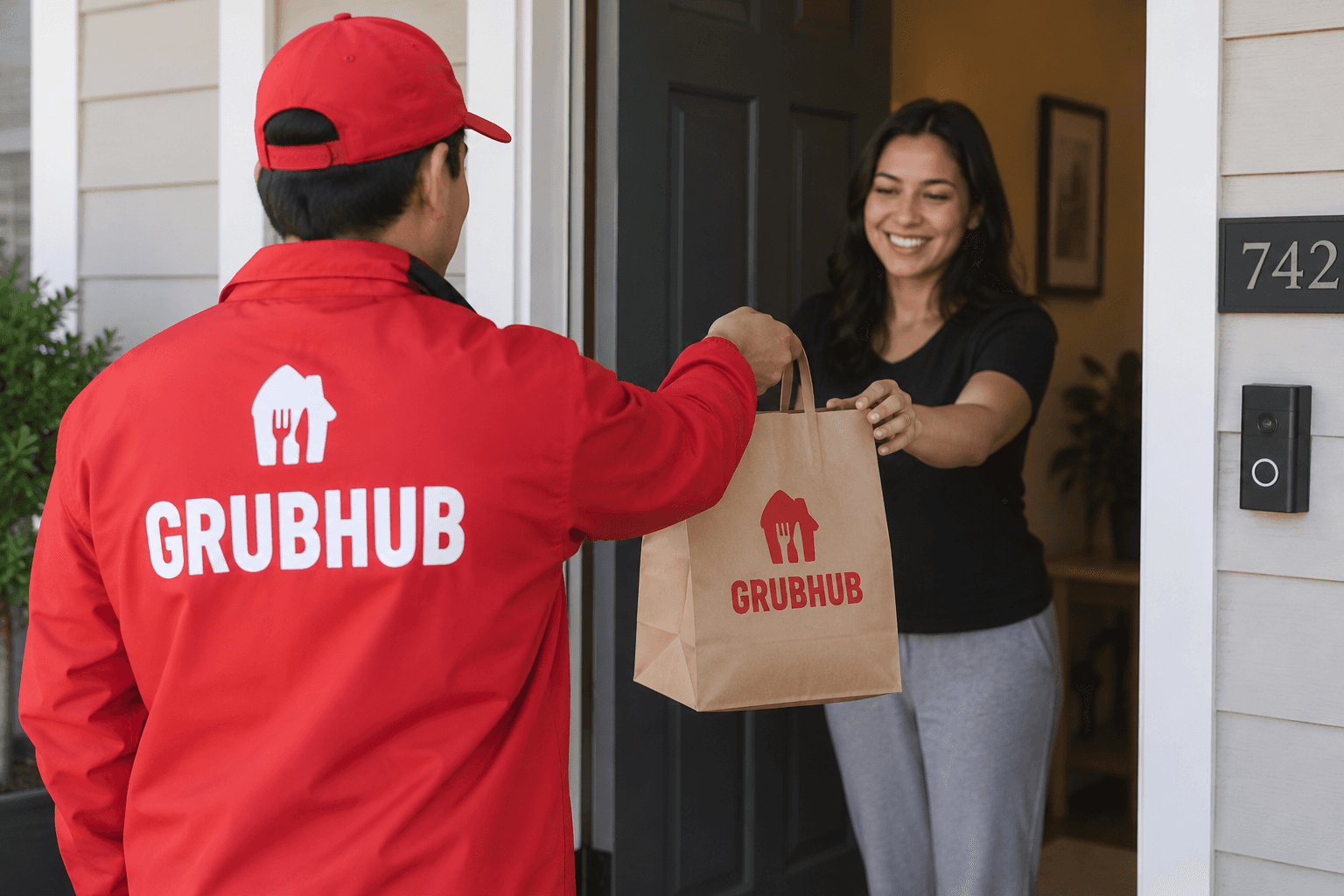
Less than two years after buying Grubhub for $650 million, Wonder is quietly shopping it around. Bankers working the deal have called Walmart, Target, and Kroger, according to a Wall Street Journal report citing people familiar with the matter.
The timing says almost as much as the sale itself: Wonder is simultaneously laying groundwork for an initial public offering that could land as early as next year, on the back of a recent fundraise that valued the company north of $9 billion. A Wonder spokesperson had not responded to a request for comment as of publication, so for now the company's own account of why it's walking away remains unconfirmed.
How Grubhub Lost Most Of Its Value
To understand how strange this moment is, it helps to remember where Grubhub came from. The company sold for about $7.3 billion to Netherlands-based Just Eat Takeaway.com back in 2021, during the height of pandemic delivery mania.
By last January, when Wonder acquired it, that number had collapsed to $650 million. A $7.3 billion company turning into a $650 million one in roughly three years tells you most of what you need to know about how brutally the delivery wars have gone for anyone who isn't DoorDash or Uber Eats.
The Push To Make Grubhub Work
Wonder didn't buy Grubhub to let it drift. The company revived the Seamless brand in New York City, pushed an affordability campaign with free delivery on $50 orders, and even put George Clooney in a Super Bowl commercial to sell the idea.
It folded Grubhub restaurant listings directly into its own app and cut about 23% of Grubhub's workforce as it merged the two operations. None of it moved the needle enough. Grubhub has stayed well behind DoorDash and Uber Eats in market share the entire time, even as Wonder kept insisting publicly that things were getting better.
A Shopping Spree Running In Reverse
This isn't really a Grubhub story so much as a Wonder story. Over the past three years, Wonder has been one of the most aggressive acquirers in food, scooping up Blue Apron, Tastemade, Spyce robotics, and a handful of restaurant brands to build out a vertically integrated operation.
The shopping spree has only recently started running in reverse. In September, Wonder sold Grubhub's Campus Dining division to DoorDash for $300 million, framing it at the time as a move to sharpen focus on the core business. Shopping the rest of Grubhub now looks like the second half of that same decision, not a new one.
Why Walmart, Target, And Kroger
The buyer list is the part worth sitting with. Walmart has spent this year pushing hard into restaurant delivery through its Spark network, so Grubhub's delivery infrastructure fits neatly into something it's already building.
Target and Kroger aren't in restaurant delivery at all right now, though both already run grocery and product delivery operations, which makes a Grubhub purchase look less like a bolt-on and more like a door opening into a category they haven't entered. Wonder going outside the usual delivery-app buyers suggests it's less interested in squeezing out the highest bid from DoorDash or Uber Eats and more interested in finding someone who'd actually use Grubhub differently.
A Sector Still Rearranging Itself
That search is happening against a backdrop of a delivery sector that keeps rearranging itself. Uber Eats is acquiring ezCater. DoorDash is working toward acquiring Instacart, pending Justice Department antitrust review.
Set next to the earlier $300 million Campus Dining sale, a full Grubhub exit would read less like a turnaround story cut short and more like a brand being broken into pieces and absorbed elsewhere. Should Walmart, Target, or Kroger end up as the buyer, it would mark something new too: a traditional retailer deciding it wants to own restaurant delivery infrastructure outright instead of just partnering with the apps that already run it.
A Simpler Story For Investors
What happens next still depends on details nobody has nailed down yet, including price, timeline, or whether any of the contacted retailers have moved past a preliminary conversation.
But the shape of the strategy is coming into view. Wonder spent three years acquiring aggressively and is now trimming back toward whatever it considers its true core, a multibrand food outlet operator rather than a sprawling collection of delivery bets with uneven results. Walking into an IPO with Grubhub's underperformance still on the books is a harder story to tell investors than walking in without it. If this sale closes, Wonder won't just be lighter. It'll be betting that a simpler story is worth more than the empire it spent three years building.