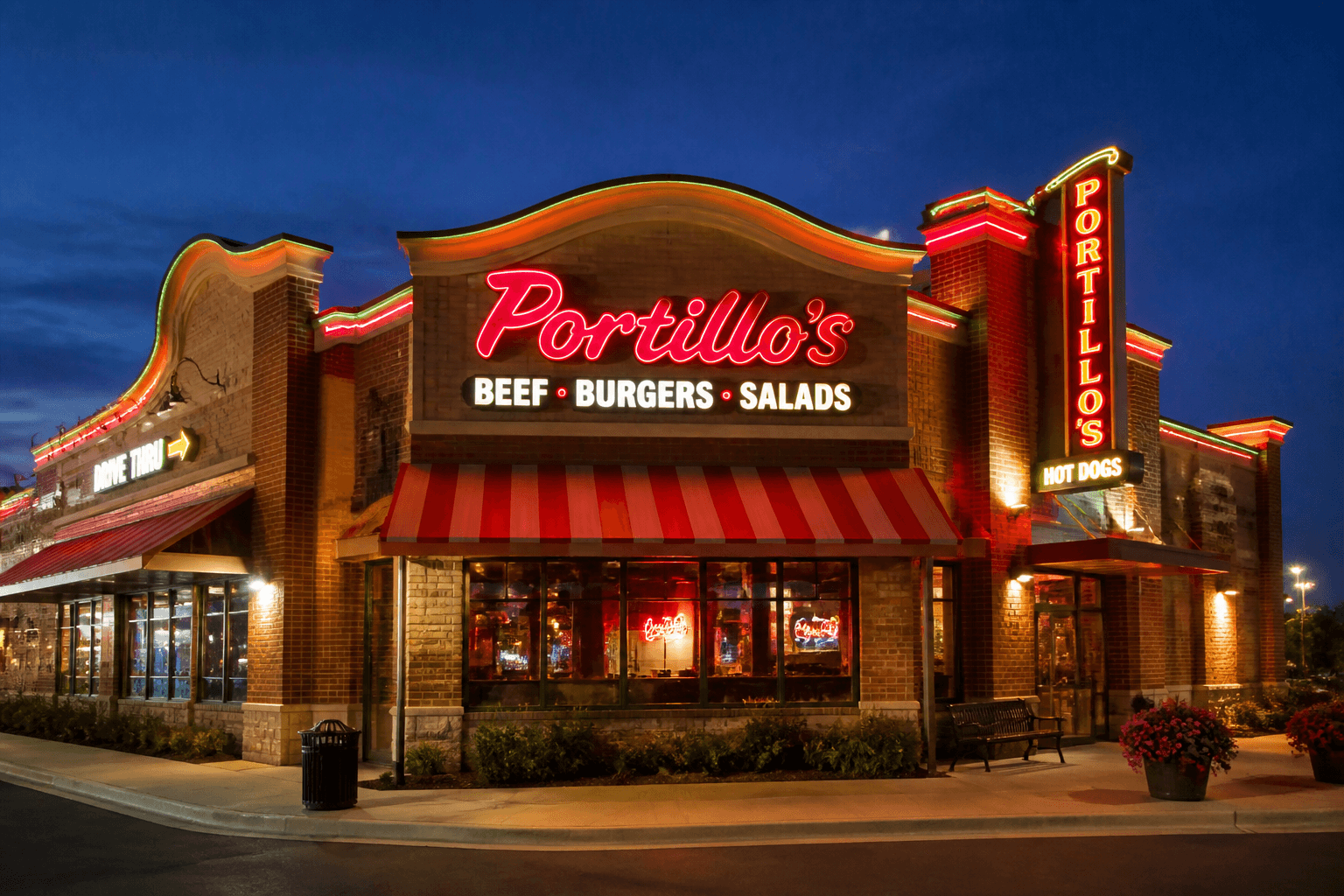
Portillo's Loses Culture Chief Amid Turnaround
Portillo's chief people officer Jill Waite departs as new CEO Brett Patterson reshapes leadership with layoffs and fresh executive hires.
Workforce
Oct 6, 2026
Portillo's chief people officer Jill Waite departs as new CEO Brett Patterson reshapes leadership with layoffs and fresh executive hires.
Oct 6, 2026

Uber is paying $2.3 billion to acquire ezCater, merging its catering network into Uber Eats and Uber for Business to enter workplace catering.
Oct 6, 2026
A new lawsuit claims McDonald's pricing tool pressures franchisees into algorithmic price-fixing, raising fresh antitrust questions for the chain.
Oct 6, 2026

True Food Kitchen filed for Chapter 11 bankruptcy, closing 12 locations and shrinking to 34 restaurants across 14 states amid $42.1 million in debt.
Oct 5, 2026

Snooze Eatery names industry veteran Amy Hom as COO, starting Sept. 28, to strengthen hospitality and operations ahead of its next growth phase.
Oct 5, 2026
Improve restaurant visibility with local SEO by optimizing Google Business Profile, targeting local keywords, managing reviews, and maintaining accurate online information.
Oct 5, 2026
Restaurants can control operating costs by tracking food, labor, rent, utilities, technology, marketing, and other expenses against sales.
Oct 5, 2026

Opening a second restaurant location requires readiness, clear goals, financial planning, funding, smart strategy, standardized operations, strong teams, and careful launch monitoring for sustainable growth.
Sep 30, 2026

Evaluate restaurant industry performance in Q3 2026 through key trends affecting restaurant sales, traffic, consumer spending, labor, costs, and technology.
Oct 2, 2026

Understand tip pooling rules, employee eligibility, distribution methods, compliance requirements, recordkeeping practices, and policies restaurant owners need for proper tip management.
Oct 2, 2026

Unlock Exclusive Access To Webinars, Events, And The Latest News For Free!
Clear operating procedures help restaurants manage opening, closing, food preparation, sanitation, guest service, inventory, staffing, and routine operational reviews effectively.
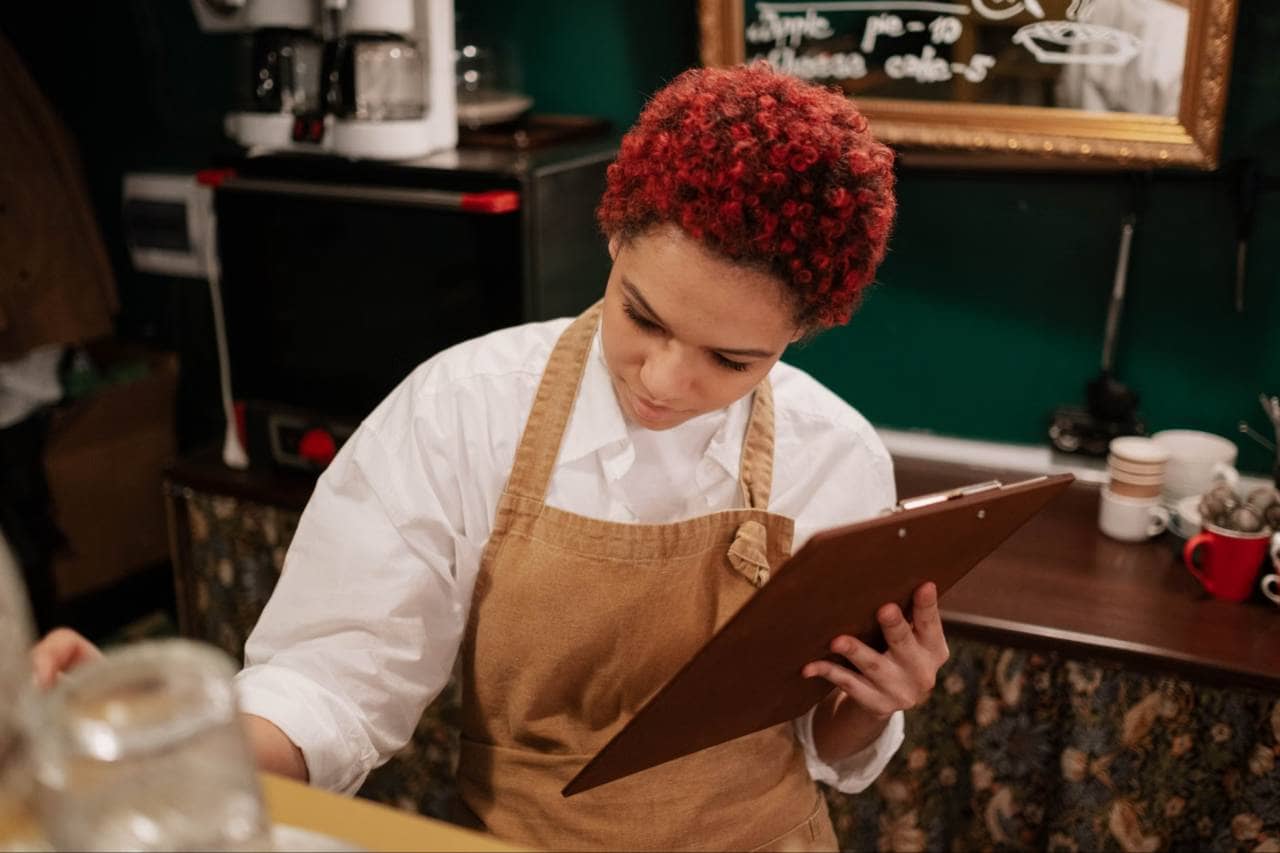
Clear roles are the foundation of effective restaurant operating procedures. When employees understand exactly what they are responsible for during each shift, managers spend less time correcting missed tasks, resolving confusion, or assigning work at the last minute. Document the core responsibilities for each position in your restaurant. Managers, cooks, servers, hosts, bartenders, dishwashers, and other employees should each have clearly defined duties that explain what they are expected to complete during a typical shift. Your operating procedures should address areas such as - 1. Position responsibilities - Define the primary duties associated with each restaurant role, including service, preparation, cleaning, and administrative tasks. 2. Task ownership - Assign specific responsibilities so employees know who is accountable for completing important activities such as temperature checks, inventory counts, cash reconciliation, or equipment inspections. 3. Shift responsibilities - Identify which tasks should be completed at the beginning, during, and end of each shift. 4. Manager verification - Determine which tasks require manager review, approval, or sign-off before they are considered complete. 5. Shift handoffs - Establish a process for employees to communicate unfinished tasks, equipment problems, inventory shortages, customer issues, or other important information to the next shift. 6. Escalation procedures - Explain who employees should contact when problems occur and which situations require immediate management attention. Avoid vague instructions such as "keep the kitchen clean" or "check inventory." Instead, describe exactly what employees need to do, when they need to do it, and how completion should be documented. Clear responsibilities also improve accountability. If several employees assume someone else will complete a task, important work can easily be missed. Assigning ownership removes uncertainty and helps managers quickly identify whether required procedures are being followed. Restaurant owners should review responsibilities whenever staffing structures, menus, equipment, or workflows change. Keeping roles clearly documented ensures operating procedures continue to reflect how the restaurant actually runs.
Opening and closing procedures help restaurant teams prepare the business for service and leave it secure, clean, and ready for the next day. Without a consistent process, employees may overlook important tasks such as checking equipment, restocking supplies, securing cash, or cleaning workstations. Restaurant owners should create separate checklists for front-of-house and back-of-house teams so employees know exactly what must be completed before opening and after closing. Key procedures should include - 1. Equipment checks - Confirm ovens, fryers, refrigerators, POS systems, lighting, and other essential equipment are operating properly before service begins. 2. Workstation preparation - Stock utensils, ingredients, condiments, takeout supplies, cleaning materials, and other items employees will need during the shift. 3. Dining area setup - Inspect tables, chairs, menus, restrooms, entrances, and customer-facing areas for cleanliness and readiness. 4. Food preparation - Complete necessary prep work, verify ingredient availability, and confirm food is being stored at appropriate temperatures. 5. Cash drawer setup - Prepare registers, verify starting cash amounts, and document who is responsible for each drawer. 6. End-of-day cleaning - Clean and sanitize kitchen stations, dining areas, equipment, floors, restrooms, and other required spaces. 7. Cash reconciliation - Count drawers, compare totals with sales records, document discrepancies, and prepare deposits according to restaurant policy. 8. Security checks - Lock doors and windows, secure cash, turn off unnecessary equipment, and activate security systems. Each task should include a responsible employee and, when necessary, manager verification. Using a consistent opening and closing checklist makes it easier to confirm that critical responsibilities are completed rather than relying on employees to remember them. Restaurant owners should also review these procedures periodically. Changes to equipment, menu items, staffing, store hours, or restaurant layout may require checklist updates. Keeping opening and closing procedures current helps create more consistent daily operations and reduces the likelihood of important tasks being missed.
Consistent kitchen procedures help restaurants maintain food quality, reduce waste, improve speed, and make training easier. Every employee working with food should have clear instructions for how ingredients are prepared, cooked, portioned, stored, and presented. Start by documenting the procedures for the most important kitchen activities. These instructions should be specific enough that employees can follow them without relying on verbal explanations or individual habits. Key procedures should include - 1. Recipe standards - Document ingredients, measurements, preparation methods, cooking times, and serving sizes for each menu item. 2. Portion control - Define the correct portions for proteins, sides, sauces, toppings, and other ingredients to help control food costs and maintain consistency. 3. Station setup - Outline what each kitchen station needs before service, including ingredients, utensils, equipment, and backup supplies. 4. Cooking procedures - Specify required cooking methods, temperatures, timing, and quality checks. 5. Plating standards - Establish how each menu item should be assembled, garnished, and presented before leaving the kitchen. 6. Labeling and storage - Define how prepared foods and ingredients should be labeled, dated, stored, and rotated. 7. Waste tracking - Create a procedure for recording spoiled food, overproduction, preparation mistakes, and returned items. 8. Station breakdown - Document how employees should clean, restock, and organize their stations at the end of a shift. Restaurant owners should make these procedures easy to access during daily operations. Recipe cards, digital checklists, kitchen guides, or standardized prep sheets can help employees follow the same process every time. Procedures should also be reviewed when recipes, menu items, equipment, suppliers, or portion sizes change. Keeping kitchen operating procedures current helps reduce inconsistencies between employees and shifts while giving managers a clearer standard for evaluating performance.
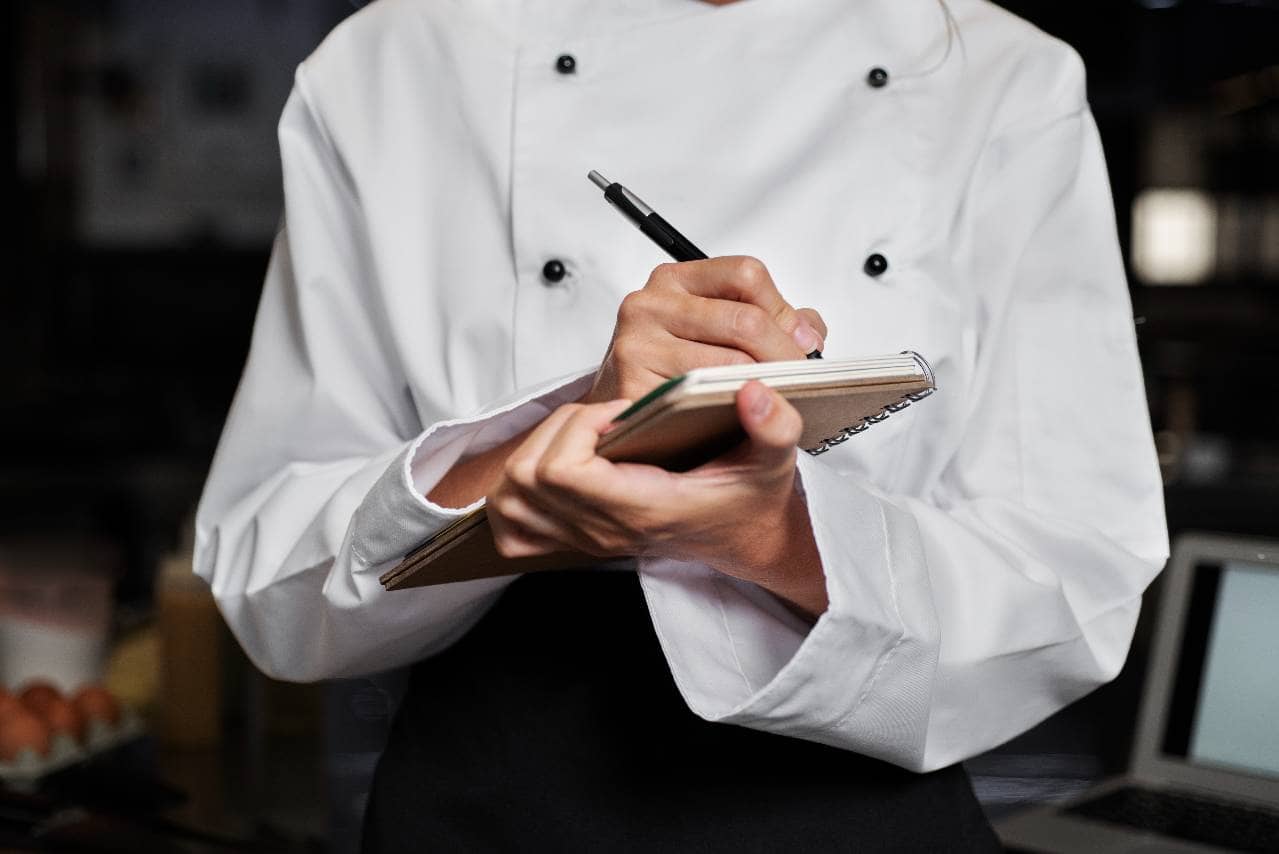
Food safety and sanitation procedures should clearly explain how employees protect food, equipment, work areas, and customers throughout daily operations. Restaurant owners should document these requirements so employees follow the same standards regardless of shift, position, or experience level. Your operating procedures should cover the most important food safety activities employees perform each day, including - 1. Handwashing and personal hygiene - Specify when employees must wash their hands, how long they should wash, and what personal hygiene standards are expected before handling food. 2. Temperature monitoring - Establish procedures for checking and recording temperatures for refrigerators, freezers, hot-holding equipment, and prepared foods. 3. Food storage - Define where different food products should be stored, how containers should be labeled and dated, and how food should be rotated. 4. Cross-contamination prevention - Explain how employees should separate raw and ready-to-eat foods and properly clean utensils, cutting boards, and work surfaces between uses. 5. Allergen procedures - Document how employees should handle allergy-related requests, prevent cross-contact, and communicate allergen information between front-of-house and kitchen teams. 6. Cleaning and sanitizing - Identify which surfaces and equipment must be cleaned, how frequently cleaning should occur, and which cleaning products should be used. 7. Employee illness reporting - Establish procedures for employees to report symptoms or illnesses that could affect food safety. 8. Corrective actions - Explain what employees should do when temperatures, sanitation checks, or other food safety requirements fall outside acceptable standards. Create cleaning schedules that identify the task, frequency, responsible employee, and verification method. For example, high-touch areas may require attention throughout the day, while certain equipment may need deeper cleaning at closing or on a scheduled basis. Restaurant managers should regularly review completed food safety records and address missed tasks immediately. Clear, documented procedures help employees understand what is expected while giving managers a consistent system for monitoring sanitation and food safety practices.
Guest service procedures help restaurant teams deliver a consistent experience from the moment customers arrive until they leave. Without clear standards, service quality can vary significantly between employees, shifts, and locations. Restaurant owners should document the main customer-facing interactions employees handle throughout a typical service period. These procedures should explain both what employees need to do and how they should communicate with guests. Key procedures should include - 1. Greeting guests - Define how quickly customers should be acknowledged and what information hosts or servers should provide when guests arrive. 2. Seating procedures - Establish how tables are assigned, how wait times are communicated, and how special seating requests are handled. 3. Order taking - Outline how employees should confirm orders, record modifications, identify allergy-related requests, and communicate special instructions to the kitchen. 4. Order accuracy checks - Require employees to verify meals, drinks, sides, and modifications before items are delivered. 5. Table service - Set expectations for checking on guests, refilling drinks, clearing dishes, and responding to additional requests. 6. Complaint handling - Explain how employees should respond to service problems, incorrect orders, long waits, or dissatisfied customers and when a manager should become involved. 7. Payment procedures - Document how employees should process cash, credit cards, split checks, discounts, gift cards, and other payment types. 8. Refunds and adjustments - Define which employees can authorize refunds, voids, discounts, or complimentary items and how these transactions should be recorded. Guest service procedures should be specific enough to guide employees without making interactions feel overly scripted. The goal is to establish clear service standards while allowing employees to communicate naturally with customers. Managers should also monitor whether procedures are being followed and address recurring service issues. Consistent guest service procedures can reduce mistakes, improve communication between front-of-house and back-of-house teams, and create a more predictable dining experience for customers.
Inventory and receiving procedures help restaurant owners control food costs, reduce waste, and maintain accurate stock levels. Without a consistent process, restaurants may experience overordering, shortages, expired products, or discrepancies between what was purchased and what is actually on hand. Start by documenting how deliveries should be received and how inventory should be counted, stored, and monitored. Key procedures should include - 1. Delivery verification - Compare incoming deliveries with purchase orders and invoices to confirm quantities, prices, and products are correct. 2. Product inspection - Check food quality, packaging condition, expiration dates, and required temperatures before accepting deliveries. 3. Storage procedures - Define where products should be stored and how quickly refrigerated, frozen, and perishable items must be moved into proper storage. 4. Stock rotation - Use a consistent rotation method, such as first in, first out, so older inventory is used before newer products. 5. Inventory counts - Establish how often inventory should be counted and which employees are responsible for completing and verifying counts. 6. Waste recording - Require employees to document spoilage, preparation waste, damaged products, returned items, and other inventory losses. 7. Discrepancy reporting - Create a process for reporting missing products, incorrect deliveries, unexpected usage, or differences between recorded and actual inventory. 8. Reordering procedures - Define minimum stock levels, reorder points, and who is authorized to place purchase orders. Consistency is especially important when multiple employees participate in inventory management. Using standardized count sheets, receiving checklists, or inventory software can reduce differences in how information is recorded from one shift or employee to another. Managers should regularly compare inventory usage with purchasing and sales data. Significant or recurring discrepancies may point to overportioning, waste, receiving mistakes, theft, or inaccurate counts. Clear inventory operating procedures make it easier to identify these issues early and maintain tighter control over restaurant costs.
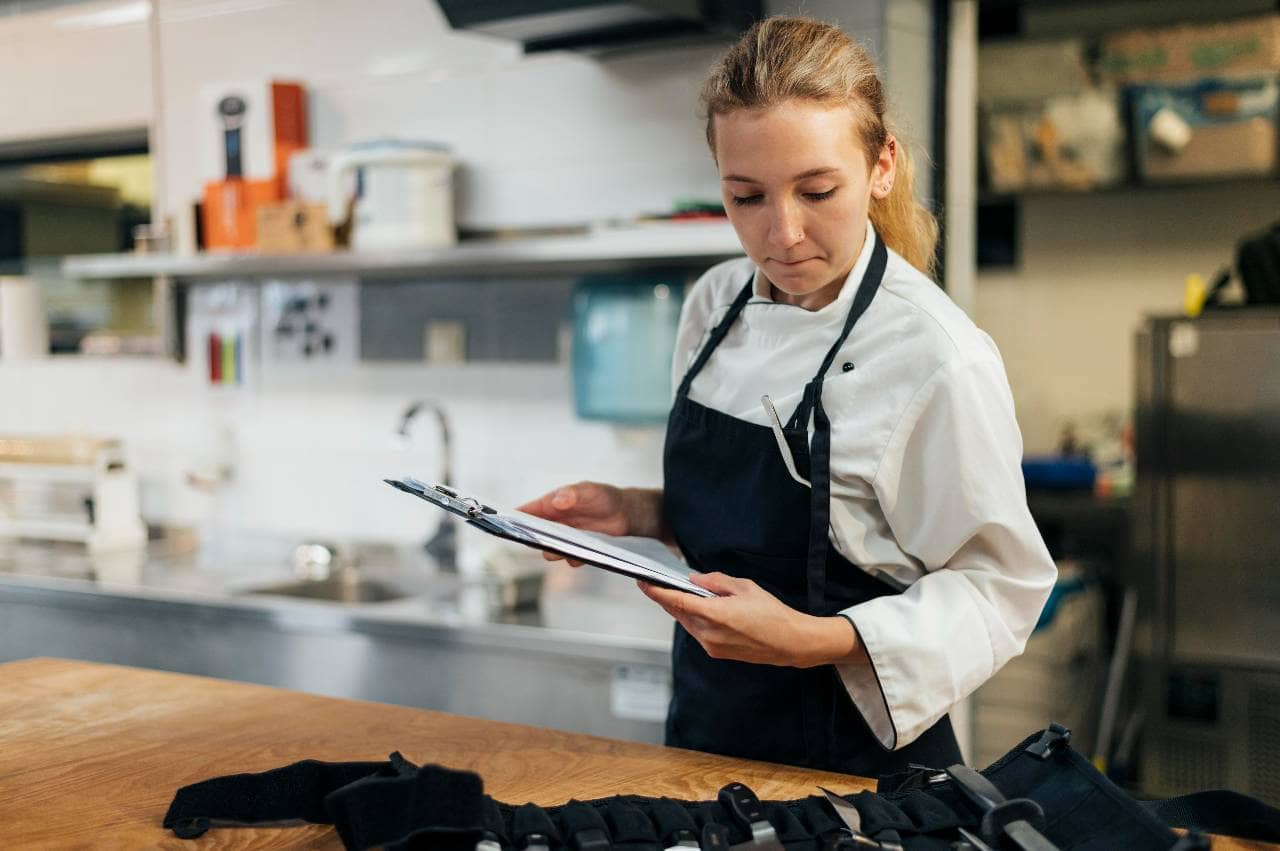
Employee and shift management procedures help restaurant owners maintain adequate staffing, accurate time records, and clear expectations throughout each workday. When these processes are documented, managers can handle scheduling changes, attendance issues, and shift transitions more consistently. Your operating procedures should explain how employees are expected to manage their schedules, attendance, and shift responsibilities. Key procedures should include - 1. Clock-in and clock-out rules - Define when employees may clock in, how breaks should be recorded, and what to do if a timekeeping error occurs. 2. Attendance expectations - Explain how employees should report lateness, absences, or emergencies and how far in advance they should notify management when possible. 3. Call-out procedures - Establish who employees must contact when they cannot work and what information they need to provide. 4. Shift swaps - Document whether employees can exchange shifts, how approval is obtained, and who is responsible for confirming coverage. 5. Break procedures - Clarify how meal and rest breaks are scheduled, recorded, and coordinated so service levels remain adequate. 6. Schedule communication - Define where schedules are posted, how employees are notified of changes, and how far in advance schedules are typically published. 7. Shift handoffs - Require employees to communicate unfinished work, guest issues, shortages, maintenance problems, and other important information before leaving. 8. Manager approvals - Identify which scheduling changes, overtime decisions, early departures, or shift extensions require management approval. Restaurants should also establish clear procedures for onboarding and training new employees. Training checklists can help managers confirm that workers have reviewed required procedures before performing tasks independently. Scheduling and workforce management software can support these procedures by centralizing schedules, recording employee availability, tracking time, and documenting shift changes. However, technology works best when the restaurant first establishes clear rules for how scheduling and attendance should be managed. Consistent employee and shift procedures reduce confusion and give both managers and employees a clear process to follow when staffing issues arise.
