Types of Restaurant Ordering Technology
Explore the main types of ordering technology restaurants use to improve accuracy, speed, payments, customer convenience, and operational efficiency daily.
Aug 17, 2026
Explore the main types of ordering technology restaurants use to improve accuracy, speed, payments, customer convenience, and operational efficiency daily.
Aug 17, 2026
Learn the eight essential steps of the restaurant payroll process, from tracking hours and calculating wages to payments and recordkeeping.
Aug 17, 2026
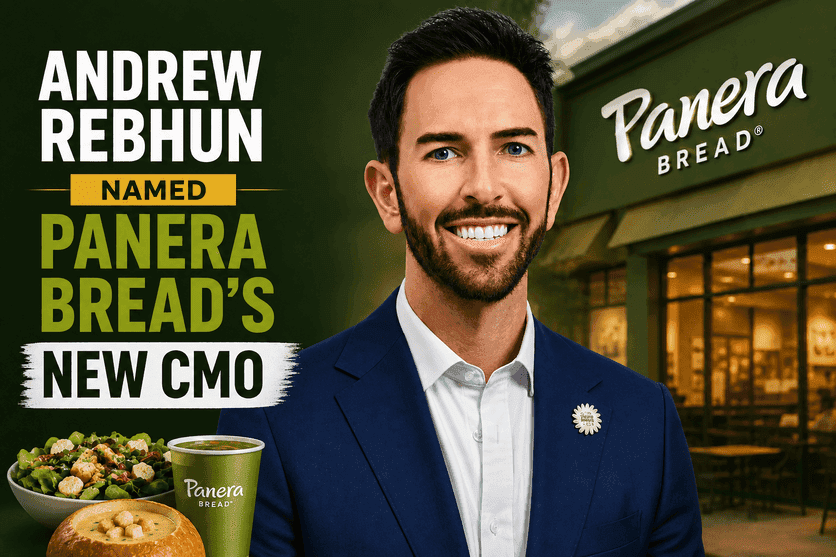
Panera Bread welcomes Andrew Rebhun as its new CMO to spearhead strategic brand growth and transformation, bolstering its vision for 2028.
Aug 17, 2026
Discover how restaurant SMS marketing works, from building subscriber lists and creating campaigns to improving engagement and measuring marketing performance.
Aug 14, 2026
The transition of Pizza Hut's CEO, Aaron Powell, marks a pivotal moment for the chain and offers valuable leadership lessons for restaurant owners. Here’s what this executive change could mean for your business.
Aug 17, 2026
Learn how to manage cash flow in your restaurant by tracking finances, controlling costs, forecasting needs, and building cash reserves.
Aug 14, 2026
Increase online orders by simplifying checkout, optimizing menus, improving Google visibility, promoting ordering channels, and encouraging customers to order again.
Aug 12, 2026
Streamline restaurant back office operations by standardizing workflows, automating repetitive tasks, integrating systems, centralizing data, and improving accountability and efficiency.
Aug 12, 2026
McDonald’s USA has appointed Patrick Gerber as chief restaurant officer, leveraging his decades of global experience to boost operations, food quality, and customer satisfaction in the U.S. market.
Aug 11, 2026
Freddy’s Frozen Custard & Steakburgers promotes Rick Petralia to Executive Chef & VP of Training & Innovation, signaling a strategic focus on culinary excellence and franchisee support.
Aug 12, 2026
Unlock Exclusive Access To Webinars, Events, And The Latest News For Free!
As Crumbl names a new CTO amid major leadership changes, restaurant operators should pay attention to how technology impacts growth and stability in today’s market.

Crumbl Cookies has begun a new era in its leadership ranks, announcing Jacob Moncur as Chief Technology Officer after years of technology guidance from outgoing CTO Bryce Redd. Moncur, previously Vice President of Engineering, has been instrumental in building Crumbl’s digital ecosystem that helped propel the brand’s meteoric growth. Redd, who shaped the company’s tech vision since 2018, will remain for a transition period - ensuring that the brand’s core technology strengths are preserved during this critical handoff. For restaurant owners, Crumbl’s trajectory is a clear example of how digital leadership now sits at the heart of competitive strategy. As the industry becomes ever more connected, seamless app experiences and data-driven operations are a must. Watching how Crumbl prioritizes its tech transition may offer clues for how to future-proof your own operation.
Since 2020, Moncur has been the architect behind Crumbl’s scalable tech infrastructure, including the user-friendly mobile app and in-store technology. But as any growing chain knows, infrastructure alone isn’t a silver bullet. Crumbl saw rapid expansion, climbing from 691 stores at the start of 2023 to 1,101 locations by late 2025. Even so, leadership is now responding to slowing unit growth and declining average unit volumes - a common challenge for high-growth concepts once the initial boom tapers off. Restaurateurs can take away several lessons.
The story behind Crumbl’s leadership overhaul is more than just a personnel move - it’s a strategic response to a maturing market for modern dessert concepts. Despite setting records for rapid expansion, Crumbl saw its average unit volume drop roughly 15% in the past year alone. This pattern isn’t unique to Crumbl; many trending concepts hit similar points as growth stabilizes and consumer habits evolve. For other restaurant leaders, it’s a reminder to continuously re-examine your technology stack, staff training, and guest engagement tactics. When digital convenience is the norm, sticking with “good enough” tech leaves your brand vulnerable to more innovative competitors.
Crumbl’s willingness to promote from within also highlights the value of developing future leaders who understand both the brand’s mission and its operational DNA. As the company’s co-founders also prepare to step back once successors are found, this total leadership refresh signals Crumbl is planning for long-term adaptability - not just reacting to market headwinds. The lesson for growing restaurants? Strong succession planning and ongoing investment in digital systems can be powerful shields in turbulent times. Embracing proactive changeover, instead of waiting for crisis, keeps customer and staff experiences smooth and delivers stakeholder confidence.
Crumbl’s leadership transition is a powerful case study for operators seeking sustainable growth in a tech-forward landscape. Harnessing digital infrastructure, investing in people, and facing the realities of market shifts can position restaurant brands for enduring success - even when the first rush of expansion slows. Restaurant owners and managers should stay vigilant, ensuring each step forward is backed by both data and vision. As technology and leadership converge, those who plan strategically - and embrace transformation - will seize the best opportunities ahead.
The future of restaurant excellence lies in embracing thoughtful change, from technology upgrades to leadership planning. As Crumbl’s journey reveals, agility and intentional succession pave the way for stability and accelerated innovation. Operators ready to navigate transitions - big or small - are well positioned to lead their markets with confidence and resilience. Stay connected to industry insights and ensure you’re leveraging every tool that elevates your team and customer experience.