.png&w=3840&q=70)



First Impressions Win: 2026 Restaurant Marketing Playbook
Win discovery and ROI in 2026 with Google Business Profile, local SEO, paid and retargeting, loyalty, and hospitality that turns first visits into loyalty.


Photo by Daniel
Start Where Guests Search
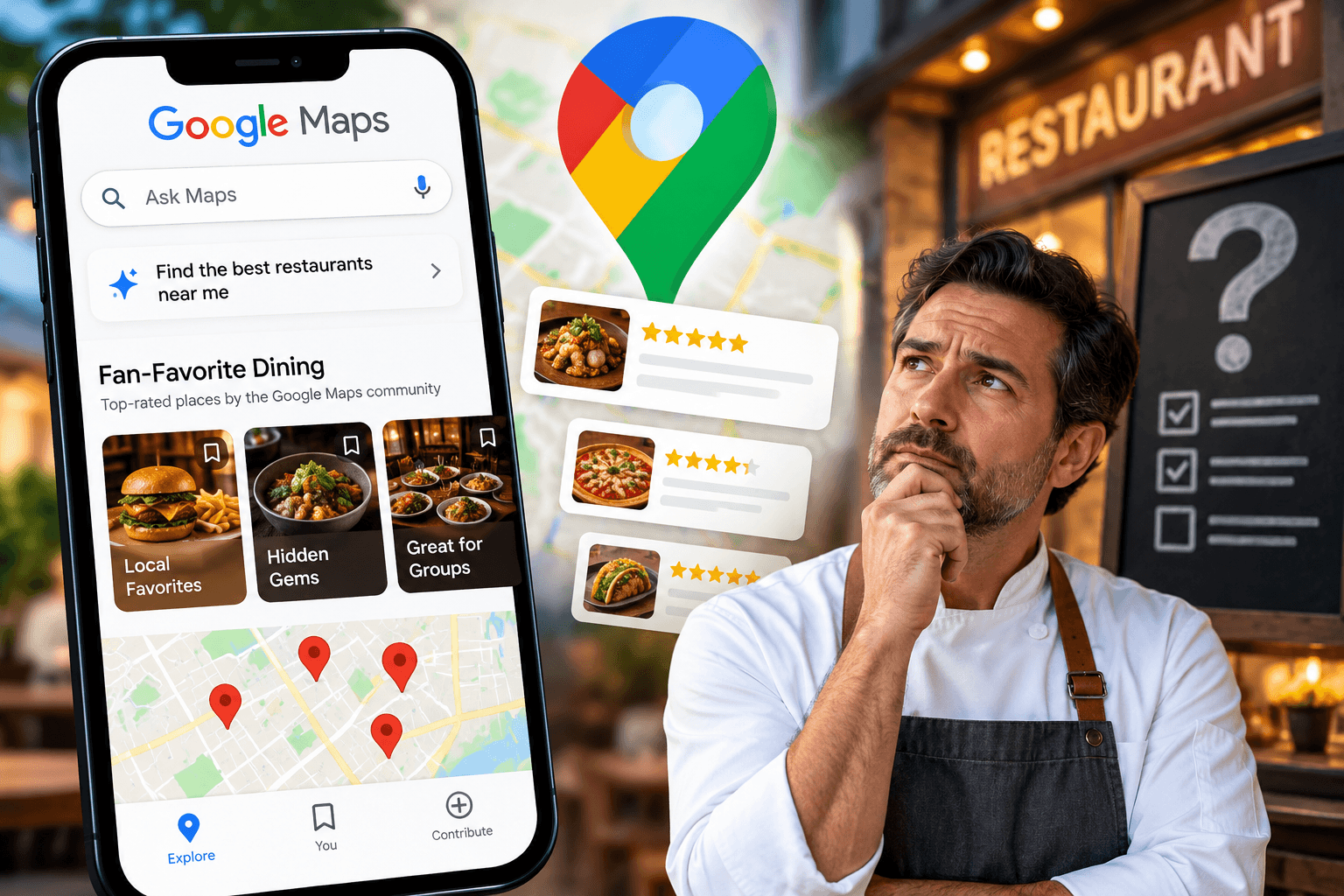
Your next guest likely found you on a screen. In 2026, the path to a full dining room starts with a fully claimed Google Business Profile, sharp local SEO, and social proof that feels real.
Operators carving out 2% to 20% of sales for marketing are finding that once search visibility, user journeys, and custom offers align, every downstream tactic works harder.
The competition is relentless. The U.S. restaurant industry is projected to reach $1.5 trillion in sales and employ 15.9 million people by year-end 2025, a scale that makes discovery the first battleground. Occupancy costs alone accounted for a median 5.7% of sales for full-service restaurants and 5.2% for limited-service concepts in 2024, which puts pressure on every dollar. A strong digital foundation, starting with a professional Google Business Profile and local SEO, has become a cost-effective way to distinguish restaurants in crowded markets.
Build The Digital Base
Execution separates wish lists from wins. Optimizing discovery begins with a fully claimed and frequently updated Google Business Profile featuring professional food photography, accurate menus, and precise hours, including holidays. Local SEO lifts regional visibility by weaving neighborhood keywords into title tags, incorporating schema markup, and cultivating context-relevant backlinks. According to Deloitte, technology budgets rose from 8% of revenue in 2024 to 14% in 2025, with digital investments projected to reach 32% of revenue by 2028, which opens the door to more sophisticated efforts.
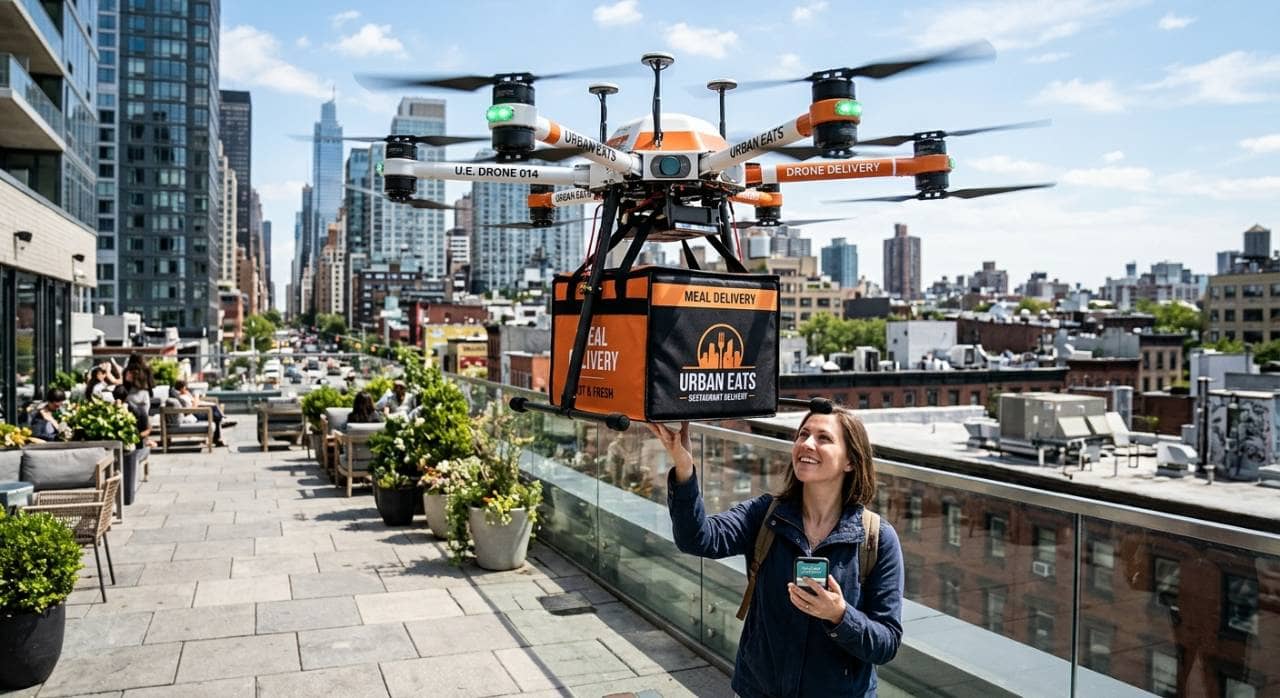
Multi-unit groups are building location-specific landing pages tied to landmarks or services, while blogs with seasonal recipes, chef interviews, and community spotlights expand organic reach. Conversion lives in the details: mobile-friendly digital menus, clear professional images, transparent pricing, prominent ordering buttons, and dietary tags. Paid discovery through targeted Google Ads, paired with retargeting on social platforms, nudges interested guests back to complete reservations or online orders.
Hospitality Makes It Stick
The human element still decides whether a first visit becomes a habit. Chef Essi Tadrus of Southern Luv BBQ put it plainly: “If you have a good product and you have good service and you do a good job, your friends are going to tell your friends.”
Tadrus also cautions against opening-week hype that outpaces readiness: “The first mistake that restaurant owners make, I think, is they advertise really heavily when they open to get people to know that they’re there, but sometimes you’re just not prepared for it…We don’t do any advertising for the first three or four months to make sure that our staff is really integrated into our menu, and we can give really good customer service.” Technology aims to support that standard of hospitality. Twenty-six percent of operators hope AI will strengthen digital marketing efforts, though less than half feel ready to implement such tools.
Signals In The Numbers
Results point to both promise and friction. Fifty percent of restaurant operators reported rising same-store sales between May 2025 and May 2026, up slightly from April’s 48% reading. Nominal eating and drinking place sales were up 2.7% year-over-year in May 2026, while inflation-adjusted sales slipped 0.9% in the same period, a reminder that price and traffic must be balanced carefully. Restaurants that skillfully combine organic reach with targeted paid campaigns and retargeting drive higher conversion rates while preserving marketing ROI.

Loyalty and off-premises channels amplify that mix. According to Deloitte, nearly half of restaurant loyalty program members use their memberships several times a month, and almost a third engage weekly. Off-premises dining has surged as a resilience strategy: 58% of limited-service and 41% of full-service operators report takeout, delivery, and drive-thru now account for a larger share of sales compared with 2019. Local events, cross-promotions with neighborhood businesses, and festival activations extend that reach in tangible ways.
Mind The Pitfalls
There are fault lines to watch. Nearly half of operators in 2025 reported lower tourism-driven sales than in a typical year, a drag for concepts that depend on visitor traffic. Over-messaging via SMS can trigger unsubscribes if targeting is sloppy, and privacy regulations around customer data are tightening. AI adoption is climbing, yet fewer than half of brands feel prepared for the infrastructure, strategy, or governance required to deploy advanced tools.

Turn Visits Into Habits
The path forward favors operators who pair digital fluency with grounded hospitality. Keep profiles and menus current. Let real guest feedback do the talking. Use email, SMS, and social with restraint and purpose. Test, measure, and iterate until search visibility, user flows, and offers click into place.

The restaurants that treat marketing as a connected system, not a stack of tactics, will be the ones turning first impressions into lifetime value in 2026.