
Why Coffee Shops Fail and How to Avoid It
Coffee shops fail when owners lack strong management, financial control, location strategy, inventory systems, clear branding, and ongoing learning habits.
operations
Jun 5, 2026
Coffee shops fail when owners lack strong management, financial control, location strategy, inventory systems, clear branding, and ongoing learning habits.
Jun 5, 2026
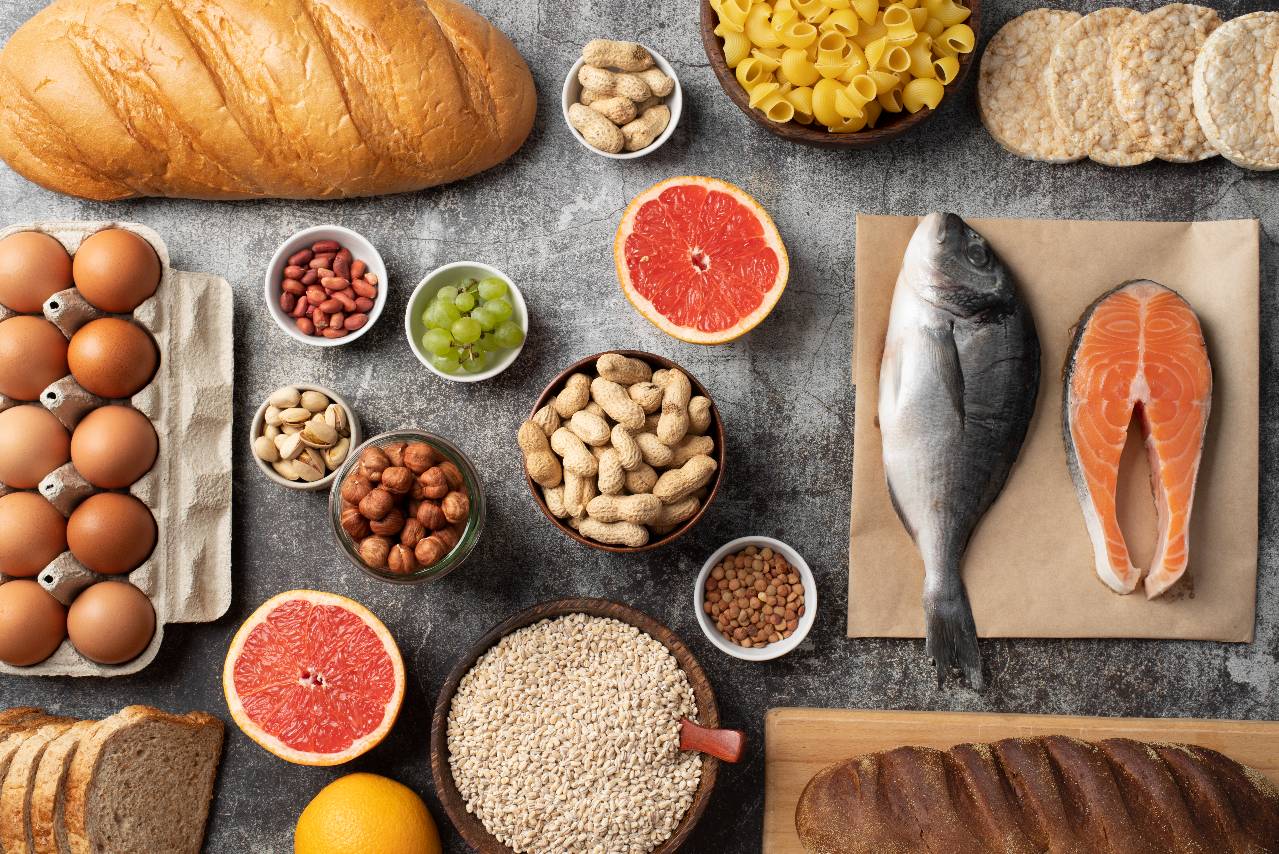
This food allergen checklist helps restaurant owners train staff, review menus, prevent cross-contact, update labels, and handle guest requests safely.
Jun 4, 2026

The Cheesecake Factory is making Father's Day gifting easier with a bonus gift card offer spend $100 on gift cards online between June 4 and June 21 and receive a complimentary $20 Bonus Card to use through July 19.
Jun 5, 2026
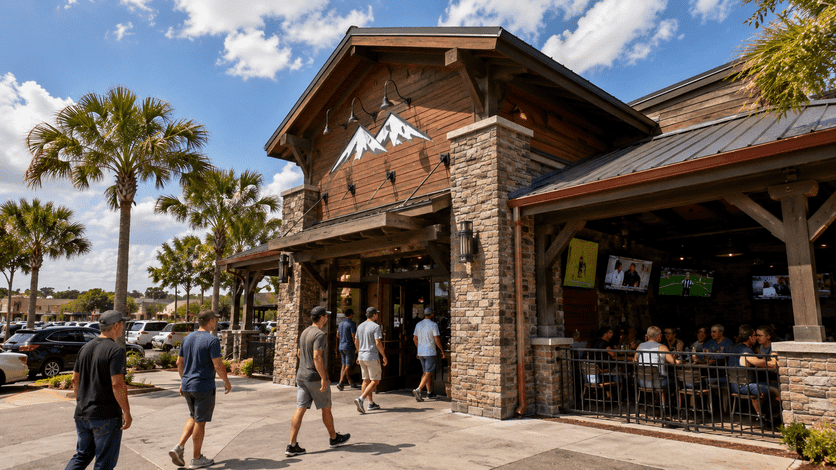
Twin Peaks is bringing its sports lodge experience to Kissimmee, Florida, with its 116th location nationwide opening June 29 complete with 50+ TVs, 32 beers on tap, a scratch-made menu, and more than 140 new local jobs.
Jun 5, 2026

Dan Lynn, who oversaw commercial strategy and operations across Inspire Brands' company-owned restaurant portfolio, is leaving the Dunkin' and Buffalo Wild Wings parent company to take a CEO position a notable departure as Inspire moves closer to what could be the largest IPO in restaurant industry history.
Jun 5, 2026

FT Undercover tests Hotworx, YogaSix and Barre3 in the Twin Cities, highlighting heat, coaching, pricing, and the FTC action involving Xponential Fitness.
Jun 4, 2026

Qdoba secures $435M via whole business securitization to refinance debt, fund remodels and digital makelines, and fuel its push to ~2,000 units.
Jun 4, 2026
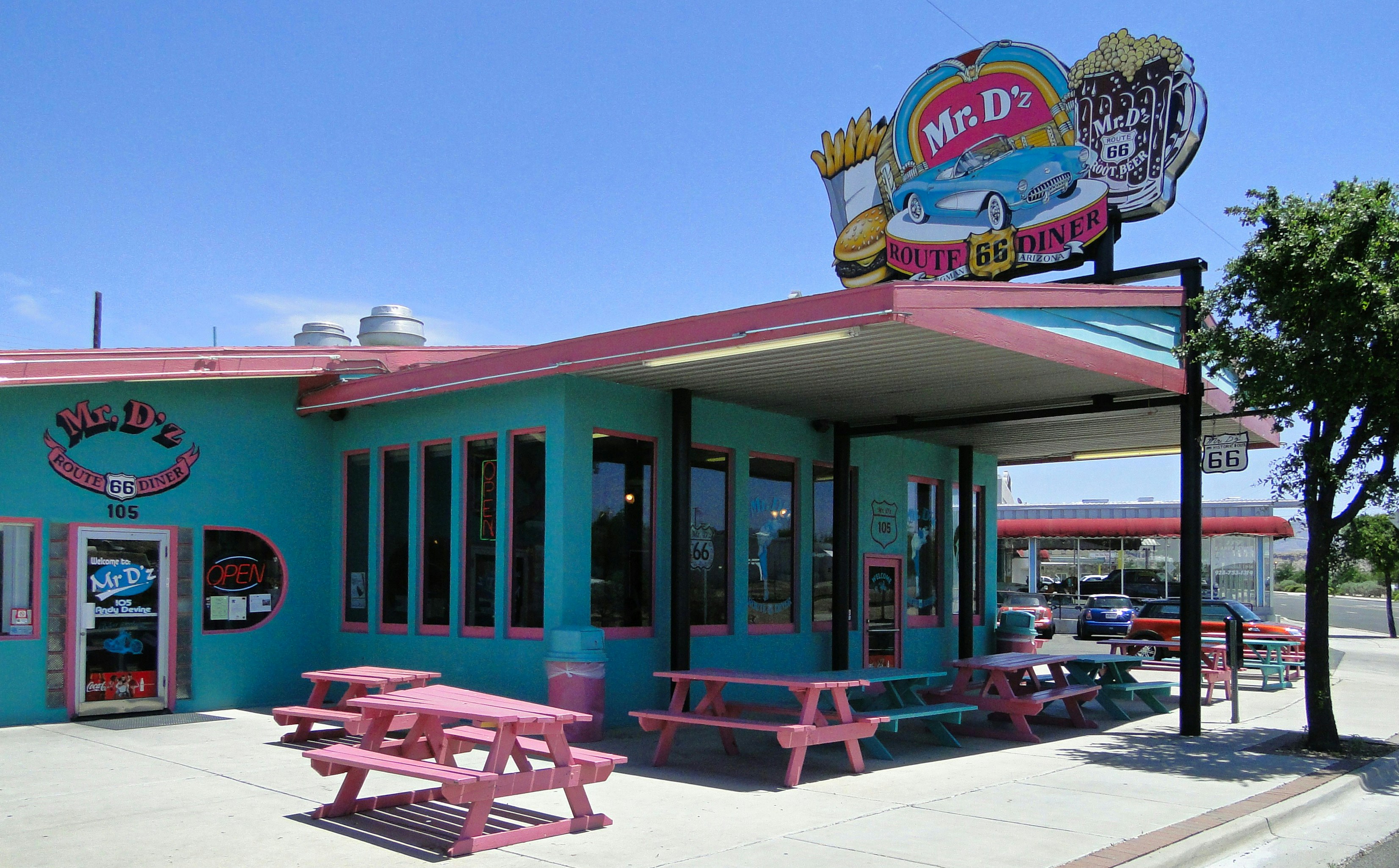
To file a clean, on-deadline restaurant trade piece, I need structured facts: names, dates, quotes, numbers, locations, timing, metrics, constraints, and verification.
Jun 4, 2026

Arts-first preschool chain Building Kidz continues U.S. expansion while facing a wrongful death suit and appealing a California penalty.
Jun 4, 2026

How to choose and configure equipment for consistent, scalable restaurant operations, with market data, AI trends, and energy-efficiency considerations.
Jun 4, 2026
Explore the recent cooling in the restaurant labor market and its impact on wage growth, employment trends, and labor turnover. Understand the dynamics shaping the industry.

Photo by rivage
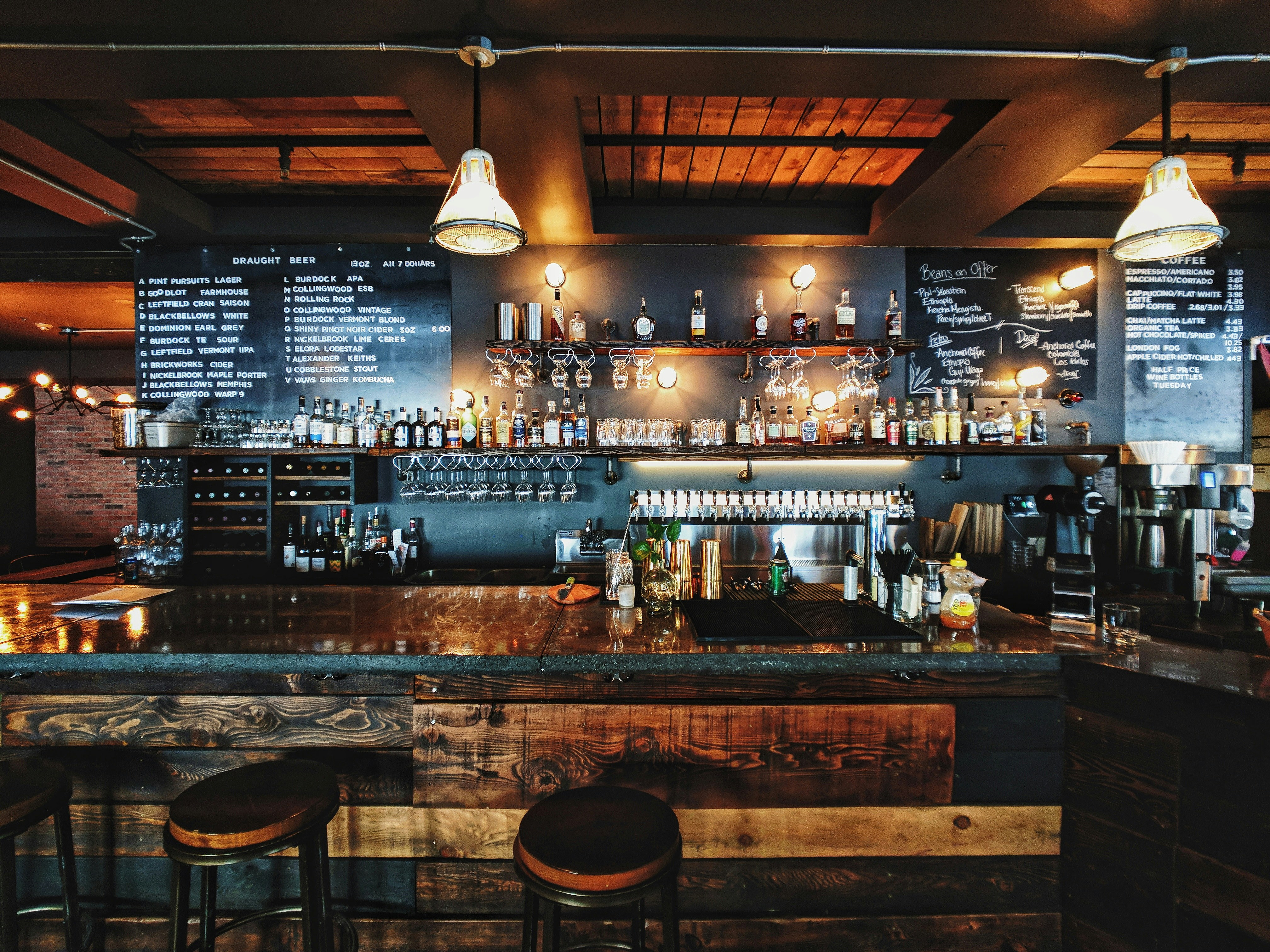
Photo by rivage
The restaurant labor market has experienced a notable cooling trend, characterized by a moderation in wage growth and a gradual loosening of employment conditions. The initial surge in wage growth, particularly between 2019 and 2022, outpaced inflation and provided low-wage workers with increased bargaining power. However, recent data indicates a deceleration in nominal wage growth, signaling a shift in the market dynamics. This adjustment aligns with a return to pre-pandemic norms, where the labor market is stabilizing and moving towards a more balanced state.

Photo by rivage
The restaurant sector witnessed a significant rise in average wages, with even the lowest percentiles earning well above the minimum wage threshold. While nominal wages have shown a marked increase, it is crucial to consider the impact of inflation on real wage growth. Despite the nominal wage growth, inflation-adjusted wages have only seen a modest improvement, highlighting the ongoing struggles of low-wage workers in making meaningful economic gains.
Photo by rivage
Employment levels in the restaurant industry have stabilized around pre-pandemic numbers, indicating a potential shift towards full employment. However, the data also reveals a decrease in labor turnover, quits, and total separations, suggestive of a changing landscape where employers are gaining more control. Job openings continue to outpace hiring, emphasizing the ongoing challenge of retention in the industry. These trends reflect a nuanced rebalancing of power dynamics between workers and employers.

Photo by rivage
The current labor market conditions have significant implications for both restaurant workers and businesses. While the recent cooling may indicate a loss of bargaining power for workers, it also offers stability and predictability for employers. For workers, the slowdown in job turnover as a means to secure wage increases highlights the importance of addressing systemic wage disparities and creating sustainable income opportunities within the industry. Employers, on the other hand, face the challenge of retaining talent in an increasingly competitive environment.