
How to Do Restaurant Payroll Yourself
Learn how to handle restaurant payroll yourself, from calculating hours and wages to managing tips, taxes, and final paychecks.
Payroll
Sep 2, 2026
Learn how to handle restaurant payroll yourself, from calculating hours and wages to managing tips, taxes, and final paychecks.
Sep 2, 2026

Restaurant labor management helps owners optimize staffing, control labor costs, improve productivity, monitor overtime, and maintain efficient restaurant operations.
Sep 2, 2026
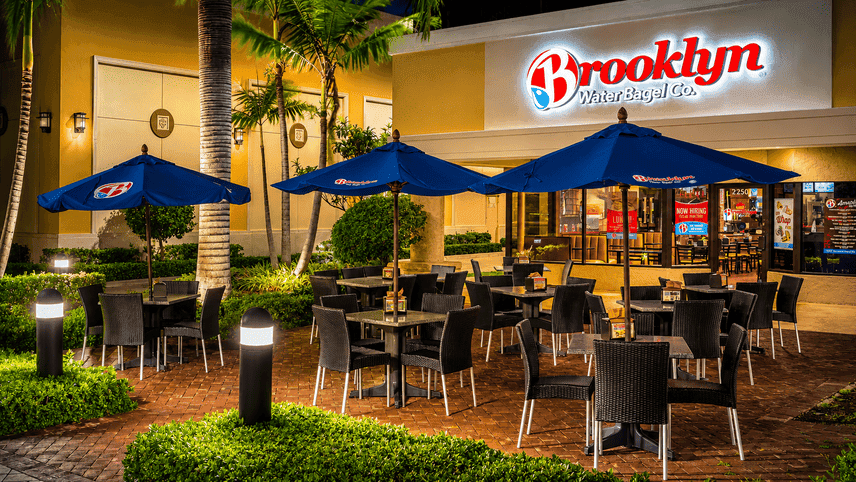
Brooklyn Water Bagel launches its first campus eatery at Nova Southeastern, signaling strategic growth and fresh potential for multi-unit operators seeking new market wins.
Sep 2, 2026
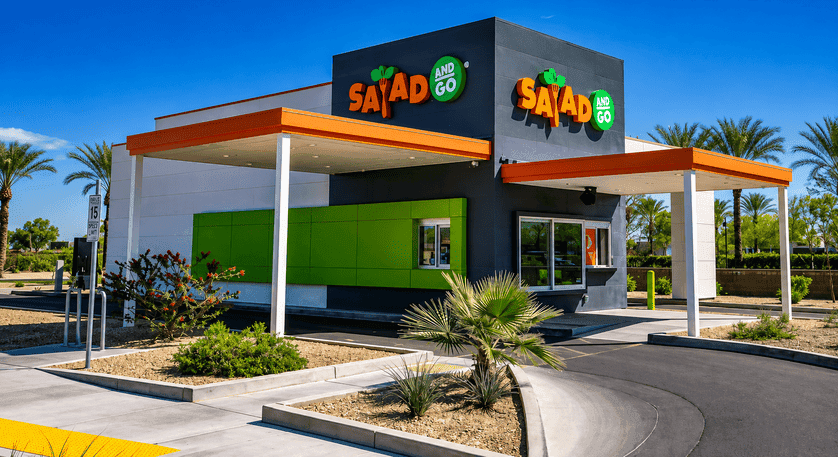
7 Brew has acquired 73 former Salad and Go locations, surpassing Dutch Bros with a $143M bid, signaling a major shift in the competitive landscape for drive-thru brands.
Sep 2, 2026
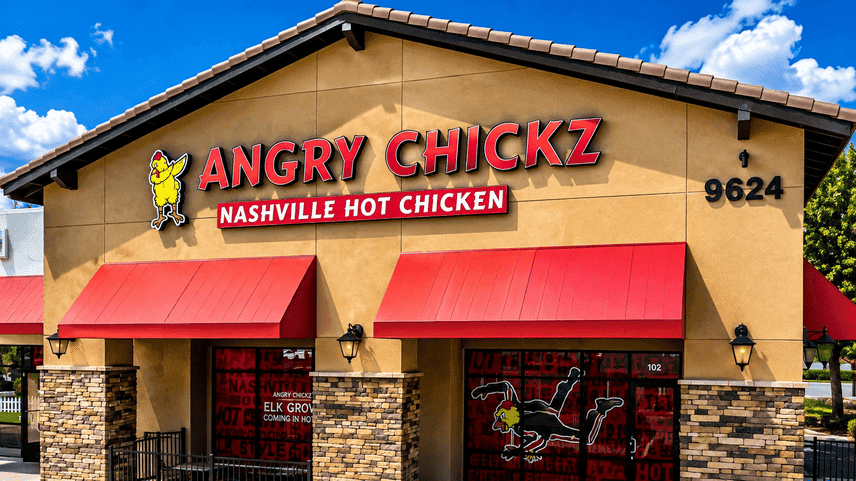
Angry Chickz enters Illinois with its signature hot chicken concept and ambitious plans for Midwest expansion, setting the stage for new franchise opportunities and community engagement.
Sep 2, 2026
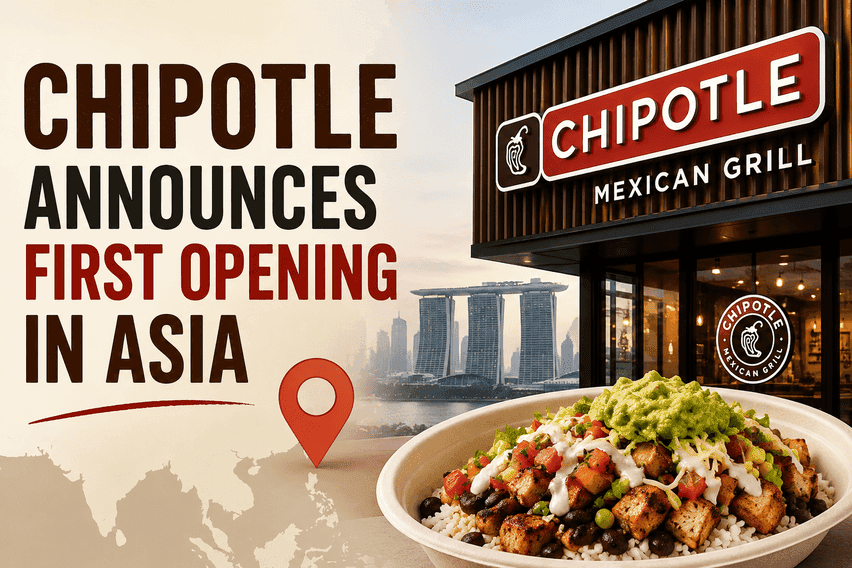
Chipotle makes its highly anticipated entry into Asia with a Seoul opening, partnering with Sangmidang Holdings and setting a template for future international growth.
Sep 2, 2026

Explore restaurant technology trends in 2026, including AI, automation, digital ordering, workforce tools, connected kitchens, personalization, and profitability strategies today.
Aug 28, 2026

Learn how to calculate restaurant cost of goods using inventory, purchases, COGS percentage, variance reviews, and regular tracking for profitability.
Aug 31, 2026
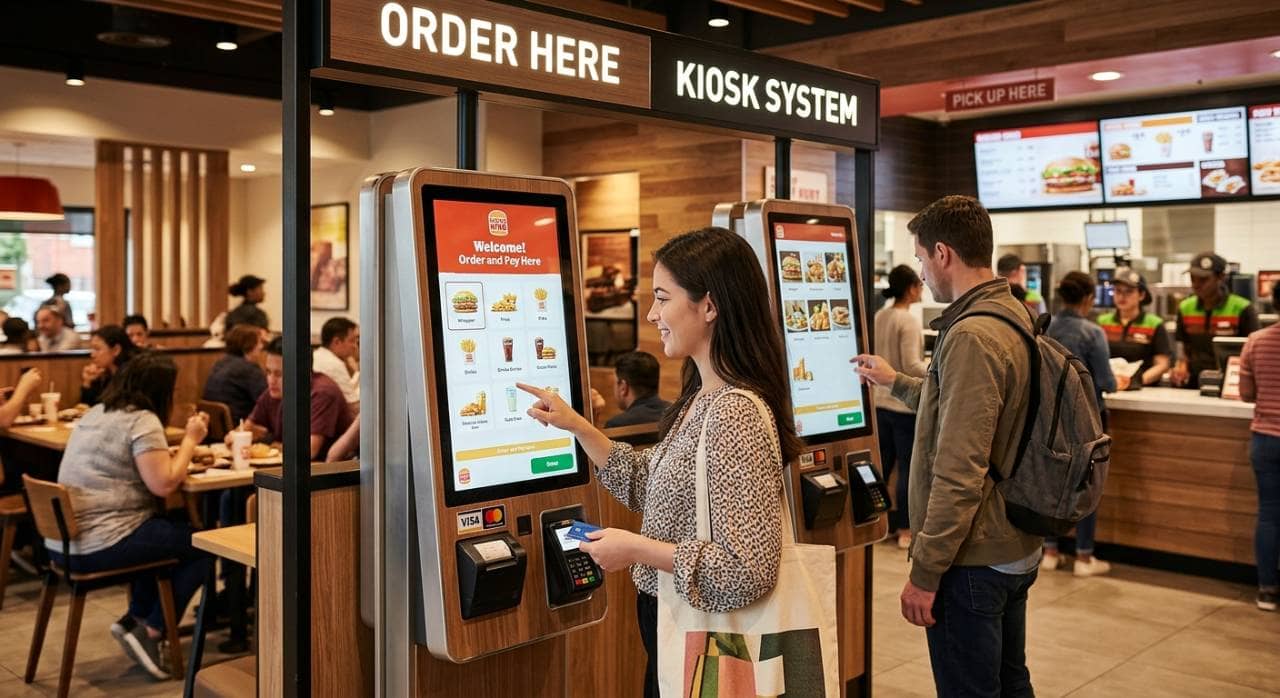
Understand how to evaluate a Kiosk system using key criteria including features, POS integration, hardware, pricing, customer experience, and support.
Aug 31, 2026

Learn the startup costs of opening an ice cream shop, including rent, equipment, renovations, permits, inventory, labor, marketing, and reserves.
Aug 28, 2026

Unlock Exclusive Access To Webinars, Events, And The Latest News For Free!
Coffee shops fail when owners lack strong management, financial control, location strategy, inventory systems, clear branding, and ongoing learning habits.

Opening a coffee shop is a dream for many people. The idea is easy to picture- a cozy space, warm lighting, friendly customers, the smell of fresh coffee, and a relaxed atmosphere where people gather, work, meet, and unwind. For many future coffee shop owners, the dream starts with passion. They love coffee, hospitality, design, or the idea of building a neighborhood spot that people enjoy visiting every day. But passion alone does not keep a coffee shop open. The reality is that coffee shops can be difficult businesses to run. Even with a strong concept and a great cup of coffee, owners still have to manage rent, payroll, inventory, vendors, marketing, customer service, equipment, waste, staffing, and daily cash flow. A cafe may look simple from the outside, but behind the counter, it is a fast-moving operation with many small details that affect profit. Coffee is also a volume-based business. Many orders are low-ticket purchases, which means owners need consistent traffic, strong average order value, and tight cost control to stay profitable. If the location is weak, the team is poorly managed, the menu is not unique, or the owner does not understand the numbers, the business can struggle quickly. This is why building a successful coffee shop requires more than a good product. It requires strong business fundamentals. Owners must know how to hire the right people, control inventory, choose the right location, create a memorable brand, track financial performance, and keep learning as the industry changes.
Poor management is one of the fastest ways a coffee shop can lose control of its daily operations. A cafe may have a strong menu, a good location, and loyal customers, but if the team is poorly managed, small problems can quickly turn into lost sales, wasted inventory, high turnover, and poor guest experiences. For coffee shop owners, management should not be based on instinct alone. It should be measured through clear operating standards and daily performance numbers. Staffing is one of the first areas to review. Hiring someone only because they are available can create bigger problems later. Employees should match the shop's values, service style, reliability standards, and customer expectations. One bad hire can affect the entire team. Poor attitudes, missed shifts, unauthorized freebies, cash handling issues, and weak customer service can lower morale and create an environment where good employees leave. Coffee shop owners should track a few key management metrics - 1. Employee turnover rate - High turnover increases hiring, training, and scheduling costs. If employees keep leaving, owners should review management style, pay, workload, culture, and training quality. 2. Labor cost percentage - Track labor as a percentage of sales. If labor costs rise while sales stay flat, the shop may be overstaffed, poorly scheduled, or not generating enough hourly revenue. 3. Sales per labor hour - Measure how much revenue the shop produces for every hour worked. This helps owners see whether staffing levels match actual demand. 4. Void, comp, and discount activity - Frequent voids or free items may signal training issues, theft, poor controls, or employees giving away products without approval. 5. Customer complaints and review trends - Complaints about slow service, rude employees, wrong orders, or inconsistent drinks often point back to management and training gaps. Inventory management is another major part of good leadership. Under-ordering can limit sales when popular products run out. Over-ordering can create spoilage, waste, and cash tied up in unused milk, pastries, syrups, cups, and food items. Owners should compare inventory usage against sales every week to understand what is moving, what is being wasted, and what needs tighter ordering controls. Vendor relationships also affect management performance. A vendor should not be treated only as a company to pay. Strong vendor relationships can help owners manage pricing, supply reliability, product quality, and emergency shortages. When owners communicate clearly, pay on time, and plan ahead, vendors are more likely to support the business when supply issues happen. Strong management gives a coffee shop structure. It helps owners hire better, schedule smarter, reduce waste, control theft, protect margins, and create a better customer experience. Without it, even a busy cafe can become disorganized, expensive, and difficult to grow.
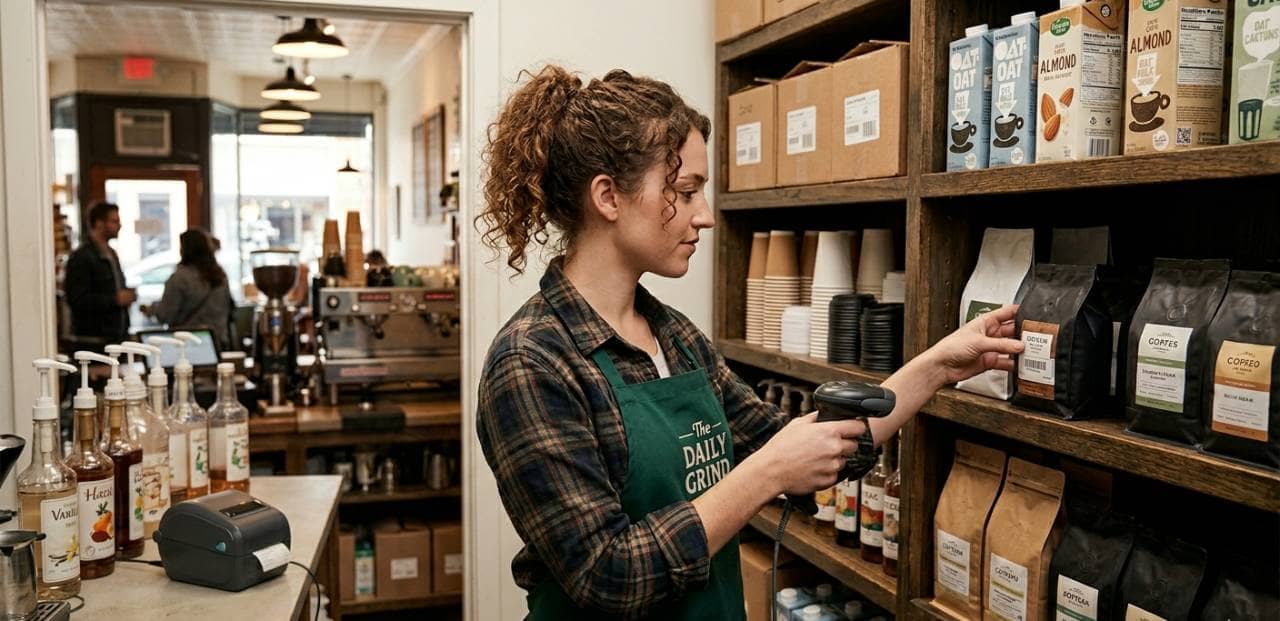
Inventory control is one of the most important financial habits for coffee shop owners because every cup, lid, pastry, syrup, milk carton, coffee bean, and food item affects profit. A coffee shop may look busy during the morning rush, but if inventory is not managed correctly, much of that revenue can disappear through waste, spoilage, stock-outs, and over-ordering. Good inventory control helps owners protect cash flow before small losses become major problems. Coffee shops need to find the right ordering balance. Under-ordering can limit sales when popular items run out during peak hours. If a shop sells out of cold brew, oat milk, breakfast sandwiches, or pastries too early, customers may leave without buying or choose a competitor next time. Over-ordering creates the opposite problem. Too much milk, food, or baked goods can spoil before it sells, turning working capital into waste. Owners should track a few key inventory numbers - 1. Product usage rate - Measure how quickly coffee beans, milk, syrups, cups, lids, and food items are used each day or week. This helps prevent both shortages and excess inventory. 2. Waste percentage - Track expired milk, damaged cups, unsold pastries, incorrect drinks, remakes, and spoiled food. Waste should be reviewed by product category so owners know where money is leaking. 3. Stockout frequency - Count how often important items run out. Frequent stock-outs show that ordering levels, par levels, or sales forecasting need to improve. 4. Inventory turnover - Measure how quickly inventory is sold and replaced. Slow-moving inventory ties up cash and increases the risk of spoilage. 5. Cost of goods sold - Track product costs as a percentage of sales. If ingredient costs rise but menu pricing stays the same, profit margins can shrink quickly. Vendor management is just as important as inventory tracking. Coffee shop owners should not treat vendors only as companies that send invoices. Vendors can help with product availability, pricing updates, delivery timing, quality control, and emergency substitutions. Strong vendor relationships can also help owners plan ahead when there are supply delays, seasonal shortages, or price increases. To improve vendor control, owners should compare pricing regularly, review delivery accuracy, track late shipments, and monitor product quality. If a vendor frequently sends incorrect items, misses delivery windows, or raises prices without notice, the owner needs a backup option. Inventory and vendor control give coffee shop owners better financial visibility. When owners know what they have, what they use, what they waste, and what they pay for each item, they can make smarter decisions. This helps protect margins, reduce unnecessary spending, and keep the cafe prepared for daily demand.
Location can decide how much pressure a coffee shop faces before it even opens. Coffee is often a low-ticket, high-volume business, which means owners need enough daily transactions to cover rent, payroll, utilities, product costs, equipment, insurance, and marketing. A beautiful cafe in the wrong location may still struggle if there are not enough people nearby to support consistent sales. Coffee shop owners should not choose a space based only on appearance, rent price, or personal preference. The location must match the business model. A shop built for quick morning traffic needs visibility, easy parking, strong commuter flow, or proximity to offices. A cafe built for students may need to be near schools, apartments, public transit, or study-friendly neighborhoods. A family-focused coffee shop may need safe sidewalks, stroller-friendly access, seating space, and nearby residential traffic. Owners should review a few key location metrics before signing a lease - 1. Daily foot traffic - Count how many people pass the location during morning, lunch, afternoon, and evening hours. Coffee demand is often strongest during specific day-parts, so timing matters. 2. Residential density - A low foot-traffic location may still work if enough people live nearby and order through delivery apps, mobile ordering, or neighborhood marketing. 3. Rent-to-sales ratio - Rent should be realistic based on expected monthly sales. If rent is too high, the shop may need unrealistic transaction volume just to break even. 4. Nearby competition - Competition is not always bad, but owners need to know whether the area is already saturated with cafes, bakeries, convenience stores, and quick-service drink options. 5. Access and convenience - Parking, walkability, transit access, signage visibility, and pickup flow can all affect how often customers choose the shop. Location should also support the customer experience. If the target customer wants a calm place to work, the space needs seating, outlets, Wi-Fi, and comfort. If the customer wants speed, the layout should support fast ordering, pickup, and mobile orders. If the neighborhood is mostly residential, owners may need stronger delivery, loyalty, and local marketing systems. A good location does more than bring people through the door. It supports the shop's sales goals, operating model, staffing plan, and brand identity. Coffee shop owners who study the numbers before choosing a space are better prepared to avoid high rent, weak traffic, and slow growth.
A coffee shop needs more than coffee to win repeat customers. Most customers already have easy access to coffee at home, at work, through drive-thrus, convenience stores, and competing cafes. If a shop only competes on being cheap or convenient, it can be difficult to build loyalty. Coffee shop owners need to give customers a clear reason to choose their business instead of another option. A strong identity helps the shop occupy space in the customer's mind. When someone wants a quiet place to work, a premium espresso drink, a cozy weekend hangout, a fast breakfast stop, or a family-friendly cafe, the business should immediately come to mind for that specific need. Without a defined identity, the shop becomes forgettable, even if the product is good. Coffee shop owners should track a few brand and customer behavior signals - 1. Repeat customer rate - Measure how many customers return each week or month. A low repeat rate may mean the shop is not memorable enough. 2. Average order value - A strong identity can encourage customers to buy more than coffee, such as pastries, breakfast items, seasonal drinks, or merchandise. 3. Best-selling product categories - Sales data can show whether customers see the shop as a specialty coffee destination, a quick breakfast stop, a dessert cafe, or a casual meeting place. 4. Customer review themes - Reviews often reveal how customers describe the business. Words like cozy, fast, friendly, premium, creative, quiet, or convenient can show whether the intended identity is working. 5. Social media engagement - Posts that get more saves, shares, comments, or clicks can show which parts of the brand customers care about most. A defined identity should show up everywhere. It should influence the menu, store design, music, lighting, packaging, employee service style, social media content, loyalty offers, and pricing. A shop that wants to feel like a "home away from home" should focus on comfort, warmth, and personal service. A premium specialty shop should focus on product knowledge, quality, and craft. A grab-and-go concept should focus on speed, convenience, and consistency. Coffee shop owners should not try to be everything to everyone. The goal is to be remembered for something specific. When customers understand what the shop stands for, they are more likely to return, recommend it, and choose it over competitors.

A coffee shop can look busy and still lose money. Lines at the register, full tables, and steady cash coming in may feel like signs of success, but sales volume does not always equal profit. If the owner does not understand labor costs, product costs, waste, pricing, and break-even numbers, the business can work hard every day and still finish the month in the red. The biggest risk is the illusion of cash flow. Money comes in daily, but bills often leave in larger chunks. Rent, payroll, vendor invoices, loan payments, taxes, utilities, repairs, and software costs can quickly absorb revenue. Coffee shop owners need to know whether the business is actually profitable after expenses, not just whether sales are happening. Owners should track a few key financial metrics - 1. Break-even point - Know how much revenue the shop needs each day, week, and month to cover fixed and variable costs. This helps owners understand the minimum sales required to stay open. 2. Average order value - Track how much each customer spends per transaction. If AOV is too low, owners may need to promote pastries, breakfast items, seasonal drinks, or combo offers. 3. Cost of goods sold - Measure how much is spent on coffee, milk, syrups, cups, lids, food, and packaging compared to sales. Rising product costs can quietly reduce profit. 4. Labor cost percentage - Compare payroll to sales. If too many employees are scheduled during slow hours, labor can eat into margins. 5. Sales by day-part - Review morning, lunch, afternoon, and evening sales separately. This shows which hours are profitable and which may need reduced staffing or shorter operating hours. 6. Staff turnover rate - Track how often employees leave. High turnover creates hiring costs, training costs, schedule gaps, and service inconsistency. Once owners understand the numbers, they can pull the right financial levers. They may add higher-margin items, adjust pricing, stagger shifts, reduce waste, or cut operating hours that consistently produce low revenue. For example, if the shop is open late but only gets a few orders per hour, the cost of labor and utilities may be higher than the sales generated. Knowing the numbers gives coffee shop owners control. Instead of guessing, they can make decisions based on real performance. This helps protect profit, improve cash flow, and keep the business financially healthy.
Coffee shop profit does not always improve by simply bringing in more customers. More traffic can help, but if pricing, labor, inventory, and menu mix are not managed correctly, higher sales may still produce weak margins. Coffee shop owners need to understand which parts of the business create profit and which parts quietly reduce it. One of the most important levers is average order value. If most customers only buy one low-priced coffee, the shop needs a large number of transactions to cover rent, labor, and product costs. Adding complementary items can help increase each ticket without requiring more foot traffic. Pastries, breakfast sandwiches, bottled drinks, packaged snacks, seasonal drinks, and grab-and-go food can raise revenue per customer when they are priced and promoted correctly. Owners should track a few key profit levers - 1. Average order value - Measure how much each customer spends per visit. If AOV is low, owners should test bundles, add-ons, upsells, and combo offers. 2. Menu item profit margin - Track which drinks and food items produce the highest profit after ingredient and packaging costs. Best sellers are not always the most profitable items. 3. Items per transaction - Review how often customers buy more than one item. A low number may mean employees are not trained to suggest add-ons. 4. Sales per labor hour - Compare hourly sales to labor hours worked. This shows whether the shop is staffed correctly for each day-part. 5. Slow-hour profitability - Analyze whether early mornings, late afternoons, evenings, or weekends generate enough sales to justify labor and operating costs. Labor is another major profit lever. Instead of scheduling the same number of employees every day, owners should match staffing to demand. If sales are strong from 7 a.m. to 10 a.m. but weak after 2 p.m., shifts should be staggered. This helps keep service fast during rush periods without overpaying for labor during slower hours. Menu strategy also matters. Owners should not add products only because they sound creative. Every item should be reviewed based on demand, margin, prep time, waste risk, and operational complexity. A high-priced item may look attractive, but if it has high ingredient costs, slow prep time, or low sales volume, it may not improve profit. Coffee shop owners should treat every shift, menu item, and operating hour as a business decision. When they pull the right levers, they can increase average order value, reduce waste, control labor, and protect margins without depending only on more customer traffic.
A coffee shop cannot stay competitive by operating the same way year after year. Customer habits change, technology changes, menu trends change, and marketing channels change. A cafe that felt fresh when it opened can quickly become outdated if the owner stops learning, testing, and improving. For coffee shop owners, growth is not only about opening more locations. It is about making better decisions every month. Modern customers expect convenience, consistency, and easy communication. They may want mobile ordering, loyalty rewards, seasonal drinks, online menus, delivery options, quick pickup, and personalized offers. If a coffee shop does not keep up, customers may choose competitors that make the buying experience easier. Owners should track a few growth and learning indicators - 1. Customer retention rate - Measure how often customers return. If repeat visits drop, the shop may need better loyalty offers, menu updates, or service improvements. 2. Digital order percentage - Track how many orders come from mobile ordering, online ordering, or delivery apps. This shows whether customers are using modern buying channels. 3. Loyalty program activity - Review signups, repeat purchases, reward redemptions, and inactive customers. A weak loyalty program may need better promotion or stronger offers. 4. Marketing channel performance - Track email open rates, SMS clicks, social media engagement, and ad results. Owners should know which channels actually drive visits and sales. 5. Menu performance by season - Compare seasonal drinks, limited-time offers, and new products to regular menu items. This helps owners understand what customers want next. 6. Customer feedback trends - Review complaints, reviews, survey responses, and employee feedback. These insights can reveal problems before they become expensive. Coffee shop owners should also stay connected to the industry. Local business groups, coffee communities, vendor networks, and professional events can help owners learn what is changing in customer demand, technology, staffing, and operations. A coffee shop may start as a personal dream, but long-term success requires discipline. Owners need a structured business plan, strong systems, clear numbers, and a willingness to keep improving. When owners treat the cafe like a serious operation, they are better prepared to protect their investment and build a business that lasts.
