Caribou Coffee Names New COO to Drive Operations Excellence
Caribou Coffee appoints Zane Thomas-Rogers as Chief Operations Officer to strengthen execution across its expanding coffeehouse network.
News
Sep 4, 2026
Caribou Coffee appoints Zane Thomas-Rogers as Chief Operations Officer to strengthen execution across its expanding coffeehouse network.
Sep 4, 2026

Learn how to handle restaurant payroll yourself, from calculating hours and wages to managing tips, taxes, and final paychecks.
Sep 2, 2026
Brooklyn Water Bagel launches its first campus eatery at Nova Southeastern, signaling strategic growth and fresh potential for multi-unit operators seeking new market wins.
Sep 2, 2026

Restaurant labor management helps owners optimize staffing, control labor costs, improve productivity, monitor overtime, and maintain efficient restaurant operations.
Sep 2, 2026
Angry Chickz enters Illinois with its signature hot chicken concept and ambitious plans for Midwest expansion, setting the stage for new franchise opportunities and community engagement.
Sep 2, 2026
7 Brew has acquired 73 former Salad and Go locations, surpassing Dutch Bros with a $143M bid, signaling a major shift in the competitive landscape for drive-thru brands.
Sep 2, 2026
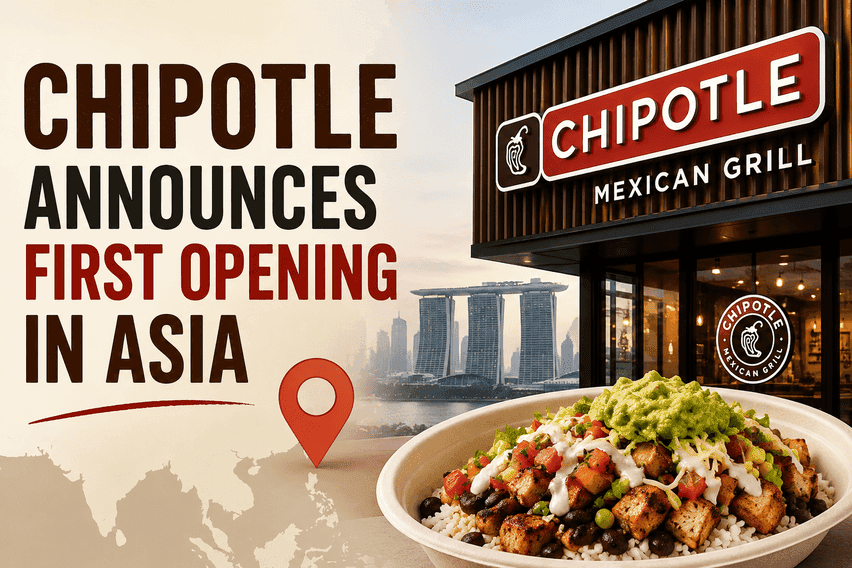
Chipotle makes its highly anticipated entry into Asia with a Seoul opening, partnering with Sangmidang Holdings and setting a template for future international growth.
Sep 2, 2026
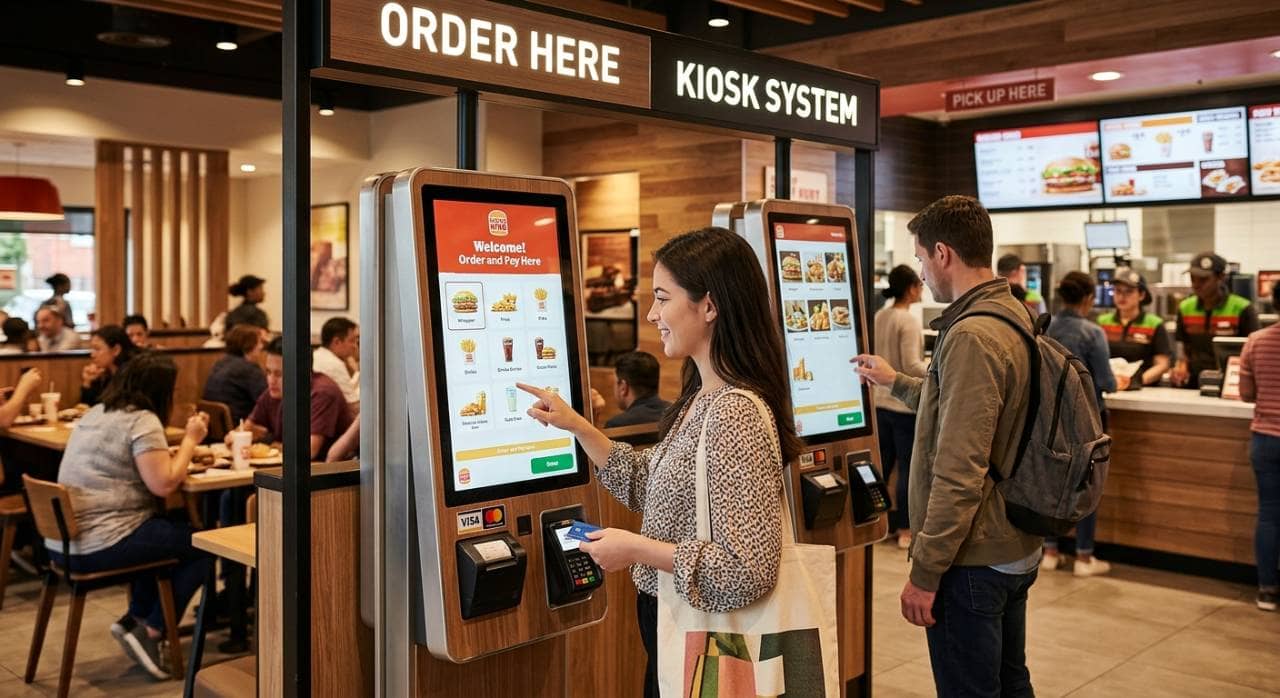
Understand how to evaluate a Kiosk system using key criteria including features, POS integration, hardware, pricing, customer experience, and support.
Aug 31, 2026

Learn how to calculate restaurant cost of goods using inventory, purchases, COGS percentage, variance reviews, and regular tracking for profitability.
Aug 31, 2026

Explore restaurant technology trends in 2026, including AI, automation, digital ordering, workforce tools, connected kitchens, personalization, and profitability strategies today.
Aug 28, 2026

Unlock Exclusive Access To Webinars, Events, And The Latest News For Free!
Learn when to sell franchise locations by evaluating financial performance, operations, market conditions, lease terms, and long-term business goals carefully.
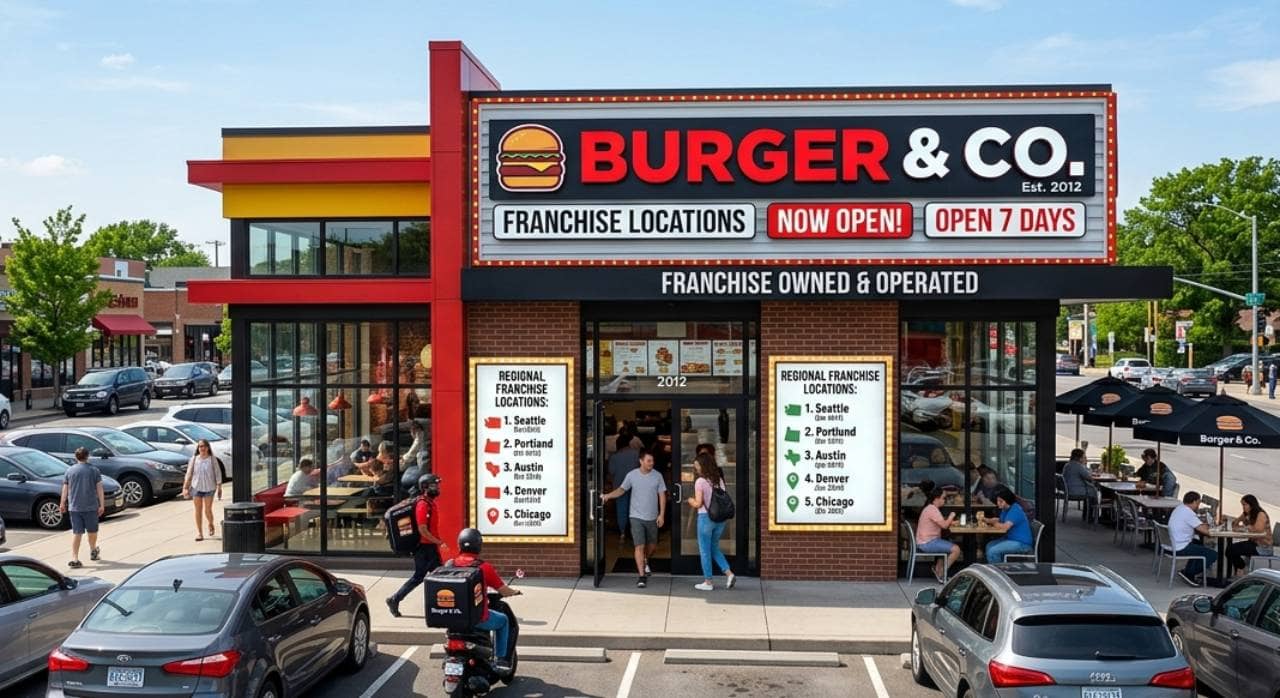
Selling your restaurant franchise locations means transferring ownership of one or more franchised units to a qualified buyer. Unlike selling an independent restaurant, the process usually involves the franchisor, who may need to approve the buyer, review financial qualifications, and confirm that the transfer meets franchise agreement requirements. Restaurant owners can sell a single location, selected units, or an entire portfolio. The right choice depends on financial goals, operational priorities, and long-term plans. Selling one location may help an owner focus on stronger-performing restaurants, while selling multiple locations may support retirement, debt reduction, or a broader business exit. The transaction may include equipment, inventory, lease rights, operating assets, licenses, and other agreements connected to the restaurant. However, the buyer must typically meet the franchisor's standards before taking over operations. Timing can significantly affect the sale process. Franchise locations with stable revenue, consistent profitability, organized financial records, strong management, and well-maintained facilities may be more attractive to potential buyers. Declining sales, expiring leases, required renovations, or unresolved operational issues can make a sale more difficult. For this reason, selling franchise locations should be treated as a planned business decision. Preparing early gives owners more flexibility to improve operations, organize records, and choose the right time to sell.
Before deciding whether it is the right time to sell your restaurant franchise locations, start with the numbers. Buyers will typically evaluate financial performance closely, and owners should do the same before entering the market. A location that produces predictable revenue, healthy cash flow, and consistent profits may be easier to value and more attractive to potential buyers. Focus on these key financial indicators - 1. Revenue Trends - Review sales performance over the past three to five years. Look at whether revenue is growing, remaining stable, or declining. Consistent upward or stable sales trends can provide buyers with greater confidence in the business. Sudden declines should be investigated before deciding to sell. 2. Profitability - Analyze operating profit and net income rather than relying only on total sales. A restaurant may generate strong revenue but still struggle with high food, labor, occupancy, or franchise-related costs. Buyers will want to understand how much profit the location actually produces. 3. Cash Flow - Evaluate whether the business regularly generates enough cash to cover operating expenses, debt payments, and capital needs. Predictable positive cash flow can make a franchise location more appealing because it demonstrates the business's ability to support ongoing operations. 4. Food and Labor Costs - Track major operating expenses as percentages of sales. Rising food or labor costs can reduce profitability even when revenue remains steady. Owners should identify whether cost increases are temporary or part of a longer-term trend. 5. Same-Store Sales - For owners with multiple franchise locations, compare sales growth at locations that have been operating for a consistent period. Same-store sales can help separate true business growth from revenue increases caused by opening additional units. 6. Debt and Financial Obligations - Review outstanding loans, equipment financing, lease obligations, and other liabilities connected to each location. High debt levels may affect the structure of a sale or reduce the owner's net proceeds. 7. Capital Expenditure Needs - Estimate upcoming costs for equipment replacement, remodels, technology upgrades, or franchisor-required renovations. Significant future investment requirements may influence whether selling sooner or investing first makes more financial sense. Restaurant owners should evaluate these metrics together rather than relying on a single number. Strong sales with declining margins may signal a different situation than stable revenue with improving profitability. The goal is to understand whether the financial direction of your franchise locations supports a sale now or whether improving performance first could strengthen the business's position before going to market.

Financial performance is important, but daily operations can also indicate whether it may be the right time to sell your restaurant franchise locations. A business can remain profitable while becoming increasingly difficult to manage. When operational demands rise faster than the owner's ability or willingness to handle them, selling may become a practical option. One important signal is increasing management complexity. Multi-unit restaurant owners must oversee staffing, inventory, scheduling, compliance, maintenance, customer service, and financial performance across several locations. If these responsibilities are consuming more time without producing stronger results, owners may need to reconsider whether every location still fits their strategy. Staffing challenges can also influence the decision. Persistent turnover, difficulty hiring managers, frequent call-outs, and ongoing training needs can make a location more demanding to operate. While staffing issues alone may not justify a sale, recurring labor problems combined with weaker margins or declining sales can create additional pressure. Owners should also evaluate operational consistency. Compare key indicators such as service times, food waste, labor productivity, inventory variance, customer complaints, and health inspection performance across locations. A unit that consistently falls behind the rest of the portfolio may require more management attention than it contributes in value. Another factor is upcoming capital investment. Aging kitchen equipment, dining room renovations, technology upgrades, or franchisor-required remodels can require significant spending. If a location is approaching a major investment cycle, owners should compare the expected return from making those improvements with the potential benefits of selling. Finally, consider the strength of the management team. Franchise locations that depend heavily on the owner for daily decision-making may be harder to transfer smoothly. Locations with experienced managers, documented procedures, and stable operating systems are generally better positioned for an ownership transition. The key is to look for patterns rather than isolated problems. One difficult month or temporary staffing shortage may not be a reason to sell. However, ongoing operational strain, rising capital needs, declining consistency, and growing owner involvement can signal that it is time to evaluate whether holding the location still supports your broader business goals.
Many restaurant owners assume they should sell only when a franchise location begins to struggle. In reality, strong performance can be one of the best times to evaluate a sale. Buyers often place greater value on locations that show consistent revenue, stable margins, reliable cash flow, and well-controlled operations. Use measurable performance indicators to assess whether a strong location may be ready for the market - 1. Consistent Revenue Growth - Review monthly and annual sales trends. A location with steady revenue growth over several reporting periods can demonstrate demand and operational stability. Buyers generally want to understand whether recent performance reflects a sustainable pattern rather than a temporary increase. 2. Stable or Improving Profit Margins - Track gross profit, operating profit, and net profit margins. Revenue growth is less meaningful if costs are rising faster than sales. A location with stable or improving margins may present a stronger financial profile. 3. Positive Cash Flow - Calculate how consistently the restaurant generates positive operating cash flow after regular expenses. Predictable cash generation can help demonstrate that the business is financially sustainable. 4. Controlled Food and Labor Costs - Compare food cost and labor cost percentages over time. Large swings can indicate operational inconsistency, while stable cost ratios may show stronger management controls. 5. Strong Same-Store Sales - For multi-unit owners, compare performance across locations. If one restaurant consistently generates stronger same-store sales and profitability, it may attract more buyer interest than a location with inconsistent results. 6. Limited Owner Dependence - Measure how frequently the owner must step into daily operations. A restaurant supported by experienced managers, documented procedures, and clear reporting systems may be easier to transfer to a new operator. 7. Manageable Capital Requirements - Review upcoming equipment replacements, renovations, and franchisor-required upgrades. A location with limited near-term capital needs may be more appealing than one requiring significant immediate investment. Waiting until performance declines can create additional challenges. Falling revenue, shrinking margins, management turnover, or deferred maintenance may weaken buyer confidence and reduce negotiating leverage. The decision to sell should not be based on strong performance alone. However, when revenue, profitability, cash flow, operational stability, and management independence are all moving in a positive direction, restaurant owners may be in a stronger position to evaluate a sale before business conditions change.
The right time to sell your restaurant franchise locations depends not only on how the business is performing, but also on what is happening in the broader market. Even a profitable location may be more difficult to sell when buyer demand is weak, financing is expensive, or local market conditions are uncertain. Start by looking at buyer activity in your segment. If there is strong interest in established restaurant franchises, multi-unit operations, or locations within your brand, owners may have more opportunities to attract qualified buyers. Greater demand can also create a more competitive sale process. Financing conditions are another important factor. Many buyers depend on loans or outside capital to complete an acquisition. When financing is easier to obtain, more buyers may be able to participate in the market. When borrowing costs rise or lending standards become stricter, the pool of qualified buyers may become smaller. Restaurant owners should also evaluate the local market around each franchise location. Population growth, new housing, business development, traffic patterns, and commercial activity can influence how buyers view future potential. On the other hand, increasing competition, declining foot traffic, or major changes in the surrounding area may affect demand. The condition of the restaurant industry and franchise sector also matters. Buyers often consider consumer spending patterns, operating costs, labor availability, and the overall reputation and growth outlook of the franchise brand before making an offer. For multi-unit owners, market conditions may vary from one location to another. One restaurant may operate in a growing trade area with strong buyer interest, while another may face heavier competition or slower local development. This is why owners should evaluate each unit individually instead of assuming every franchise location should be sold at the same time. Market timing is rarely perfect. Trying to predict the exact peak can lead owners to delay a decision for too long. A more practical approach is to combine external market conditions with internal business performance. When buyer demand is healthy, financing is accessible, local conditions are favorable, and your franchise locations are performing consistently, the environment may support exploring a sale. The goal is to understand how market conditions could affect buyer interest, valuation, and the time required to complete a transaction before deciding whether to sell now or wait.

Before selling your restaurant franchise locations, review the legal agreements that control the transfer. Even when a buyer is ready and the business is performing well, franchise and lease requirements can affect whether the sale moves forward and how long the process takes. Start with the franchise agreement. Most franchisors have specific rules for transferring ownership. These may include buyer approval, financial qualification standards, required training, transfer fees, and documentation requirements. Some agreements may also give the franchisor certain rights related to the sale or require the seller to meet specific conditions before a transfer can be completed. Next, review the remaining term of the franchise agreement. A location with only a short period left on its agreement may raise additional questions for buyers. They may want to know whether the franchise can be renewed, what renewal costs may apply, and whether the franchisor will require upgrades or renovations. The commercial lease is equally important. Check how much time remains on the lease and whether renewal options are available. A buyer may be less interested in a restaurant if the lease expires soon or if the landlord has not agreed to an assignment or new lease. Pay attention to these key areas - 1. Transfer Requirements - Determine what approvals are needed from the franchisor and landlord. 2. Transfer Fees - Identify any costs associated with changing ownership. 3. Lease Assignment - Confirm whether the existing lease can be transferred to the buyer. 4. Remaining Lease Term - Review whether the lease provides enough operating time for a new owner. 5. Renewal Options - Check whether future extensions are available and under what terms. 6. Required Remodels - Determine whether the franchisor expects renovations, equipment upgrades, or brand updates before or after the transfer. Timing these factors correctly can make a significant difference. For example, waiting until a lease is close to expiration may create uncertainty, while selling shortly before a major required remodel could affect how buyers value the location. Restaurant owners should review franchise agreements and leases early in the decision-making process. Understanding transfer restrictions, renewal timelines, fees, and capital requirements can help prevent unexpected delays and provide a clearer picture of whether now is the right time to sell.
The right time to sell your restaurant franchise locations is not determined by financial performance alone. Your personal priorities and long-term business goals also play an important role in the decision. Start by asking what you want your business to look like over the next several years. Some restaurant owners may want to continue expanding, while others may prefer to reduce the number of locations they operate. Selling selected units can free up capital, reduce management responsibilities, and allow owners to focus on stronger-performing locations or new opportunities. Retirement is another common consideration. If you are planning to step away from the business, preparing for a sale early can give you more time to strengthen financial records, build a reliable management team, and address operational issues before entering the market. Waiting until you need to exit quickly may limit your options. Owners should also consider whether their current franchise locations still match their overall strategy. A location that requires significant attention but contributes relatively little profit may no longer fit the portfolio. In other situations, selling a profitable location could provide capital for debt reduction, expansion into a stronger market, or investment in a different restaurant concept. For multi-unit operators, the decision does not have to be all or nothing. You may choose to sell - - A single location that no longer fits your strategy - Several locations within a specific market - Lower-performing units that require excessive resources - High-value locations to generate capital - An entire portfolio as part of a complete exit Personal workload should also be considered. Managing multiple restaurants can require significant time and attention. If the business is affecting your ability to pursue other priorities, reducing the size of your portfolio may be worth evaluating even when the locations remain profitable. Ultimately, the timing of a sale should support both your financial objectives and your future plans. A strong decision begins with understanding what you want to achieve after the transaction.
After reviewing your financial performance, daily operations, market conditions, franchise agreement, lease terms, and long-term goals, the final step is deciding whether to sell now, improve the business before selling, or wait for a better time. There is rarely one signal that makes the decision obvious. Instead, restaurant owners should look at several factors together and determine which direction creates the strongest overall position. Sell Now Selling now may make sense when your franchise locations are financially stable, buyer demand is healthy, lease and franchise terms support a transfer, and the sale aligns with your personal or business goals. Strong revenue, predictable cash flow, experienced management, and organized financial records can also make the business easier for buyers to evaluate. Owners may also decide to sell when they no longer want to manage certain locations, need capital for another investment, or are preparing for retirement. Improve First Some locations may benefit from operational or financial improvements before being brought to market. Owners should identify issues that could reduce buyer confidence or weaken the value of the business. These may include - - Declining sales - Inconsistent profit margins - High food or labor costs - Frequent management turnover - Poorly organized financial records - Deferred equipment maintenance - Unresolved lease issues - Heavy dependence on the owner Addressing these problems before selling may create a stronger business profile and make the transition easier for a potential buyer. Wait and Reevaluate Waiting may be the better option when market conditions are weak, financing is difficult for buyers to obtain, or the business is undergoing temporary challenges that are likely to improve. Owners may also choose to wait when revenue is growing and they believe additional operating history could strengthen future performance. However, waiting should be an active decision rather than simply delaying the process. Set a timeline for reviewing the business again and track measurable indicators such as sales growth, profitability, cash flow, labor costs, and capital requirements. The right time to sell your restaurant franchise locations is ultimately when the financial, operational, market, and personal factors are reasonably aligned. Owners who prepare early have more flexibility to choose their timing rather than being forced to sell because of financial pressure or operational problems. By evaluating the business objectively and planning ahead, you can make a more informed decision about whether to sell now, improve first, or continue operating until conditions better support your exit goals.