True Food Kitchen Files Bankruptcy, Closes 12 Sites
True Food Kitchen filed for Chapter 11 bankruptcy, closing 12 locations and shrinking to 34 restaurants across 14 states amid $42.1 million in debt.
News
Oct 5, 2026
True Food Kitchen filed for Chapter 11 bankruptcy, closing 12 locations and shrinking to 34 restaurants across 14 states amid $42.1 million in debt.
Oct 5, 2026

Snooze Eatery names industry veteran Amy Hom as COO, starting Sept. 28, to strengthen hospitality and operations ahead of its next growth phase.
Oct 5, 2026
Restaurants can control operating costs by tracking food, labor, rent, utilities, technology, marketing, and other expenses against sales.
Oct 5, 2026

Opening a second restaurant location requires readiness, clear goals, financial planning, funding, smart strategy, standardized operations, strong teams, and careful launch monitoring for sustainable growth.
Sep 30, 2026

Evaluate restaurant industry performance in Q3 2026 through key trends affecting restaurant sales, traffic, consumer spending, labor, costs, and technology.
Oct 2, 2026
Improve restaurant visibility with local SEO by optimizing Google Business Profile, targeting local keywords, managing reviews, and maintaining accurate online information.
Oct 5, 2026
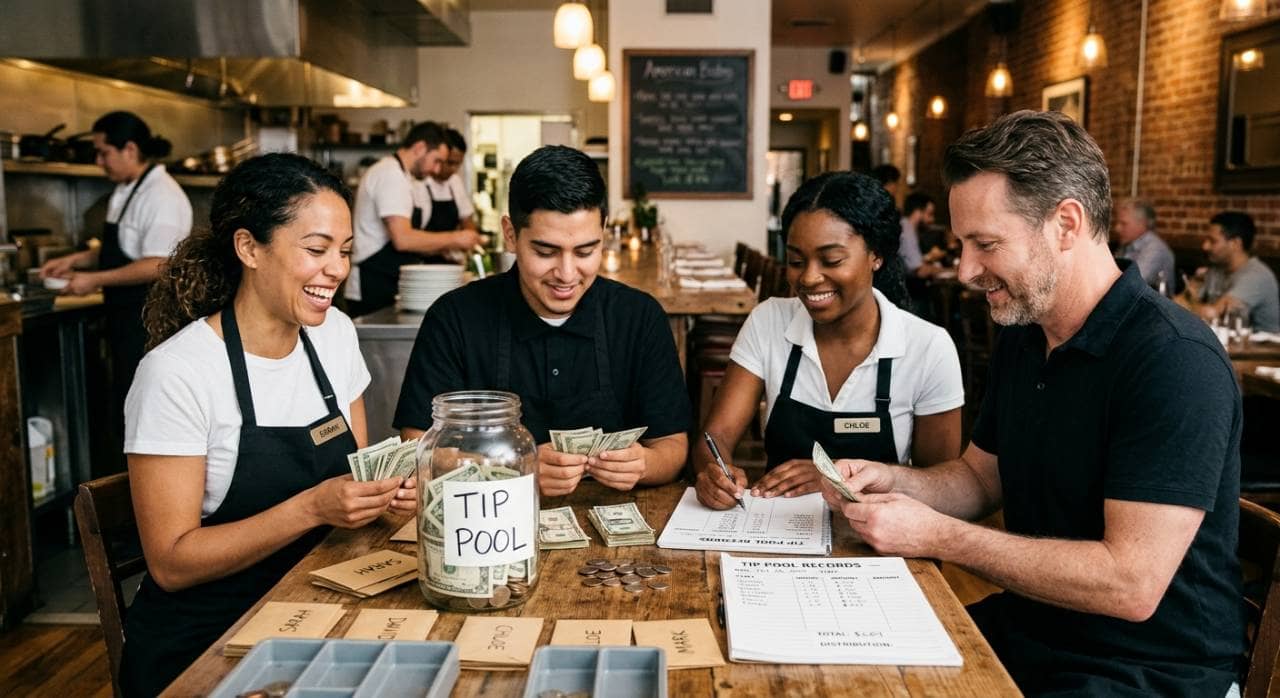
Understand tip pooling rules, employee eligibility, distribution methods, compliance requirements, recordkeeping practices, and policies restaurant owners need for proper tip management.
Oct 2, 2026

Whit's Frozen Custard hires industry veteran Amos Durbin as COO to guide franchise expansion, drawing on two decades of restaurant leadership experience.
Oct 2, 2026
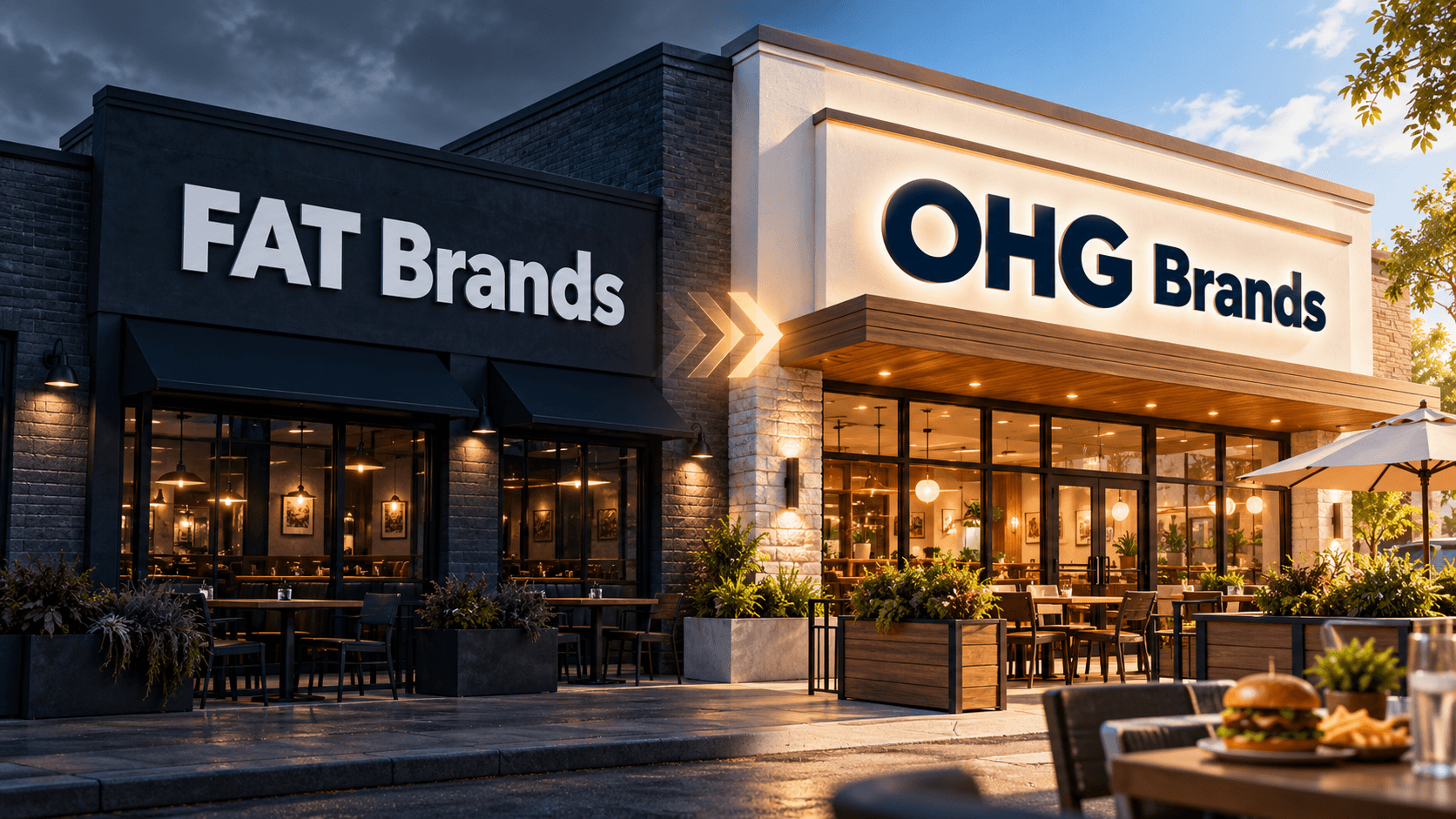
FAT Brands' $1B acquisition empire fell into bankruptcy and sold for $965M, re-emerging as OHG Brands with 1,700 restaurants.
Oct 1, 2026
CAVA names John Ludeke, former Dr. Squatch Chief Brand Officer, as its new CMO to drive national growth and guest loyalty.
Oct 1, 2026

Unlock Exclusive Access To Webinars, Events, And The Latest News For Free!
Caribou Coffee appoints Zane Thomas-Rogers as Chief Operations Officer to strengthen execution across its expanding coffeehouse network.
Walk through the back of almost any restaurant kitchen and you'll find it - trim scraps tossed instead of repurposed, a hotel pan of yesterday's special heading to the trash, produce gone soft in the walk-in before anyone got to it. It's easy to write these off as the unavoidable cost of doing business. They're not - and the numbers make that clear. On average, restaurants throw away somewhere between 4% and 10% of the food they purchase before it ever reaches a customer, and total plate waste across the industry runs even higher when you factor in what diners leave behind. For a mid-sized restaurant, that can translate into tens of thousands of dollars a year in ingredients paid for, stored, prepped, and never sold. In an industry where average profit margins often sit in the low single digits, food waste isn't a rounding error - it's frequently the difference between a profitable year and a break-even one. The good news is that food waste is one of the most controllable costs in a restaurant. Unlike rent or labor, which are largely fixed, waste is the direct result of decisions made every day - how much gets ordered, how it's stored, how it's prepped, and how it's portioned and served. Small adjustments at each of these stages compound into meaningful savings without requiring a bigger kitchen, more staff, or a menu overhaul.
Before fixing food waste, it helps to know exactly where it's coming from. Most restaurant waste falls into a handful of recurring categories, and identifying which ones apply most to your operation is the first step toward targeted, effective fixes.
Waste reduction starts long before food reaches the kitchen - it starts with what you decide to order in the first place. Purchasing decisions set the ceiling on how much waste is even possible downstream, which makes this stage one of the highest-leverage places to make changes.
Storage failures are not a minor contributor to restaurant food waste - they are one of the leading causes. Industry data consistently points to improper stock rotation, insufficient inventory monitoring, and incorrect storage conditions as primary drivers of spoilage, sitting alongside overproduction and plate waste as the top sources of loss across the sector. Restaurants waste between 4% and 10% of all food they purchase, with improper stock rotation, insufficient inventory monitoring, and improper storage conditions listed among the leading causes. That range may look narrow, but at the high end it represents one in every ten dollars spent on food walking straight into the trash before a single plate reaches a customer.
If storage is where waste quietly accumulates, prep is where it's actively created - and the data backs that up. Kitchen preparation is consistently identified as the single biggest contributor to restaurant food waste, driven by overproduction, peeling and cutting losses, and expired product making its way into dishes before anyone catches it. Unlike spoilage, which happens passively, prep waste is generated by daily decisions at the cutting board and the stove - which makes it one of the more controllable categories once it's measured.
The majority of foodservice waste - a striking 70% - comes from plate waste, meaning food that's served but never eaten, whether at the table or from a buffet line. That reframes the problem - much of service-stage waste isn't about what the kitchen does wrong, but about how much food is put in front of guests relative to what they'll actually consume.
Every strategy covered in this guide depends on the same underlying condition - someone has to actually track whether it's working. Right now, most restaurants don't. Only about 32% of U.S. restaurants have a formal food waste reduction policy in place, which means the majority are managing one of their largest controllable costs without a structured process behind it.