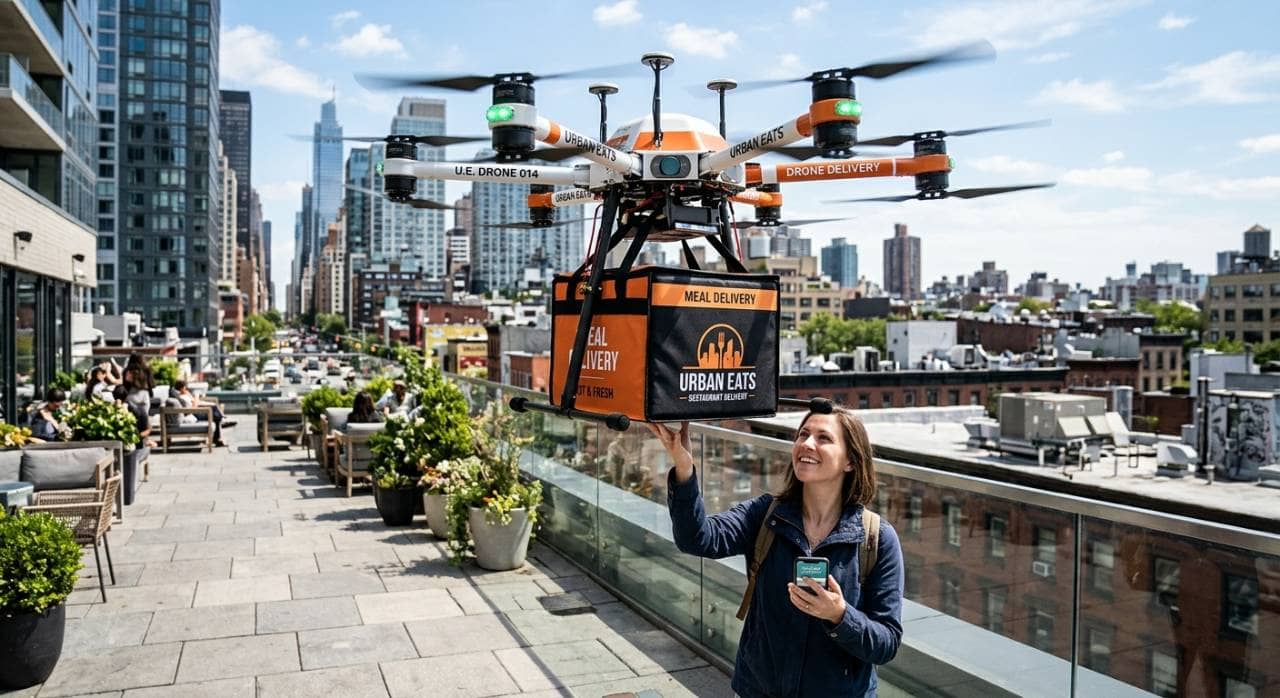
The Future of Drone Delivery in the Restaurant Industry
Drone delivery could transform restaurant operations through faster fulfillment, improved convenience, and new opportunities.
Technology
Oct 21, 2026
Drone delivery could transform restaurant operations through faster fulfillment, improved convenience, and new opportunities.
Oct 21, 2026

Shannon McNiel takes sole control as CEO of Tom's Watch Bar as the sports-bar chain posts $89.6M in 2025 sales and 46.2% unit growth.
Oct 21, 2026
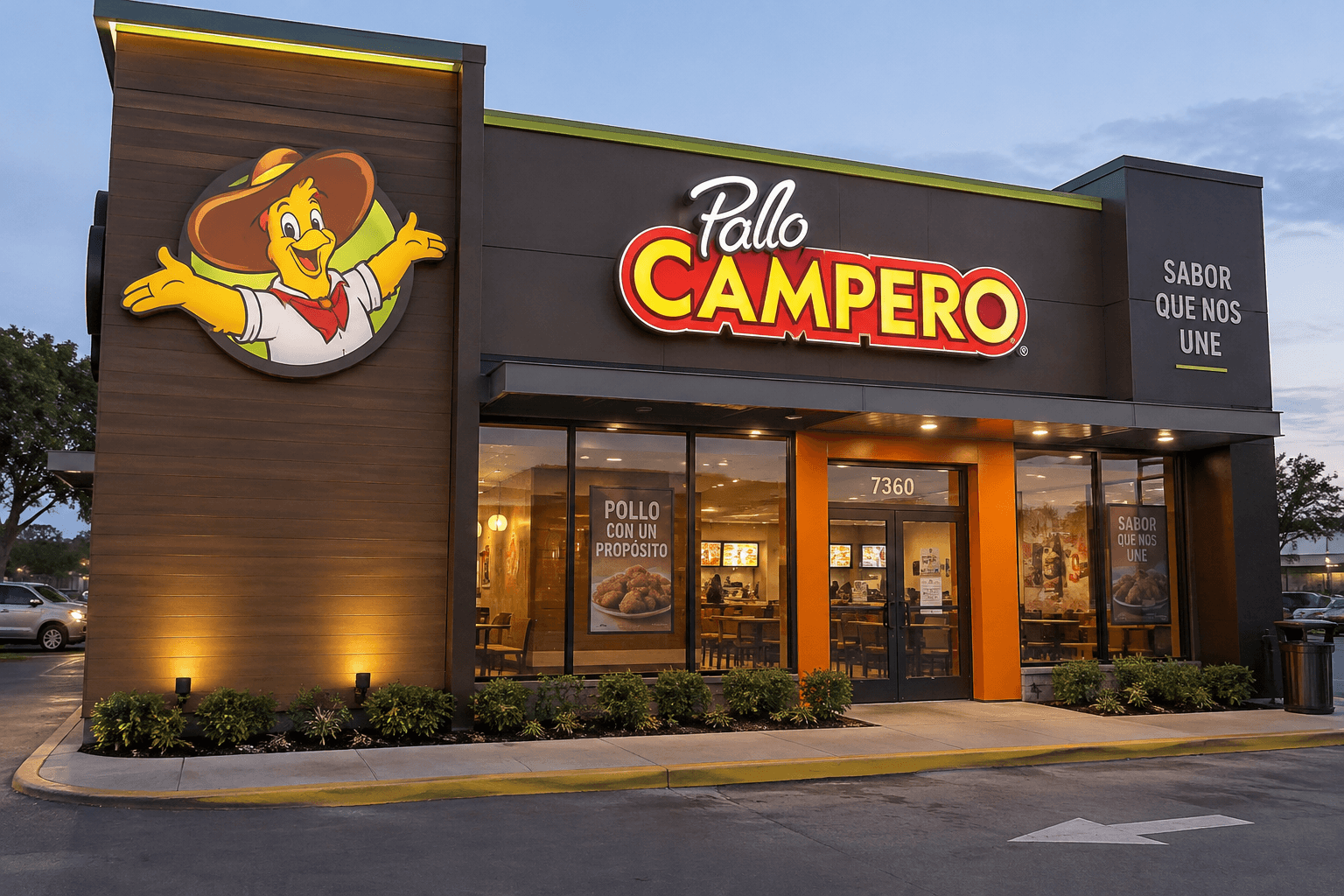
Pollo Campero taps Carl's Jr. veteran Julio Sánchez as new U.S. CEO, charged with boosting sales, brand awareness, and guest experience.
Oct 20, 2026

Michelin-trained chef Cornelia Sühr brings a global résumé to White Barn Inn's new Coast Line & Forest tasting menu in Kennebunkport, Maine.
Oct 20, 2026

Olo debuts a consumer ordering app, challenging DoorDash and Uber Eats with lower fees and restaurant-owned customer data.
Oct 20, 2026
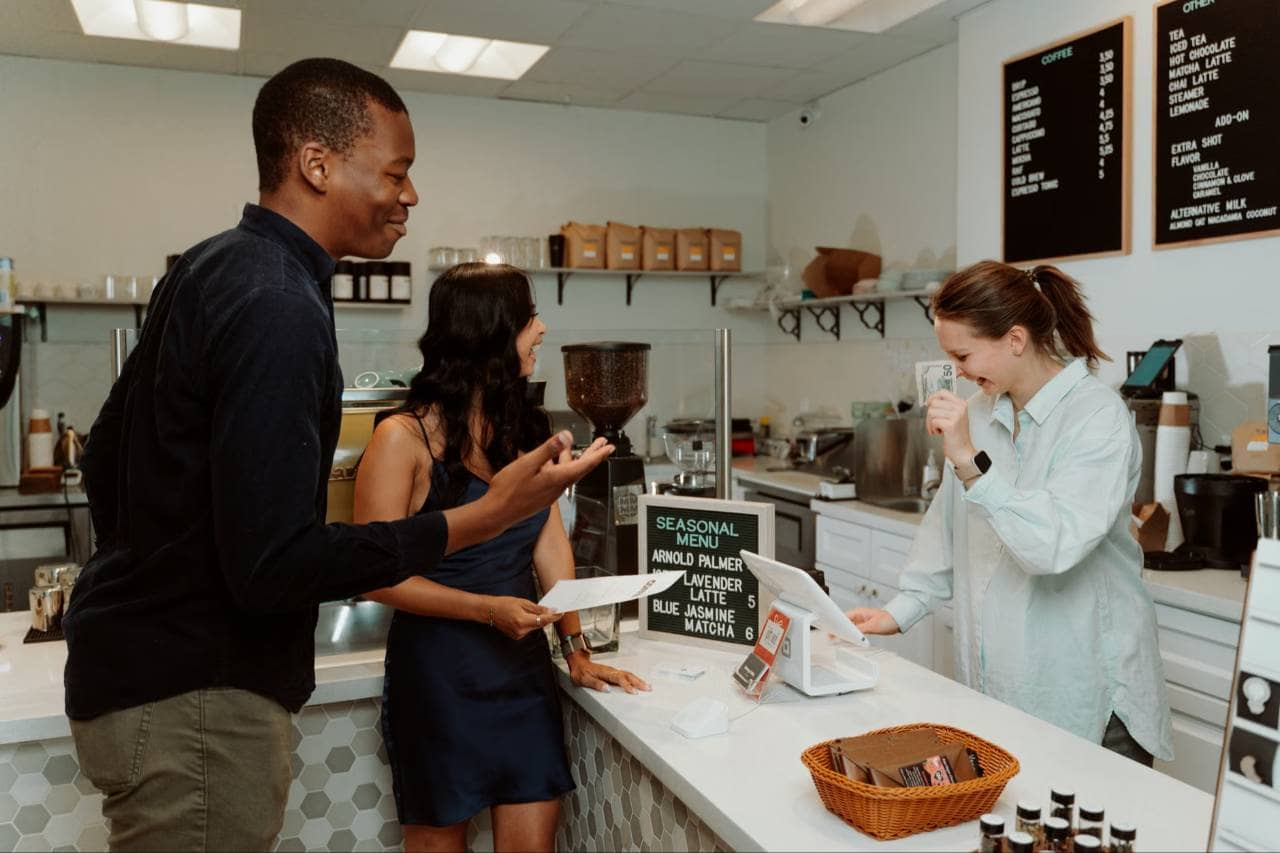
Coffee shops can boost sales by combining happy hours, bundles, limited-time drinks, seasonal menus, loyalty rewards, and friendly upselling, while tracking results and avoiding over-discounting.
Oct 19, 2026

Learn how to calculate overtime pay for restaurant employees, apply correct rates, avoid payroll mistakes, comply with labor laws, and control labor costs.
Oct 16, 2026

Learn how to prepare an accurate balance sheet by organizing financial records, valuing assets, recording liabilities, reconciling accounts, and preventing accounting errors.
Oct 19, 2026
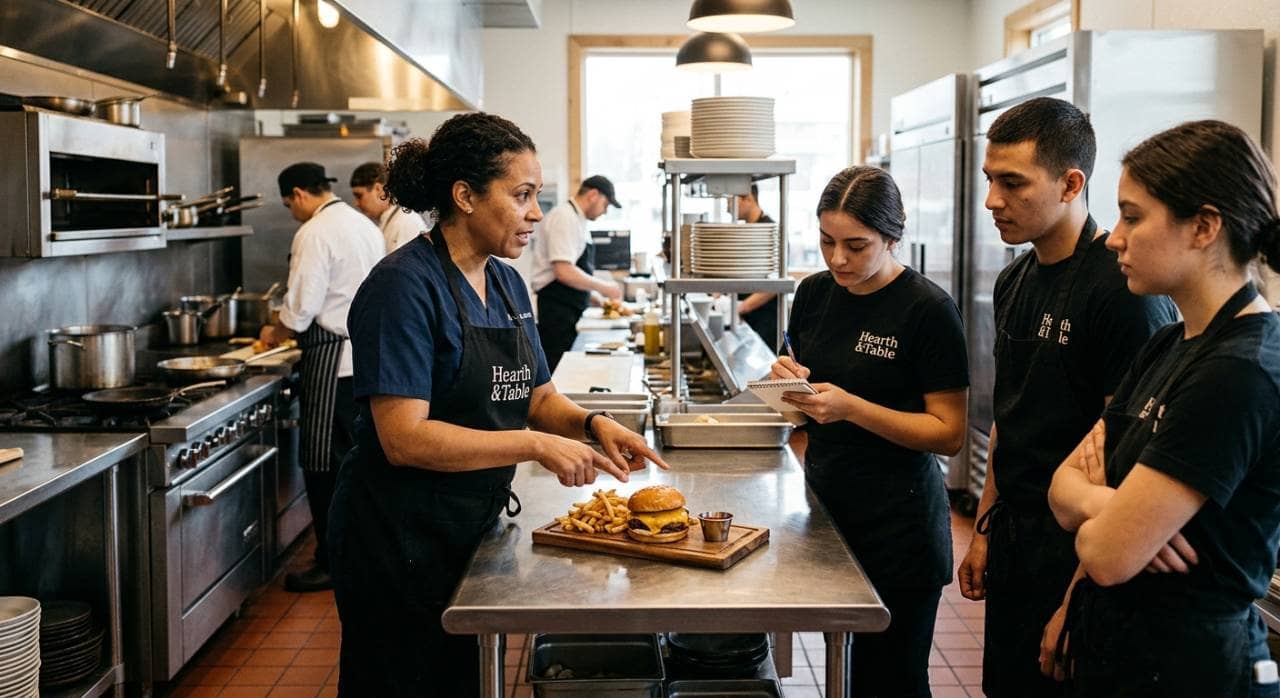
Build a structured training program covering onboarding, roles, service, food safety, and growth to boost consistency, retain staff, and deliver reliably excellent guest experiences.
Oct 16, 2026
Freddy's celebrates 600 restaurants with a smaller, drive-thru-free format in Beaufort, SC, reshaping its real estate, tech, and pricing strategy.
Oct 16, 2026

Unlock Exclusive Access To Webinars, Events, And The Latest News For Free!
Drone delivery could transform restaurant operations through faster fulfillment, improved convenience, and new opportunities.
Drone delivery uses unmanned aerial vehicles (UAVs) to transport food orders from restaurants to customers without requiring a driver to travel by road. As restaurants look for new ways to improve delivery speed and convenience, this technology is becoming an important development to watch. Understanding how drone delivery works helps restaurant owners evaluate its potential benefits, limitations, and role in future operations. The process typically begins when a customer places an order through a restaurant's website, mobile app, or online ordering platform. Restaurant staff prepare the food, secure it in suitable packaging, and transfer it to a designated pickup area. The drone then carries the order along a planned flight route to an approved delivery location. Depending on the service, customers may collect the package from a designated landing area or receive it through a specialized delivery mechanism. Several technologies support this process - 1. GPS navigation - Helps drones determine their location and follow planned routes to delivery destinations. 2. Automated flight systems - Support flight control, navigation, and obstacle detection, depending on the drone's capabilities. 3. Digital order tracking - Allows restaurants and customers to monitor delivery progress and receive status updates. 4. Secure cargo compartments - Help protect food during transportation and reduce the risk of spills or damage. For restaurant owners, the key consideration is understanding where drone delivery fits into existing operations. Drones are not a universal replacement for delivery drivers. Their usefulness depends on local regulations, flight range, weather conditions, customer location, and the type of food being delivered. Evaluating these factors provides a foundation for understanding how this technology could influence restaurant delivery in the years ahead.
The future of drone delivery in the restaurant industry will depend on advances in technology, changes in customer behavior, and the development of regulations that govern commercial drone operations. Although drone delivery is not suitable for every restaurant or location, several emerging trends could make it a more practical option for food businesses over time. 1. Advances in drone technology are helping improve navigation, flight control, battery performance, and cargo handling. These developments could allow delivery providers to transport orders more reliably and serve a wider range of locations. However, flight range, payload capacity, and weather resistance remain important limitations that restaurant owners must consider. 2. Automation and digital integration are also shaping the industry. Drone delivery services may connect with online ordering platforms, restaurant management systems, and delivery tracking tools. These integrations can help coordinate order preparation with drone availability, reduce manual communication, and give restaurant staff better visibility into the fulfillment process. Effective integration will become increasingly important as restaurants manage orders across multiple delivery channels. 3. Changing customer expectations may further influence adoption. Customers increasingly value convenience, reliable delivery estimates, and visibility into their orders. Drone delivery could offer an alternative for certain short-distance orders, particularly when road congestion affects traditional delivery times. However, customers will still expect food to arrive securely packaged and at an appropriate temperature. Regulatory developments will play an equally important role. Commercial drone operations may require specific approvals, restrictions on flight paths, qualified operators, and compliance with local aviation rules. Urban environments can present additional challenges because of buildings, crowded spaces, and designated no-fly zones. Finally, the economics of drone delivery will determine how widely restaurants adopt it. Improvements in technology may help reduce operating costs, but equipment, maintenance, insurance, and service fees can affect profitability. Restaurant owners should monitor these trends without assuming drone delivery will become suitable for every business. Understanding technological progress, customer demand, regulatory requirements, and operating costs will help owners determine when this delivery method may offer a practical advantage.
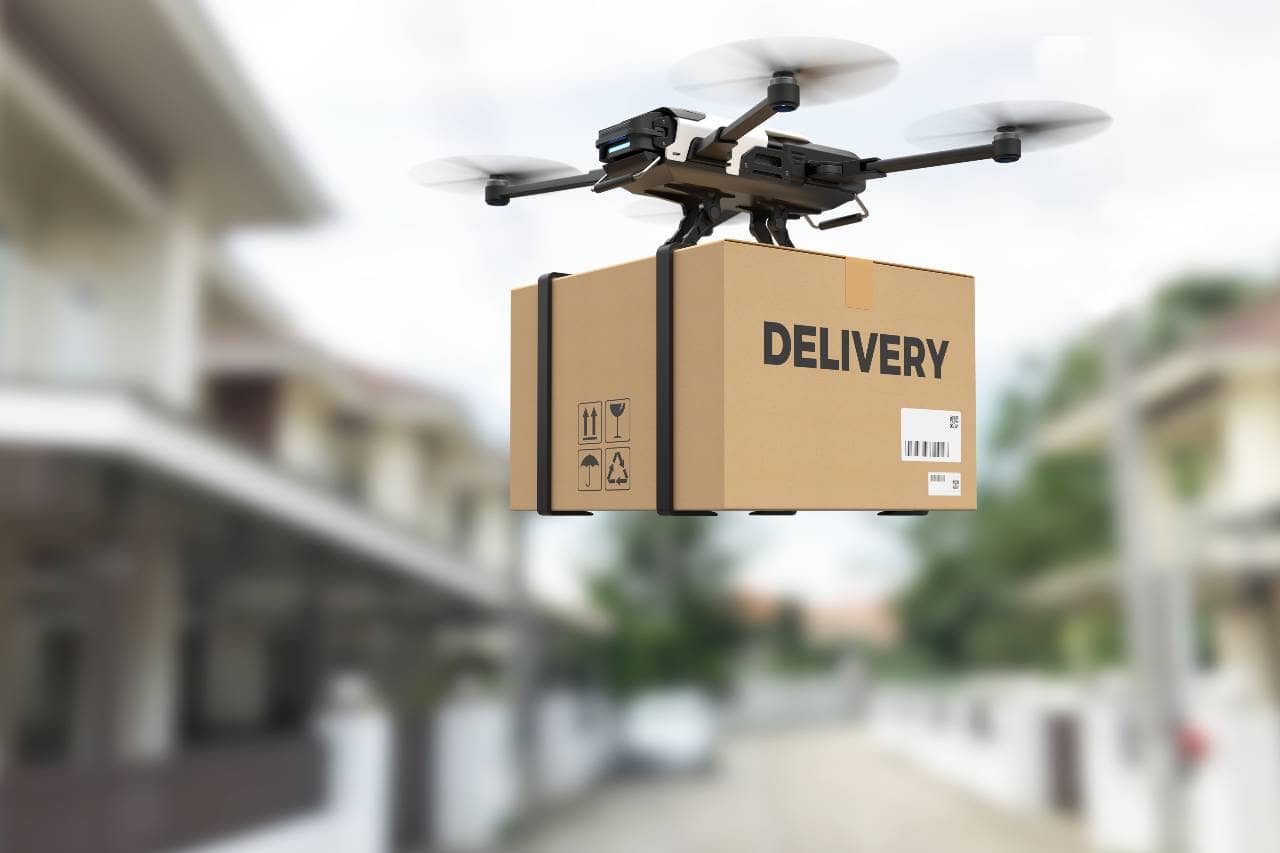
Drone delivery could introduce new ways for restaurants to manage order preparation, packaging, dispatch, and fulfillment. To make this delivery method work efficiently, restaurant owners need to coordinate kitchen workflows, technology, and staff responsibilities while maintaining reliable alternatives for orders that drones cannot accommodate. 1. Synchronize Food Preparation With Delivery Schedules Restaurants must coordinate kitchen preparation with drone pickup availability to prevent unnecessary delays and protect food quality. Orders prepared too early may lose their ideal temperature while waiting, while late preparation can cause missed pickup windows. Restaurant managers should monitor average preparation times and establish clear communication between kitchen staff and delivery operators. Aligning order completion with scheduled pickups can help reduce waiting time and improve fulfillment consistency. 2. Adapt Packaging and Order Handoff Procedures Drone delivery requires packaging that keeps meals secure during transportation. Containers must resist spills, prevent movement, and protect food from outside conditions. Restaurants may also need designated pickup areas where completed orders can be transferred safely to delivery personnel or automated loading systems. Owners should assess whether their current packaging meets the delivery provider's requirements and establish standardized handoff procedures. These measures can help reduce packaging damage, order mix-ups, and unnecessary delays. 3. Connect Drone Delivery With Restaurant Technology Integrating drone delivery services with online ordering platforms and point-of-sale (POS) systems could improve order coordination and tracking. Connected systems may allow restaurant staff to monitor preparation status, confirm dispatch, and identify fulfillment delays without relying on repeated manual updates. Before adopting a service, restaurant owners should evaluate its compatibility with existing technology. Reliable integration can reduce administrative work, improve order visibility, and help managers make better operational decisions. 4. Coordinate Drone Delivery With Existing Fulfillment Methods Drone delivery will not be suitable for every order. Large meals, bulky packages, restricted destinations, and deliveries requiring direct customer assistance may still require traditional drivers or customer pickup. Restaurants should establish clear criteria for assigning orders to different delivery methods. Factors such as package weight, delivery distance, customer location, weather conditions, and service availability can help determine the most appropriate fulfillment option. Maintaining multiple delivery channels also provides a backup when drones cannot operate because of technical problems, unfavorable weather, or regulatory restrictions. 5. Track Operational Performance and Resolve Delivery Issues Restaurant owners should measure whether drone delivery improves efficiency instead of assuming that automation will automatically produce better results. Monitoring performance helps identify bottlenecks and determine whether the service justifies its operational costs. Important metrics include - Average fulfillment time - Measures the time from order placement to customer receipt. Pickup delay rate - Tracks how often orders miss their scheduled collection times. Order accuracy rate - Measures how consistently customers receive the correct items. Cost per delivery - Compares drone delivery expenses with existing fulfillment methods. Food quality complaints - Identifies problems involving temperature, packaging, or transportation. Managers should also establish procedures for delayed pickups, canceled orders, failed deliveries, and customer complaints to ensure that disruptions are handled consistently. Drone delivery can provide restaurants with an additional fulfillment option, but its operational value depends on effective coordination. By synchronizing food preparation, standardizing packaging, integrating technology, and measuring performance, restaurant owners can determine whether drone delivery improves efficiency without compromising food quality or service reliability.
Delivery speed plays an important role in customer satisfaction and restaurant performance. Long delivery times can affect food quality, increase customer complaints, and make it harder for restaurants to meet expected delivery windows. Drone delivery could help address some of these challenges by transporting eligible orders through the air rather than relying exclusively on road-based routes. One potential advantage is reduced dependence on road traffic. In areas where congestion frequently slows drivers, drones may be able to follow more direct routes between approved pickup and delivery locations. This could shorten travel times for certain orders, particularly over relatively short distances. However, the actual time saved will depend on flight restrictions, launch procedures, delivery handoffs, and the customer's location. Drone delivery may also help streamline order fulfillment when the process is well coordinated. If a restaurant prepares an order at the right time and has a designated pickup area, the transition from kitchen to delivery can become more predictable. Automated tracking may also help staff identify delays and keep customers informed about their orders. Several limitations can also affect efficiency - 1. Weather conditions - Strong winds, heavy rain, and other unfavorable conditions may delay or prevent flights. 2. Battery capacity - Limited flight endurance can restrict delivery distance and require charging time between trips. 3. Payload restrictions - Drones may not accommodate large meals, bulky packaging, or heavy beverage orders. 4. Delivery access - Buildings, restricted airspace, and unsuitable drop-off locations can complicate delivery. Restaurant owners can assess performance by tracking average fulfillment time, on-time delivery rates, cost per order, and customer complaints. Comparing these metrics across delivery methods can reveal where drones provide a practical advantage.
Drone delivery could reshape what customers expect from restaurant delivery, including how quickly orders arrive, how meals are protected, and how easily customers can receive their food. Restaurant owners should consider six areas when evaluating how this technology may affect the customer experience. 1. Faster Deliveries and Better Order Tracking Customers want convenient ordering, reliable arrival estimates, and updates throughout the delivery process. Drone delivery could reduce travel time for certain orders by avoiding road congestion, while digital tracking may help customers follow their orders from dispatch to arrival. Restaurants should focus on providing accurate delivery estimates rather than promising speed alone. Delays caused by weather, flight restrictions, or drone availability should be communicated promptly to avoid frustrating customers. 2. Consistent Food Quality Upon Arrival Customers expect meals to arrive fresh, properly packaged, and in good condition. Even if a drone delivers an order quickly, poor temperature control or damaged packaging can undermine satisfaction. Restaurant owners should evaluate insulated containers, secure closures, and packaging designed to prevent spills during transportation. Monitoring complaints about food temperature, damaged items, and missing products can help identify where delivery procedures need improvement. 3. Convenient and Accessible Delivery Handoffs Receiving an order from a drone may involve collecting it from a designated landing area or an approved drop-off point. This process could be convenient for some customers but difficult for people living in apartment complexes or those who cannot easily access the collection location. Restaurants should explain delivery instructions before customers place their orders. Providing traditional delivery or pickup alternatives can help ensure that customers are not excluded by the limitations of drone-based services. 4. Greater Transparency Around Privacy and Safety Some customers may be concerned about drones flying near their homes, collecting images, or operating in populated areas. These concerns could affect their willingness to use the service. Restaurants can help by explaining how deliveries work, providing clear tracking information, and working with providers that follow applicable aviation, privacy, and safety requirements. Clear communication helps customers understand what to expect without overstating the capabilities of the technology. 5. More Choice in How Customers Receive Orders Drone delivery will not suit every customer or every menu item. Small, lightweight orders may be appropriate for aerial delivery, while large meals, bulky orders, and deliveries requiring personal assistance may be better handled by drivers. Offering multiple fulfillment methods allows restaurants to accommodate different customer preferences. Owners should evaluate which orders qualify for drone delivery and make alternative options easy to select during checkout. 6. Measurable Improvements in Customer Satisfaction Restaurant owners should use performance data to determine whether drone delivery genuinely improves the customer experience. Useful indicators include - On-time delivery rate - Measures whether orders arrive within the promised delivery window. Order complaint rate - Tracks issues involving delays, packaging, food quality, and failed handoffs. Customer satisfaction scores - Reveal how customers evaluate convenience and reliability. Repeat order rate - Helps assess whether customers continue using the delivery service. Comparing these measures with traditional delivery performance can help owners identify benefits and areas for improvement. By measuring customer feedback and maintaining alternative delivery methods, restaurant owners can determine whether drone delivery is a worthwhile addition to their operations.
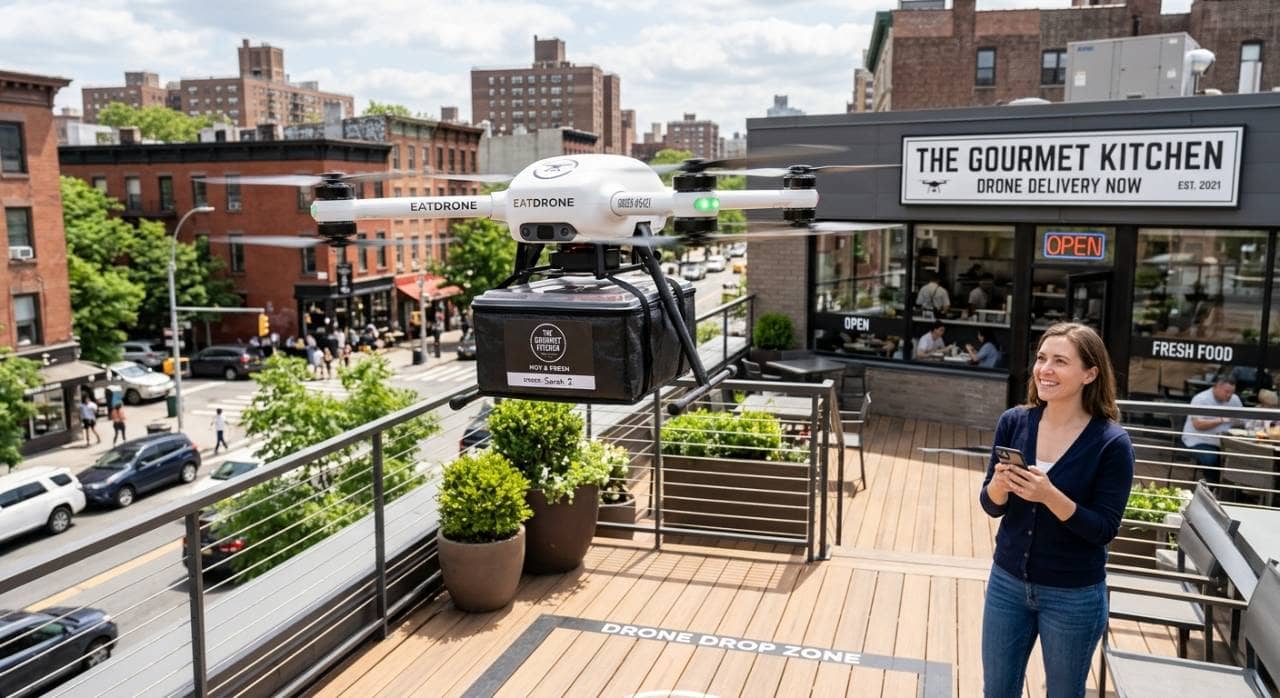
Drone delivery could create new opportunities for restaurants, but owners must understand the financial implications before deciding whether to adopt it. While this technology may reduce reliance on certain road-based deliveries, it also introduces costs that can affect profitability. Evaluating both sides helps restaurant owners determine whether drone delivery fits their business model. One of the first considerations is the cost of accessing drone delivery services. Restaurants may work with third-party providers that charge per delivery or through other service arrangements. Businesses operating their own drones may also face expenses for equipment, batteries, maintenance, software, insurance, and qualified personnel. The appropriate cost structure depends on the operating model and local requirements. Restaurants should compare these expenses with their existing delivery costs. For example, owners can assess what they currently spend on driver wages, delivery commissions, fuel reimbursements, and order fulfillment. They can then estimate the total cost of completing comparable orders through a drone service. This comparison should include packaging changes, technology integration, and any additional labor required to prepare and hand off orders. Drone delivery may also offer opportunities to expand sales and improve convenience. Restaurants could potentially serve customers in suitable locations where road-based delivery is slower or less convenient. A new delivery option might also appeal to customers interested in trying emerging technology. However, additional orders will only improve profitability if their revenue exceeds the costs associated with fulfilling them. Before investing, restaurant owners should evaluate several factors - 1. Order volume - Determine whether enough eligible orders exist to justify the service. 2. Average delivery distance - Assess whether nearby customers can be served within permitted flight ranges. 3. Menu suitability - Identify meals that can be transported safely within drone payload limits. 4. Profit margins - Calculate whether delivery expenses leave sufficient profit after food, labor, packaging, and other costs. 5. Customer demand - Determine whether customers are interested in drone delivery and willing to use it. Owners should also consider starting with a limited rollout where permitted rather than making a large upfront investment. Tracking delivery costs, fulfillment times, repeat orders, and customer satisfaction can help determine whether broader adoption makes financial sense. Drone delivery may offer a competitive advantage for some restaurants, but its value depends on local conditions, customer demand, operating costs, and the ability to fulfill orders reliably.
Although drone delivery offers potential benefits, restaurant owners must understand the practical, legal, and operational challenges that could limit its use. Evaluating these risks early helps businesses avoid unnecessary expenses and determine whether drone delivery is suitable for their location and customers. Regulatory compliance is one of the biggest considerations. Commercial drone operations may be subject to aviation rules governing flight paths, operating distances, airspace access, pilot qualifications, and flights over people or populated areas. Requirements vary by country and location, so restaurant owners should verify the applicable rules before offering drone-based deliveries. They should also confirm that their chosen delivery provider is authorized to operate under the relevant requirements. Weather and technical limitations can create additional disruptions. Strong winds, heavy rain, extreme temperatures, and limited battery capacity may prevent drones from completing scheduled deliveries. Restaurants that rely on this method without an alternative could experience delayed orders, canceled deliveries, and dissatisfied customers. Maintaining access to traditional delivery services or customer pickup can help reduce these disruptions. Food safety and packaging require careful attention. Meals must remain at appropriate temperatures throughout preparation, waiting, transportation, and handoff. Containers should prevent leaks, protect food from contamination, and keep items secure during flight. Restaurants should also establish procedures for handling damaged packages, delayed deliveries, and orders that cannot be completed. Delivery access presents another challenge. Apartment buildings, crowded neighborhoods, restricted airspace, and unsuitable landing areas can make some destinations difficult to serve. Restaurants need to understand where drones can legally and safely deliver and whether customers can access the designated drop-off point. Other risks include insurance costs, liability for accidents or damaged orders, privacy concerns, and the possibility of technical failures. Owners should clarify responsibilities with delivery providers, including who handles lost packages, customer complaints, and delivery interruptions. Before adopting drone delivery, restaurant managers should conduct a practical risk assessment that considers local regulations, operating costs, menu suitability, delivery locations, and backup procedures. Successful adoption depends on managing limitations as carefully as evaluating benefits. Restaurants that understand these risks can make better decisions about when to introduce drone delivery, which orders to offer, and how to protect customers and business operations.
Restaurant owners do not need to adopt drone delivery immediately to prepare for its potential growth. Taking practical steps now can help businesses understand whether this technology could improve their delivery operations as services, regulations, and customer expectations evolve. The first step is to evaluate your restaurant's delivery needs. Review order volume, delivery distances, peak ordering periods, and the types of meals customers typically purchase. Restaurants that frequently fulfill small orders over short distances may find drone delivery more suitable than businesses specializing in large catering orders or bulky family meals. Your location also matters because flight restrictions, nearby buildings, and available delivery zones can determine whether the service is practical. Next, assess your existing technology and operational processes. Digital ordering systems, accurate order information, and reliable preparation workflows can make it easier to coordinate orders with an external drone delivery provider. Consider whether your current systems could support delivery tracking and whether staff would need additional procedures for packaging, pickup coordination, and customer communication. Monitor regulations and available delivery services before making an investment. Research providers operating in your area, verify their commercial operating permissions, and understand their pricing structures. Ask about delivery coverage, payload limits, weather-related cancellations, insurance, food handling, and responsibility for failed deliveries. This information can help you distinguish between services that are genuinely practical and those that remain unavailable for your location. If drone delivery becomes available and appears financially viable, consider testing it on a limited scale where legally permitted. Start with a small selection of suitable menu items and eligible delivery destinations. Establish clear performance measures before the trial begins. Useful metrics include - 1. Average delivery time - Measure the time from order placement to customer receipt. 2. Cost per delivery - Compare drone service expenses with existing delivery methods. 3. On-time delivery rate - Evaluate reliability and consistency. 4. Order quality - Track food temperature, packaging condition, and delivery-related complaints. 5. Customer satisfaction - Gather feedback on convenience and the overall delivery experience. 6. Profitability - Calculate whether revenue from eligible orders covers the associated fulfillment costs. Finally, maintain alternative delivery options. Drones may not operate during unfavorable weather, serve every neighborhood, or accommodate every order. Flexible fulfillment processes help restaurants continue serving customers when aerial delivery is unavailable. Preparing for the future of drone delivery means staying informed, evaluating the numbers, and adapting when the technology makes business sense. Restaurant owners who focus on operational readiness, customer needs, and measurable results will be better equipped to decide whether drone delivery deserves a place in their long-term strategy.