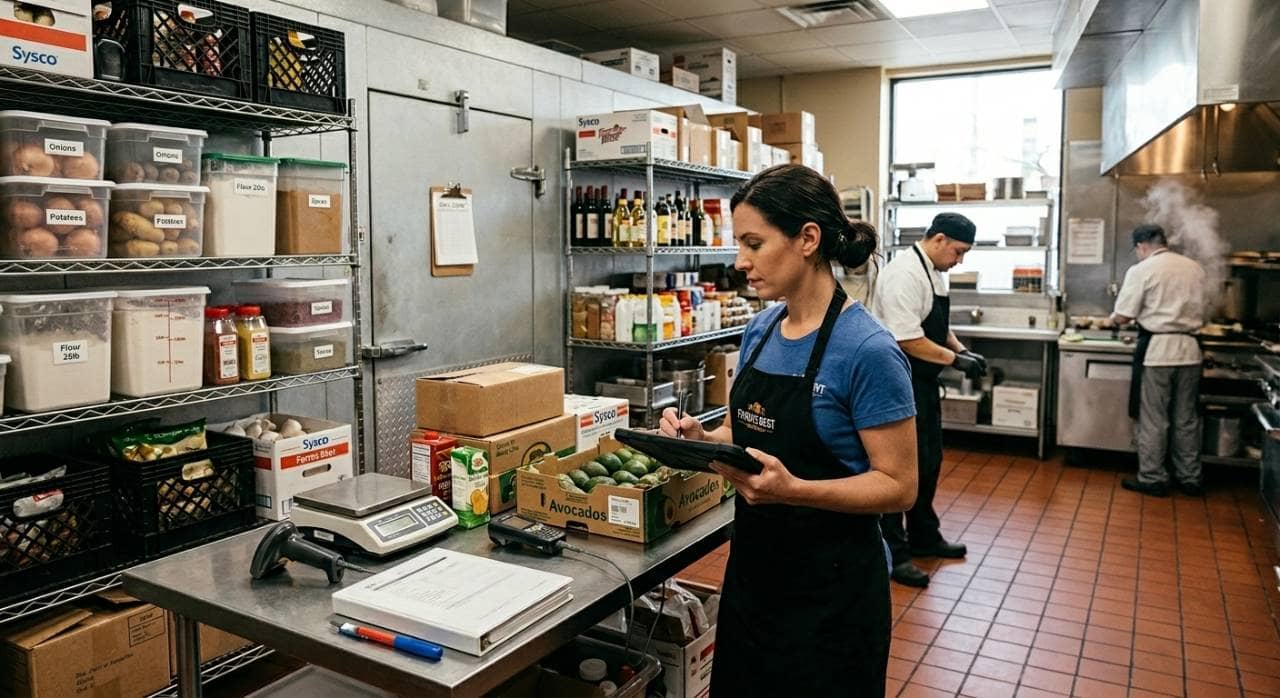
The Essential Guide to Restaurant Employee Training
Build a structured training program covering onboarding, roles, service, food safety, and growth to boost consistency, retain staff, and deliver reliably excellent guest experiences.
Oct 16, 2026
Build a structured training program covering onboarding, roles, service, food safety, and growth to boost consistency, retain staff, and deliver reliably excellent guest experiences.
Oct 16, 2026
Freddy's celebrates 600 restaurants with a smaller, drive-thru-free format in Beaufort, SC, reshaping its real estate, tech, and pricing strategy.
Oct 16, 2026
Inspire Brands taps Jenna Bromberg as Arby's new CMO while Jeff Baker shifts to lead culinary innovation in a quiet leadership reshuffle.
Oct 16, 2026
Five Guys partners with Full Day Productions and Lost Tribe Creative for On The Line, a docuseries on Prime Video following its global crew competition.
Oct 16, 2026
AI helps restaurant owners streamline back-office management, automate administrative tasks, improve accuracy, control costs, and make smarter business decisions.
Oct 14, 2026
Learn how to forecast restaurant inventory using sales data, demand trends, and stock tracking to reduce food waste, control costs, and improve profitability.
Oct 14, 2026
Gen Restaurant Group sells all 47 Gen Korean BBQ locations to Chubby Cattle Group for $100 million, keeping its brand and CPG business.
Oct 14, 2026
Alexandria Restaurant Partners names Nazia Millwala president, succeeding founders in a planned leadership transition across Virginia and Orlando.
Oct 14, 2026
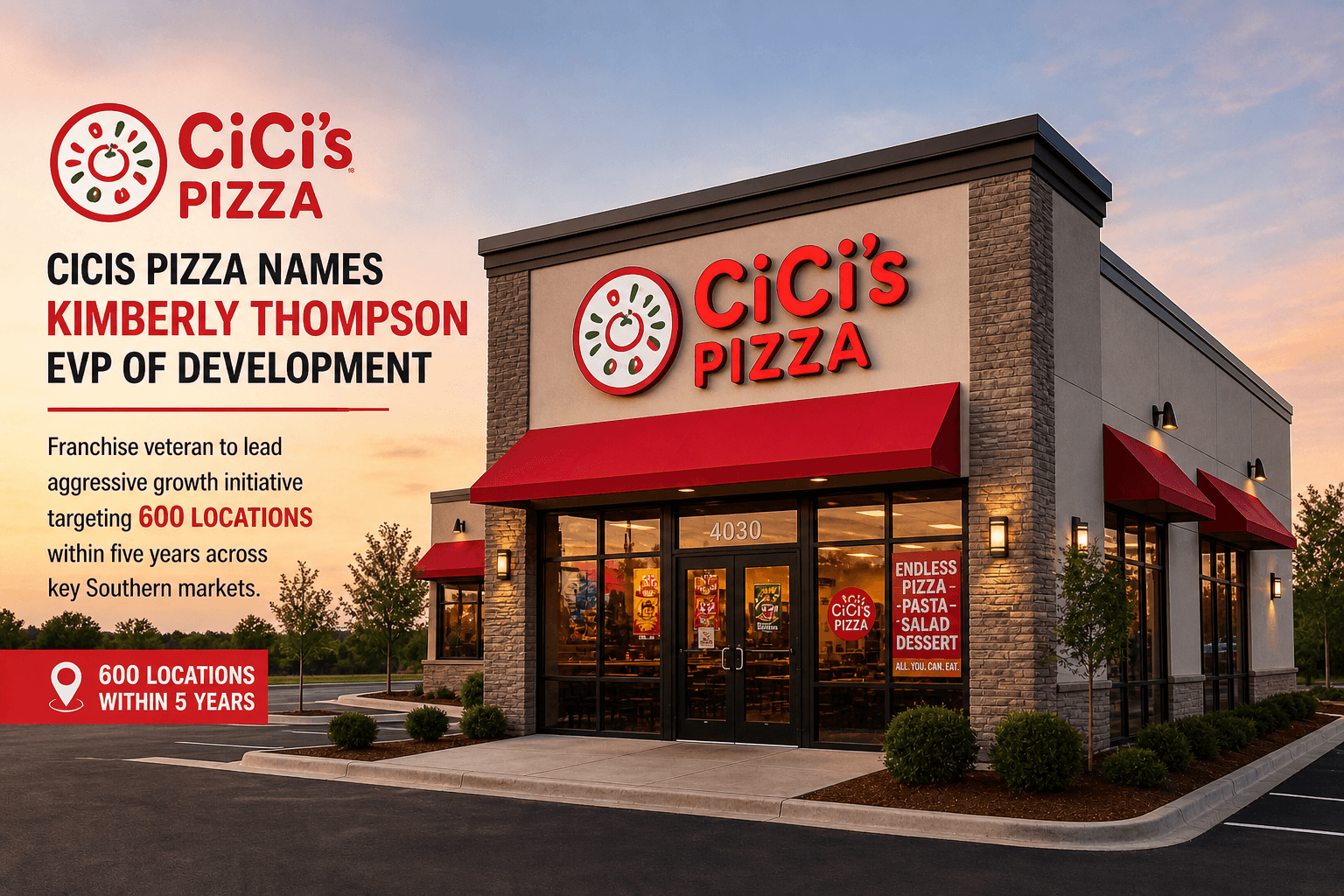
Cicis Pizza names franchise veteran Kimberly Thompson EVP of Development, targeting 600 locations within five years across key Southern markets.
Oct 14, 2026
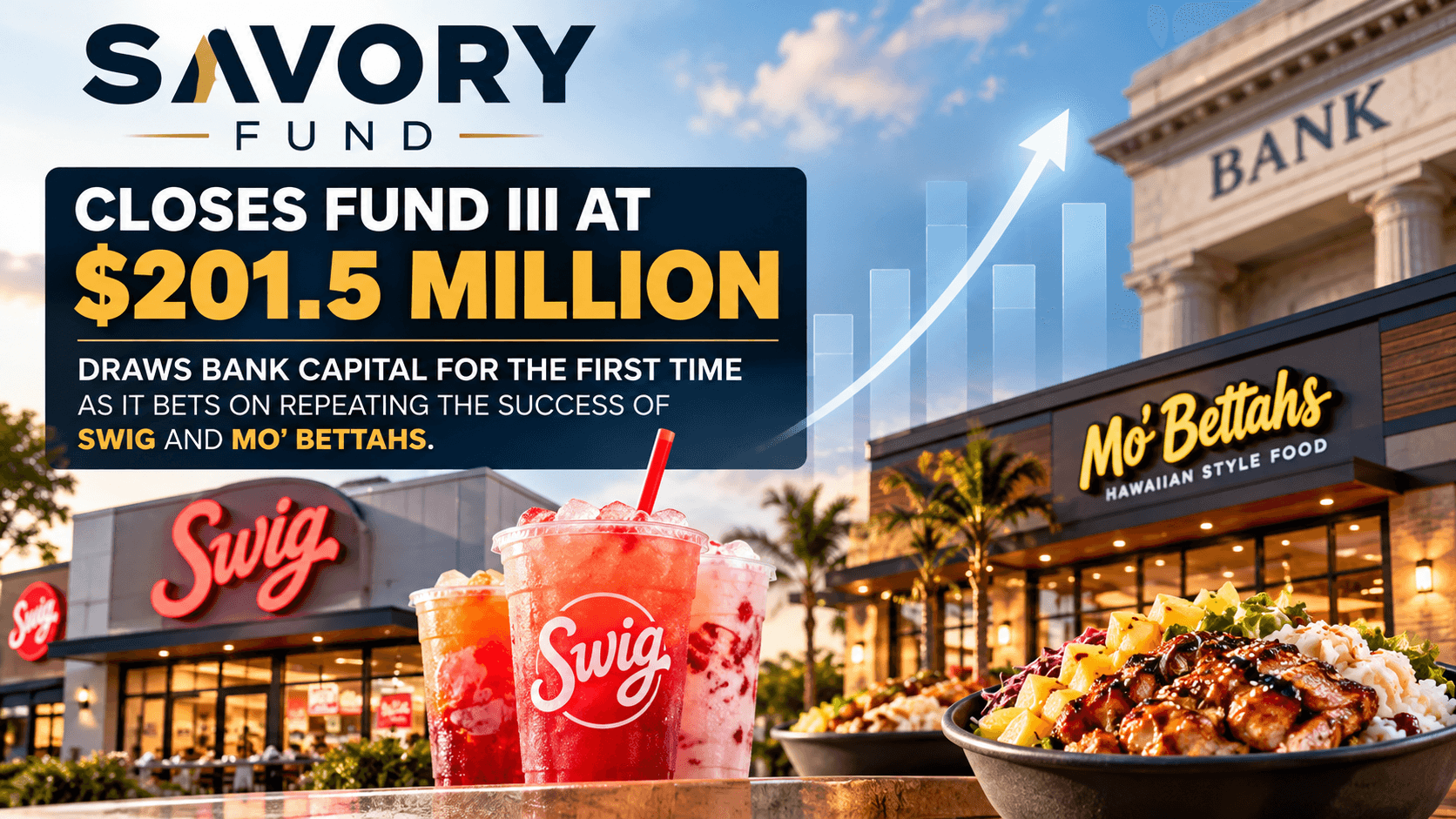
Savory Fund closes Fund III at $201.5 million, drawing bank capital for the first time as it bets on repeating the success of Swig and Mo' Bettahs.
Oct 13, 2026
Unlock Exclusive Access To Webinars, Events, And The Latest News For Free!
Build a structured training program covering onboarding, roles, service, food safety, and growth to boost consistency, retain staff, and deliver reliably excellent guest experiences.

Every restaurant owner knows the feeling of a shift gone wrong - a ticket sits too long in the window, a server gives a guest the wrong answer about an allergen, a new hire quietly asks a coworker how to use the POS because no one showed them. These moments rarely come from a lack of effort. More often, they come from a lack of structure. When training is improvised, passed along by word of mouth, or squeezed into whatever time a busy manager can spare, the results are uneven, and guests feel it. A structured training program replaces that guesswork with a clear, repeatable system. It defines what every employee needs to know, how they will learn it, who will teach them, and how you will confirm they are ready. In an industry where staff turn over frequently and no two shifts look exactly alike, that consistency is one of the most valuable assets a restaurant can build. The Link Between Training, Service Quality, and Guest Satisfaction Guests rarely separate the food, the service, and the atmosphere in their minds. They simply remember whether the experience felt good. Training shapes nearly every part of that impression. A well-trained host sets the tone within seconds of a guest walking in. A server who knows the menu thoroughly can guide choices with confidence, answer questions about ingredients, and make recommendations that genuinely suit the guest. A line cook who has been taught proper plating and timing sends out dishes that look and taste the way the kitchen intended, night after night. Consistency is the common thread. Guests return to restaurants they can rely on, and reliability does not come from talent alone. It comes from every team member working to the same standards, using the same procedures, and understanding why those standards matter. Structured training is how you turn individual skill into a dependable guest experience. The Cost of Poor Training The price of inadequate training is easy to overlook because it is spread across many small losses rather than one obvious expense. Consider where it tends to show up - 1. Employee turnover. New hires who feel unprepared and unsupported are more likely to leave early. Each departure means new recruiting, new onboarding, and lost productivity while a replacement gets up to speed. 2. Food waste and cost overruns. Inconsistent portioning, improper storage, and preparation mistakes quietly eat into margins, especially when staff were never shown the correct methods. 3. Order and service errors. Wrong orders, missed modifications, and slow ticket times lead to comps, remakes, and frustrated guests. 4. Safety and compliance risks. Gaps in food handling knowledge can lead to health code violations, foodborne illness, or workplace injuries, all of which carry financial and reputational consequences. 5. Inconsistent experiences. When guests receive a different level of service depending on who is working, trust in your brand erodes. Individually, each of these may seem minor. Together, they represent a steady drain on profit and morale that a strong training program can significantly reduce. Seen this way, structured training is not an optional extra reserved for when business is slow. It is foundational infrastructure, as important to your operation as your kitchen equipment or your reservation system.
Before you build a training program, you need to know what it is meant to fix. Many owners skip this step and jump straight to buying training software or writing manuals, only to discover that the program addresses problems they don't have while ignoring the ones they do. A thoughtful needs assessment ensures that every hour you invest in training goes toward the areas that matter most for your restaurant. Start by examining how each part of your operation is performing today. Front-of-house and back-of-house teams face very different challenges, so assess them separately before looking at where they intersect. Front-of-house gaps often appear in areas such as - - Menu and beverage knowledge, including ingredients, preparation methods, and allergens - Order accuracy and use of the POS system - Table management, pacing, and communication with the kitchen - Guest interaction skills, from greetings to handling complaints Back-of-house gaps tend to surface in areas such as - - Recipe adherence, portion control, and plating consistency - Station organization, prep efficiency, and ticket times - Food handling, storage, and sanitation practices - Equipment operation and maintenance To uncover these gaps, use several sources of information rather than relying on one. Observe a few shifts firsthand, paying attention to where hesitation, confusion, or rework occurs. Review guest feedback, online reviews, and comp or void reports for recurring patterns. Check health inspection results and waste logs. Most importantly, talk to your staff. Servers, cooks, and dishwashers know exactly where the friction is, and they will often tell you what they wish they had been taught when they started. Also look at the handoffs between teams. Many of a restaurant's most persistent problems, such as mismatched orders or slow expediting, live in the space between the dining room and the kitchen rather than within either one. Defining Training Goals Aligned With Your Concept, Menu, and Service Style Training needs are not the same for every restaurant. A fine dining establishment with a rotating tasting menu requires a very different skill set from a high-volume quick-service location or a family-style neighborhood cafe. Your concept should drive what you teach and how deeply you teach it. Consider how each of these elements shapes your goals - 1. Concept and brand identity. If your restaurant is known for warm, personal hospitality, your goals should emphasize interpersonal skills and guest recognition. If speed and efficiency define your brand, focus on workflow, station mastery, and ticket times. 2. Menu complexity. A large or frequently changing menu demands stronger product knowledge training and regular updates. A concise, focused menu allows you to go deeper on technique and consistency. 3. Service style. Table service, counter service, bar-centered dining, and catering each require distinct communication styles, timing, and logistics. 4. Staffing model. Restaurants that rely on seasonal or part-time employees need faster, more streamlined onboarding than those with a stable, long-tenured team. Once you understand these factors, translate them into clear goals. A vague aim such as improve service is difficult to teach or measure. A stronger goal sounds like every server can describe each menu item and identify its allergens without checking a reference sheet by the end of their first two weeks. Goals like this tell you exactly what to train and how to know when it has worked. With your gaps identified and goals defined, the final step is to turn them into specific, observable standards for each role. This is what transforms training from a general idea into a practical system. When standards are written down, trainers know what to teach, employees know what is expected, and managers know what to evaluate. For each position, define what competence looks like. Effective standards are - 1. Specific. They describe an exact behavior or outcome, not a general attitude. 2. Observable. A manager can watch an employee perform the task and confirm whether it was done correctly. 3. Measurable. They include a number, time frame, or clear pass/fail criterion where possible. 4. Realistic. They reflect what a properly trained employee can achieve within a defined period. Group these standards into milestones, such as what an employee should master in their first week, first month, and first quarter.

The first days and weeks of a new hire's experience set the tone for everything that follows. Onboarding is where an employee decides whether they feel welcome, prepared, and valued, or confused and left to fend for themselves. In a business where turnover often peaks early in an employee's tenure, a thoughtful onboarding program is one of the most effective tools you have for building a stable, capable team. Pre-Arrival Preparation - Paperwork, Schedules, Uniforms, and Welcome Communications A smooth first day starts before the new hire walks through the door. When an employee arrives and finds that no one is expecting them, their schedule is unclear, or their uniform is not ready, it signals disorganization and can undermine their confidence in the workplace from the start. Prepare the following ahead of time - 1. Paperwork. Send tax, employment eligibility, direct deposit, and policy acknowledgment forms in advance when possible, so first-day time is spent on learning rather than filling out documents. 2. Schedule. Share the first week's shifts, start times, and the name of the person they should ask for upon arrival. 3. Uniform and equipment. Have the uniform, apron, name tag, knives, or other required items ready, along with a clear dress code and any grooming or footwear requirements. 4. System access. Set up POS logins, scheduling app accounts, and any training platform access so nothing delays their first shift. 5. Welcome message. A brief note from the owner or manager confirming the details, outlining what to expect, and expressing enthusiasm about their joining the team goes a long way toward easing first-day nerves. Also brief your existing team. Let them know who is starting, in what role, and when, so the new hire is greeted warmly rather than treated as an interruption. The first day should help the employee understand where they are and why their work matters, without overwhelming them. Resist the urge to pack in every policy and procedure. Focus on orienting them to the essentials and building a sense of belonging. A strong orientation typically covers - 1. Culture and mission. Share your restaurant's story, values, and what you want guests to feel. Explain how each role contributes to that experience. 2. Key policies. Review attendance and scheduling expectations, tipping and pay procedures, break rules, uniform standards, and conduct guidelines. Put them in writing, and give the employee time to ask questions. 3. Safety essentials. Cover emergency exits, first aid locations, fire safety, and basic injury prevention before the employee begins working. 4. Facility walkthrough. Show them the dining room, kitchen, storage areas, restrooms, break area, and employee entrances. Point out where to find supplies, cleaning tools, and posted schedules. 5. Introductions. Introduce them to the team members they will work with most closely, and to the manager they should go to with questions. Keep the day balanced. Mix short information sessions with hands-on time so the new hire is not sitting through hours of talking, which is difficult to retain. Pairing New Hires With Mentors and Using Shadow Shifts Classroom-style instruction can only go so far in a restaurant. Much of the job is learned by seeing it done and then practicing it, which is why mentors and shadow shifts are so valuable. 1. Choosing mentors. Select experienced employees who are skilled, patient, and positive about the restaurant. Being good at a job does not automatically make someone good at teaching it, so give mentors guidance on how to train. Provide them with a checklist of what to cover, tips for explaining the why behind procedures, and recognition or incentives for taking on the role. A mentor with a poor attitude can pass on bad habits just as easily as good ones. 2. Shadow shifts. During a shadow shift, the new hire follows an experienced team member and observes real service without the pressure of being responsible for it. A new server might watch how a veteran greets tables, handles the POS, and communicates with the kitchen. A new cook might observe a station during prep and service. Follow shadowing with a gradual transition - the new hire performs tasks while the mentor watches, then takes on a partial workload, and eventually handles the full role with the mentor available for support. Build in time for questions and feedback. A brief check-in at the end of each shadow shift helps the employee process what they saw and gives the mentor a chance to correct misunderstandings early. Document each milestone with a simple checklist that both the employee and manager sign off on. This creates a clear record of what has been taught and mastered, helps ensure nothing is overlooked, and gives you a consistent standard across all new hires.
Onboarding introduces new hires to your restaurant. Role-specific training teaches them how to do their jobs well. This is where general orientation turns into practical skill, and where clarity matters most. When employees are unsure what is expected of them, they fill the gaps with guesswork, and guesswork leads to inconsistency, friction between teammates, and avoidable mistakes. Writing Clear Job Descriptions and Task Checklists for Each Role A job description is more than a recruiting tool. When written well, it is the foundation of your training for that position. It tells the employee what they are accountable for and gives trainers a framework for what to teach. Effective job descriptions typically include - 1. Core responsibilities. A concise list of the main duties, written in plain, action-oriented language. 2. Reporting structure. Who the employee reports to and who they work alongside. 3. Performance standards. The measurable expectations you defined during your needs assessment, such as ticket times, accuracy, or presentation standards. 4. Physical and scheduling requirements. Standing for long periods, lifting, availability for weekends and holidays, and similar expectations. 5. Required knowledge and certifications. Food handler permits, alcohol service training, or other credentials tied to the role. Pair each job description with task checklists that break the role into practical, repeatable steps. Opening, mid-shift, and closing checklists are especially useful. Training Servers, Bartenders, Hosts, Line Cooks, Prep Cooks, and Dishwashers Each role contributes to the guest experience in a different way, and each requires its own training emphasis. 1. Servers. Focus on table management, order-taking, pacing, menu and beverage knowledge, check handling, and coordination with the kitchen and bar. Teach them the sequence of service you want guests to experience, from greeting to farewell, and how to adapt it to different table needs. 2. Bartenders. Cover drink recipes, pour accuracy, garnish standards, inventory and cost control, and responsible alcohol service, including how to recognize intoxication and check identification. Because bartenders often serve guests directly while managing high volume, include training on multitasking and prioritizing orders. 3. Hosts. Teach reservation management, wait-time estimation, seating rotation, and phone etiquette. Hosts create the first impression, so emphasize warmth, composure under pressure, and clear communication with servers and managers. 4. Line cooks. Train on recipe execution, station setup, cooking techniques, plating specifications, timing, and communication during service. Stress consistency, since the same dish should look and taste the same regardless of who prepares it. 5. Prep cooks. Focus on knife skills, accurate portioning, labeling and dating, proper storage, and prep list management. Their work supports the entire kitchen, so teach them how their efficiency and accuracy affect the line. 6. Dishwashers. Often overlooked in training, dishwashers are essential to keeping service moving. Cover dish machine operation, chemical safety, proper cleaning and sanitizing procedures, breakage and handling protocols, and how to organize the dish area to maintain flow during rushes. Where possible, use a tell, show, do, review approach. Explain the task, demonstrate it, let the employee practice it, and then give feedback. This method works well across all roles because it combines explanation with hands-on repetition. Teaching Menu Knowledge, POS Systems, and Station Setup and Breakdown Certain skills cut across multiple positions and deserve dedicated training time. 1. Menu knowledge. Every employee who interacts with guests or food should understand what you serve. Go beyond memorizing item names. Teach ingredients, preparation methods, flavor profiles, common allergens, and suggested pairings. Hold tastings so staff can describe dishes from experience rather than from a script. When the menu changes or specials are introduced, brief the team before service and provide written reference materials. Short quizzes or informal verbal checks can confirm retention. 2. POS systems. Technology errors are a common source of order mistakes and guest frustration. Train staff on entering orders, applying modifiers, splitting checks, processing payments, handling voids and comps, and following your cash-handling procedures. A practice mode or training environment lets new hires build confidence without affecting real transactions. Make sure they also know what to do when the system is slow or goes down. 3. Station setup and breakdown. Efficiency and cleanliness depend on a consistent approach to starting and ending each shift. Document how each station should look when it is properly set, including where tools, ingredients, and supplies belong. Photos of correctly set stations are helpful reference tools. Teach breakdown procedures just as carefully, covering storage, cleaning, restocking, and preparation for the next shift. A well-handled closing makes the next opening faster and smoother. Compile your SOPs, job descriptions, checklists, and policies into a training manual for each department. The manual serves as both a teaching tool during onboarding and a reference point for ongoing performance. Involve experienced employees when developing SOPs. They often know the practical details that make a procedure work in real conditions, and their involvement increases buy-in.
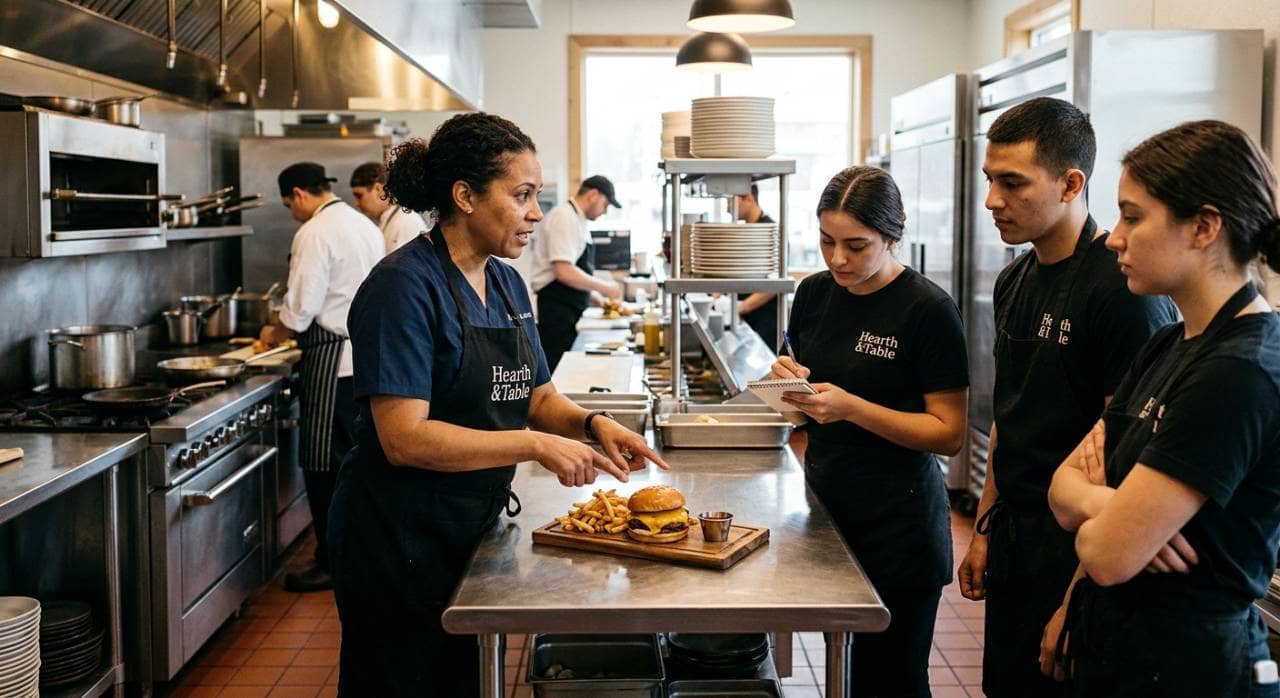
A restaurant can serve excellent food and still lose guests because of how they were treated. Customer service ties every role together, from the host at the door to the cook who sends out a dish exactly as ordered. Hospitality may come naturally to some, but its habits and skills can be taught, practiced, and refined, ensuring every guest receives the same quality of care regardless of who is working. Setting Service Standards and a Consistent Guest-Experience Philosophy Define what great service means in your restaurant. Without a shared definition, guests receive a different experience depending on who serves them. Start with a guest-experience philosophy - a short statement of how you want guests to feel, such as relaxed and genuinely welcomed or pampered and attended to. Then translate it into observable standards - - Greeting every guest within a set time - Following a consistent sequence of service, from greeting to farewell - Checking back shortly after food arrives - Maintaining a particular tone and style of address - Resetting tables promptly and keeping dining areas tidy Explain the reasoning behind each standard, since employees follow guidelines they understand. Share the philosophy during onboarding, reinforce it in pre-shift meetings, and have managers model it. Kitchen staff matter too, because accuracy, timing, and care shape how guests perceive the meal. Communication Skills - Greeting, Upselling, and Reading Tables 1. Greeting. Teach staff to make eye contact, smile, and welcome guests promptly, even when busy. A brief acknowledgment lets guests know they have been seen, and the tone should suit the setting. 2. Upselling. Done well, upselling is helpful guidance, not pressure. Train staff to make genuine recommendations and offer choices rather than yes-or-no questions, such as "Would you like to start with sparkling or a cocktail?" Servers who have tasted the items they recommend sound sincere. 3. Reading tables. Teach newer staff to notice cues such as - - Whether guests are rushed or want to linger - Special occasions or business conversations - Body language signaling readiness, need, or desire for privacy - Uncertainty about the menu 4. Active listening. Staff should repeat back complex orders and relay information accurately between teams, since internal breakdowns often become guest problems. Handling Complaints, Special Requests, and Difficult Situations How your team responds to problems often matters more than the problem itself. Complaints - Teach a repeatable approach - - Listen without interrupting or becoming defensive. - Acknowledge and apologize on behalf of the restaurant. - Resolve by remaking a dish, adjusting the bill, or involving a manager. - Follow up to confirm satisfaction. - Report the issue so patterns can be addressed. Define what each role can resolve independently, so staff can act quickly. Special requests - Encourage a positive attitude while staying honest about what the kitchen can do. Never allow guesswork with allergies; require clear communication with the kitchen. Difficult situations - Prepare staff to stay calm with upset or intoxicated guests, disputes, long waits, or inappropriate behavior. Review policies on refusing service and harassment, and assure staff that management will support them. Role-Playing and Scenario-Based Practice Role-playing lets employees rehearse before facing real guests. To make it effective - - Use realistic scenarios from your own restaurant. - Rotate roles so staff experience the guest's perspective. - Keep it supportive, starting with simple scenarios. - Debrief with specific, constructive feedback. - Make it routine by including short scenarios in pre-shift meetings. Complement role-play with observation, guest feedback reviews, and real-time coaching.

Food safety leaves no room for "good enough." A single lapse can make a guest seriously ill, trigger a closure, damage your reputation, and create legal liability. It is a daily discipline, and effective training makes safe practices automatic by teaching employees not only what to do but why it matters. Core Food Handling Principles - Temperature Control, Cross-Contamination, and Hygiene Every employee who handles food should master three pillars. 1. Temperature control. Bacteria multiply quickly in the "danger zone," generally 41F to 135F (5C to 57C), though you should confirm local figures. Train staff to - - Use calibrated thermometers to keep cold foods cold and hot foods hot - Check temperatures at receiving and reject items that fail - Thaw food safely, never on the counter - Cook, cool, and reheat to required temperatures and time limits 2. Cross-contamination. Teach employees to separate raw proteins from ready-to-eat foods, use color-coded boards and utensils, store items in the correct refrigerator order, sanitize surfaces between tasks, and change gloves when switching tasks. 3. Personal hygiene. Reinforce proper handwashing, correct glove use, clean uniforms and hair restraints, and limits on jewelry, eating, and drinking in prep areas. Require staff to report symptoms like vomiting, diarrhea, fever, or jaundice, and make that policy supportive so no one works sick out of fear of losing income. Allergen Awareness and Accurate Communication With Guests Allergen training should be mandatory for every team member. Cover - 1. Major allergens recognized in your region, such as milk, eggs, fish, shellfish, nuts, peanuts, wheat, soy, and sesame 2. Menu knowledge, using an updated allergen matrix that includes sauces, marinades, and frying oils 3. Honest communication - servers should never guess and can say, Let me confirm that for you 4. Order handling - flag allergy tickets, tell the kitchen verbally, and confirm at delivery 5. Kitchen practices - separate tools, clean surfaces, and fresh gloves 6. Emergency response - know when to call emergency services and alert a manager Treat every stated allergy as serious until proven otherwise. Required Certifications and Local Health Regulations Requirements vary by location, so contact your local health department. Common items include food handler cards, certified food protection managers, alcohol service certification, allergen training, and current permits. Keep a register of each employee's certifications and renewal dates, build requirements into onboarding, decide who pays for courses, and assign someone to monitor regulatory changes. Cleaning Protocols, Safety Procedures, and Workplace Injury Prevention Teach the difference between cleaning and sanitizing. Provide master cleaning schedules, chemical mixing instructions with test strips, equipment cleaning procedures, and pest prevention practices. Staff should store chemicals away from food, label containers, and report equipment malfunctions immediately. To prevent injuries, train on knife handling, hot oil and steam, spill cleanup and non-slip footwear, safe lifting, fire safety, and first aid. Encourage reporting of near-misses without punishment. Documentation and Recordkeeping for Inspections Records prove your practices and reveal problems early. Train staff to maintain temperature, receiving, cleaning, and sanitizer logs, plus illness reports, training files, and pest control records. Stress honesty - logs completed from memory or with invented numbers defeat their purpose and create legal risk. Teach corrective actions for out-of-range readings, retain records as required, run internal inspections using official criteria, and consider a HACCP-based system.
Training does not end when the onboarding checklist is signed. Menus change, standards slip, equipment is replaced, and people grow into new ambitions. Restaurants that treat training as a one-time event often find that their carefully taught standards fade within months, while those that make learning a regular part of the job keep their quality high and their best people engaged. Ongoing development is how you protect your initial training investment and turn capable employees into long-term contributors. Regular Refresher Sessions, Pre-Shift Meetings, and Cross-Training Skills and habits erode without reinforcement. Even experienced employees benefit from periodic reminders, especially on high-stakes topics like food safety and allergen handling. The key is to build reinforcement into the rhythm of the restaurant so it does not depend on anyone remembering to schedule it. 1. Refresher sessions. Schedule recurring sessions on a predictable calendar, such as monthly or quarterly. Rotate topics to cover areas like food safety, allergen protocols, service standards, new equipment, and responsible alcohol service. Keep sessions short, practical, and interactive. A 20-minute hands-on demonstration or a quick scenario exercise is usually more effective than a long lecture. When an inspection, guest complaint, or internal audit reveals a problem, use a refresher to address it directly. 2. Pre-shift meetings. The pre-shift meeting, often called a lineup, is one of the most valuable training tools in a restaurant because it happens every day with the whole team present. In 10 to 15 minutes, you can - - Review the specials, 86'd items, and any menu changes - Share reservation notes, large parties, and special occasions - Highlight a "focus of the day," such as a wine pairing, a service standard, or a food safety reminder - Recognize good work from the previous shift - Run a quick tasting or a one-minute role-play - Address any issues from recent service, framed constructively Keep the tone positive and the content focused. A rambling lineup wastes time, while a crisp one aligns the team and builds momentum before the doors open. 3. Cross-training. Teaching employees to perform tasks outside their primary role strengthens the entire operation. A server who understands the bar, a line cook who can work multiple stations, or a host who can run food in a pinch all make the restaurant more flexible. Benefits include - - Better coverage during absences, rushes, and turnover - Greater empathy and cooperation between front-of-house and back-of-house teams - More varied work, which can keep employees engaged - A larger pool of candidates ready for promotion Introduce cross-training gradually and only after an employee has mastered their primary role. Provide clear expectations about when and how they will be asked to use these additional skills, and make sure the extra responsibility is recognized, whether through scheduling opportunities, pay adjustments, or advancement. Leadership Training for Future Supervisors and Managers Promoting your best performer into a leadership role without preparing them is a common and costly mistake. Being excellent at serving tables or running a station does not automatically translate into coaching others, managing conflict, or controlling costs. Leadership is a separate set of skills and should be taught deliberately. Core areas for leadership training include - 1. Communication and coaching. Giving clear direction, delivering constructive feedback, and recognizing good work. 2. Conflict resolution. Mediating disagreements between staff members and handling guest escalations calmly. 3. Scheduling and labor management. Building fair schedules, understanding labor cost targets, and managing time-off requests. 4. Financial awareness. Reading basic reports such as sales, food cost, and labor percentages, and understanding how daily decisions affect them. 5. Inventory and ordering. Managing stock levels, reducing waste, and working with suppliers. 6. Compliance and legal basics. Understanding employment regulations, health codes, alcohol laws, and documentation requirements, as well as how to handle incidents and complaints. 7. Training others. Learning to teach, delegate, and hold people accountable in a respectful way. Create a development path for emerging leaders before the opening occurs. Start by giving potential supervisors small responsibilities, such as running pre-shift meetings or overseeing a closing checklist, and gradually increase their scope. Pair them with an experienced manager who can model good leadership and provide feedback. A short period of shadowing and supervised practice before they take on full authority will help them succeed, and it signals to the rest of the team that the promotion was well considered.
A training program is never truly finished. Menus evolve, regulations change, teams turn over, and guest expectations shift. The restaurants that get lasting value from training are the ones that treat it as a living system - they measure what is working, listen to the people who use it, and make adjustments regularly. Without measurement, you are relying on assumptions. With it, you can see where your investment is paying off and where it needs attention. Key Metrics - Turnover Rate, Guest Feedback, Error Rates, and Inspection Scores The most useful metrics are those that connect directly to the goals you set during your needs assessment. Choose a manageable set, track them consistently, and review them on a regular schedule, such as monthly or quarterly. 1. Employee turnover rate. Track how many employees leave over a given period, and pay special attention to departures within the first 30, 60, and 90 days. High early turnover often points to problems in onboarding, role clarity, or supervision. Exit interviews, even brief ones, can reveal whether training gaps played a part. 2. Guest feedback. Review online ratings, comment cards, survey responses, and direct comments for patterns related to service, accuracy, and knowledge. Look for specifics, such as guests mentioning that servers could not answer menu questions or that orders were frequently wrong. Compare feedback before and after you introduce a new training module to see whether perceptions change. 3. Error rates. Operational data shows how well training translates into daily performance. Useful indicators include - - Order accuracy, remakes, and voids - Comps and refunds tied to service or kitchen mistakes - Ticket times and speed of service - Food waste and portioning variance - Inventory shrinkage - Workplace injuries and incident reports 4. Inspection scores. Health inspection results, internal audit scores, and any third-party food safety audits show how well your food safety training is holding up. Track recurring violations and treat them as direct signals about which topics need retraining. 5. Training completion and competency. Beyond outcomes, monitor the training process itself. Record how many employees complete each milestone on time, how they perform on practical assessments or knowledge checks, and how long it takes new hires to reach full productivity. Shorter ramp-up times with strong performance suggest your onboarding is effective. Keep in mind that metrics point to problems but do not always explain them. A rise in order errors might stem from a training gap, a confusing menu layout, an understaffed shift, or a POS issue. Use the numbers as a starting point for investigation, not as a verdict. Also be careful about drawing conclusions from very small samples or short time frames, since a single unusual week can distort the picture. Choosing Tools and Formats - Training Software, Checklists, Videos, and Hands-On Practice No single training format works for every topic or learner. The best programs combine several, matching the method to the material. 1. Training software and learning platforms. Digital platforms can deliver courses, track completion, store certifications, send renewal reminders, and administer quizzes. They are especially helpful for multi-location operations, large teams, and compliance topics that must be documented. Evaluate options based on ease of use, mobile access, language support, reporting features, and cost. 2. Checklists. Simple and effective, checklists support consistency in opening, closing, cleaning, and sign-offs. They can be paper-based or digital and are most useful when employees understand the reasons behind each item rather than ticking boxes automatically. 3. Videos. Short videos work well for demonstrating techniques such as plating, knife skills, equipment use, and handwashing. They allow employees to review material at their own pace and ensure that everyone sees the same demonstration. Keep them brief and focused, and consider recording your own team performing tasks to the standards you expect. 4. Hands-on practice. Skills like cooking techniques, carrying plates, making cocktails, or de-escalating a conflict are best learned by doing. Supervised practice, simulations, and tastings give employees the repetition and feedback they need to build confidence. 5. Printed materials and job aids. Laminated quick-reference cards, recipe sheets, and station photos are handy during busy periods when pulling out a phone or manual is impractical. Consider your team's needs when choosing formats. Think about language preferences, literacy levels, comfort with technology, and the time available for training during or outside paid hours. Offering materials in more than one language, where relevant, helps ensure that instructions are truly understood. As a rule, use technology to support your trainers, not to replace the personal attention and demonstration that make training stick. A strong training program is built in layers. It begins with an honest look at what your restaurant needs, introduces new hires through a thoughtful onboarding process, and equips each role with clear responsibilities and practical skills. It develops service excellence, safeguards guests through rigorous food safety practices, and keeps people growing through ongoing development. Finally, it measures results and adapts as your business changes. You do not need to build every element at once. Start with the areas that will make the biggest difference, such as a clear onboarding plan and written standards for your most critical roles, and expand from there. What matters most is consistency - a restaurant that trains steadily, measures honestly, and improves continuously will build a team that delivers reliable, memorable experiences for its guests, shift after shift.