
10 Ways to Use AI for Restaurant Back Office Management
AI helps restaurant owners streamline back-office management, automate administrative tasks, improve accuracy, control costs, and make smarter business decisions.
Back Office
Oct 14, 2026
AI helps restaurant owners streamline back-office management, automate administrative tasks, improve accuracy, control costs, and make smarter business decisions.
Oct 14, 2026
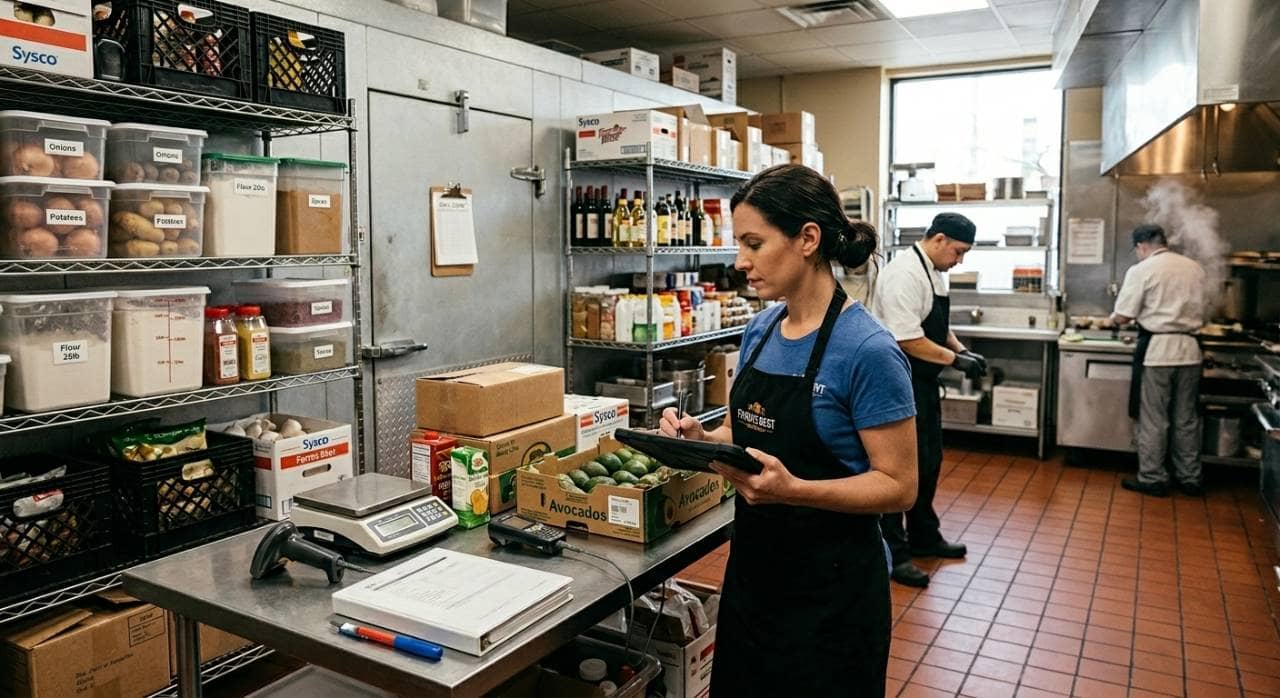
Learn how to forecast restaurant inventory using sales data, demand trends, and stock tracking to reduce food waste, control costs, and improve profitability.
Oct 14, 2026

Gen Restaurant Group sells all 47 Gen Korean BBQ locations to Chubby Cattle Group for $100 million, keeping its brand and CPG business.
Oct 14, 2026

Alexandria Restaurant Partners names Nazia Millwala president, succeeding founders in a planned leadership transition across Virginia and Orlando.
Oct 14, 2026
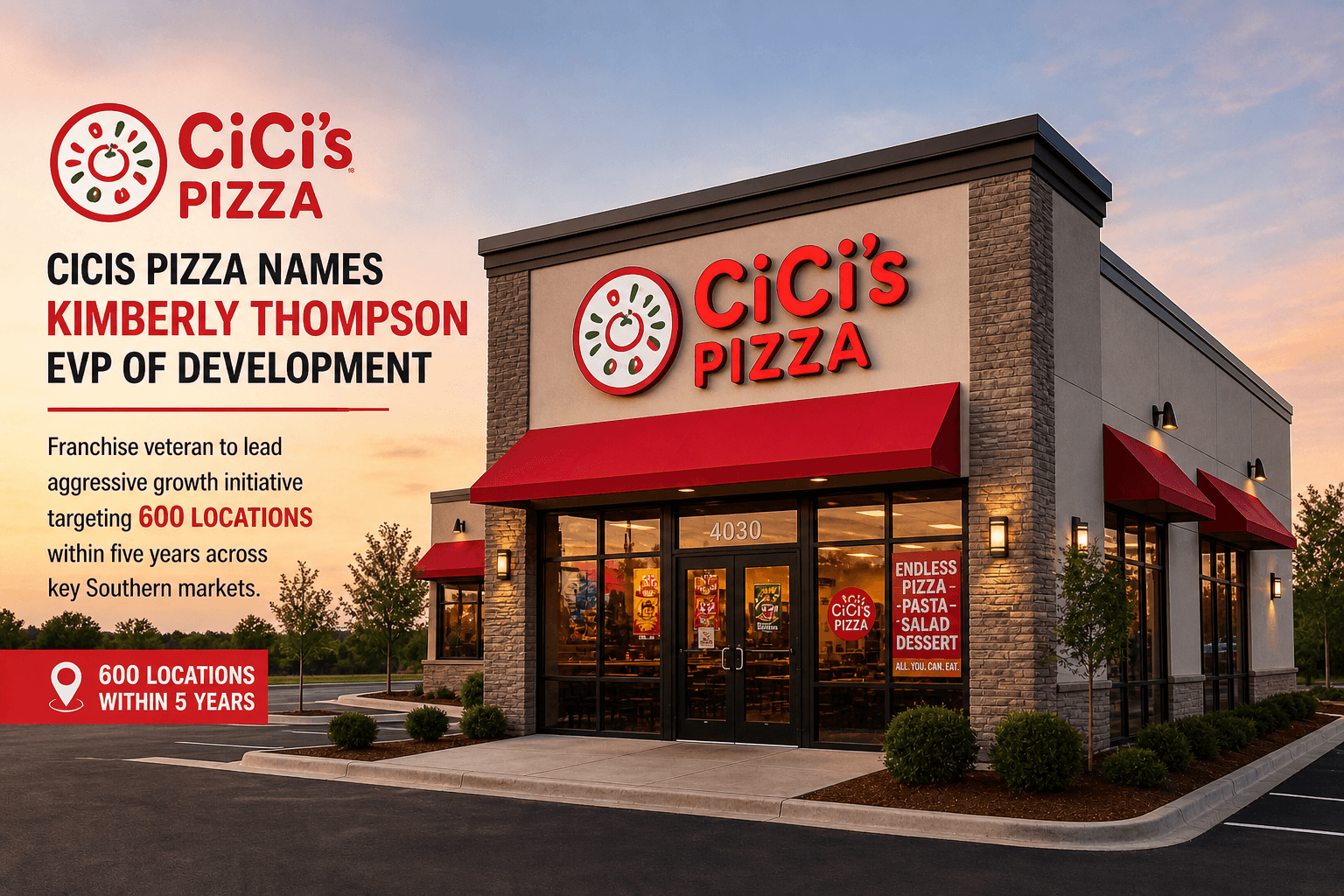
Cicis Pizza names franchise veteran Kimberly Thompson EVP of Development, targeting 600 locations within five years across key Southern markets.
Oct 14, 2026
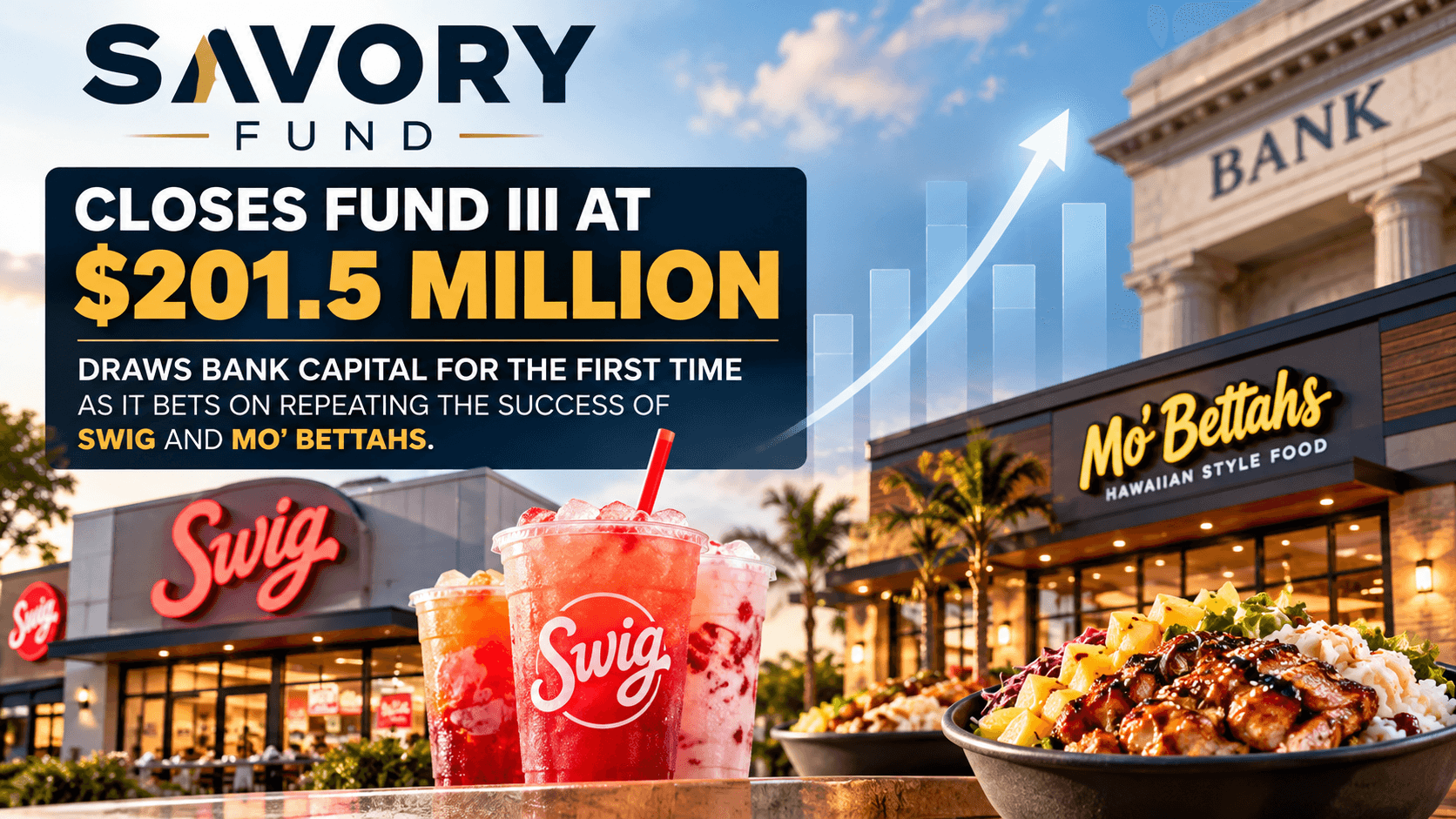
Savory Fund closes Fund III at $201.5 million, drawing bank capital for the first time as it bets on repeating the success of Swig and Mo' Bettahs.
Oct 13, 2026
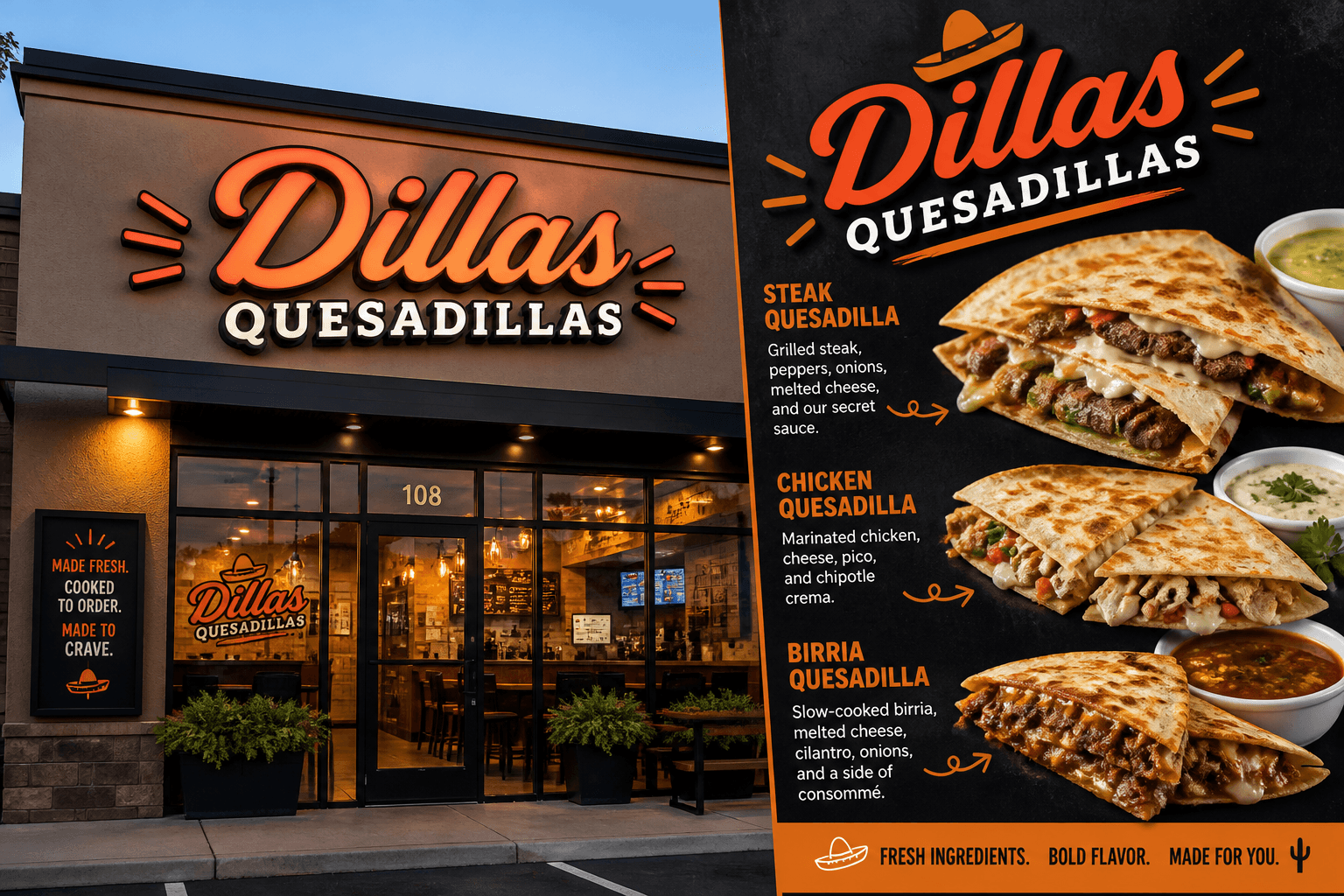
Dillas Quesadillas hires Michael Mabry as its first-ever COO to lead operations, marketing and franchise sales on the path to 50 locations by 2028.
Oct 13, 2026
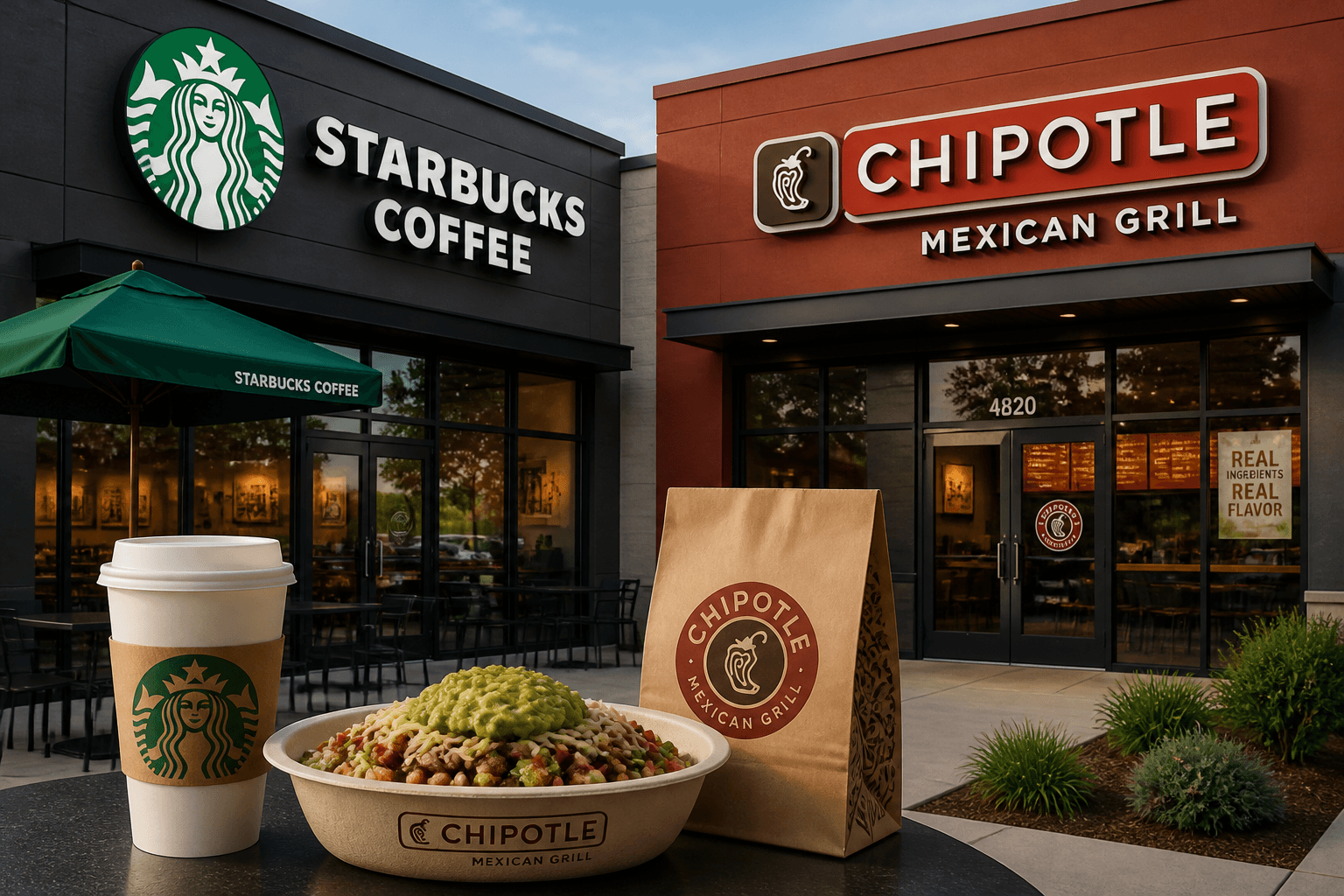
Starbucks firmly denies rumors of a $50 billion Chipotle acquisition, shifting focus to its turnaround plan and upcoming Q4 earnings report.
Oct 12, 2026

September 2026 restaurant leadership changes highlight executive priorities around expansion, operations, franchising, technology, financial performance, customer engagement, and sustainable growth.
Oct 12, 2026
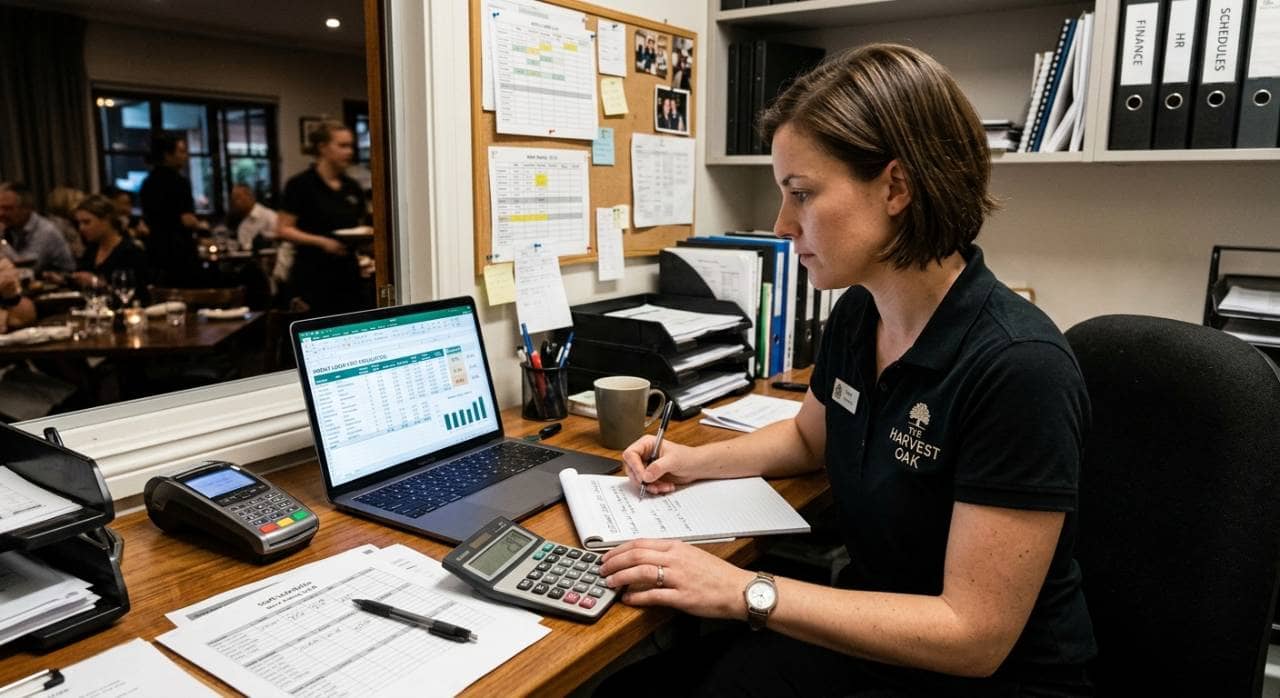
Learn how to calculate restaurant labor costs, determine labor cost percentages, account for payroll expenses, track spending, and improve profitability through smarter staffing decisions.
Oct 9, 2026

Unlock Exclusive Access To Webinars, Events, And The Latest News For Free!
Learn how to forecast restaurant inventory using sales data, demand trends, and stock tracking to reduce food waste, control costs, and improve profitability.
Restaurant inventory forecasting helps owners estimate how much food and how many ingredients they will need to meet future customer demand. Instead of ordering based on guesswork, restaurants can use sales history, current stock levels, menu requirements, and upcoming events to make informed purchasing decisions. Accurate inventory forecasting helps restaurants avoid two costly problems - ordering too much food and running out of essential ingredients. Overstocking increases the risk of spoilage, while understocking can disrupt service and lead to missed sales opportunities. Why Inventory Forecasting Matters for Food Waste Food waste often begins before ingredients reach the kitchen. When restaurant owners order more than they can use before expiration, perishable items such as vegetables, dairy products, seafood, and fresh meat may spoil before they can be served. Preparing too much food for expected customer traffic can create additional waste. Inventory forecasting helps address these problems by aligning purchasing and preparation quantities with anticipated demand. For example, if historical sales data shows that a restaurant typically sells fewer salads on certain weekdays, managers can adjust their produce orders accordingly. This reduces the likelihood of purchasing ingredients that will remain unused. Forecasting also helps restaurants make better decisions about ingredient storage, supplier orders, and menu preparation. When managers understand which ingredients are likely to be needed and in what quantities, they can prioritize existing stock before purchasing additional supplies. The Financial Benefits of Reducing Food Waste Reducing food waste does more than limit the amount of discarded food. It also helps restaurants control operating expenses and protect profit margins. Every ingredient that spoils or goes unused represents money spent on food that generates no revenue. Effective inventory forecasting can help restaurants - 1. Reduce unnecessary purchases - Order ingredients according to projected demand instead of relying on rough estimates. 2. Minimize spoilage - Keep perishable inventory at levels that match expected usage and shelf life. 3. Improve food cost control - Reduce the amount of purchased food that never contributes to a sale. 4. Maintain ingredient availability - Ensure sufficient stock for popular menu items without keeping excessive quantities on hand. 5. Improve purchasing decisions - Use demand patterns to determine when and how much to reorder. To reduce food waste, restaurant owners should treat inventory forecasting as an ongoing process rather than a one-time calculation. Customer demand changes with the day of the week, season, weather, promotions, and local events. Forecasts should reflect these changes whenever reliable information is available. By connecting expected sales with ingredient requirements and current stock levels, restaurant owners can make more accurate purchasing decisions, reduce avoidable waste, and build a more cost-effective inventory management process.
Historical sales data gives restaurant owners a reliable starting point for predicting future ingredient requirements. By reviewing past transactions, menu item sales, and purchasing records, managers can identify demand patterns and estimate how much food they need to order. Without this information, inventory decisions often depend on guesswork. Ordering too much can lead to spoilage, while ordering too little can result in stockouts and lost sales. Using historical data makes inventory forecasting more consistent and helps restaurants align purchasing decisions with actual customer demand. Identify the Most Useful Sales Data Restaurant owners should begin by reviewing sales reports from their point-of-sale (POS) system. These reports reveal which menu items sell most frequently, when demand peaks, and which products experience seasonal fluctuations. Focus on the following data sources - 1. Sales by menu item - Identify popular dishes and estimate how much of each ingredient they require. 2. Daily and weekly sales reports - Recognize recurring demand patterns, such as busy weekends or slower weekdays. 3. Ingredient usage records - Determine how much of each ingredient the kitchen consumes during a specific period. 4. Inventory and purchasing records - Compare quantities purchased with actual usage to identify over-ordering or discrepancies. 5. Food waste logs - Identify ingredients that are frequently discarded because of spoilage, overproduction, or poor storage practices. Combining these records provides a clearer picture of ingredient demand than relying on sales totals alone. Identify Trends and Patterns in Customer Demand Review sales data across several weeks or months to identify consistent patterns. For example, a restaurant may sell more chicken dishes during weekday lunches and more appetizers during weekend dinners. These trends can help managers estimate ingredient requirements for different shifts and service periods. Seasonal patterns also matter. Demand for cold beverages, salads, and frozen desserts may increase during warmer months, while soups and hot meals may become more popular during colder weather. Comparing sales from similar periods can help restaurants anticipate these changes. However, historical averages should not be treated as fixed predictions. Recent menu changes, price adjustments, marketing campaigns, and shifts in customer preferences can make older data less relevant. Adjust Forecasts for Unusual Sales Fluctuations Not every sales spike or decline represents a lasting trend. A large catering order, local event, temporary closure, or promotional discount can significantly affect sales figures. Restaurant owners should identify these unusual events before using historical data to forecast future demand. If a promotion temporarily increased burger sales, for example, managers should avoid assuming the same demand will continue after the promotion ends. A practical approach is to calculate average sales for comparable days, review recent trends, and adjust the estimate for known upcoming events. Turn Sales Data Into Better Purchasing Decisions Once demand patterns are clear, restaurant owners can use them to estimate how much inventory they will need for the next ordering period. Compare projected ingredient usage with current stock and account for expected deliveries before placing an order. Review these estimates regularly and compare them with actual sales and ingredient consumption. Over time, this process helps restaurants improve forecast accuracy, avoid unnecessary purchases, and reduce food waste.

Accurate inventory forecasting requires more than predicting how many customers will visit a restaurant. Restaurant owners also need to estimate how much of each ingredient those customers will consume. Connecting projected menu sales with standardized recipes helps managers determine purchasing quantities and avoid ordering more food than necessary. When ingredient requirements are calculated correctly, restaurants can prepare for expected demand while reducing excess stock, spoilage, and unnecessary food purchases. Use Standardized Recipes to Calculate Ingredient Usage A standardized recipe specifies the ingredients and quantities required to prepare a menu item. These recipes help restaurant owners calculate ingredient requirements consistently across different shifts and kitchen employees. For example, if one chicken sandwich requires six ounces of chicken and the restaurant expects to sell 100 sandwiches, the projected chicken requirement is - 100 sandwiches x 6 ounces = 600 ounces of chicken Since there are 16 ounces in a pound, the restaurant needs 37.5 pounds of chicken for those sandwiches, before accounting for preparation losses or other menu items that use the same ingredient. Apply this calculation to every major menu item, including shared ingredients such as lettuce, tomatoes, cheese, sauces, and cooking oil. Standardized recipes make it easier to connect sales forecasts with actual kitchen requirements. Calculate Ingredient Requirements From Projected Sales Restaurant owners can estimate ingredient demand using a straightforward formula - Projected ingredient requirement = Forecasted menu item sales x Ingredient quantity per serving Consider a restaurant expecting to sell 80 salads during the next ordering period. If each salad requires two ounces of cheese, the projected cheese requirement for those salads is 160 ounces, or 10 pounds. Repeat the calculation for each ingredient and menu item. When multiple dishes use the same ingredient, combine their projected requirements to determine total demand. For example, if cheese is used in salads, burgers, and pasta dishes, calculate the cheese needed for each category before adding the quantities together. This prevents restaurant owners from underestimating demand for shared ingredients or placing duplicate orders. Account for Preparation Losses and Existing Inventory Not every ingredient purchased will become usable food. Trimming vegetables, removing bones, peeling produce, and other preparation activities can reduce usable quantities. Restaurant owners should account for these losses when calculating purchasing requirements. However, avoid applying arbitrary waste allowances. Use actual yield measurements and preparation records whenever possible. If an ingredient consistently produces less usable food than its purchased weight suggests, adjust the purchasing calculation accordingly. Next, subtract usable inventory already on hand and quantities expected from confirmed deliveries. A practical formula is - Purchase quantity = Projected ingredient requirement + Planned safety stock - Usable inventory - Confirmed incoming deliveries For perishable ingredients, safety stock should be conservative and reflect supplier lead times, demand variability, and shelf life. Inconsistent portions can make inventory forecasts unreliable. If employees use more cheese, meat, or sauce than standardized recipes specify, actual ingredient consumption may exceed the forecast. Restaurant owners should establish clear portion standards, provide appropriate measuring tools, and periodically compare theoretical ingredient usage with actual inventory depletion. Investigate significant differences before increasing order quantities. The cause may be over-portioning, preparation errors, unrecorded waste, or inaccurate inventory counts rather than higher customer demand. By linking menu sales to standardized recipes, accounting for usable inventory, and monitoring actual ingredient consumption, restaurant owners can forecast purchasing needs more accurately and reduce avoidable food waste.
Historical sales data provides a useful foundation for inventory forecasting, but restaurant owners should not assume that future demand will always match past sales. Weather changes, holidays, local events, promotions, and shifts in customer preferences can influence how much food a restaurant needs. Adjusting forecasts for these factors helps restaurants avoid purchasing excess ingredients during slow periods or running out of popular items during busy shifts. The goal is to keep inventory aligned with changing demand while minimizing spoilage and unnecessary purchases. Account for Seasonal Changes Seasonal demand can significantly affect ingredient requirements. Restaurants may sell more salads, seafood, and cold beverages during warmer months, while soups, hot drinks, and comfort foods may become more popular during colder weather. Review sales data from previous seasons to identify recurring patterns. Compare similar months or periods rather than relying exclusively on recent weekly averages. For example, a restaurant preparing for summer may need to increase its forecast for fresh produce and beverages if historical sales consistently show higher demand during that period. Seasonal menu changes should also influence purchasing decisions. Before introducing new dishes, estimate ingredient requirements using expected sales volumes and recipe quantities. Avoid ordering large quantities of unfamiliar ingredients until actual demand becomes clearer. Adjust Forecasts for Holidays, Events, and Promotions Special events can create temporary increases or decreases in restaurant traffic. Holidays, sporting events, festivals, and nearby conferences may bring additional customers, while some occasions may reduce normal dining activity. Restaurant owners should review upcoming events when preparing purchasing plans. Consider reservations, catering commitments, historical sales patterns, and expected customer traffic before increasing inventory orders. Promotions require similar attention. Discounts and limited-time offers can increase demand for specific menu items, but the additional sales should be estimated carefully. Ordering too many ingredients for a promotion that generates less demand than expected can lead to avoidable waste. Whenever possible, coordinate marketing plans with kitchen managers and purchasing teams so that ingredient orders reflect the expected impact of promotions. Respond to Weather and Unexpected Demand Changes Weather can influence both customer traffic and menu preferences. Heavy rain may reduce dine-in visits, while unusually hot weather may increase demand for cold drinks and lighter meals. However, the impact varies by location, customer base, and restaurant format. Use weather forecasts alongside historical sales patterns rather than treating weather conditions as guaranteed predictors of demand. Adjust orders conservatively when the likely impact is uncertain. Restaurant owners should also monitor actual sales throughout the week. If demand differs significantly from the forecast, update preparation quantities and upcoming orders when supplier schedules allow. Review Forecasts and Update Purchasing Plans Regularly Inventory forecasting should be a continuous process. Review expected demand before each ordering cycle and make additional adjustments when new information becomes available. A practical approach includes - - Reviewing upcoming holidays, local events, and promotions. - Comparing recent sales with historical demand for similar periods. - Adjusting ingredient requirements for expected menu changes. - Checking current inventory and confirmed deliveries before placing orders. - Revising forecasts when actual sales consistently differ from expectations. These adjustments help restaurant owners respond to changing conditions without overreacting to isolated sales fluctuations. By combining historical data with current operational information, restaurants can make smarter purchasing decisions, maintain ingredient availability, and reduce food waste caused by inaccurate demand estimates.
Accurate inventory forecasting helps restaurant owners estimate future ingredient demand, but they also need a system for deciding how much stock to keep on hand and when to place new orders. Maintaining too much inventory increases the risk of spoilage, while keeping too little can lead to stockouts, menu disruptions, and lost sales. Setting appropriate inventory levels and reorder points helps restaurants balance ingredient availability with food waste reduction. These targets should reflect expected demand, supplier delivery schedules, ingredient shelf life, and available storage space. Establish Minimum and Maximum Inventory Levels Minimum inventory levels represent the lowest quantities a restaurant should generally maintain before replenishing stock. Maximum inventory levels establish an upper limit to help prevent unnecessary purchasing and excessive storage. These levels should vary by ingredient. High-volume staples with longer shelf lives may justify larger quantities, while fresh seafood, leafy greens, and other highly perishable products generally require tighter inventory controls. To establish appropriate limits, review historical usage, forecasted demand, supplier lead times, and storage capacity. Consider how quickly each ingredient can be replenished and how long it remains usable. For example, a restaurant that receives fresh produce deliveries every two days may need less backup inventory than one that receives deliveries only once a week. The goal is to maintain enough stock to cover expected demand without purchasing more than the kitchen can reasonably use. Calculate Reorder Points A reorder point identifies when an ingredient should be reordered to avoid running out before the next delivery arrives. A basic formula is - Reorder point = Average daily ingredient usage x Supplier lead time in days + Safety stock Suppose a restaurant uses an average of 12 pounds of tomatoes daily, and its supplier typically delivers within two days. If the restaurant maintains six pounds of safety stock, the reorder point is - 12 pounds x 2 days + 6 pounds = 30 pounds When inventory approaches 30 pounds, the restaurant should consider placing another order. This calculation assumes reasonably stable usage and delivery times, so restaurants should adjust it when demand fluctuates or suppliers experience delays. Reorder points should also account for confirmed incoming deliveries. Managers should review stock on hand and outstanding orders before purchasing additional quantities. Maintain Safety Stock Without Overordering Safety stock provides a buffer against unexpected demand increases, delivery delays, and other supply disruptions. However, excessive safety stock can increase spoilage, particularly for ingredients with short shelf lives. Set safety stock according to the importance of the ingredient, demand variability, supplier reliability, and the time required to obtain replacements. High-demand ingredients with unreliable delivery schedules may need a larger buffer than products that are readily available from multiple suppliers. For highly perishable items, prioritize frequent, smaller deliveries when supplier pricing and logistics make them practical. This can help reduce the amount of food sitting unused in storage. Match Purchasing Quantities to Shelf Life Before placing an order, consider whether the restaurant can use the ingredients before they deteriorate or expire. An attractive bulk discount may not provide real savings if part of the purchase must be discarded. Review expected usage, existing stock, storage capacity, and expiration dates before deciding how much to buy. Apply inventory rotation procedures so older ingredients are used first, and avoid replenishing products simply because they have reached a routine ordering date. By setting appropriate stock limits, calculating reorder points, and accounting for ingredient shelf life, restaurant owners can maintain reliable supplies while reducing over-ordering, spoilage, and unnecessary food expenses.

Inventory forecasting helps restaurant owners predict how much food they will need, but accurate tracking is necessary to ensure those predictions translate into better purchasing decisions. By monitoring stock levels, expiration dates, ingredient usage, and food waste, restaurants can identify problems before they lead to unnecessary expenses. Without regular inventory tracking, managers may order ingredients they already have, overlook products approaching expiration, or fail to recognize recurring waste patterns. Combining inventory tracking with forecasting helps restaurants maintain appropriate stock levels and use ingredients more efficiently. Compare Actual Inventory With Forecasted Requirements Restaurant owners should regularly compare the inventory they have on hand with the quantities needed to meet projected demand. This helps identify discrepancies between expected and actual ingredient usage. For example, if a restaurant forecasts that it will need 40 pounds of chicken for the next ordering period but already has 15 usable pounds in storage, it should account for that existing stock before placing another order. Conduct physical inventory counts at consistent intervals, particularly for expensive ingredients and highly perishable products. Compare the results with inventory records to identify missing stock, unrecorded waste, portioning inconsistencies, or data-entry errors. When actual usage repeatedly exceeds forecasts, investigate the cause before automatically increasing purchasing quantities. The problem may involve inaccurate recipes, excessive portions, or preparation waste rather than higher customer demand. Apply FIFO and FEFO Inventory Rotation Methods Proper stock rotation helps restaurants use ingredients before they spoil or expire. Two common approaches are FIFO and FEFO. 1. FIFO (First In, First Out) - Use older inventory before newer inventory whenever products have comparable expiration dates and storage requirements. 2. FEFO (First Expired, First Out) - Prioritize products with the earliest expiration dates, regardless of when they arrived. FEFO is particularly useful when different batches of the same ingredient have different expiration dates. FIFO provides a straightforward rotation system for organizing deliveries and stored products. Label ingredients with receiving dates and expiration or use-by dates where appropriate. Store products under the required conditions and arrange shelves so older or sooner-expiring items are easy to identify. Follow applicable food safety requirements when determining whether ingredients remain safe to use. Track Food Waste and Identify Its Causes Restaurants should record discarded food instead of treating waste as an unavoidable operating expense. Waste logs help managers understand which ingredients are frequently discarded and why. Track waste by ingredient, quantity, date, and reason. Common categories include - 1. Spoilage - Ingredients deteriorate before they can be used. 2. Overproduction - Prepared food exceeds actual customer demand. 3. Preparation waste - Excessive trimming or improper handling reduces usable quantities. 4. Expired inventory - Products remain unused beyond their permitted use period. 5. Quality issues - Ingredients must be discarded because they do not meet quality standards. Review these records alongside purchasing and sales data. If large quantities of a particular vegetable are repeatedly discarded, managers may need to reduce order sizes, revise preparation schedules, or adjust forecasts for dishes that use it. Prevent Overstocking With Regular Inventory Reviews Inventory reviews should focus on ingredients that are expensive, highly perishable, or frequently overstocked. Check quantities on hand, upcoming expiration dates, expected demand, and scheduled deliveries before placing new orders. Adjust purchasing quantities when actual usage changes. If demand declines, reduce upcoming orders where possible rather than allowing excess stock to accumulate. By combining accurate inventory counts, effective stock rotation, and consistent waste tracking, restaurant owners can identify inefficiencies, prevent unnecessary purchases, and make inventory forecasts more reliable over time.
Managing inventory forecasts manually can become difficult as restaurants handle more menu items, suppliers, and purchasing requirements. Spreadsheets and handwritten records may help track basic stock levels, but they often require significant manual effort and can become outdated quickly. Restaurant inventory software helps owners centralize inventory data, monitor ingredient usage, and make purchasing decisions based on more accurate information. When connected with sales and purchasing records, these tools can help restaurants predict demand, reduce over-ordering, and minimize food waste. Connect POS Sales Data With Inventory Records Integrating a point-of-sale (POS) system with inventory management software helps restaurants connect menu item sales with ingredient consumption. When a customer orders a dish, the system can use its recipe configuration to estimate which ingredients were used and update theoretical inventory levels accordingly. For example, if a restaurant sells 50 chicken sandwiches and each sandwich requires a standardized quantity of chicken, the system can estimate the amount of chicken consumed. Managers can compare this estimate with physical inventory counts to identify discrepancies and improve future forecasts. This integration is most effective when menu recipes, ingredient quantities, and portion sizes are maintained accurately. Manual adjustments may still be necessary to account for preparation losses, spoilage, staff meals, and other inventory movements. Automate Inventory Alerts and Purchasing Decisions Many inventory management platforms provide alerts when stock levels fall below specified thresholds or when inventory exceeds established limits. These notifications help managers identify ingredients that require attention before placing additional orders. Depending on the software, useful features may include - 1. Low-stock alerts - Notify managers when ingredient quantities approach their reorder points. 2. Expiration tracking - Highlight products approaching expiration so staff can prioritize their use. 3. Purchasing recommendations - Estimate order quantities using current stock, expected demand, and supplier information. 4. Sales and usage reports - Help managers identify trends in ingredient consumption and purchasing requirements. 5. Waste tracking - Record discarded ingredients and reveal recurring sources of food waste. Automated recommendations should be reviewed before orders are submitted. Supplier minimums, delivery schedules, price changes, and unexpected demand can affect the quantities a restaurant should purchase. Evaluate Inventory Forecasting Software Features Not every restaurant needs the same level of inventory automation. A single-location restaurant with a small menu may require straightforward stock tracking, while a multi-location operation may need centralized reporting and more advanced forecasting capabilities. Before choosing software, restaurant owners should evaluate whether it can - - Integrate with their existing POS and accounting systems. - Track ingredients, recipes, stock levels, and supplier orders. - Forecast demand using historical sales and changing demand patterns. - Monitor expiration dates and record food waste. - Generate reports that compare forecasted usage with actual consumption. - Support multiple locations, users, and purchasing workflows when necessary. Ease of use is also important. Managers and kitchen employees need a practical way to enter inventory counts, record waste, and update stock movements consistently. Poor data entry can undermine even sophisticated forecasting tools. Use Technology to Support Better Inventory Decisions Inventory software is most valuable when it helps restaurant owners turn data into practical actions. Review its forecasts alongside current stock levels, expiration dates, upcoming events, and supplier delivery schedules before placing orders. Regularly compare forecasted ingredient requirements with actual consumption and adjust settings when discrepancies appear. This helps keep purchasing recommendations aligned with restaurant operations. By combining reliable data, appropriate software, and consistent inventory procedures, restaurant owners can improve forecasting accuracy, reduce manual work, and limit food waste caused by excess purchasing.
Restaurant inventory forecasting is not a one-time task. Even well-prepared forecasts can become inaccurate when customer demand changes, ingredient prices fluctuate, or kitchen operations generate more waste than expected. Restaurant owners should regularly evaluate forecasting results to identify problems, adjust purchasing decisions, and reduce avoidable food waste. Monitoring performance also helps managers determine whether their inventory practices are improving food cost control and making better use of purchased ingredients. Track Key Inventory and Food Waste Metrics Restaurant owners should monitor a small set of performance indicators to understand how effectively they manage inventory and reduce waste. Important metrics include - 1. Food waste percentage - Measures the proportion of food purchased or prepared that is discarded. Choose a consistent calculation method, such as waste cost divided by food purchases or waste weight divided by total food handled. 2. Food cost percentage - Measures food costs relative to food sales. Compare actual results with budgeted targets to identify potential purchasing, portioning, or waste issues. 3. Inventory turnover - Shows how frequently inventory is used and replenished during a period. Unusually slow turnover may indicate excess stock, although appropriate levels vary by ingredient. 4. Stockout frequency - Tracks how often ingredients become unavailable. Frequent stockouts may indicate that forecasts or reorder points are too low. 5. Forecast accuracy - Measures how closely predicted demand matches actual demand. Compare forecasts with actual ingredient usage or sales using a consistent measurement method. Review these metrics together rather than relying on a single number. For example, reducing inventory levels may lower spoilage but increase stockouts if purchasing quantities become too restrictive. Conduct Regular Food Waste Audits A food waste audit helps restaurant owners identify what gets discarded, how much is wasted, and why it happens. Conduct audits at regular intervals and include waste from storage, preparation, cooking, and unsold prepared food. Record the type of food, quantity discarded, estimated cost, and reason for disposal. Look for recurring patterns, such as vegetables spoiling before use, excessive food preparation during slow periods, or ingredients being purchased in quantities larger than actual demand requires. Use these findings to adjust inventory forecasts. If a particular ingredient repeatedly expires before it can be used, reduce order quantities, shorten purchasing intervals, or revise menu production plans where practical. Food safety must remain the priority. Never serve ingredients or prepared food that are unsafe or beyond their permitted use period simply to avoid waste. Compare Forecasts With Actual Results At the end of each ordering period, compare forecasted ingredient requirements with actual sales, consumption, and remaining inventory. Investigate significant differences instead of automatically increasing or decreasing future orders. For example, if actual chicken consumption consistently exceeds forecasts, check whether menu sales have increased, portion sizes have changed, or inventory records are incomplete. If produce usage is lower than expected, determine whether demand has declined or purchasing quantities are too high. Use these findings to update assumptions, recipe quantities, safety stock, and reorder points. Review recurring patterns over several periods to distinguish lasting changes from temporary fluctuations. Restaurant owners can make forecasting more effective by building a regular review routine into their operations. 1. Daily - Review urgent stock shortages, upcoming expiration dates, and unexpected changes in demand. 2. Weekly - Compare ingredient usage with forecasts, review waste records, and adjust upcoming orders. 3. Monthly - Evaluate food cost percentage, inventory turnover, forecast accuracy, and recurring waste patterns. 4. Seasonally - Update forecasts to reflect changes in customer demand, menu offerings, and purchasing requirements. Assign responsibility for inventory counts, waste recording, and forecast reviews so the process remains consistent across shifts. The objective is to make gradual, evidence-based improvements rather than expecting every forecast to be exact. By monitoring results and adjusting purchasing decisions regularly, restaurant owners can reduce unnecessary food purchases, improve inventory efficiency, and build a more sustainable approach to food waste reduction.