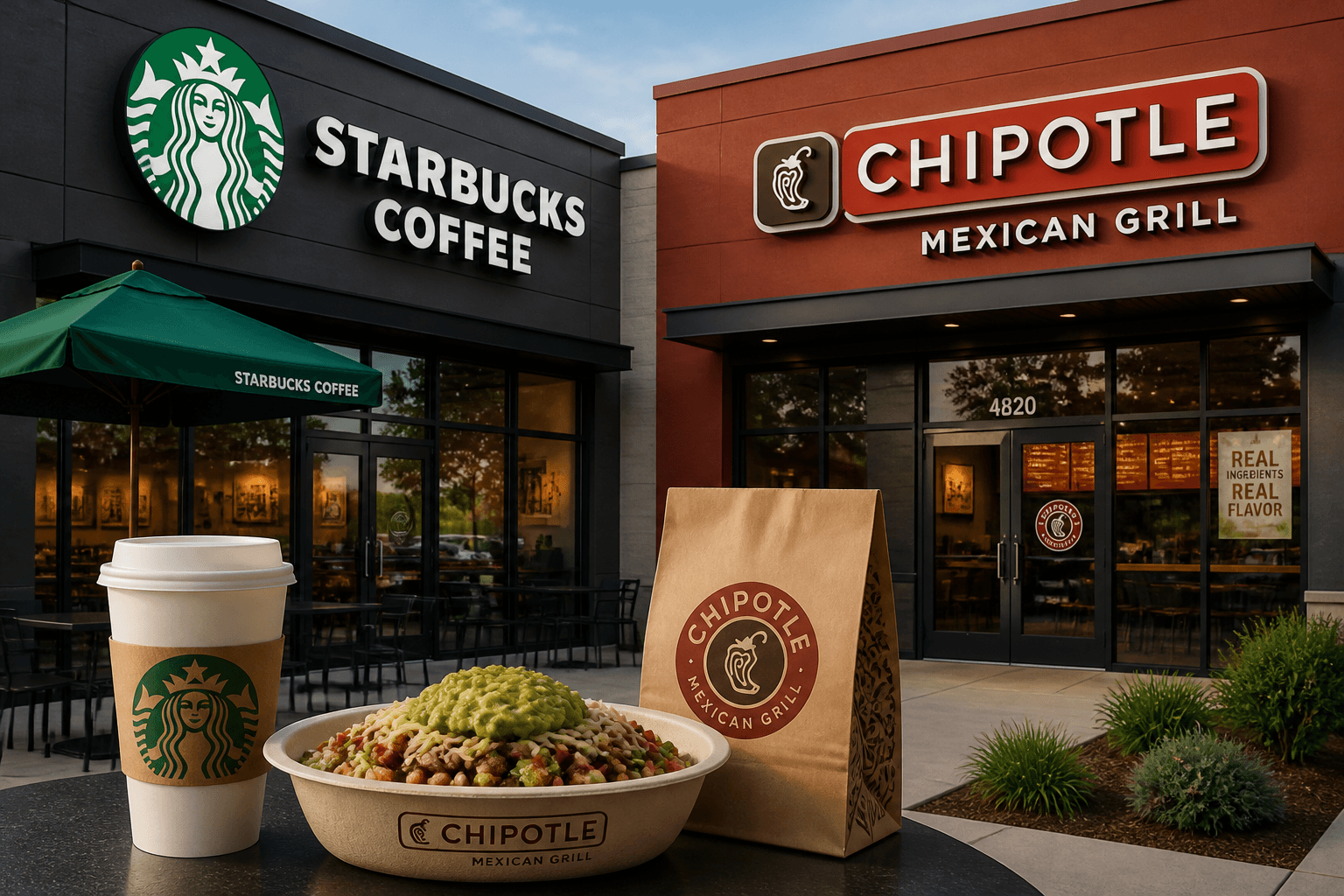
Starbucks Denies $50 Billion Chipotle Acquisition Rumor
Starbucks firmly denies rumors of a $50 billion Chipotle acquisition, shifting focus to its turnaround plan and upcoming Q4 earnings report.
News
Oct 12, 2026
Starbucks firmly denies rumors of a $50 billion Chipotle acquisition, shifting focus to its turnaround plan and upcoming Q4 earnings report.
Oct 12, 2026
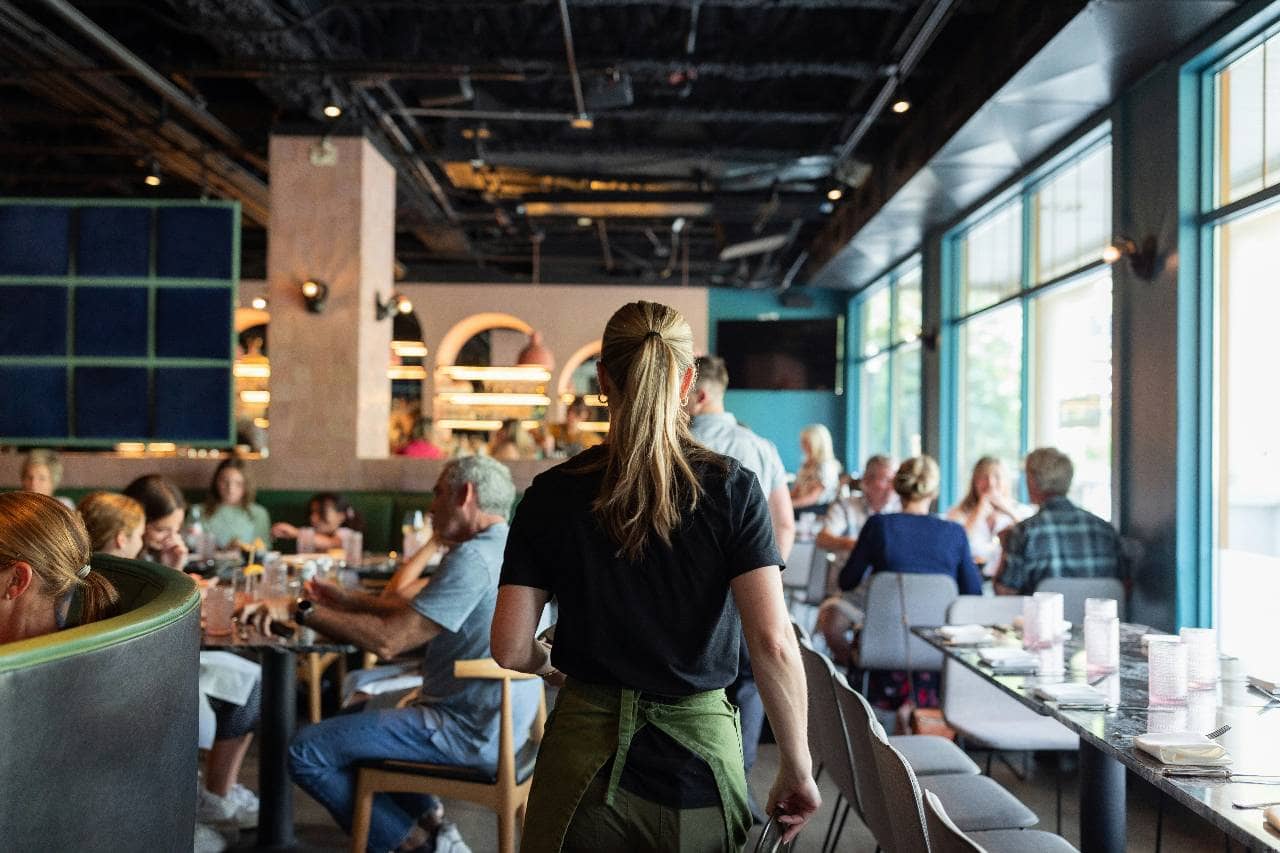
September 2026 restaurant leadership changes highlight executive priorities around expansion, operations, franchising, technology, financial performance, customer engagement, and sustainable growth.
Oct 12, 2026
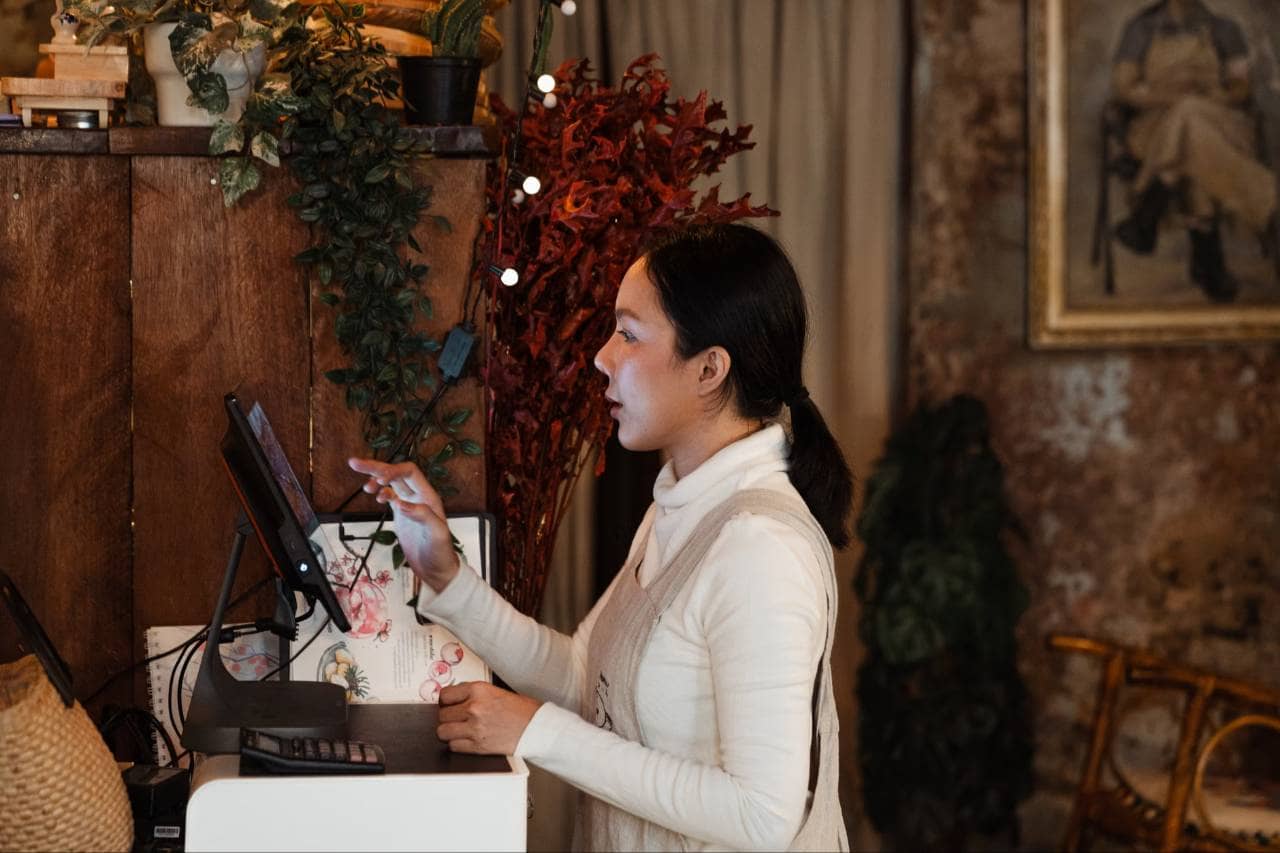
A cloud-based POS system helps restaurant owners streamline transactions, access real-time sales data, improve operational efficiency, manage costs, and support business growth.
Oct 12, 2026
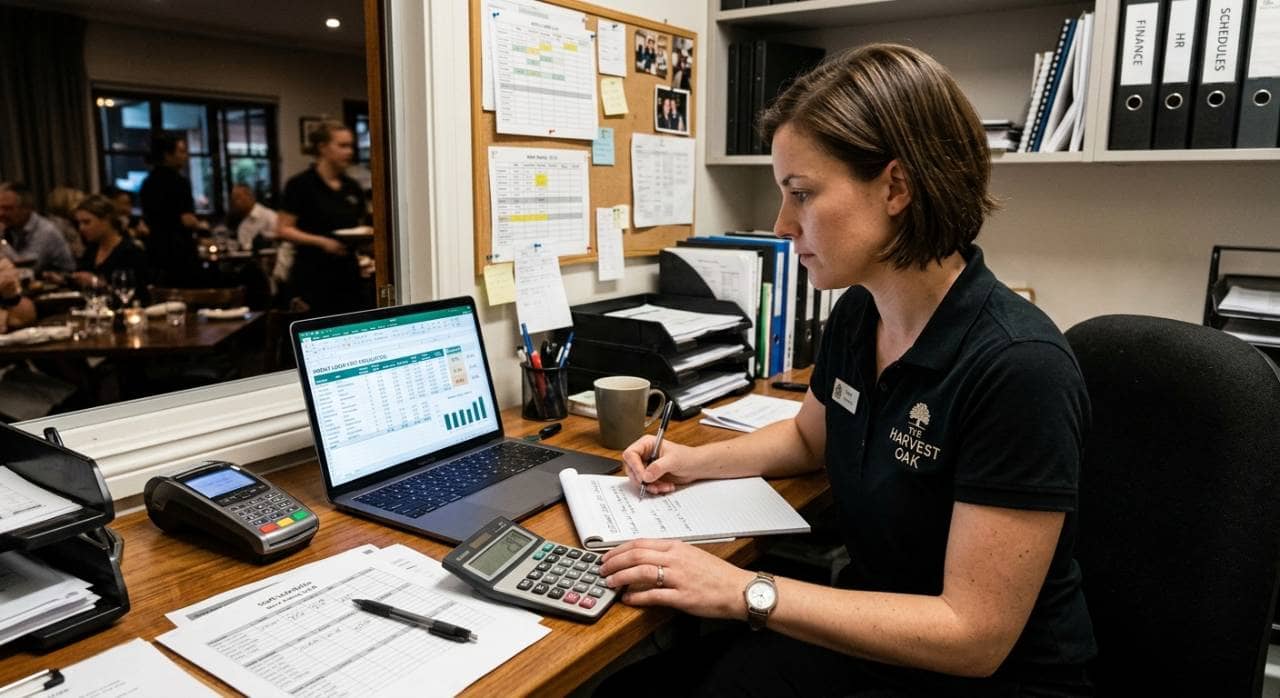
Learn how to calculate restaurant labor costs, determine labor cost percentages, account for payroll expenses, track spending, and improve profitability through smarter staffing decisions.
Oct 9, 2026

Workforce management software helps restaurant owners streamline scheduling, time tracking, attendance, and labor costs, improve compliance, choose the right platform, and implement it effectively to save time and boost efficiency.
Oct 9, 2026
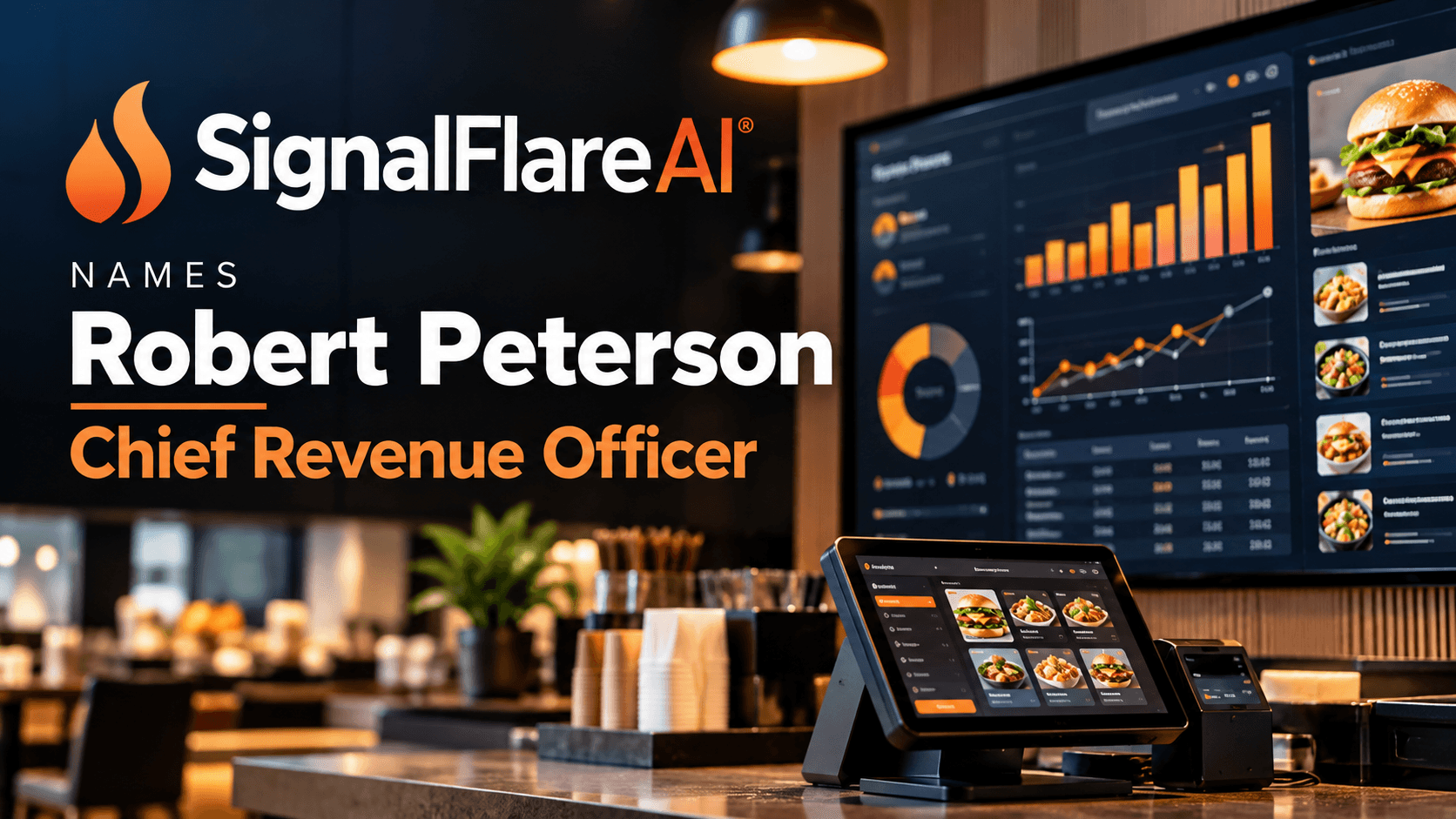
SignalFlare AI hires restaurant tech veteran Robert Peterson as CRO to drive adoption of its Navigator decision intelligence platform.
Oct 9, 2026
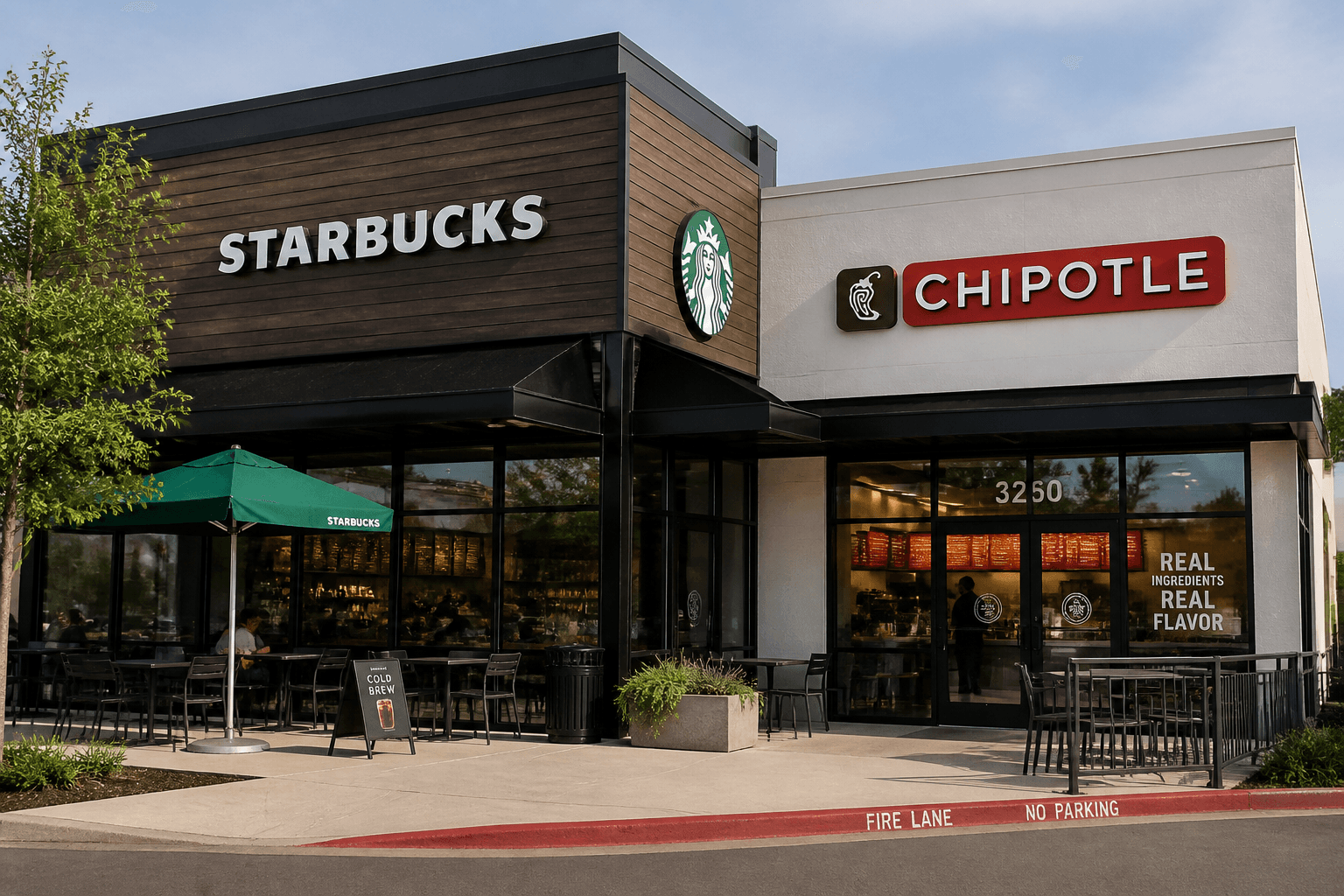
Reports of a Starbucks takeover bid for Chipotle sent shares in opposite directions, raising big questions about strategy, cost, and Brian Niccol's role.
Oct 9, 2026

CKE Restaurants names marketing veteran Alisa Gmelich President of Hardee's, tasking her with rebuilding franchisee trust and driving growth.
Oct 7, 2026
POS data helps restaurant owners control food costs by improving purchasing, reducing waste, optimizing portions, analyzing profitability, and managing inventory.
Oct 7, 2026

Understand overtime rules for restaurant employees, including eligibility, pay calculations, hours worked, compliance requirements, timekeeping, and overtime management.
Oct 7, 2026

Unlock Exclusive Access To Webinars, Events, And The Latest News For Free!
September 2026 restaurant leadership changes highlight executive priorities around expansion, operations, franchising, technology, financial performance, customer engagement, and sustainable growth.
September 2026 was an active month for executive movement across the restaurant industry. At least 37 restaurant-industry executives changed roles during the month, including seven CEO-level changes, according to Nation's Restaurant News. The changes included new CEOs, presidents, chief marketing officers, operations leaders, and other senior executives across national and regional restaurant brands. Several of the month's changes were tied to growth, expansion, operational improvement, and strategic repositioning. For example, Einstein Bros. Bagels added three C-suite executives as it works toward opening 300 bakeries over the next three years, while El Pollo Loco hired a new COO to support expansion and Panera added operations and supply-chain leadership as part of its turnaround efforts. Leadership changes also affected established restaurant companies. Inspire Brands CEO Paul Brown took a medical leave, while La Madeleine CEO John Dillon stepped down. Other notable moves included Lucy Brady becoming president of Jamba, Rick Gestring being named CEO of Rock N Roll Sushi, and Dave Shula returning as president of Shula's Restaurant Group. Why should restaurant owners pay attention to executive appointments? They can provide early clues about a company's priorities. A chief development officer may signal a stronger emphasis on new locations and franchise infrastructure; a chief operating officer may focus on service consistency, staffing, and restaurant-level performance; and a marketing leader may bring fresh attention to loyalty, digital ordering, and customer acquisition. These are not guaranteed outcomes, but they are useful indicators to monitor alongside sales, unit growth, and operating results.
One of September's most significant restaurant leadership changes occurred at Inspire Brands, where President and Chief Brand Officer Scott Murphy was named interim CEO after co-founder and CEO Paul Brown took medical leave. The transition was announced in September as Brown recovered from an injury. Murphy will oversee the company during Brown's absence, with the company emphasizing continuity in its existing strategy and operations. Murphy brings extensive experience within Inspire's portfolio. He serves as president of Dunkin' while also holding the chief brand officer position at Inspire, giving him experience across both brand-level and corporate leadership. His interim appointment comes at an important time for the restaurant group as it continues preparing for a potential initial public offering. For restaurant owners, the change highlights how leadership continuity becomes particularly important during periods of growth, organizational change, or major financial events. Inspire operates a large portfolio of restaurant brands, including Dunkin', Arby's, Sonic, Jimmy John's, Buffalo Wild Wings, and Baskin-Robbins. Maintaining consistent priorities across such a broad system can help minimize disruption for franchisees and operators. The leadership transition also demonstrates the importance of succession planning. By appointing an experienced internal executive rather than making an immediate external hire, Inspire can maintain its existing strategic direction while its CEO is away. What It Means for Restaurants - Inspire's decision to appoint an experienced internal interim leader underscores the value of preparing for unexpected transitions before they occur. Operators can apply the same principle by documenting key processes, assigning backup decision-makers, and cross-training managers so that service and franchise support continue even when a senior leader is unavailable.
La Madeleine experienced a significant leadership transition in September when John Dillon stepped down as CEO and president after approximately 18 months with the bakery-cafe chain. Dillon announced that his chapter with the brand had ended, following a period focused on repositioning the concept and preparing it for growth. During Dillon's tenure, La Madeleine introduced several changes under its Ignite the Joy transformation plan, including an expanded brunch offering, new value options, an elevated bakery program, and a new specialty coffee platform. The company also developed a new restaurant prototype designed to support franchise growth. The leadership transition comes as La Madeleine continues working to strengthen its business. The brand ended 2025 with approximately $175.5 million in domestic sales and 86 U.S. locations, according to Technomic data cited by Restaurant Business. Following Dillon's departure, Lionel Ladouceur is set to lead the brand. Ladouceur previously served as CEO of Worldwide Cafe Bakery, the France-based parent company's business, bringing extensive knowledge of La Madeleine and its parent organization. The company said his experience would help provide continuity for employees and franchise partners while the brand advances its growth plans. What It Means for Restaurants - La Madeleine's leadership change comes during a repositioning effort, making execution and continuity especially important. Operators navigating menu changes, new prototypes, or expansion should establish measurable milestones and communicate prioritiesclearly so initiatives do not lose momentum during a leadership transition.
Jamba made a notable leadership change in September when Lucy Brady was named president of the beverage and smoothie brand by parent company GoTo Foods. Brady joined Jamba on September 8, bringing extensive experience from the consumer and food industries to the role. Before joining Jamba, Brady served as president of grocery and snacks at Conagra Brands. She also spent more than two decades at McDonald's, where she held several senior leadership positions, including roles overseeing corporate strategy, supply chain, and franchising. Her background gives Jamba an executive with experience across restaurant operations, consumer products, and large-scale brand management. Brady's appointment was part of a broader leadership reshuffle at GoTo Foods. The company also expanded Nathan Baldwin's responsibilities, moving him from president of Auntie Anne's to president of Specialty Brands, where he oversees Cinnabon, Carvel, and co-branded concepts. For Jamba, the appointment comes as the brand continues to compete in the increasingly crowded beverage and fast-casual market. Bringing in an executive with experience at major restaurant and consumer brands could help the company strengthen its brand strategy, customer experience, and growth plans. What It Means for Restaurants - Jamba's leadership change demonstrates how restaurant companies are increasingly looking for executives with cross-industry experience in restaurants, consumer products, franchising, and brand strategy. For restaurant owners, that broader expertise can become particularly valuable when expanding a concept or adapting to changing consumer preferences. A useful question for operators is which specific metric - guest frequency, labor productivity, food cost, opening timelines, or unit-level profitability - would demonstrate whether this leadership priority is working.
Einstein Bros. Bagels made a major investment in its leadership team in September, appointing Patrick Waldron as chief development officer, Shawna Fehrman-Lee as chief people officer, and Will Evans as chief financial officer. The appointments strengthen the brand's leadership across development, people management, and financial strategy as it prepares for significant expansion. The leadership additions come as Einstein Bros. Bagels targets an ambitious growth plan. The brand intends to open 300 bakeries over the next three years, making development and financial planning particularly important areas of focus. The company said the new executives bring experience from high-growth organizations and will help support the brand's expansion strategy. Waldron will oversee the company's development strategy, while Fehrman-Lee will focus on its people and organizational priorities. Evans will lead financial activities as the brand scales its restaurant footprint. Together, the appointments give Einstein Bros. Bagels dedicated senior leadership across three areas that become increasingly complex as a restaurant chain grows - real estate and development, workforce management, and financial planning. For restaurant owners, the changes highlight how leadership structures often evolve alongside expansion plans. Adding specialized executives can help a growing restaurant company establish clearer accountability for development, staffing, culture, and financial performance rather than placing all of those responsibilities under a small leadership group. What It Means for Restaurants - Einstein Bros. Bagels' appointments show that restaurant expansion requires more than opening additional locations. Development, people, and financial leadership must scale alongside the restaurant footprint to support sustainable growth. A useful question for operators is which specific metric - guest frequency, labor productivity, food cost, opening timelines, or unit-level profitability - would demonstrate whether this leadership priority is working.
El Pollo Loco strengthened its leadership team in September by appointing Damon Thomas as chief operating officer. Thomas joined the Costa Mesa-based restaurant chain on September 21 and reports directly to CEO Liz Williams. Thomas brings nearly two decades of restaurant-industry experience, including senior operations roles at Shake Shack and Raising Cane's. Most recently, he served as senior vice president of operations at Shake Shack, where he was responsible for operations across a growing restaurant system. His previous experience also includes a leadership role at Yoshinoya America. The appointment comes as El Pollo Loco prepares for an important stage of expansion. In September, the company announced plans to enter New York, including its first planned restaurant in Queens and three development agreements covering 15 restaurants over five years. The brand also appointed Tara Hinkle as chief development officer to support its expansion strategy. Thomas will therefore take on the operations side of a broader growth strategy. His responsibilities include strengthening operational execution, guest experience, and the systems needed to support a larger, multi-market restaurant footprint. For a restaurant company expanding beyond its established markets, maintaining consistent execution across locations becomes increasingly important. What It Means for Restaurants - El Pollo Loco's appointment shows how operations leadership becomes critical when a restaurant brand enters new markets. For restaurant owners, expansion requires more than securing locations - it also requires scalable operating systems, consistent guest experiences, and experienced leadership capable of supporting multiple markets. A useful question for operators is which specific metric - guest frequency, labor productivity, food cost, opening timelines, or unit-level profitability - would demonstrate whether this leadership priority is working.
Panera Bread made two significant leadership additions in September as the fast-casual chain continued its broader business transformation. The company brought in Chris Finazzo as chief operating officer and Victor Siqueira as chief supply chain officer, adding executives with experience at Restaurant Brands International. Finazzo and Siqueira's appointments strengthen two areas that are particularly important for a large restaurant chain - restaurant operations and supply chain management. Finazzo's role puts him in charge of operational execution, while Siqueira is responsible for the supply chain function. Their experience in the restaurant industry gives Panera additional leadership capacity as it works to improve its business performance. The appointments come during an ambitious period for Panera. The brand has been working through a broader overhaul involving its menu, restaurant experience, operations, and overall business strategy. Bringing in dedicated leadership for operations and supply chain suggests that improving execution and consistency remains an important part of that effort. For restaurant owners, Panera's changes highlight the connection between front-of-house execution and back-end supply chain performance. Restaurant operators can have a strong menu and brand strategy, but inconsistent execution, inefficient procurement, inventory challenges, or supply disruptions can affect margins and the guest experience. What It Means for Restaurants - Panera's leadership changes demonstrate how restaurant companies pursuing a turnaround may strengthen operational and supply chain leadership rather than relying solely on marketing or menu changes. For restaurant owners, efficient operations and reliable supply chains remain critical to controlling costs and delivering consistent service. A useful question for operators is which specific metric - guest frequency, labor productivity, food cost, opening timelines, or unit-level profitability - would demonstrate whether this leadership priority is working.
KFC made a significant marketing leadership change in September by naming Amy Ellis Durini as its first global chief brand officer. Durini returned to the Yum! Brands chain after previously holding senior marketing roles at KFC, including chief marketing officer for the U.S. business. Her appointment comes as KFC works to refresh its global brand identity and strengthen its marketing strategy. The newly created global position gives Durini responsibility for KFC's brand strategy across its international markets. The role comes at a time when the chain is updating several recognizable elements of its identity, including its use of Colonel Sanders, while also placing greater emphasis on core menu categories such as boneless chicken. Durini's return also reflects a broader trend in restaurant leadership - bringing back experienced executives who already understand the company's customers, franchise system, and brand culture. Rather than starting with an external executive unfamiliar with the organization, KFC is placing a familiar leader in a newly expanded global role. For restaurant owners, this type of appointment demonstrates how brand consistency becomes more challenging as restaurant companies expand across markets. A global marketing leader must balance a recognizable brand identity with differences in local customers, competition, and market conditions. What It Means for Restaurants - KFC's creation of a global chief brand officer position shows the growing importance of centralized brand leadership for large restaurant systems. For restaurant owners, consistent branding, marketing execution, and customer positioning can become increasingly important as a restaurant concept expands into new markets. A useful question for operators is
Original ChopShop made a significant leadership transition in September when Kyle Frederick was named chief executive officer, succeeding Jason Morgan, who moved from the CEO position into an advisory role after a decade leading the brand. Frederick officially took over on September 28. Frederick brings extensive experience with the fast-casual concept, having spent 10 years with Original ChopShop and most recently serving as its chief operating officer. In that position, he helped oversee the brand's operations, restaurant teams, and company culture. His promotion therefore represents an internal succession rather than a major shift to an outside executive. The transition comes as Original ChopShop continues to expand its "Feel Good Food" concept into additional markets. Moving an experienced operations executive into the CEO role gives the company a leader who already understands its restaurant-level processes, employees, culture, and growth strategy. For restaurant owners, the transition demonstrates the value of internal leadership development and succession planning. Promoting an executive who already understands the business can reduce the learning curve associated with a leadership transition while preserving operational knowledge. What It Means for Restaurants - Original ChopShop's CEO transition shows how restaurant companies can use internal succession to maintain continuity while pursuing growth. For restaurant owners, developing senior leaders from within the organization can create a stronger pipeline for future executive roles and help protect operational consistency during periods of expansion. A useful question for operators is which specific metric - guest frequency, labor productivity, food cost, opening timelines, or unit-level profitability - would demonstrate whether this leadership priority is working.
Skyline Chili made a significant leadership change in September by naming Carl Stealey as chief executive officer. Stealey brings more than two decades of experience in the restaurant industry and has held senior leadership positions across several major restaurant organizations. Stealey's background includes leadership experience at Yum! Brands, Arby's, and Bloomin' Brands, giving him experience across franchised and company-operated restaurant systems. His appointment comes as Skyline Chili continues to focus on growth while maintaining the operating standards and brand identity associated with its Cincinnati roots. The CEO transition is particularly relevant as regional restaurant brands look for ways to expand beyond their traditional markets. Leadership teams must balance growth with consistency, ensuring that new locations maintain food quality, service standards, and the brand experience that established customers expect. For restaurant owners, Stealey's appointment also highlights the importance of experienced leadership when moving from a regional concept toward broader expansion. A CEO with experience across multiple restaurant systems can bring knowledge of franchising, operations, development, and organizational scaling. What It Means for Restaurants - Skyline Chili's leadership change demonstrates how experienced restaurant executives can help regional brands prepare for their next stage of growth. For restaurant owners, expanding successfully requires leadership that can translate an established brand identity into repeatable systems across a larger restaurant footprint. A useful question for operators is which specific metric - guest frequency, labor productivity, food cost, opening timelines, or unit-level profitability - would demonstrate whether this leadership priority is working.
Cavamade a notable leadership addition in September by naming John Ludeke as chief marketing officer. Ludeke joined the fast-casual Mediterranean restaurant chain after serving as chief brand officer at Dr. Squatch, the personal-care brand owned by Unilever. His appointment was announced September 30. Ludeke brings experience from outside the traditional restaurant industry, giving Cava a marketing leader with a background in consumer branding, brand development, and customer engagement. His role will be to lead Cava's marketing organization as the company continues to expand its restaurant footprint and build connections with consumers. The appointment reflects an increasingly common approach among restaurant companies - recruiting executives from consumer-facing industries that have expertise in building recognizable brands and developing customer relationships. For growing restaurant concepts, marketing leadership extends beyond advertising to include brand positioning, digital engagement, customer acquisition, and maintaining consistency as more locations open. Cava's move also highlights the importance of marketing leadership during periods of rapid expansion. As a restaurant brand enters additional markets, it must introduce itself to new customers while maintaining the identity and customer experience that established locations have built. What It Means for Restaurants - Cava's appointment shows that restaurant companies are increasingly looking outside the restaurant industry for specialized leadership expertise. For restaurant owners, strong brand and marketing capabilities can become increasingly important as a concept expands into new markets and competes for consumer attention. A useful question for operators is which specific metric - guest frequency, labor productivity, food cost, opening timelines, or unit-level profitability - would demonstrate whether this leadership priority is working.
September's executive moves reveal several broader trends that restaurant owners should pay attention to. Across the industry, companies are strengthening leadership around growth, operations, franchising, supply chains, marketing, and brand strategy rather than relying on a single executive to manage every aspect of expansion. Nation's Restaurant News reported at least 37 restaurant executive changes during September, including seven CEO-level changes. Growth and Expansion Are Driving Leadership DecisionsThis suggests that restaurant growth is increasingly being treated as a systems challenge. Opening more locations requires leaders who understand development, staffing, operating standards, supply chains, and financial controls at scale. This suggests that restaurant growth is increasingly being treated as a systems challenge. Opening more locations requires leaders who understand development, staffing, operating standards, supply chains, and financial controls at scale. Franchising Remains a Major Leadership Priority Leadership changes also show the continued importance of franchise growth. Restaurant brands expanding through franchisees need executives who can support franchise development while maintaining consistency across independently operated locations. For restaurant owners, this means leadership decisions at the corporate level can eventually affect development requirements, operating standards, technology investments, training, and franchise support. Operations Leadership Is Becoming More Specialized Operations was another major focus during September. Panera appointed Chris Finazzo as COO and Victor Siqueira as chief supply chain officer, with the company specifically stating that their responsibilities include operational excellence, sustainable growth, and building a reliable and efficient supply network. El Pollo Loco also hired Damon Thomas as COO to support its expansion strategy. The trend is relevant to restaurant owners because operational performance directly affects labor costs, food costs, service speed, guest experience, and profitability. As restaurant groups grow, specialized operational leadership can help turn broad corporate strategies into consistent restaurant-level execution. Technology and Digital Experience Are Becoming Part of Leadership Strategy Technology was not necessarily the primary reason behind every September appointment, but several leadership changes point toward a broader shift in how restaurants approach digital customer engagement. Cava's new CMO, John Ludeke, is specifically responsible for advancing digital experiences, guest loyalty, and engagement while connecting marketing more directly with the restaurant experience. For restaurant owners, this reinforces the idea that technology is no longer limited to POS systems or back-office functions. Digital ordering, loyalty programs, customer data, marketing platforms, and personalized guest experiences increasingly overlap with brand and marketing strategy. Financial Performance and Turnarounds Are Influencing Leadership Structures Some leadership changes are occurring while restaurant companies work through broader business transformations. Panera's new operations and supply chain executives were brought in as the company continues an extensive overhaul. Leadership changes during a turnaround can signal that a company is focusing on cost control, operational consistency, supply-chain efficiency, and sustainable growth rather than relying exclusively on sales or marketing initiatives. For restaurant owners, the lesson is straightforward - improving financial performance often requires changes to the underlying operating model. Labor productivity, purchasing, inventory, scheduling, waste, and restaurant execution can all influence profitability. Consumer Strategy Is Shaping Marketing Leadership September also showed that restaurant brands are placing greater emphasis on how they connect with consumers. KFC created its first global chief brand officer position while working to refresh its brand identity and menu positioning. Cava's appointment of a CMO from outside the restaurant industry provides another example. The company said Ludeke's role will focus on brand differentiation, guest loyalty, digital experiences, and national expansion. For restaurant owners, these moves highlight the need to continually evaluate what customers value, how they interact with a brand, and where they choose to spend their money. The Bigger Takeaway for Restaurant Owners The common thread across September's leadership changes is specialization. Restaurant companies are building executive teams around specific business challenges - expansion, operations, people, supply chain, finance, marketing, and customer engagement. For independent and multi-unit restaurant owners, the same principle can be applied at a smaller scale. As a restaurant grows, assigning clear ownership to scheduling, labor management, inventory, financial reporting, marketing, and operations can make it easier to identify problems and hold teams accountable. The leadership changes of September therefore offer more than a list of executive appointments. They provide a snapshot of the areas restaurant companies believe will be most important for growth, efficiency, profitability, and customer retention heading into the remainder of 2026.