SignalFlare AI Names Robert Peterson Chief Revenue Officer
SignalFlare AI hires restaurant tech veteran Robert Peterson as CRO to drive adoption of its Navigator decision intelligence platform.
News
Oct 9, 2026
SignalFlare AI hires restaurant tech veteran Robert Peterson as CRO to drive adoption of its Navigator decision intelligence platform.
Oct 9, 2026
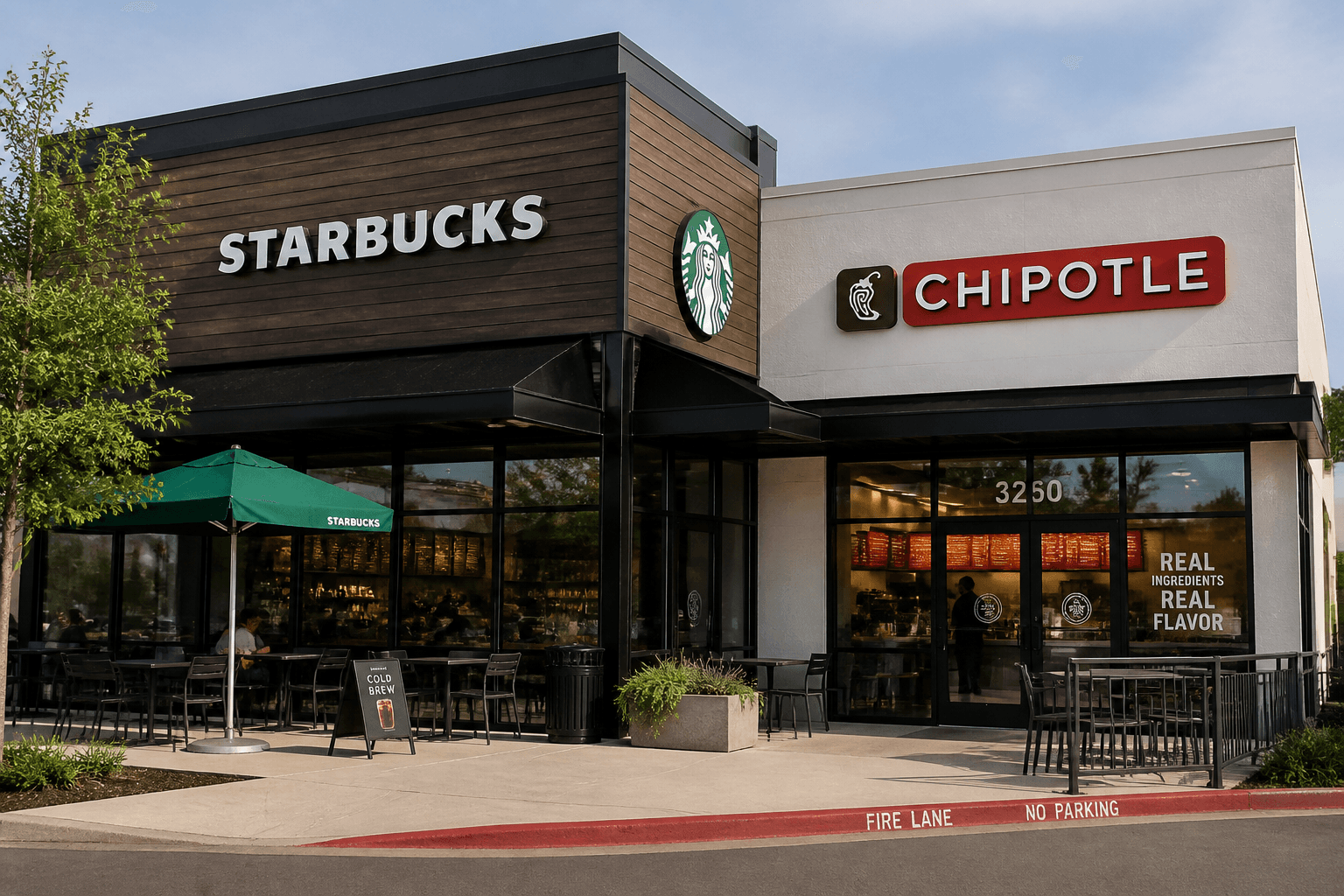
Reports of a Starbucks takeover bid for Chipotle sent shares in opposite directions, raising big questions about strategy, cost, and Brian Niccol's role.
Oct 9, 2026

CKE Restaurants names marketing veteran Alisa Gmelich President of Hardee's, tasking her with rebuilding franchisee trust and driving growth.
Oct 7, 2026

Understand overtime rules for restaurant employees, including eligibility, pay calculations, hours worked, compliance requirements, timekeeping, and overtime management.
Oct 7, 2026
POS data helps restaurant owners control food costs by improving purchasing, reducing waste, optimizing portions, analyzing profitability, and managing inventory.
Oct 7, 2026
Hangry Joe's promotes insider Brandon Wilhelm to CEO, prioritizing franchisee profitability over rapid unit growth as the chain expands past 90 locations.
Oct 6, 2026
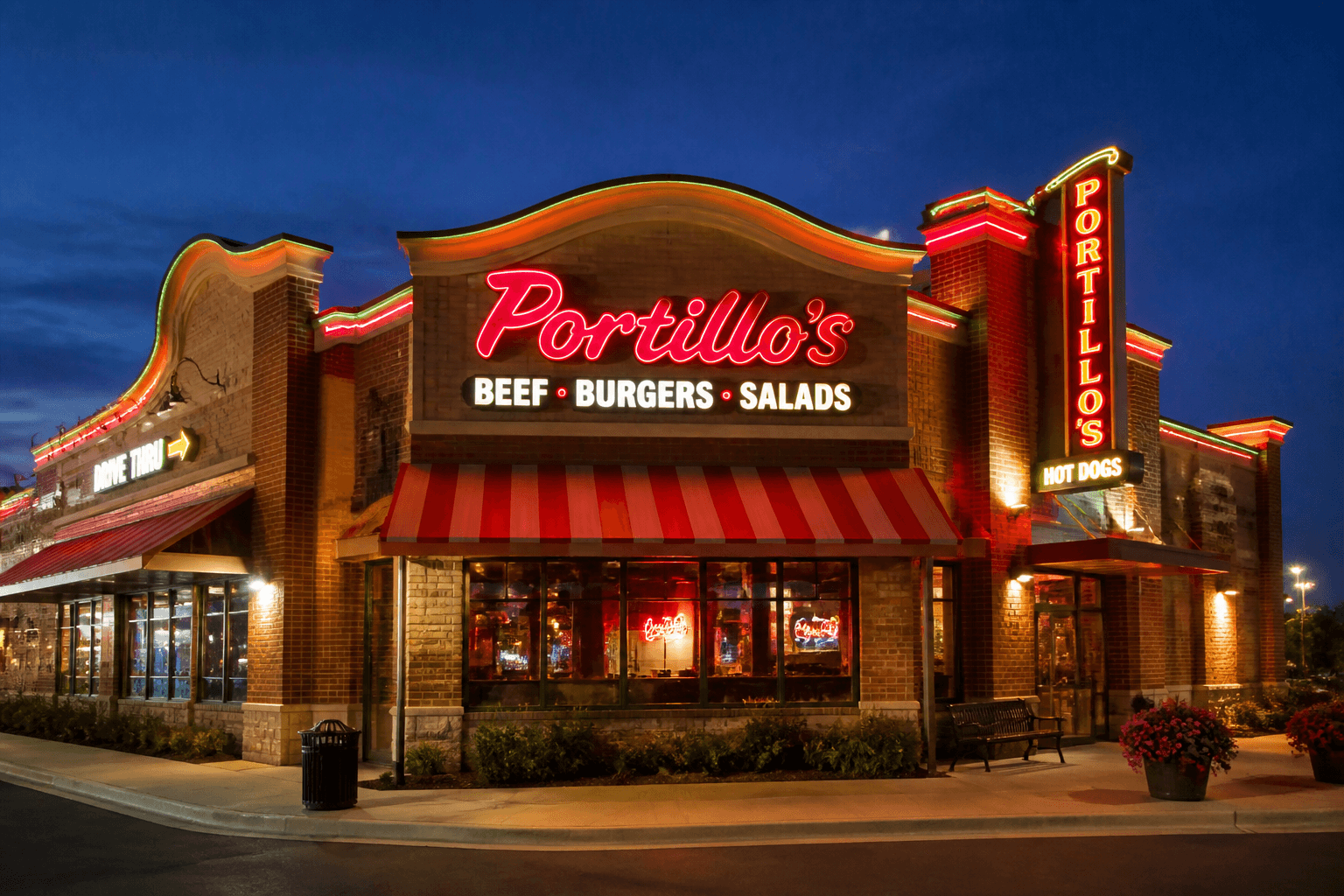
Portillo's chief people officer Jill Waite departs as new CEO Brett Patterson reshapes leadership with layoffs and fresh executive hires.
Oct 6, 2026
Uber is paying $2.3 billion to acquire ezCater, merging its catering network into Uber Eats and Uber for Business to enter workplace catering.
Oct 6, 2026
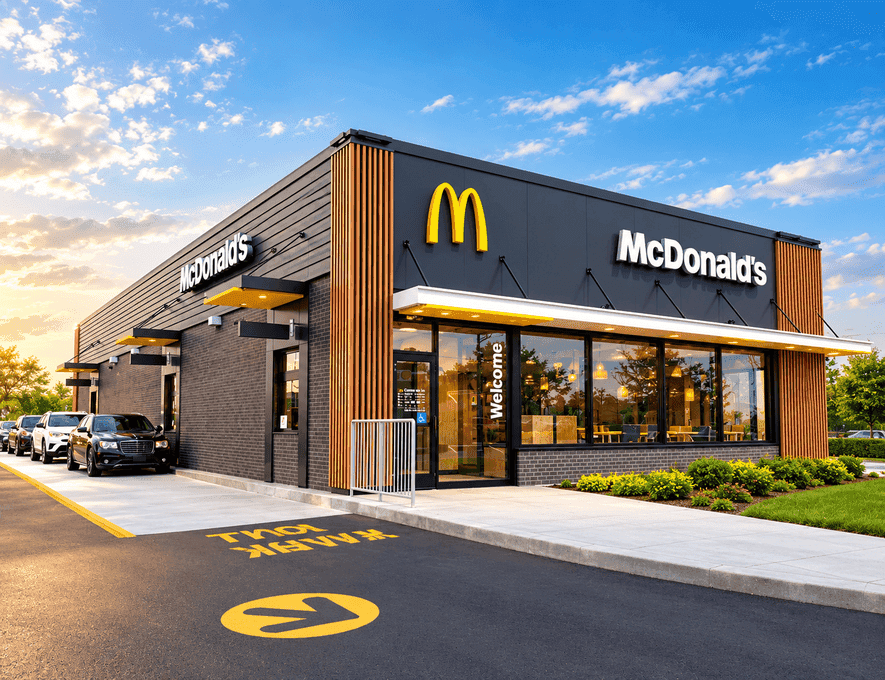
A new lawsuit claims McDonald's pricing tool pressures franchisees into algorithmic price-fixing, raising fresh antitrust questions for the chain.
Oct 6, 2026

True Food Kitchen filed for Chapter 11 bankruptcy, closing 12 locations and shrinking to 34 restaurants across 14 states amid $42.1 million in debt.
Oct 5, 2026

Unlock Exclusive Access To Webinars, Events, And The Latest News For Free!
Reports of a Starbucks takeover bid for Chipotle sent shares in opposite directions, raising big questions about strategy, cost, and Brian Niccol's role.
The Financial Times dropped a single sentence on Thursday that sent two of the restaurant industry's most recognizable stocks hurtling in opposite directions. Starbucks, the paper reported, has quietly engaged advisors to explore a takeover of Chipotle, the burrito chain whose fortunes have soured considerably since a familiar name left its executive suite. The FT was careful to frame the talks as "early-stage plans" that "might never get off the ground," but caution did little to steady the markets. Chipotle shares jumped more than 7% on the news. Starbucks shares fell 5%. Investors, it seems, read the same headline and arrived at entirely different verdicts.
The number attached to this speculation is itself staggering. Chipotle currently carries a $39 billion valuation, and any serious bid would almost certainly require Starbucks to pay well above that figure. Should the deal happen, it would dwarf the previous record in restaurant M&A: Burger King's $11.4 billion acquisition of Tim Hortons back in 2014, a transaction that even adjusted for inflation tops out around $16 billion. There is no modern precedent for a restaurant deal of this scale, which is precisely why Wall Street is struggling to make sense of it.
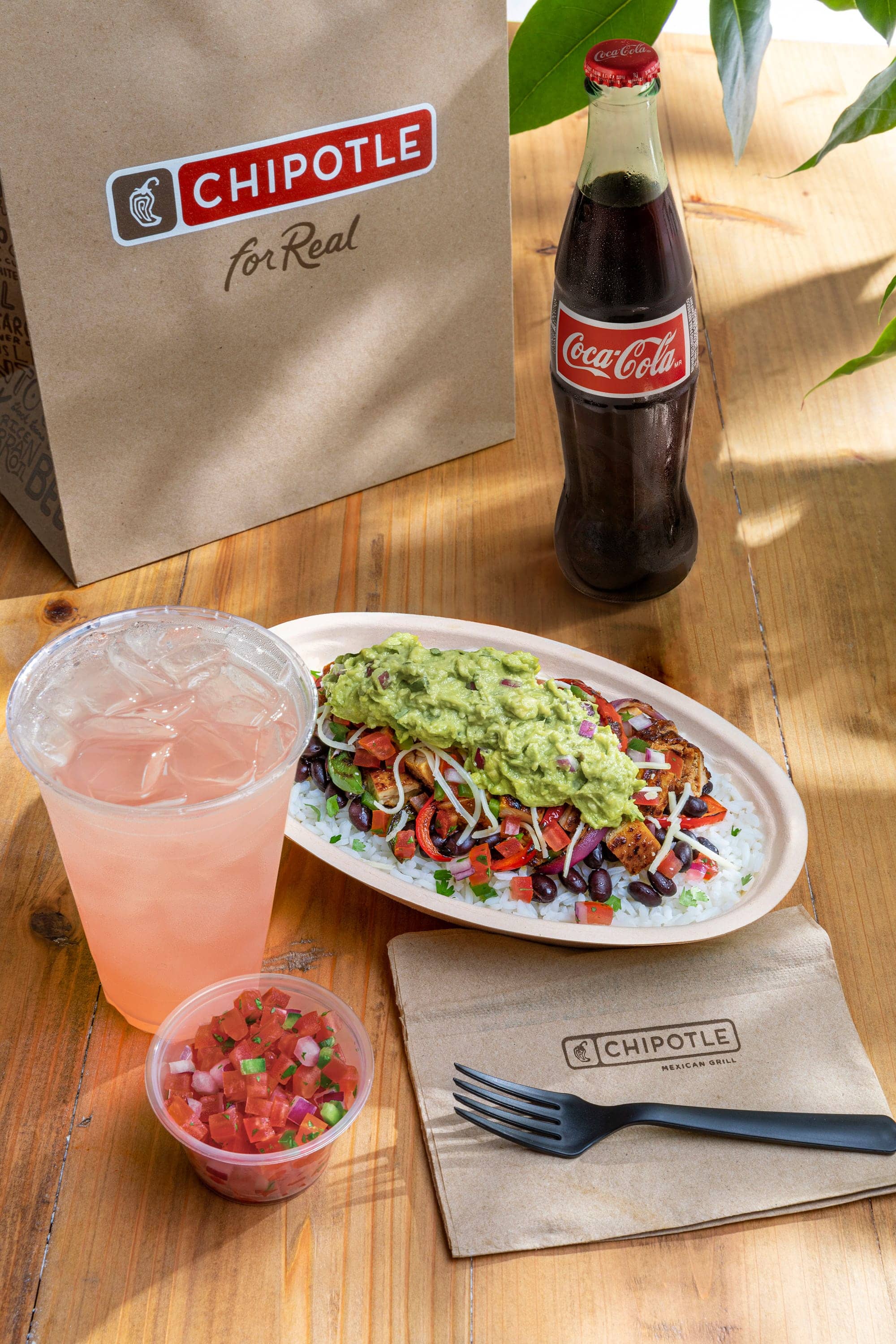
The thread tying these two companies together has a name: Brian Niccol. He left Chipotle two years ago to take the top job at Starbucks, and the diverging paths of the two brands since his departure tell much of this story. Starbucks stock has climbed 21.5% through Wednesday's close under his leadership. Chipotle shares have fallen 45% over that same window. Niccol had once rescued Chipotle after arriving from Taco Bell in 2018, which lends an odd symmetry to the idea of him engineering a second rescue, this time as the buyer rather than the operator. For Chipotle shareholders watching their stock languish through unsatisfying quarter after quarter, that symmetry may be exactly what makes an acquisition feel less like speculation and more like hope. For Starbucks investors, it raises a harder question: why would a company just beginning to find its footing again take on someone else's unfinished turnaround?
The mechanics of actually pulling this off are where the enthusiasm starts to fray. Absorbing Chipotle would demand enormous new capital, likely financed through debt, and the two chains share almost nothing in terms of supply chain or operational infrastructure. Sharon Zackfia, an analyst at William Blair, has floated the idea that Starbucks might need to sell off its Japan operations just to help fund the purchase, a suggestion that says as much about the deal's scale as any dollar figure could. Zackfia went further, warning that pursuing the acquisition might signal "that management has less confidence in Starbucks' future growth prospects." It is a sharp observation, because it reframes the entire conversation: a company reaching outside its core business for growth is sometimes a company that no longer believes it can find that growth within. Logan Reich of RBC arrived at a similarly unflattering conclusion, writing that "the strategic rationale for Starbucks acquiring Chipotle isn't apparent to us given limited overlap between the businesses."
Starbucks, for its part, has declined to engage with the specifics. A company spokesperson offered the standard non-denial: "As a matter of policy, we don't comment on rumors and speculation. Our team is laser-focused on executing our Back to Starbucks strategy. We have strong momentum and confidence in our long-term growth potential. We look forward to sharing our Q4 results, including FY27 guidance, later this month." It's a statement built to project stability, yet the mere existence of advisors already working on a potential bid sits uneasily alongside that message of singular focus.
What makes the timing especially curious is that Starbucks appears to be in the middle of an actual recovery, not merely claiming one. U.S. same-store sales have improved for four consecutive quarters, including a 7.9% jump in the most recent period, the product of Niccol's "Back to Starbucks" overhaul: new management structures, store closures where needed, additional staffing on the floor, remodels, and technology upgrades aimed at clearing order backups. The company also just closed another 250 coffee shops, a reminder that the turnaround, while real, is far from finished. Chipotle's picture looks nothing like it. Same-store sales there haven't topped 2.2% growth in any of the last six reporting periods, and three of those six periods were negative, a stretch of weakness that has investors murmuring about activist pressure if things don't turn soon.