Hardee's Taps Alisa Gmelich as New President
CKE Restaurants names marketing veteran Alisa Gmelich President of Hardee's, tasking her with rebuilding franchisee trust and driving growth.
News
Oct 7, 2026
CKE Restaurants names marketing veteran Alisa Gmelich President of Hardee's, tasking her with rebuilding franchisee trust and driving growth.
Oct 7, 2026

Understand overtime rules for restaurant employees, including eligibility, pay calculations, hours worked, compliance requirements, timekeeping, and overtime management.
Oct 7, 2026
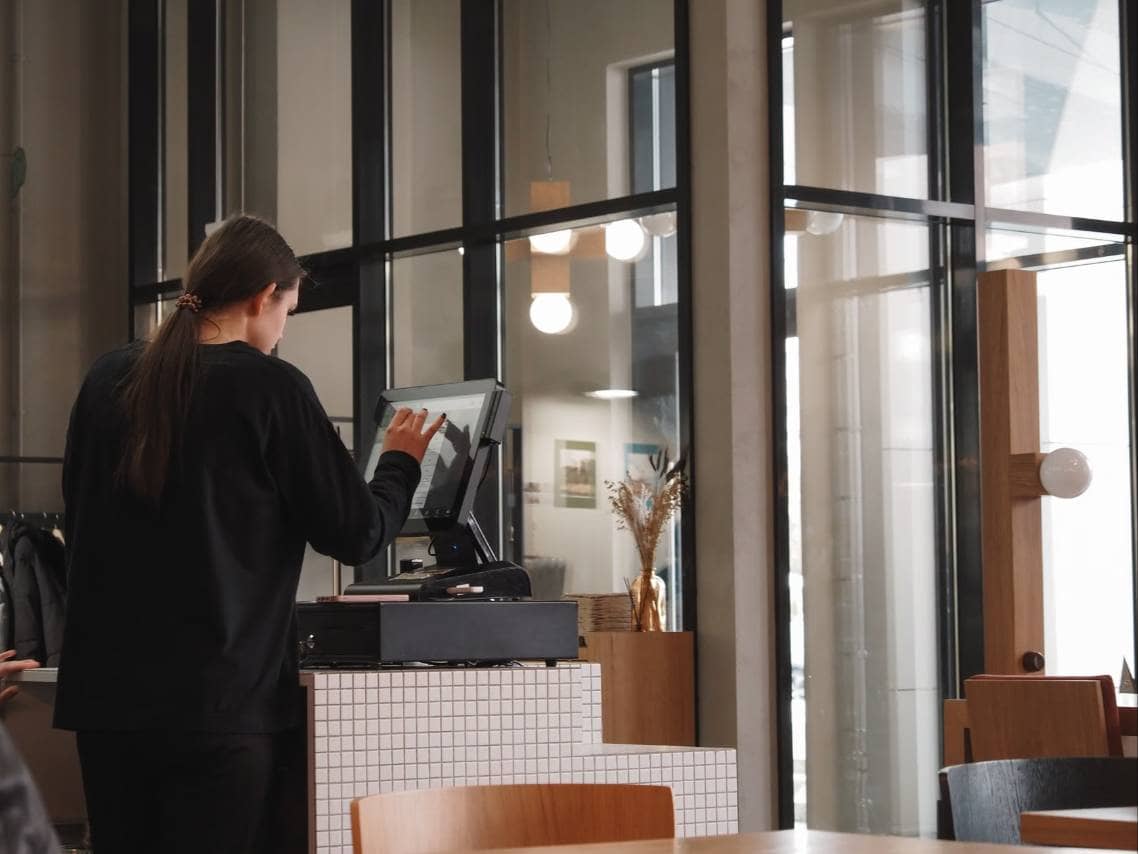
POS data helps restaurant owners control food costs by improving purchasing, reducing waste, optimizing portions, analyzing profitability, and managing inventory.
Oct 7, 2026
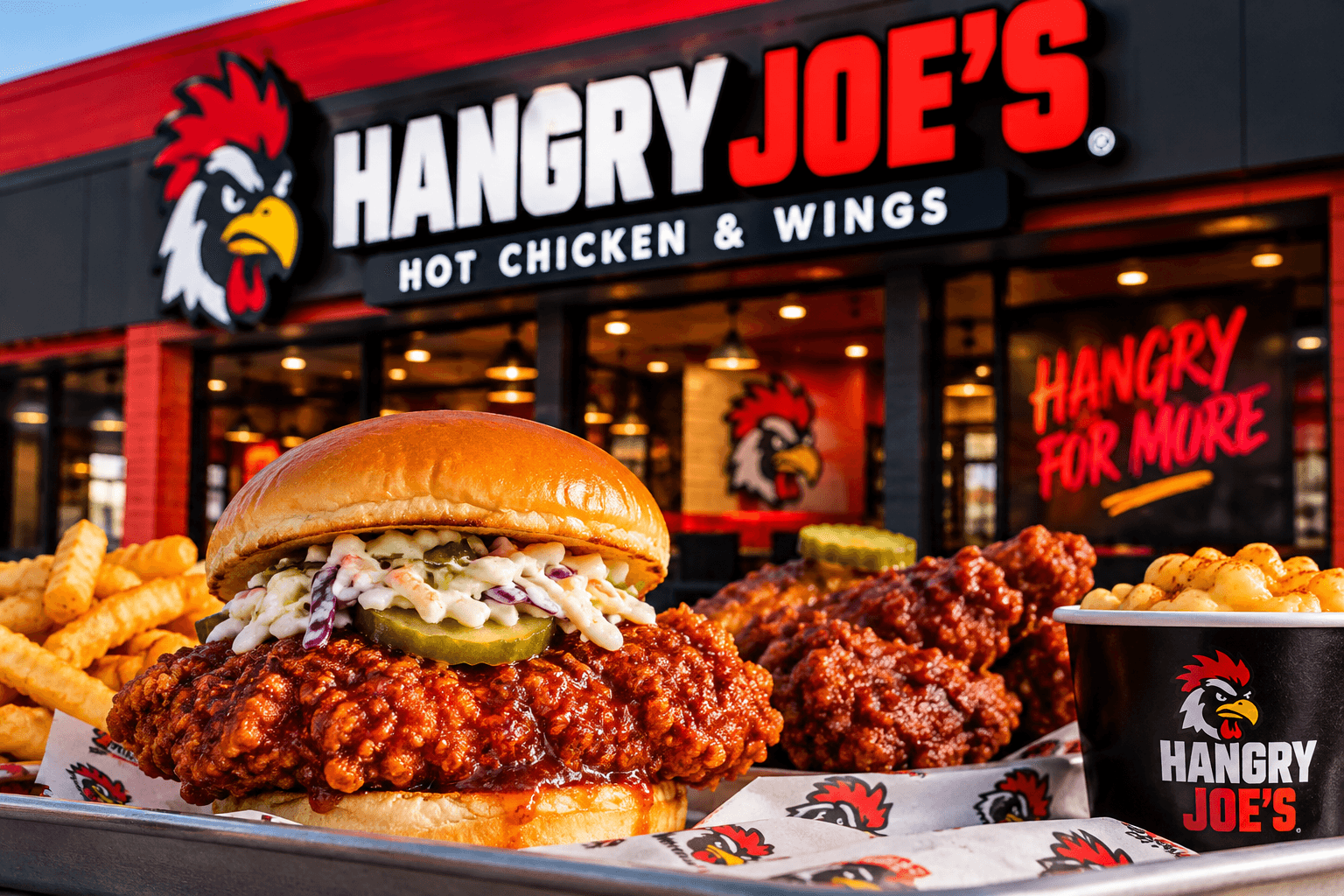
Hangry Joe's promotes insider Brandon Wilhelm to CEO, prioritizing franchisee profitability over rapid unit growth as the chain expands past 90 locations.
Oct 6, 2026
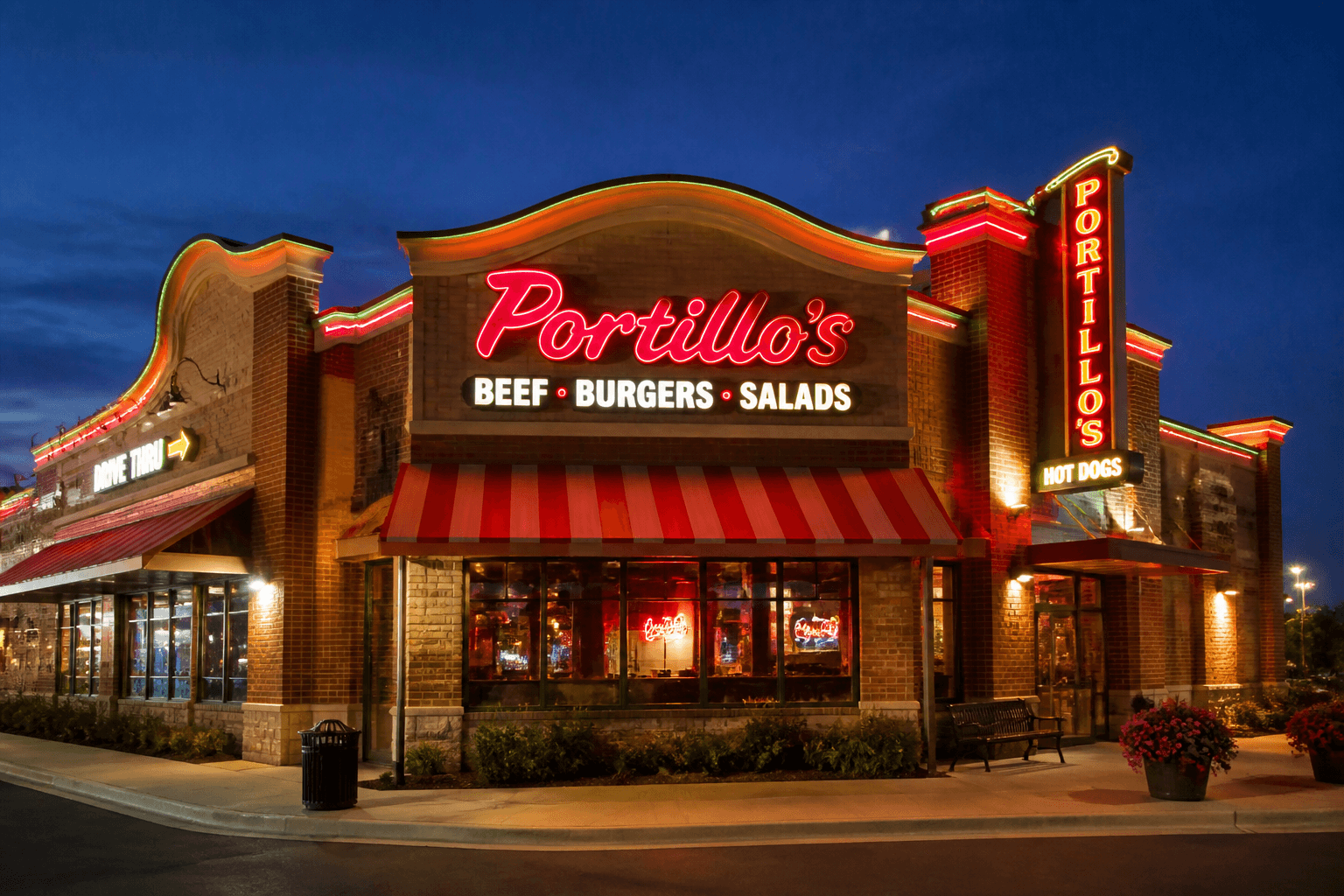
Portillo's chief people officer Jill Waite departs as new CEO Brett Patterson reshapes leadership with layoffs and fresh executive hires.
Oct 6, 2026

Uber is paying $2.3 billion to acquire ezCater, merging its catering network into Uber Eats and Uber for Business to enter workplace catering.
Oct 6, 2026
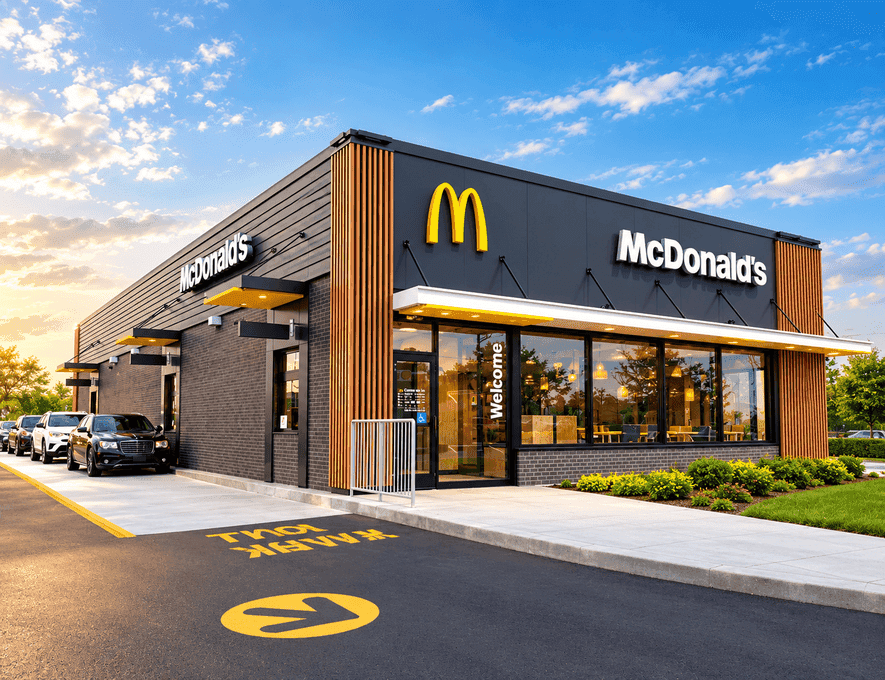
A new lawsuit claims McDonald's pricing tool pressures franchisees into algorithmic price-fixing, raising fresh antitrust questions for the chain.
Oct 6, 2026

True Food Kitchen filed for Chapter 11 bankruptcy, closing 12 locations and shrinking to 34 restaurants across 14 states amid $42.1 million in debt.
Oct 5, 2026

Snooze Eatery names industry veteran Amy Hom as COO, starting Sept. 28, to strengthen hospitality and operations ahead of its next growth phase.
Oct 5, 2026

Opening a second restaurant location requires readiness, clear goals, financial planning, funding, smart strategy, standardized operations, strong teams, and careful launch monitoring for sustainable growth.
Sep 30, 2026

Unlock Exclusive Access To Webinars, Events, And The Latest News For Free!
Understand overtime rules for restaurant employees, including eligibility, pay calculations, hours worked, compliance requirements, timekeeping, and overtime management.
Overtime rules determine when a restaurant must pay an eligible employee more than their regular hourly rate for additional hours worked. For restaurant owners, understanding these rules starts with knowing who qualifies for overtime, what counts as hours worked, and when overtime pay is triggered. Under the federal Fair Labor Standards Act (FLSA), covered nonexempt employees generally must receive overtime pay at one and one-half times their regular rate of pay for hours worked over 40 in a workweek. A workweek is a fixed, recurring period of 168 hours, or seven consecutive 24-hour periods. Overtime is generally calculated based on the hours worked during each workweek rather than the number of hours worked during a pay period. For example, if a nonexempt restaurant employee works 46 hours during a workweek, six hours are generally considered overtime under the federal standard. If the employee earns $16 per hour, the federal overtime rate would generally be $24 per hour for those six overtime hours. However, restaurant overtime rules can become more complicated because federal requirements are not the only rules that may apply. State and local laws can provide additional overtime protections, including requirements that differ from the federal 40-hour standard. Restaurant owners operating in multiple locations should therefore review the requirements applicable to each location rather than applying one overtime policy across every restaurant. Another important consideration is that overtime is based on hours actually worked, not simply the hours shown on an employee's schedule. Required activities such as opening the restaurant, closing duties, attending mandatory meetings, completing required training, or performing work before or after a scheduled shift may need to be included when determining total hours worked. Accurate timekeeping is therefore a fundamental part of overtime management. Restaurant owners should have a reliable way to record when employees begin and end work, monitor hours throughout the workweek, and identify potential overtime before payroll is finalized. Understanding these basic principles gives restaurant owners a foundation for managing overtime correctly. The next step is determining which restaurant employees are actually entitled to overtime pay, since not every employee is covered in the same way.
Not every employee is entitled to overtime pay. The FLSA divides workers into two categories. Non-exempt employees are covered by the overtime requirements and must be paid time-and-a-half for hours over 40 in a workweek. Exempt employees are excluded from those requirements, meaning their employer is not obligated to pay overtime no matter how many hours they work. The distinction matters enormously in restaurants, where long hours are common and job titles do not always reflect actual duties. Being paid a salary, for example, does not automatically make someone exempt. Classification depends on a combination of factors, and employers bear the burden of showing that an exemption applies. The Salary and Duties Tests To be classified as exempt under the most commonly used "white-collar" exemptions (executive, administrative, and professional), an employee generally must meet three conditions - 1. Salary basis - The employee must be paid a fixed salary that does not fluctuate based on the quantity or quality of work performed. 2. Salary level - The salary must meet or exceed a minimum threshold set by federal regulation. Because this threshold has been the subject of regulatory changes and legal challenges in recent years, employers should confirm the current figure with the Department of Labor. Many states set higher thresholds of their own. 3. Job duties - The employee's primary duties must fit the exemption category. For the executive exemption, which is the one most relevant to restaurants, the employee must primarily manage the business or a recognized department, regularly direct the work of at least two other full-time employees (or the equivalent), and have genuine authority over hiring, firing, or promotion decisions, or have their recommendations on such matters given significant weight. An employee must satisfy all of these requirements. Failing any one of them means the person is non-exempt and must receive overtime pay. How Common Restaurant Roles Are Typically Classified While classification always depends on the specific facts, some general patterns apply - 1. Servers, bartenders, and bussers - Non-exempt. These roles are typically paid hourly (often with a tip credit) and are entitled to overtime. 2. Line cooks, prep cooks, and dishwashers - Non-exempt. Even skilled kitchen positions are generally hourly and eligible for overtime. 3. Hosts and cashiers - Non-exempt. 4. Shift leaders and supervisors - Often non-exempt, particularly if they do not meet the salary threshold or lack real managerial authority. 5. General managers - Frequently exempt, provided they meet the salary and duties tests. 6. Executive chefs - May qualify as exempt under certain circumstances, though this depends on whether their primary duties are management or hands-on cooking and whether they meet the salary requirement. A key point is that the label on an employee's business card is not what counts. What matters is what the person actually does day to day. Misclassification can create significant payroll and compliance problems. If an employee who should have received overtime is incorrectly treated as exempt, the restaurant may face liability for unpaid wages and other potential penalties. A practical approach is to maintain clear employee classifications and review them whenever job duties, compensation structures, or applicable laws change. Once employees are correctly classified, the next step is understanding how to calculate the overtime amount they are owed.

Once a restaurant determines that an employee is eligible for overtime, the next step is calculating the correct overtime rate. Under the federal standard, a covered nonexempt employee generally receives one and one-half times their regular rate of pay for hours worked over 40 in a workweek. However, the regular rate is not always identical to the employee's stated hourly wage. For example, an employee earning $16 per hour who works 44 hours in a workweek would generally receive - 40 regular hours x $16 = $640 4 overtime hours x $24 = $96 Total = $736 The overtime rate in this example is $24 because $16 x 1.5 equals $24. Calculate the Regular Rate Correctly The regular rate can include more than an employee's base hourly wage. Certain forms of compensation, such as some bonuses or other payments connected to an employee's work, may need to be considered when determining the regular rate used for overtime calculations. Other payments may be excluded under specific legal rules. This becomes particularly important in restaurants, where employees may receive different forms of compensation, including bonuses, commissions, or other incentive payments. Restaurant owners should not automatically calculate overtime using only the employee's base hourly rate without determining whether additional compensation must be included. Account for Different Pay Rates Some restaurant employees may perform different types of work at different rates during the same workweek. For example, an employee could perform one role at one hourly rate and another role at a different rate. When an employee works at multiple rates, overtime calculations can become more complex. The applicable rules may require determining the employee's regular rate based on the compensation earned and hours worked during the workweek. Keep Overtime Calculations Tied to the Workweek Overtime should generally be evaluated based on the employee's hours worked during the applicable workweek, rather than simply looking at the total hours on a paycheck. For restaurant owners, this means payroll and timekeeping records need to accurately capture actual hours worked, applicable pay rates, and other compensation that may affect the overtime calculation. Building these details into the payroll process can help reduce calculation errors and prevent employees from being underpaid.
Calculating overtime starts with accurately determining how many hours an employee actually worked. Restaurant owners cannot rely solely on scheduled hours because employees may work before a shift, stay after closing, attend required meetings, or perform other job-related activities outside their scheduled time. Under federal law, hours worked generally include time an employee is required to be on duty, on the employer's premises, or at another prescribed workplace. Work performed for the employer can generally count as compensable time even when it occurs outside the employee's scheduled shift. Include Required Opening and Closing Work Restaurant employees may arrive early to prepare the dining room, turn on equipment, stock supplies, complete food preparation, or perform other opening tasks. Similarly, employees may remain after their scheduled shift to clean, close registers, sanitize work areas, or complete closing procedures. If these activities are required or permitted by the employer, the time spent performing them may need to be included as hours worked. Account for Required Meetings and Training Meetings, training sessions, and other activities can also affect an employee's total hours. If attendance is required or the activity is directly related to the employee's job, the time may generally need to be treated as compensable working time. For example, if a restaurant schedules a mandatory 30-minute training session immediately before employees begin their regular shifts, those additional minutes can increase the employee's total hours for the workweek. Watch for Off-the-Clock Work Off-the-clock work is another important overtime issue. An employee may clock out at the scheduled end of a shift but continue completing tasks, respond to work-related requests, or finish cleaning duties. Simply recording the employee's scheduled shift does not necessarily eliminate the obligation to account for time actually worked. Restaurant owners and managers should establish clear procedures requiring employees to record all time spent performing work and should address situations where employees routinely work outside their scheduled hours. Review Actual Hours, Not Just Scheduled Hours A schedule might show an employee working 40 hours, while time records could show 42 or 45 actual hours. Overtime calculations should be based on the hours that legally qualify as hours worked, not simply the original schedule. Regularly comparing scheduled hours with actual time records can help restaurant owners identify early clock-ins, late clock-outs, missed punches, extended shifts, and other situations that could affect overtime. Accurate time tracking provides the foundation for the next step - understanding how federal, state, and local overtime requirements can differ and which rules apply to each restaurant location.
Federal overtime requirements provide a baseline, but restaurant owners also need to consider state and local wage-and-hour laws. These requirements can vary significantly by location, meaning a restaurant that operates in multiple states may need different overtime policies and payroll practices for different locations. Under the federal Fair Labor Standards Act, covered nonexempt employees generally receive overtime pay for hours worked over 40 in a workweek. However, some states impose additional requirements. For example, certain states may require overtime based on hours worked in a single day, while others may establish additional rules for specific work schedules or employee groups. Compare Federal and State Requirements Restaurant owners should determine which requirements apply to each restaurant rather than assuming that the federal standard is always the only rule that matters. A restaurant operating in a state with daily overtime requirements may need to monitor both - - Hours worked during each day - Total hours worked during the workweek This can make overtime calculations more complex because an employee could trigger overtime under state law even when their total weekly hours do not exceed 40. Consider Local Requirements Some jurisdictions have additional wage-and-hour requirements beyond federal and state law. Restaurant owners should therefore consider the specific location where employees perform their work when establishing overtime policies. This is particularly important for restaurant groups operating across multiple cities, counties, or states. A single scheduling or payroll policy may not automatically satisfy every jurisdiction's requirements. Keep Rules Current Overtime requirements can change as legislation, regulations, and court decisions develop. Restaurant owners should periodically review applicable requirements rather than relying on outdated policies or assumptions. A practical approach is to maintain a location-specific compliance checklist that identifies the overtime rules applicable to each restaurant. Payroll and scheduling systems should then be configured to support those requirements where possible. Understanding which rules apply is only part of overtime compliance. Restaurant owners also need accurate records showing when employees actually worked. Reliable time tracking helps identify overtime, calculate pay correctly, and maintain the documentation needed to support payroll records.

Accurate timekeeping is one of the most important parts of managing restaurant overtime. Overtime calculations are only as accurate as the hours recorded, so restaurant owners need reliable records of when employees actually begin and end work. A restaurant's schedule provides an expected labor plan, but it does not necessarily represent the hours an employee ultimately works. Employees may arrive early, stay late, cover another shift, work through a scheduled break, or pick up additional hours during a busy period. These changes can increase total weekly hours and create overtime. Record Actual Hours Worked Employees should have a consistent process for recording when they start and stop working. Time records should capture actual working time rather than simply copying scheduled hours. Restaurant owners should monitor issues such as - - Early clock-ins - Late clock-outs - Missed punches - Extended shifts - Shift changes - Employees working unscheduled hours - Managers asking employees to perform work after clocking out These situations can create discrepancies between scheduled and actual labor. Compare Schedules With Time Records Reviewing scheduled hours against actual hours can help restaurant managers identify overtime before it becomes a payroll issue. For example, an employee scheduled for 38 hours may be approaching overtime after working additional hours earlier in the week. Managers can use this information to make informed scheduling decisions for the remaining shifts. Overtime monitoring should happen throughout the workweek rather than only after payroll is processed. Establish Clear Timekeeping Policies Employees and managers should understand when they are expected to clock in and out and that all time spent performing work must be recorded. Managers should also understand that preventing an employee from recording time does not eliminate the obligation to pay for compensable work. Clear procedures can help reduce common problems such as employees working off the clock or managers making unauthorized changes to time records. Maintain Reliable Records Restaurant owners should maintain accurate records of employee hours, pay rates, overtime, and other payroll information required by applicable law. Consistent recordkeeping makes it easier to review payroll, investigate discrepancies, and demonstrate how overtime calculations were made. Accurate timekeeping also gives restaurant owners better visibility into labor costs. Once hours are being recorded correctly, the next step is identifying common overtime mistakes that can lead to inaccurate pay and compliance problems.
Overtime problems often result from everyday scheduling and timekeeping practices rather than intentional violations. Restaurant owners can reduce these risks by identifying where overtime errors commonly occur and establishing consistent procedures for managers and employees. 1. Misclassifying Employees - One common mistake is incorrectly treating an employee as exempt from overtime. Job titles alone do not determine overtime eligibility. Restaurant owners should evaluate an employee's actual duties, compensation, and the requirements that apply to the position. 2. Failing to Record All Hours Worked - Employees may perform work before clocking in or after clocking out, particularly during opening and closing duties. If this time qualifies as hours worked, excluding it from time records can result in inaccurate overtime calculations. 3. Ignoring Unauthorized Work - A manager may tell employees not to work overtime, but an employee who actually performs compensable work may still need to be paid for that time. Restaurant policies should address unauthorized overtime while also requiring employees to accurately record all time worked. 4. Using Scheduled Hours Instead of Actual Hours - A schedule might show an employee working 40 hours, but actual hours can be higher because of shift extensions, shift coverage, or early arrivals. Overtime calculations should be based on applicable hours actually worked, not simply the published schedule. 5. Calculating Overtime Using the Wrong Rate - Using an employee's base hourly wage without considering compensation that may need to be included in the regular rate can produce an incorrect overtime payment. This can become particularly important when employees receive bonuses, incentives, or work at multiple rates. 6. Applying One Rule to Every Location - Restaurant groups operating in multiple jurisdictions should not automatically assume that one overtime policy satisfies every location. State and local requirements can differ from federal requirements, making location-specific review important. 7. Failing to Review Overtime Trends - Occasional overtime may be unavoidable, but consistently high overtime can indicate scheduling or staffing problems. Reviewing overtime by employee, location, department, and workweek can help owners identify recurring patterns. Avoiding these mistakes requires more than simply telling employees to limit overtime. Restaurants need a consistent process for classification, scheduling, timekeeping, approval, payroll review, and ongoing monitoring. Building that process into daily operations can make overtime easier to manage while improving payroll accuracy.