Mo' Bettahs Hires Chick-fil-A Vet for National Growth
Mo' Bettahs names Don Crocker, a Chick-fil-A and Inspire Brands veteran, as chief development officer to lead its national corporate-owned expansion.
Business Growth
Sep 30, 2026
Mo' Bettahs names Don Crocker, a Chick-fil-A and Inspire Brands veteran, as chief development officer to lead its national corporate-owned expansion.
Sep 30, 2026

Wage hikes, the penny's end, new NLRB rules, California sugar labels, and franchise law changes are converging on operators this year.
Sep 30, 2026
Panera taps outsiders from Burger King and Oakberry to fix operations, order accuracy and supply chain as it overhauls loyalty and marketing.
Sep 30, 2026
Opening a second restaurant location requires readiness, clear goals, financial planning, funding, smart strategy, standardized operations, strong teams, and careful launch monitoring for sustainable growth.
Sep 30, 2026
Chipotle hits 1,500 Chipotlanes, the digital pickup lanes launched in 2018. Here's how the format became core to its growth strategy.
Sep 29, 2026
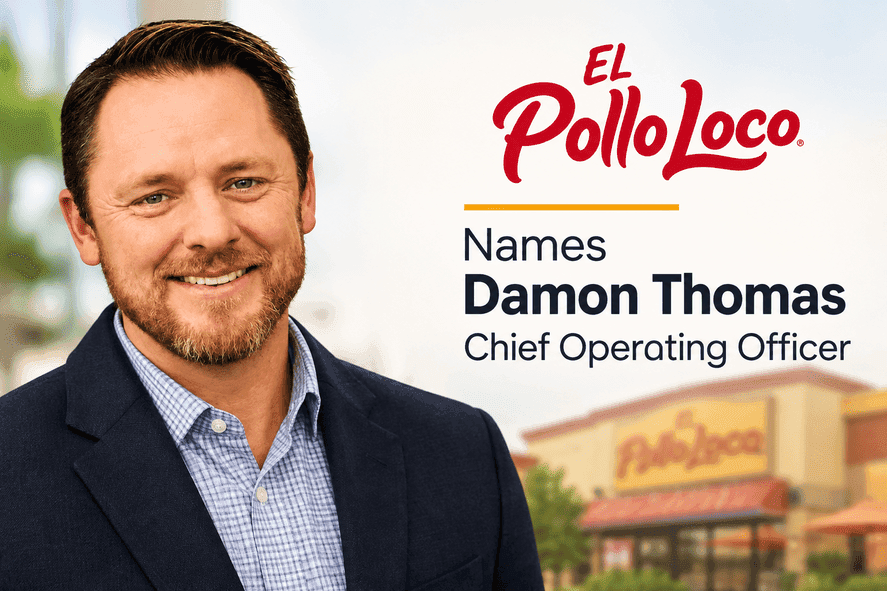
El Pollo Loco appoints Damon Thomas as chief operating officer, bringing restaurant operations experience to the company’s senior leadership team.
Sep 29, 2026

Rock N Roll Sushi taps franchise veteran Rick Gestring as CEO, succeeding Craig LeMieux in a transition built on continuity, not disruption.
Sep 28, 2026
TIG Reaper LLC, a multi-unit Dave's Hot Chicken franchisee, filed Chapter 11 amid a bitter dispute with lender Bank Midwest over alleged defaults.
Sep 28, 2026
McDonald's ArchIQ platform blends voice AI, automation, and predictive data to reshape drive-thrus and kitchens. Here's how it works and what's next.
Sep 28, 2026
Use this compliance checklist to review restaurant requirements, identify gaps, organize responsibilities, and maintain consistent compliance across daily operations.
Sep 28, 2026

Unlock Exclusive Access To Webinars, Events, And The Latest News For Free!
Opening a second restaurant location requires readiness, clear goals, financial planning, funding, smart strategy, standardized operations, strong teams, and careful launch monitoring for sustainable growth.
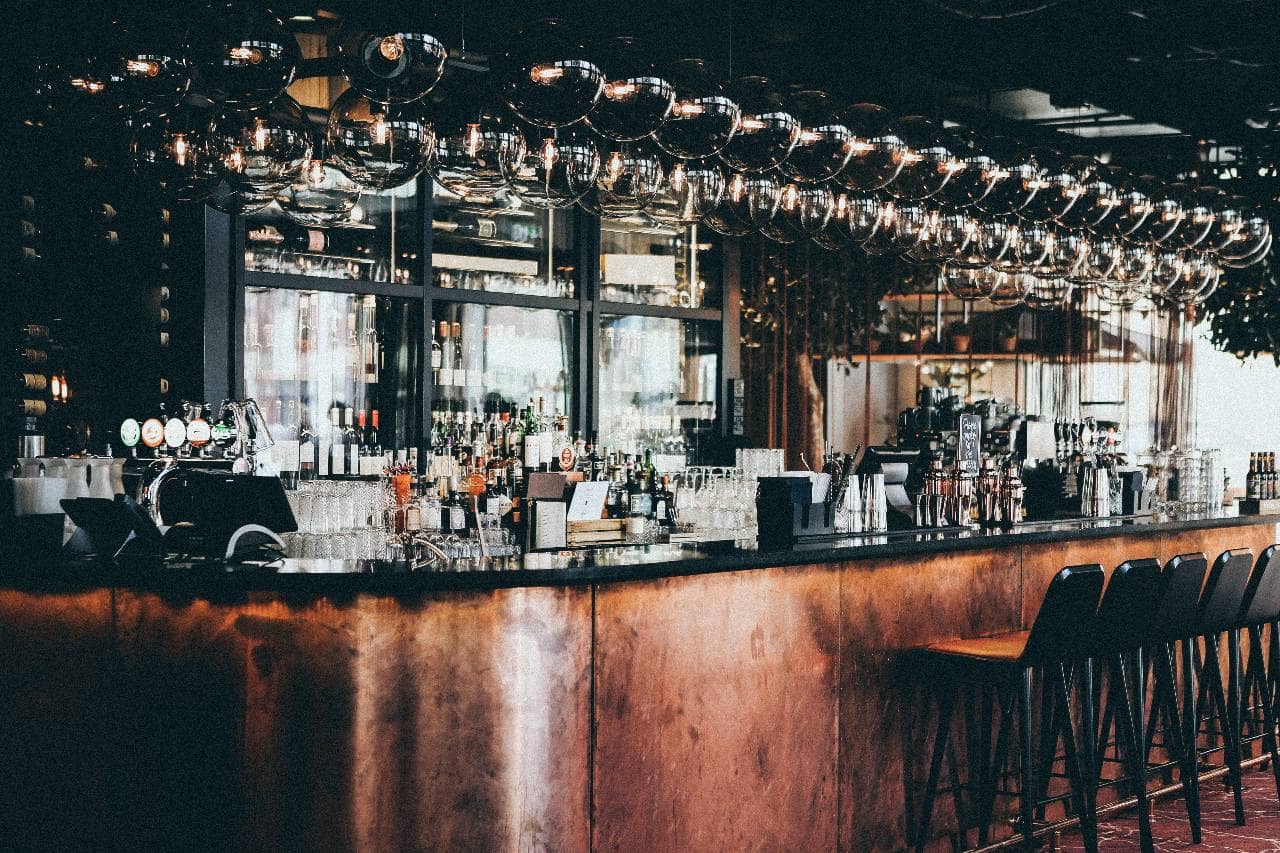
Opening a bar involves far more than choosing a great location and stocking the shelves. It requires careful planning across eight connected stages, each building on the last. The process begins with defining your concept and writing a business plan that identifies your target customer and sets realistic financial projections. From there, you'll build a detailed budget, estimate startup costs, set aside operating reserves, and secure funding from sources such as savings, loans, or investors. Next comes choosing a location and negotiating a lease, with close attention to zoning rules, noise ordinances, and lease terms. Legal groundwork follows - selecting a business structure, obtaining your liquor license and additional permits, and securing the right insurance coverage. With the paperwork underway, you'll design your space, plan the layout, and purchase equipment while meeting safety and accessibility requirements. Then you'll develop your drink menu, price for healthy margins, choose suppliers, manage inventory, and hire and train a team committed to responsible alcohol service. Finally, you'll build your brand, create pre-opening buzz, complete a final verification checklist, and run a soft opening before launching.
Every successful bar starts with a clear idea of what it is and who it's for. Your concept shapes nearly every decision that follows, from location and decor to menu, pricing, and staffing. Before you look at properties or talk to lenders, invest time in defining exactly what you're building and putting it on paper. Define Your Bar Type The first step is choosing the kind of bar you want to open. Each type comes with its own atmosphere, customer base, cost structure, and operational demands. 1. Cocktail lounge - Focused on craft drinks, skilled bartenders, and a refined atmosphere. Higher drink prices and ingredient costs, but strong margins when executed well. 2. Sports bar - Built around televised games, group gatherings, and a casual menu. Requires a solid audio-visual setup and often a food program. 3. Dive bar - Unpretentious, affordable, and community-oriented. Lower build-out costs and a loyal local following, but volume is key. 4. Brewpub or taproom - Centered on beer, whether brewed on-site or curated from local producers. May require additional licensing and specialized equipment. 5. Wine bar - Appeals to a more relaxed, conversational crowd and pairs naturally with small plates. 6. Neighborhood pub - A blend of drinks, food, and community, with steady traffic throughout the week. Choose a concept that reflects both market demand and your own strengths. A concept you understand and feel passionate about is easier to execute and easier to communicate to customers, staff, and investors. Identify Your Target Customer and Competitive Landscape Once you have a concept, define who you're serving. Consider age range, income level, lifestyle, and the reasons they go out - after-work drinks, weekend socializing, live music, or special occasions. The clearer your picture of your ideal guest, the easier it becomes to make consistent choices about atmosphere, pricing, and promotion. Next, study the competition. Visit other bars in the area at different times of day and on different days of the week. Note their pricing, crowd size, menu offerings, service style, and any events they host. Look for gaps in the market, such as a neighborhood with no quality cocktail bar, or a busy area lacking a place that serves late-night food. Your goal is not to copy what exists but to find a position that feels distinct and in demand. Write Your Business Plan A business plan turns your concept into a practical roadmap. It also serves as the main document lenders and investors will review, so it should be thorough and realistic. At a minimum, include the following - 1. Executive summary - A concise overview of your concept, goals, and what makes the bar unique. 2. Mission and concept description - The experience you want to create and the values behind it. 3. Market analysis - Findings on your target customer, local demographics, and competitors. 4. Menu strategy - An outline of your drink and food offerings, pricing approach, and sourcing plans. 5. Marketing approach - How you'll attract guests before and after opening, including branding, social media, and promotions. 6. Operations plan - Hours of operation, staffing structure, supplier relationships, and day-to-day management. 7. Financial projections - Estimated startup costs, projected monthly revenue and expenses, break-even point, and a cash flow forecast for at least the first year. Be conservative with revenue estimates and generous with expense estimates. Bars often take time to build a steady customer base, and a plan that accounts for a slower start will hold up better than one that assumes immediate success.
Opening a bar requires significant capital, and most of it is needed before you earn your first dollar. Understanding where the money goes, how much you'll need, and where it can come from is one of the most important steps in the process. A realistic budget protects you from running out of cash at the worst possible moment. Estimate Your Startup Costs Startup costs vary widely depending on your location, the size of the space, and the type of bar you're opening. A small neighborhood bar in a leased space will cost far less than a large venue requiring a full renovation. Break your estimate into clear categories so nothing gets overlooked - 1. Build-out and renovation - Construction, plumbing, electrical work, flooring, bar top, restrooms, and decor. This is often the largest single expense, especially if the space was not previously a bar or restaurant. 2. Equipment and furnishings - Refrigeration, ice machines, glassware, POS system, sound and lighting, tables, chairs, and stools. 3. Opening inventory - Liquor, beer, wine, mixers, garnishes, food items if applicable, and supplies such as napkins, straws, and cleaning products. 4. Licensing and permits - Liquor license fees, business registration, health permits, and any legal or consulting costs tied to the application process. Liquor license costs can range from a few hundred dollars to six figures depending on the jurisdiction. 5. Lease costs - First and last month's rent, security deposit, and rent paid during the build-out period before you can open. 6. Insurance - Upfront premiums for liquor liability, general liability, property, and workers' compensation coverage. 7. Pre-opening labor - Wages for managers and staff during hiring, training, and soft-opening periods. 8. Marketing and branding - Logo design, signage, website, photography, and launch promotions. 9. Professional fees - Attorney, accountant, architect, and contractor fees. Gather multiple quotes for major items and research local costs rather than relying on national averages. Once you have your total, add a contingency of 10 to 20 percent. Build-outs in particular tend to run over budget, and unexpected repairs or permit delays are common. Startup costs get you to opening day, but they don't keep you open. Most bars need time to build a steady customer base, and early revenue often falls short of projections. To stay afloat during that period, set aside operating reserves that cover at least six months of expenses, including - - Rent and utilities - Payroll and payroll taxes - Inventory restocking - Insurance premiums - Loan payments - Marketing and maintenance costs Having this cushion gives you room to adjust your menu, hours, or promotions without the pressure of immediate profitability. Explore Your Funding Options Most bar owners combine several sources of funding rather than relying on just one. Common options include - 1. Personal savings - Lenders and investors expect owners to have their own money at stake, often a meaningful percentage of total startup costs. 2. Bank loans - Traditional term loans require a strong business plan, good credit, and often collateral. 3. SBA loans - Government-backed small business loans, such as the SBA 7(a) program in the United States, typically offer longer repayment terms and lower down payments than conventional loans. The approval process can be lengthy, so apply early. 4. Private investors - Partners or backers who provide capital in exchange for equity or a share of profits. Put all terms in writing and have an attorney review the agreement. 5. Equipment financing - Loans or leases that let you spread the cost of major equipment over time instead of paying for it all upfront. 6. Friends and family - A common source of early capital. Treat it as a formal arrangement with clear terms to protect both the relationship and the business. 7. Crowdfunding - An option for owners with a strong brand story and an engaged community, though it rarely covers the full cost on its own. Whichever route you choose, lenders will want to see your business plan, personal financial statements, credit history, and detailed cost projections. Having these documents organized in advance speeds up the process and shows you're a serious, prepared applicant.

Location can make or break a bar. Even a great concept struggles in the wrong setting, while a well-chosen space can bring in steady traffic with less marketing effort. Because you'll likely be committing to a multi-year lease, this decision deserves careful research, and it should be made with your legal and regulatory requirements in mind, not after them. Evaluate Potential Locations Start by matching the location to your concept and target customer. A cocktail lounge may thrive in a walkable downtown district, while a neighborhood pub may do better in a residential area with loyal local traffic. When comparing sites, consider the following - 1. Foot traffic and visibility - Is the space easy to spot and easy to reach? Street-level frontage, clear signage opportunities, and high pedestrian volume all help attract walk-ins. 2. Neighborhood demographics - Does the surrounding population match your target customer in age, income, and lifestyle? 3. Parking and transportation - Consider nearby parking, public transit, and rideshare access. Guests who are drinking need safe ways to get home, and convenient options make your bar more appealing. 4. Nearby businesses - Restaurants, theaters, offices, and event venues can drive traffic before and after their peak hours. Also note nearby bars, both as competition and as a sign of an established nightlife area. 5. Safety and surroundings - Well-lit streets and a secure environment affect both guest comfort and staff safety. 6. Hours of activity - Visit the area during the times you plan to be open, including weeknights and weekends, to see how busy it really is. 7. Condition of the space - A former bar or restaurant may already have plumbing, ventilation, and a layout suited to your needs, which can significantly reduce build-out costs. Check Zoning, Restrictions, and Ordinances Before falling in love with a space, confirm that you can legally operate a bar there. Local rules vary widely, and a location that looks perfect can be ruled out by regulations you didn't know existed. Contact your local planning or zoning office and ask about - 1. Zoning classification - Whether the property is zoned for on-premises alcohol sales and entertainment. 2. Proximity restrictions - Many jurisdictions prohibit liquor licenses within a set distance of schools, churches, hospitals, or other sensitive locations. 3. Noise ordinances - Limits on sound levels and closing times, especially important if you plan to offer live music or late-night hours. 4. Occupancy limits - The maximum number of guests allowed, which directly affects your revenue potential. 5. Parking requirements - Some areas require a minimum number of parking spaces based on capacity. 6. Outdoor seating rules - Permit requirements and restrictions if you want a patio or sidewalk seating. Ask the current landlord or property manager for the certificate of occupancy and any records of past violations. Making your lease contingent on obtaining your liquor license and required permits is a wise safeguard, which leads into the lease itself.
Before you can serve a single drink, your bar must be registered, licensed, and insured. This stage is often the most time-consuming part of the startup process, and delays can push back your opening date by months. Start early, keep organized records, and consider working with an attorney who specializes in alcohol licensing. Choose a Business Structure and Register Your Business Your structure determines your personal liability, tax obligations, and how you can bring in investors. 1. Sole proprietorship - Simple to set up, but you are personally liable. Rarely recommended for a bar. 2. Limited liability company (LLC) - Separates personal and business assets, with flexible taxation and less paperwork than a corporation. 3. Corporation (S corp or C corp) - Offers liability protection and appeals to investors, but involves more formalities. 4. Partnership - Suits co-owners, but needs a written agreement covering ownership, duties, and exits. Consult an attorney and an accountant, since some jurisdictions restrict who can hold a liquor license. Then complete these steps - - Register your business name and entity - Obtain an Employer Identification Number (EIN) if you're in the United States - Set up state and local tax accounts - Open a dedicated business bank account Obtain Your Liquor License The liquor license is your most important permit, and the process varies widely by location. Some areas issue licenses for a modest fee, while others cap the number available, which may force you to buy an existing license at a high price. Make sure the license category, such as beer and wine only or full liquor, matches exactly what you plan to serve. Applications typically involve - - Forms and fees - Background checks and fingerprinting - Proof of business registration and lease - Floor plans of the premises - Financial disclosures - Public notice, such as a posted sign - Possible public hearings Timelines range from a few weeks to a year or more, so contact your alcohol beverage control agency early. Never sell alcohol before your license is approved and in hand. Secure Additional Permits and Approvals Requirements depend on your location and concept, but commonly include - 1. Business license - A general operating license from your city or county. 2. Health department approval - A food service permit and inspection if you serve food or prepare garnishes. 3. Certificate of occupancy - Confirms the building meets safety codes for your use and capacity. 4. Fire and building inspections - Verify code compliance before opening. 5. Music licensing - Usually through ASCAP, BMI, and SESAC in the United States. 6. Other permits - Signage, outdoor seating, sales tax, and gaming permits where applicable. Create a master list of each permit's issuing agency, cost, processing time, and renewal date. Sequencing matters, since you may need a certificate of occupancy before your liquor license is finalized. Get the Right Insurance Coverage Bars face higher risks than most businesses, so work with a broker experienced in hospitality. Key coverage includes - 1. Liquor liability - Covers claims involving intoxicated patrons. 2. General liability - Protects against customer injuries and property damage. 3. Property insurance - Covers equipment, inventory, and contents. 4. Workers' compensation - Required in most places once you have employees. 5. Business interruption - Replaces lost income during a covered closure. Landlords and licensing agencies often require proof of insurance, so get quotes early.
Your bar's layout and equipment determine how smoothly service runs, how many guests you can serve, and how the space feels to customers. Good design balances atmosphere with efficiency, so plan carefully before construction begins and involve professionals where needed. Plan Your Layout Start with a floor plan that shows how guests and staff will move through the space. A strong layout reduces bottlenecks, speeds up service, and keeps the room comfortable even when it's full. 1. Bar area - Your main revenue driver. Plan the bar top length, stool count, and enough working space for bartenders to reach bottles, ice, and refrigeration without crossing paths. 2. Seating and standing areas - Balance stools, tables, booths, and open space to suit your concept. 3. Entrance and flow - Avoid choke points near the door, restrooms, and the bar. 4. Restrooms and storage - Meet code requirements for fixtures, and allow room for dry storage, cold storage, kegs, and supplies. 5. Office and staff areas - Even a small back-of-house space helps operations run smoothly. 6. Entertainment and outdoor zones - Give live music, games, or patios their own space and permits so they don't disrupt service. Consider hiring an architect or designer with hospitality experience to optimize the plan and avoid costly construction mistakes. Create the Right Atmosphere Atmosphere is what makes guests choose your bar over another, so every element should reinforce your concept. 1. Lighting - Use dimmable lighting for mood, with bright task lighting behind the bar. 2. Acoustics - Sound-absorbing materials help guests converse comfortably. 3. Furniture and finishes - Choose durable, easy-to-clean materials that match your style. 4. Sound system - Aim for clear, balanced audio that complies with local noise rules. 5. Branding - Keep signage, artwork, menus, and uniforms cohesive. Purchase Essential Equipment Equipment is a major part of your budget, so prioritize quality where it affects service speed and consistency. 1. Bar station - Back bar, speed rails, bottle displays, and prep areas. 2. Refrigeration and draft system - Under-bar and walk-in coolers, plus taps, regulators, and gas tanks for draft beer. 3. Ice machines - Properly sized production is essential, since running out during a rush hurts service. 4. Sinks and dishwashing - Three-compartment sinks, hand sinks, and glass washers as health codes require. 5. Glassware and barware - Glasses, shakers, strainers, jiggers, and bar tools. 6. POS system - Should handle tabs, track inventory, and integrate with payments. 7. Security - Cameras and a safe to protect cash and inventory. 8. Kitchen, furniture, and AV - Cooking equipment and hoods if serving food, plus seating and sound or video gear. Decide what to buy new, used, or leased. Used tables and some refrigeration can save money, but inspect condition and warranties. For ice machines and refrigeration, reliability and maintenance support are worth paying for. Ensure Safety, Accessibility, and Code Compliance Build compliance into your design from the start, since failed inspections can delay opening and force costly rework. 1. Fire safety - Extinguishers, alarms, sprinklers, emergency lighting, and unobstructed exits. 2. Occupancy limits - Design within approved capacity and post it where required. 3. Accessibility - Meet requirements such as the Americans with Disabilities Act in the United States for entrances, restrooms, and pathways. 4. Ventilation and sanitation - Meet health department standards for air quality, plumbing, handwashing, waste, and pest control. 5. Electrical, gas, and staff safety - Use licensed professionals, non-slip flooring, and safe keg storage. Work with licensed contractors experienced in bars or restaurants, and schedule inspections at each required stage of construction so problems are caught early.
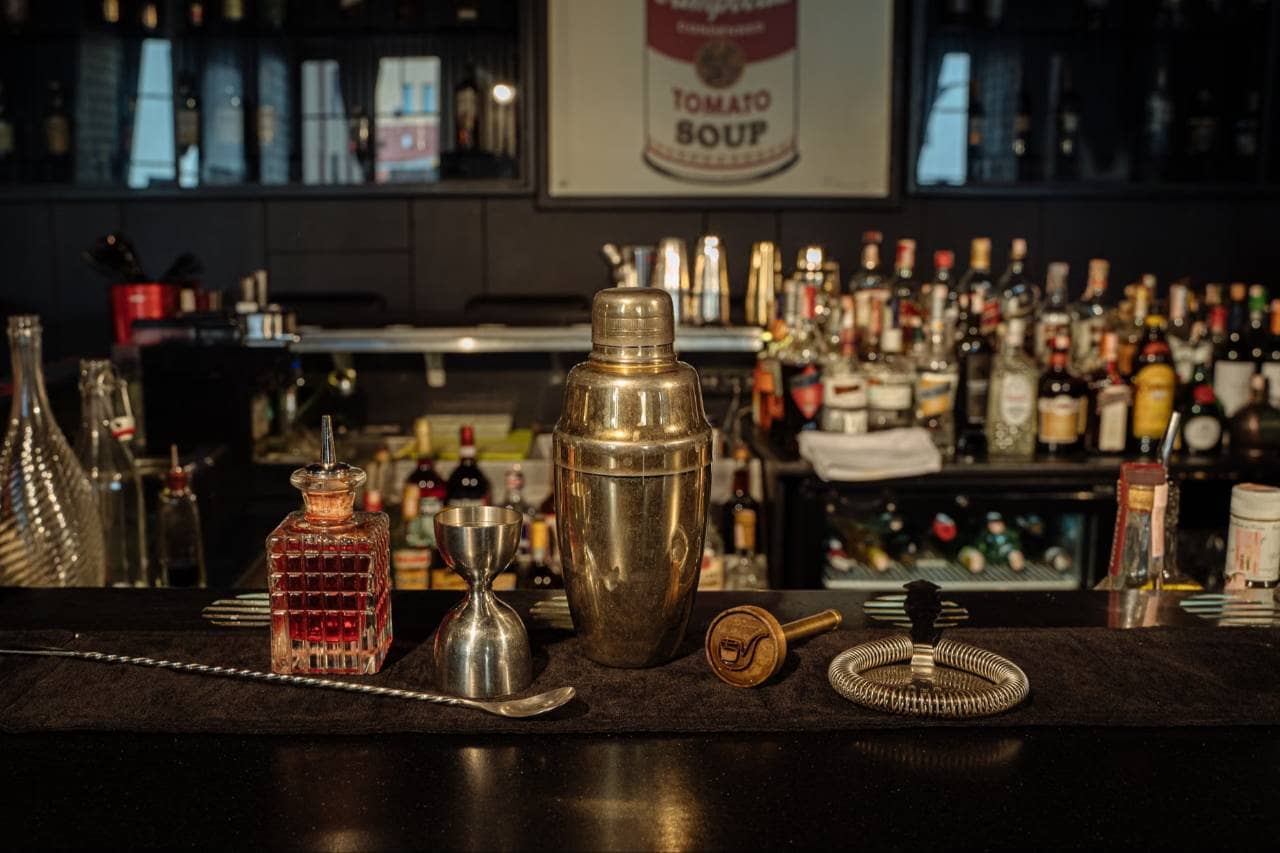
A great space means little without the right drinks, reliable supply, and people who deliver a consistent guest experience. The decisions you make here tie together your concept, costs, and daily operations, and they directly affect profitability. Create Your Drink Menu Your menu should reflect your concept, appeal to your target customer, and be easy for your team to execute quickly. A focused menu simplifies training, reduces waste, and speeds up service. 1. Core categories - Balance cocktails, beer, wine, spirits, and quality zero-proof or low-alcohol options. 2. Signature drinks - A few distinctive house specialties help define your identity. 3. Classics and staples - Cover the familiar basics guests expect. 4. Food offerings - Meals, small plates, or snacks can raise average spend but add equipment, permit, and labor costs. 5. Seasonal items - Periodic updates keep the menu fresh and encourage repeat visits. 6. Menu design - Keep it clear and on-brand, with accurate prices, ingredients, and allergen information. Price for Healthy Margins Your prices must cover ingredients, labor, rent, and overhead while staying fair and competitive. 1. Calculate pour cost - Divide ingredient cost by selling price. Many bars target 18 to 25 percent for liquor, with beer and wine often higher. 2. Cost every recipe - Standardize measurements and include garnishes and mixers. 3. Review competitor pricing - Use it as a reference, but price according to your own costs and value. 4. Use menu engineering - Feature high-margin, popular drinks, and rework costly items that sell poorly. 5. Plan promotions carefully - Happy hour prices should still cover costs. Revisit pricing regularly as supplier costs change. Select Suppliers and Distributors Alcohol distribution rules vary by location, and many areas require you to buy from licensed distributors, so learn the regulations that apply to you. 1. Alcohol distributors - Compare pricing, delivery schedules, minimum orders, and payment terms across several reps. 2. Local producers - Where permitted, regional breweries, distilleries, and wineries add character. 3. Food, supplies, and service vendors - Line up sources for ingredients, glassware, consumables, and maintenance for refrigeration, draft systems, and pest control. Build strong supplier relationships, since reps can offer recommendations, tastings, and flexibility during busy periods. Keep backups for critical items. Manage Inventory and Pour Costs Inventory is one of your largest expenses and an easy place to lose money through waste, over-pouring, spoilage, and theft. 1. Set par levels - Define minimum and maximum stock for each item. 2. Count regularly - Compare actual usage to what sales should have used. 3. Use POS data - Track variances between sold and poured items. 4. Standardize pouring - Use jiggers or measured spouts. 5. Rotate stock and secure storage - Follow first-in, first-out and limit storeroom access. 6. Track waste and comps - Record spills, breakage, and complimentary drinks. Hire and Train Your Team Even the best concept struggles if service is slow or unwelcoming. Begin recruiting several weeks before opening. 1. Manager - Oversees operations, scheduling, inventory, and performance. 2. Bartenders and barbacks - Prepare drinks and keep the bar stocked and clean. 3. Servers, hosts, and security - Handle guest service, ID checks, and capacity. 4. Kitchen and cleaning staff - Needed if you serve food and to keep the space sanitary. Hire for attitude, reliability, and communication as well as skill, and follow labor laws on wages, tips, hours, and minimum serving age. Prioritize Responsible Alcohol Service Responsible service protects your guests, staff, and license. Some insurers offer discounts for certified staff. 1. Certification - Programs such as TIPS or ServSafe Alcohol teach intoxication recognition and ID checks. 2. Over-service policies - Set clear cut-off rules and help guests arrange safe rides. 3. Incident logs and handbook - Document refusals and accidents, and provide written service and emergency guidelines. Hold pre-opening training, including practice shifts, and continue training after launch.
Your brand is the personality guests associate with your bar, and it should be consistent everywhere they encounter it. From your name and logo to your menu design and staff uniforms, every element should reflect your concept and appeal to your target customer. 1. Name and logo - Choose a memorable name that suits your concept, check that it isn't already in use locally, and consider trademark protection. 2. Visual identity - Define colors, fonts, and imagery that carry through signage, menus, social media, and merchandise. 3. Brand story - Be ready to explain what makes your bar different in a sentence or two. This message should guide your marketing, your website copy, and how staff describe the bar to guests. 4. Signage - Exterior signage is one of your most valuable marketing tools. Make sure it is visible, well lit, and compliant with local sign regulations. Establish Your Online Presence Most guests will look you up online before visiting, so a polished and accurate digital presence is essential. 1. Website - Include your address, hours, menu, photos, contact details, and information about private events or reservations. Make sure it works well on mobile devices. 2. Google Business Profile and map listings - Claim and complete your listings on Google, Apple Maps, and similar platforms. Keep hours and details current, and respond to reviews. 3. Review platforms - Set up profiles on sites such as Yelp and TripAdvisor, and encourage satisfied guests to leave feedback. 4. Social media - Choose the platforms where your target customers spend time, such as Instagram, Facebook, or TikTok. Share high-quality photos and video of your drinks, space, and team, along with updates and events. 5. Email and text list - Start collecting sign-ups before opening so you can announce specials, events, and news directly to interested guests. 6. Online ordering and reservations - If relevant to your concept, set up booking or ordering tools so guests can reserve tables or events easily. Create Pre-Opening Buzz Building anticipation before your doors open gives you a stronger start and helps fill the room from the first night. 1. Teaser campaigns - Share behind-the-scenes content as construction progresses, such as design reveals, menu previews, and staff introductions. 2. Local partnerships - Connect with nearby businesses, hotels, event venues, and community groups. Cross-promotions and referral arrangements can bring in steady traffic. 3. Local media and influencers - Invite neighborhood bloggers, food and drink writers, and local content creators to preview your bar and share their experience. 4. Community involvement - Sponsor local events, support neighborhood causes, or host a small gathering to introduce yourself to nearby residents and businesses. 5. Launch events - Plan a grand opening event or a series of opening-week specials with entertainment, drink samplings, or giveaways. 6. Loyalty and repeat-visit incentives - Consider a loyalty program, punch cards, or return-visit offers to encourage guests to come back. 7. Regular events - Weekly features such as trivia nights, live music, or themed evenings give guests a reason to visit on quieter nights and build habits. Opening a bar is a significant undertaking, but it becomes far more manageable when broken into clear stages. Each step in this checklist builds on the last - a well-defined concept guides your budget, your budget shapes your location and build-out, your licenses make it all legal, and your menu, team, and marketing bring the space to life.
