
El Pollo Loco Names Damon Thomas Chief Operating Officer
El Pollo Loco appoints Damon Thomas as chief operating officer, bringing restaurant operations experience to the company’s senior leadership team.
News
Sep 29, 2026
El Pollo Loco appoints Damon Thomas as chief operating officer, bringing restaurant operations experience to the company’s senior leadership team.
Sep 29, 2026

Rock N Roll Sushi taps franchise veteran Rick Gestring as CEO, succeeding Craig LeMieux in a transition built on continuity, not disruption.
Sep 28, 2026
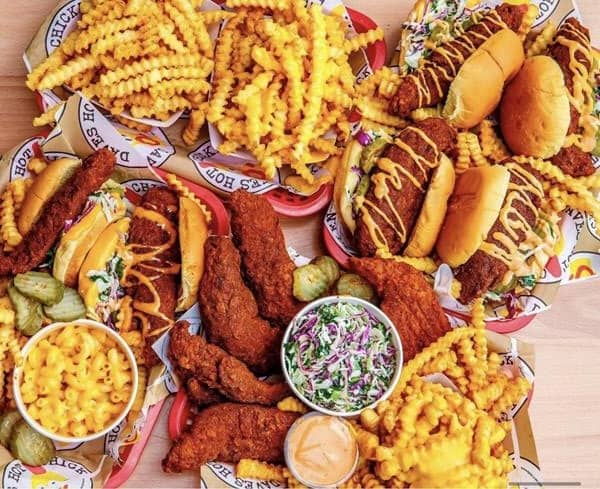
TIG Reaper LLC, a multi-unit Dave's Hot Chicken franchisee, filed Chapter 11 amid a bitter dispute with lender Bank Midwest over alleged defaults.
Sep 28, 2026
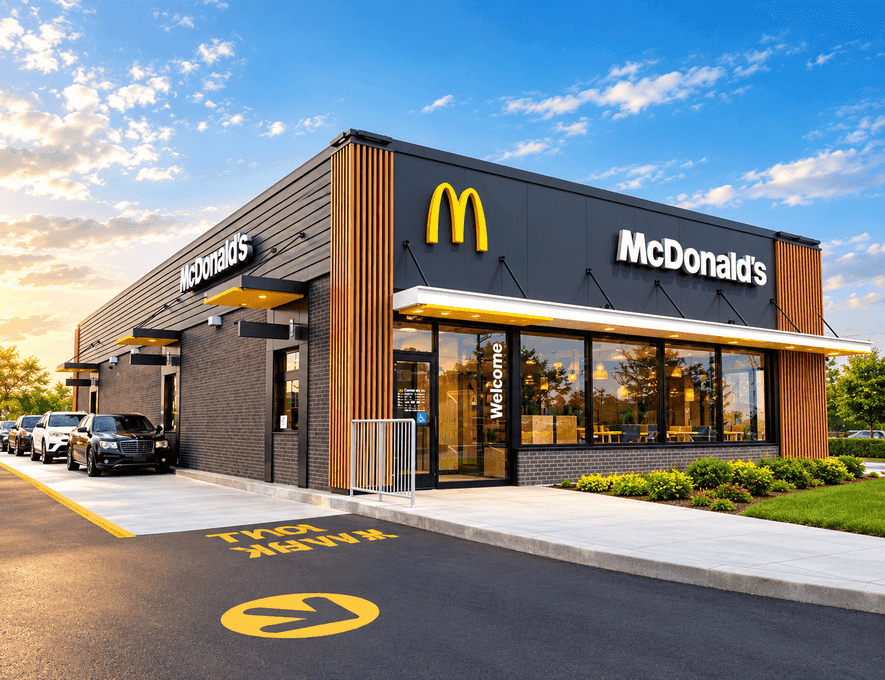
McDonald's ArchIQ platform blends voice AI, automation, and predictive data to reshape drive-thrus and kitchens. Here's how it works and what's next.
Sep 28, 2026

Build an effective training program by setting clear goals, identifying role-specific needs, providing hands-on practice, evaluating performance, and continuously improving training.
Sep 28, 2026
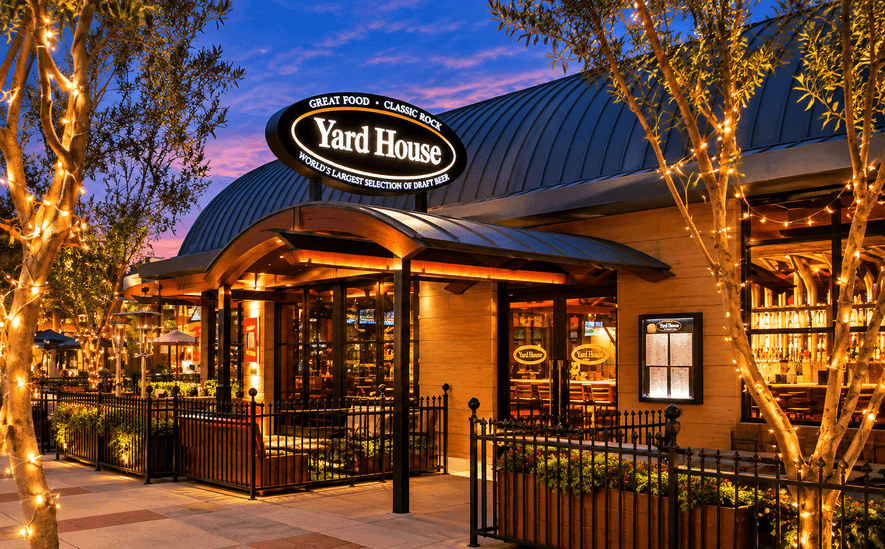
The full-service concept, which posted 10% growth in same-store sales during fiscal Q1 2027, plans to open 13 new stores during the ongoing fiscal year.
Sep 28, 2026

Use this compliance checklist to review restaurant requirements, identify gaps, organize responsibilities, and maintain consistent compliance across daily operations.
Sep 28, 2026

Understand employee scheduling principles for restaurants, including workforce planning, shift assignments, availability management, compliance considerations, and scheduling technology.
Sep 25, 2026

Learn how average inventory is calculated and use inventory data to identify purchasing trends, manage stock levels, and reduce waste.
Sep 25, 2026
Starbucks is closing 250 North America stores even as sales climb, revealing a strategic push to trim weak locations and fund renovations.
Sep 25, 2026

Unlock Exclusive Access To Webinars, Events, And The Latest News For Free!
Use this compliance checklist to review restaurant requirements, identify gaps, organize responsibilities, and maintain consistent compliance across daily operations.
Restaurant compliance covers the laws, regulations, permits, and operational requirements that apply to running a restaurant. These requirements can vary by state, city, county, business type, and restaurant operations, so owners should identify the rules that apply to each location rather than relying on a single standard checklist. A practical compliance program should begin with these major areas - 1. Labor compliance - Review wage and hour requirements, overtime, employee classifications, meal and rest requirements, timekeeping, scheduling, and required employee notices. 2. Food safety - Maintain proper food handling, storage, preparation, sanitation, temperature control, and employee food-safety practices. 3. Workplace safety - Address hazards, emergency procedures, fire safety, workplace injuries, hazard communication, and other applicable safety requirements. 4. Licenses and permits - Track business licenses, health permits, food-service permits, alcohol licenses, occupancy requirements, and other local approvals. 5. Payroll and recordkeeping - Maintain accurate payroll, timekeeping, employee, tax, and other required business records. 6. Employee training - Provide required or operationally necessary training and document completion when records are required. 7. Required postings and notices - Keep legally required workplace posters and employee notices current and accessible. 8. Operational documentation - Maintain inspection records, cleaning logs, temperature logs, incident reports, corrective actions, and other applicable documentation. Restaurant owners should also assign responsibility for each compliance area. A checklist is more effective when every task has an owner, a review frequency, and a documented completion process.
Restaurants typically need multiple licenses and permits to operate legally. The exact requirements depend on the restaurant's location, services, building, and business activities. Restaurant owners should identify every applicable requirement and maintain a system for monitoring expiration dates and renewals. A restaurant compliance review should include business licenses, health permits, food-service permits, employee food-handler certifications, alcohol licenses, occupancy requirements, and any permits related to special operations. Restaurants offering outdoor dining, live entertainment, sidewalk seating, or other services may have additional local requirements. Permits should not simply be collected and filed away. Owners should track expiration dates, renewal deadlines, required inspections, and responsible employees. Missing a renewal deadline can disrupt operations and create unnecessary compliance problems. Restaurant License and Permit Checklist 1. Identify required licenses - Determine which federal, state, county, and local licenses apply to the restaurant. 2. Verify current permits - Confirm that all required licenses and permits are active and have not expired. 3. Track renewal dates - Record expiration dates and set reminders before renewal deadlines. 4. Review inspection requirements - Confirm that required health, safety, building, or other inspections are completed on schedule. 5. Check required displays - Make sure licenses and permits are displayed where required. 6. Verify employee certifications - Check that employees have any required food-safety or other applicable certifications. 7. Review alcohol licensing - If alcohol is served, confirm that the appropriate license is current and applicable requirements are being followed. 8. Check special permits - Review requirements for outdoor dining, signage, entertainment, or other special restaurant activities. 9. Assign responsibility - Designate a manager or employee to monitor licenses, permits, and renewal deadlines. 10, Maintain documentation - Keep current copies of licenses, permits, inspection records, and supporting documents. 11. Review changes - Recheck licensing requirements when the restaurant changes ownership, location, services, or operations.
Employee and labor requirements are a major part of restaurant compliance. Restaurant owners need processes that help ensure employees are paid correctly, work hours are recorded accurately, and applicable workplace requirements are consistently followed. Requirements can vary based on federal, state, and local laws, so owners should review the rules that apply to each restaurant location. Key areas include minimum wage, overtime, employee classification, meal and rest requirements, timekeeping, scheduling, payroll practices, and required employee notices. Accurate timekeeping is particularly important because payroll calculations often depend on recorded employee hours. Managers should have a consistent process for reviewing time records, correcting legitimate errors, and approving hours before payroll is processed. Any changes to time records should also be properly documented. Employee records should be maintained according to applicable retention requirements. Restaurant owners should also regularly review workplace policies and procedures to make sure they reflect current requirements. Employee and Labor Compliance Checklist 1. Review wage requirements - Confirm that employees are paid according to applicable federal, state, and local wage requirements. 2. Check overtime practices - Verify that overtime is calculated and paid correctly when applicable. 3. Review employee classifications - Confirm that employees are classified correctly under applicable rules. 4. Track employee hours - Use accurate timekeeping processes to record when employees begin and end work. 5. Review meal and rest requirements - Confirm that applicable break requirements are being followed and documented. 6. Monitor timecard changes - Establish a consistent process for reviewing and documenting timekeeping corrections. 7. Review payroll records - Compare time records with payroll information to identify discrepancies. 8. Maintain employee records - Keep required personnel, payroll, and timekeeping records organized and accessible. 9. Update required notices - Make sure employees have access to applicable workplace postings and notices. 10. Train managers - Ensure managers understand their responsibilities for timekeeping, scheduling, payroll, and other labor requirements.
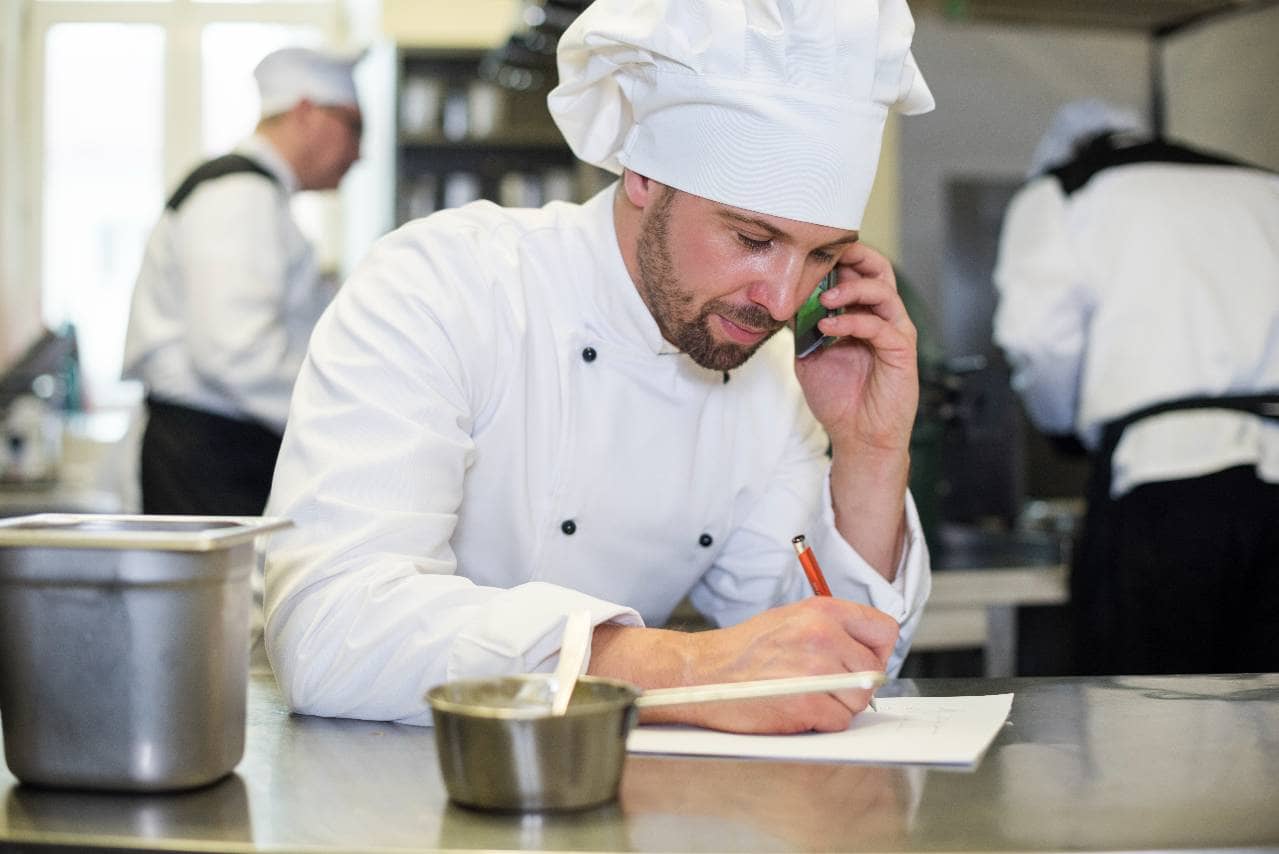
Food safety compliance is essential for protecting customers and maintaining a restaurant's operating standards. Restaurant owners should establish consistent procedures for food receiving, storage, preparation, cooking, holding, serving, and cleaning. Food safety requirements can vary by jurisdiction, so restaurants should follow the requirements established by the applicable health department and food safety authorities. Employees should also understand the procedures they are responsible for following during daily operations. Regular monitoring is important because food safety issues can develop quickly. Temperature checks, cleaning procedures, proper food storage, and employee hygiene should be part of routine restaurant operations rather than tasks completed only before an inspection. Documentation also helps restaurant owners verify that required procedures are being followed. Records such as temperature logs, cleaning schedules, inspection reports, and corrective actions can provide a consistent way to monitor food safety practices. Food Safety and Health Compliance Checklist 1. Check food temperatures - Monitor and document temperatures for food storage, cooking, cooling, and holding where required. 2. Review food storage - Make sure food is stored properly and protected from contamination. 3. Monitor food handling - Verify that employees follow proper procedures for preparing and handling food. 4. Maintain personal hygiene - Ensure employees follow applicable handwashing, glove use, and personal hygiene requirements. 5. Follow cleaning procedures - Maintain consistent schedules for cleaning and sanitizing food-contact surfaces and equipment. 6. Prevent cross-contamination - Separate raw and ready-to-eat foods and use appropriate preparation procedures. 7. Inspect equipment - Check refrigeration, cooking, storage, and sanitation equipment regularly. 8. Maintain pest-control procedures - Monitor for signs of pests and address problems according to applicable requirements. 9. Keep required records - Maintain temperature logs, cleaning records, inspection reports, and other applicable documentation. 10. Address problems promptly - Document food safety issues and corrective actions when problems are identified. 11. Prepare for inspections - Review food safety procedures regularly to help maintain compliance between health inspections.
Restaurants contain many potential workplace hazards, including hot surfaces, sharp equipment, slippery floors, chemicals, heavy lifting, and electrical equipment. Restaurant owners should establish safety procedures that address the hazards employees may encounter during their work. Workplace safety requirements can vary based on the restaurant's location and operations. Owners should identify the applicable requirements and make sure managers and employees understand the procedures relevant to their roles. Safety practices should also be reviewed regularly. New equipment, changes to the restaurant layout, updated procedures, or new job responsibilities can create additional risks that may require changes to existing safety procedures. Training and documentation are important parts of an ongoing safety program. Restaurant owners should maintain records of applicable training, workplace incidents, inspections, and corrective actions. Workplace Health and Safety Checklist 1. Identify workplace hazards - Review the kitchen, dining area, storage areas, and other workspaces for potential hazards. 2. Maintain clear walkways - Keep floors, aisles, exits, and work areas clear of unnecessary obstructions. 3. Check emergency exits - Make sure emergency exits remain accessible and are properly marked where required. 4. Maintain safety equipment - Inspect applicable fire extinguishers, first-aid supplies, protective equipment, and other safety equipment. 5. Review chemical procedures - Store and handle cleaning chemicals according to applicable requirements and established procedures. 6. Train employees - Provide employees with safety training relevant to their responsibilities and work environment. 7. Document incidents - Maintain records of applicable workplace injuries, incidents, and corrective actions. 8. Review equipment safety - Check that employees are trained to use kitchen equipment and other workplace machinery properly. 9. Maintain emergency procedures - Establish procedures for responding to fires, injuries, severe weather, and other applicable emergencies. 10. Conduct regular inspections - Review workplace safety conditions regularly and address identified hazards.
Accurate timekeeping and recordkeeping are important parts of restaurant compliance because employee hours, payroll, scheduling, and other employment records can be connected to legal and operational requirements. Restaurant owners should establish consistent processes for capturing, reviewing, approving, and maintaining these records. Time records should accurately reflect when employees work. Managers should have a defined process for reviewing timecards, identifying missing punches or discrepancies, and documenting legitimate corrections before payroll is finalized. Payroll records should also be reviewed against timekeeping data to identify potential inconsistencies. Recordkeeping should extend beyond timecards and payroll. Depending on applicable requirements, restaurants may need to maintain employee information, schedules, training records, workplace incident documentation, inspection records, licenses, permits, and other compliance-related documents. A centralized and organized recordkeeping process makes it easier to locate information when it is needed and helps managers maintain consistent procedures across locations. Timekeeping, Payroll, and Recordkeeping Checklist 1. Capture employee hours accurately - Record employee work time consistently using an appropriate timekeeping process. 2. Review timecards - Check time records for missing punches, unusual entries, or other discrepancies. 3. Document corrections - Maintain an appropriate record of changes made to employee time records. 4. Compare payroll and timekeeping - Review payroll information against recorded hours before payroll is finalized. 5. Monitor overtime - Review recorded hours to identify applicable overtime requirements. 6. Maintain employee records - Keep required employee information organized and accessible. 7. Retain payroll records - Maintain payroll and timekeeping records for the period required by applicable laws. 8. Organize compliance documents - Store applicable licenses, permits, training records, inspection reports, and other documentation. 9. Limit unauthorized changes - Establish appropriate controls over who can edit or approve time and payroll records. 10. Standardize recordkeeping - Use consistent processes across managers and locations. 11. Review records regularly - Conduct periodic reviews to identify missing, inconsistent, or outdated documentation.
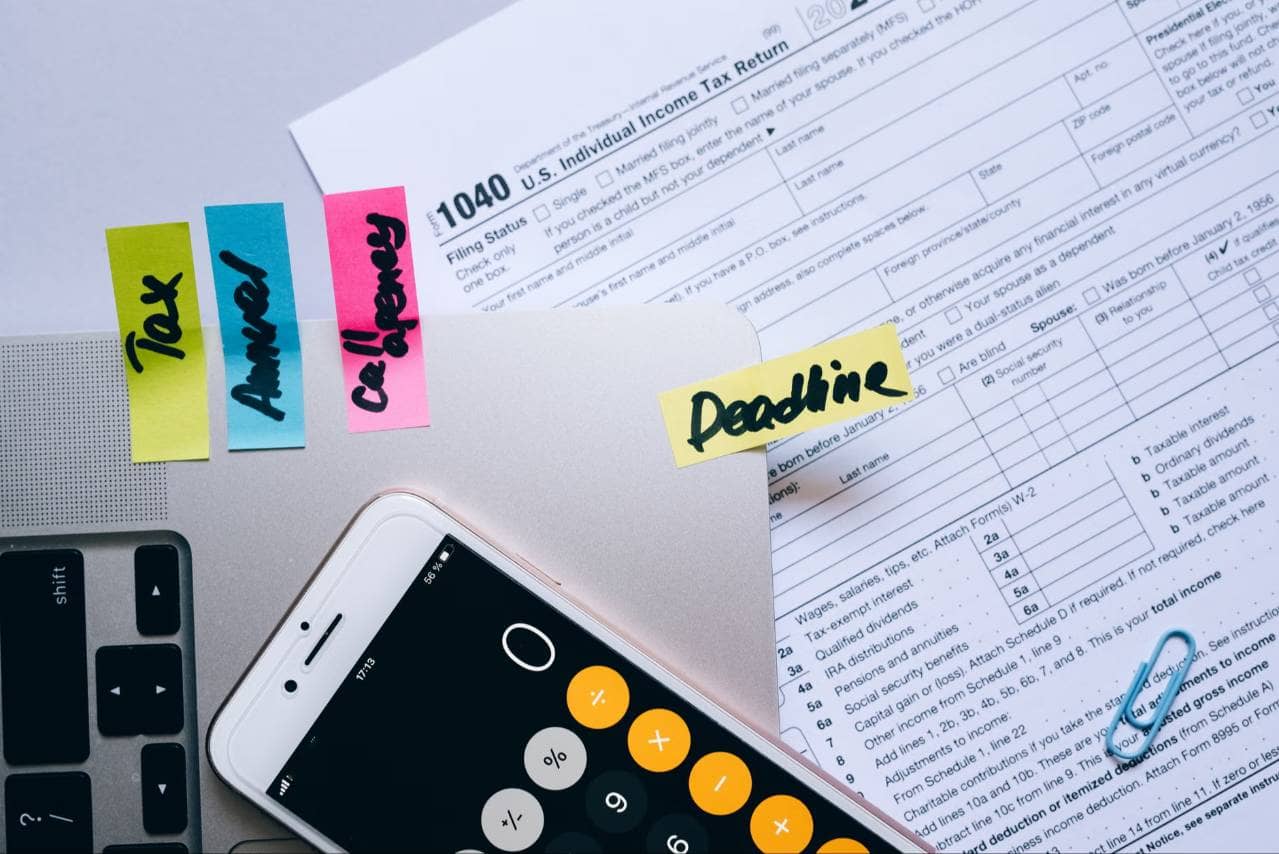
A restaurant compliance audit helps owners identify gaps before they become larger operational or regulatory problems. Instead of reviewing compliance only when an inspection or issue occurs, restaurants should establish a recurring audit process covering the requirements that apply to their operations. The frequency of each review can vary. Some areas may require daily monitoring, while others can be reviewed weekly, monthly, quarterly, or annually. The important part is establishing a consistent schedule and assigning responsibility for each area. Audits should also go beyond identifying problems. When an issue is found, managers should document what happened, determine the appropriate corrective action, assign responsibility, and verify that the issue has been addressed. For restaurants with multiple locations, standardized audit procedures can make it easier to maintain consistent requirements while allowing each location to account for applicable local rules. Restaurant Compliance Audit Checklist 1. Set an audit schedule - Establish daily, weekly, monthly, and annual compliance reviews based on the requirements being monitored. 2. Assign responsibility - Designate managers or employees to complete specific audit tasks. 3. Review licenses and permits - Confirm that required documents remain current. 4. Check employee records - Review applicable payroll, timekeeping, training, and personnel documentation. 5. Review food safety - Inspect food handling, storage, sanitation, temperature monitoring, and related records. 6. Inspect workplace safety - Check equipment, emergency procedures, exits, hazards, and applicable safety documentation. 7. Review timekeeping and payroll - Look for missing records, unexplained corrections, or other discrepancies. 8. Document compliance issues - Record the problem, date identified, location, and other relevant information. 9. Assign corrective actions - Establish who is responsible for addressing each identified issue and when it should be completed. 10. Verify completion - Follow up to confirm that corrective actions have been implemented. 11. Maintain audit records - Keep completed checklists and supporting documentation according to applicable recordkeeping requirements.
