
Restaurants Face Five Regulatory Shifts At Once
Wage hikes, the penny's end, new NLRB rules, California sugar labels, and franchise law changes are converging on operators this year.
Industry Trends
Sep 30, 2026
Wage hikes, the penny's end, new NLRB rules, California sugar labels, and franchise law changes are converging on operators this year.
Sep 30, 2026
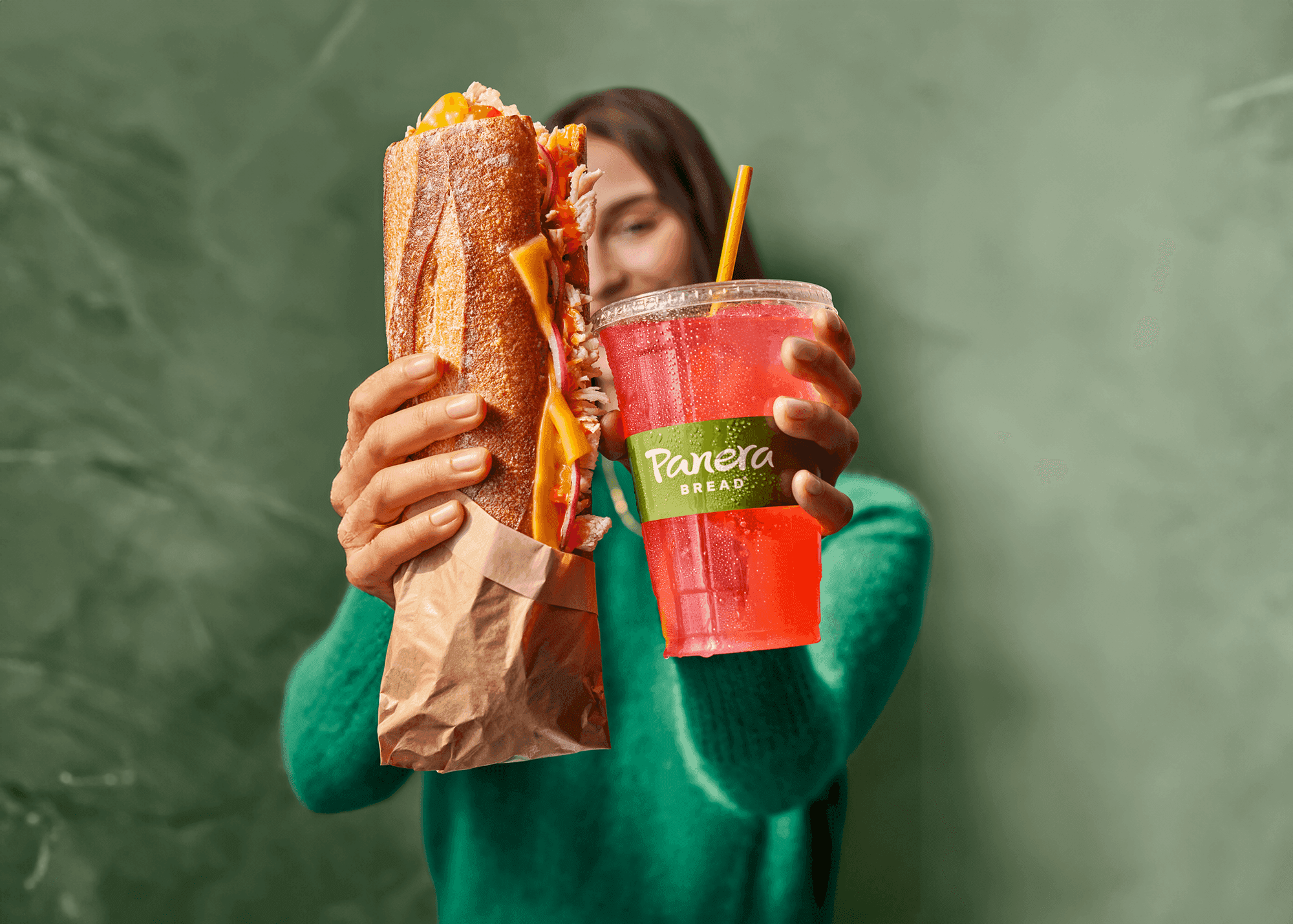
Panera taps outsiders from Burger King and Oakberry to fix operations, order accuracy and supply chain as it overhauls loyalty and marketing.
Sep 30, 2026
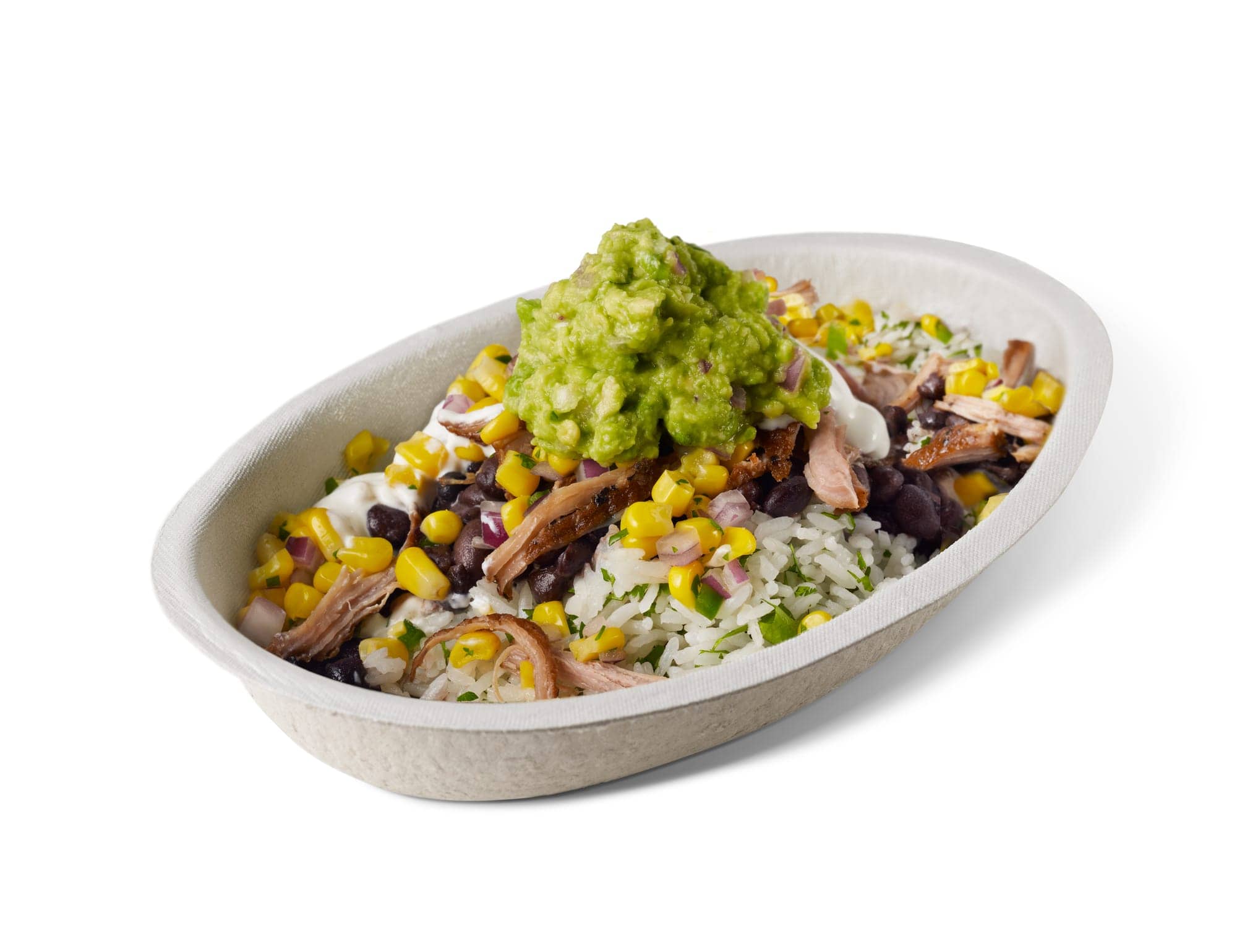
Chipotle hits 1,500 Chipotlanes, the digital pickup lanes launched in 2018. Here's how the format became core to its growth strategy.
Sep 29, 2026
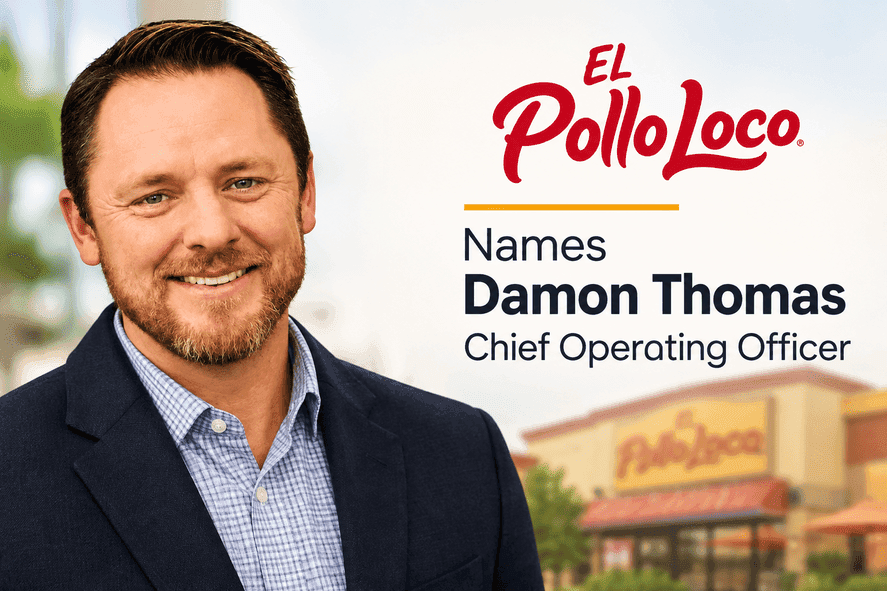
El Pollo Loco appoints Damon Thomas as chief operating officer, bringing restaurant operations experience to the company’s senior leadership team.
Sep 29, 2026

Rock N Roll Sushi taps franchise veteran Rick Gestring as CEO, succeeding Craig LeMieux in a transition built on continuity, not disruption.
Sep 28, 2026
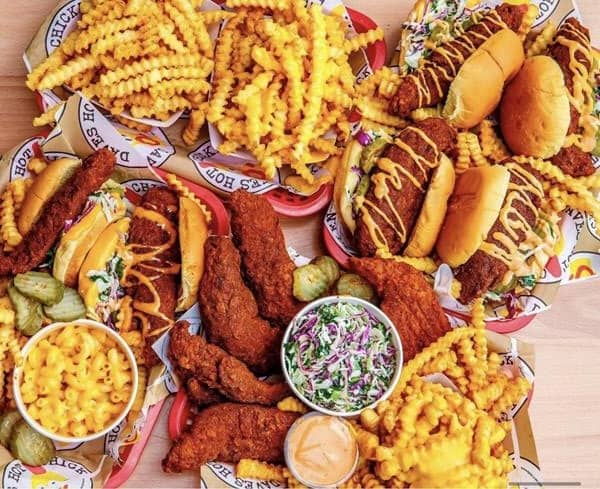
TIG Reaper LLC, a multi-unit Dave's Hot Chicken franchisee, filed Chapter 11 amid a bitter dispute with lender Bank Midwest over alleged defaults.
Sep 28, 2026
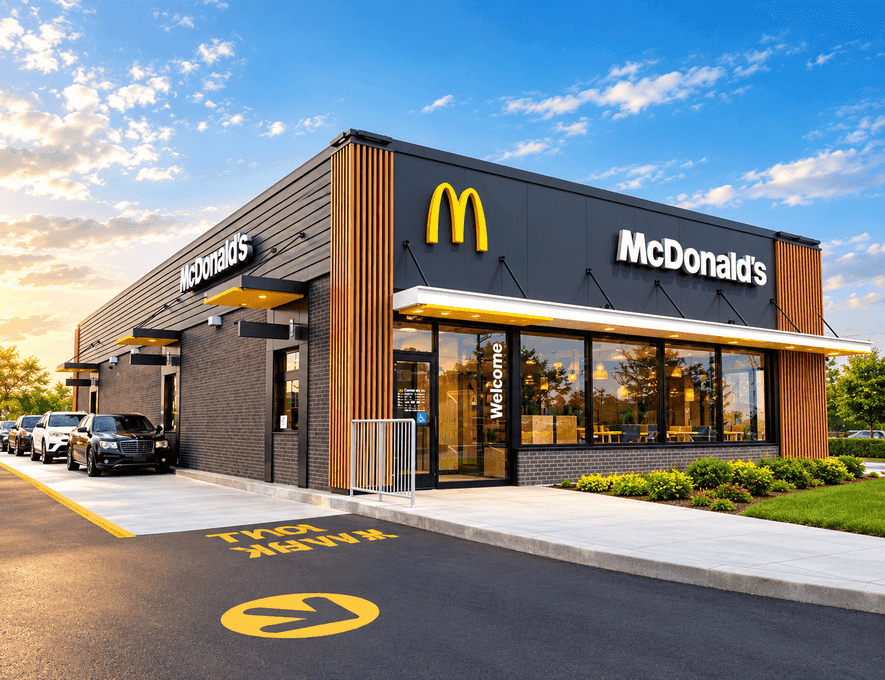
McDonald's ArchIQ platform blends voice AI, automation, and predictive data to reshape drive-thrus and kitchens. Here's how it works and what's next.
Sep 28, 2026
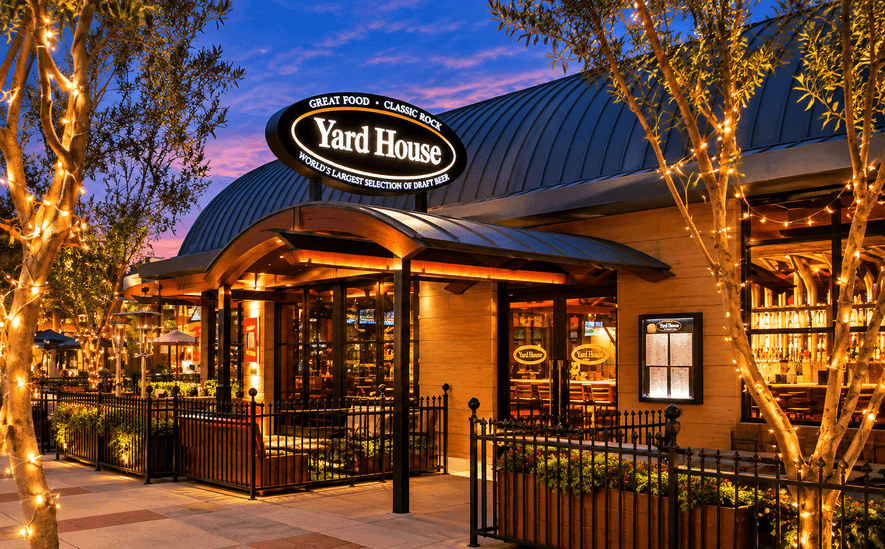
The full-service concept, which posted 10% growth in same-store sales during fiscal Q1 2027, plans to open 13 new stores during the ongoing fiscal year.
Sep 28, 2026

Use this compliance checklist to review restaurant requirements, identify gaps, organize responsibilities, and maintain consistent compliance across daily operations.
Sep 28, 2026
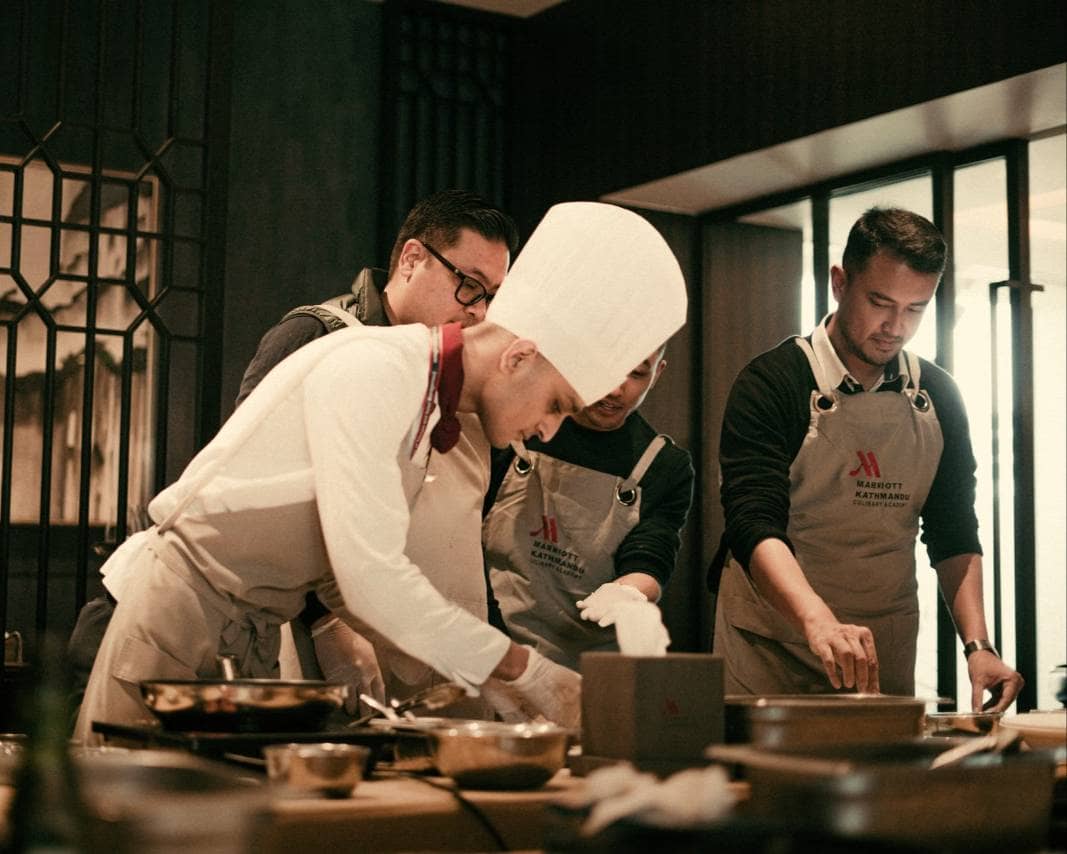
Build an effective training program by setting clear goals, identifying role-specific needs, providing hands-on practice, evaluating performance, and continuously improving training.
Sep 28, 2026

Unlock Exclusive Access To Webinars, Events, And The Latest News For Free!
Wage hikes, the penny's end, new NLRB rules, California sugar labels, and franchise law changes are converging on operators this year.
Photo by Alex Haney
Florida just crossed the $15 minimum wage line. Congress is killing the penny. Federal labor rules got rewritten again. And California wants sugar cubes on your beverage menu. If you run a restaurant right now, you're not dealing with one regulatory shift. You're dealing with five, all landing in the same stretch of calendar.
That's the real story here. Payroll, point-of-sale systems, labor relations, menu design, corporate structure: nearly every lever an operator pulls is getting touched at once. None of these changes happened in a vacuum, but they're arriving together, and that timing is what makes this moment different from the usual drip of state-by-state wage news.
The state's minimum wage rose from $14 to $15 an hour on Sept. 30, the last scheduled $1 bump under a constitutional amendment voters approved back in 2020. Florida now joins 18 states that have cleared $15, all while the federal minimum wage sits frozen at $7.25, unchanged since 2009. The $15 rate holds through Dec. 31, 2027, then Florida shifts to annual inflation adjustments, a pattern several states have already adopted to take future wage fights out of legislators' hands entirely.
The tip credit math is where this actually bites for full-service operators. Florida allows a $3.02 tip credit, so as the base wage climbed to $15, the minimum cash wage for tipped workers rose from $10.98 to $11.98 an hour. That's not a rounding error for a restaurant with dozens of servers and bartenders.
And Florida is one piece of a much bigger puzzle: more than 20 states raised their wage ceilings in 2026 alone, with the national range now stretching from $10.85 in Montana to $17.13 in Washington. More than a third of all states sit at or above $15. Run a multi-state chain, and you're now juggling a patchwork of wage floors, tip credit rules, and inflation schedules that don't line up from one border to the next, which makes a single national comp strategy nearly impossible to sustain.

Congress passed the Common Cents Act, bipartisan legislation that halts new penny production and sets rounding rules for cash transactions when exact change isn't available. It's cleared both chambers and is sitting on President Trump's desk, with enactment expected soon.
The National Restaurant Association pegs cash at more than a quarter of annual industry sales, so this isn't a niche problem. Plenty of restaurants will need to retrain staff and reconfigure POS systems to handle rounding fairly for both customers and the business.

Labor relations shifted too. The NLRB restored a Trump-era standard from the 2020 General Motors ruling, applying the Wright Line test: an employer can discipline or fire a worker if the conduct would've drawn the same response regardless of any protected union activity involved.
Workers still keep their core protections, discussing wages, organizing, voting on union representation, all of that stays intact. What changed is the line between a protected complaint and disciplinable misconduct. Managers now have firmer footing to act on things like profanity directed at a supervisor or inflammatory social media posts, even when those incidents happen during union-related activity. And because the standard applies across the board, not just at unionized shops, it gives every operator a clearer set of guardrails for managing conflict.
California, meanwhile, is going after sugar and processing. Gov. Gavin Newsom signed legislation requiring restaurants with 20 or more locations to display a sugar-cube icon next to beverages that hit 100% of the FDA's daily recommended added sugar value, starting Jan. 1, 2029.
A companion measure, Assembly Bill 2244, passed unanimously and creates a voluntary Non-Ultraprocessed Certified seal, with qualifying criteria around sodium, sugar, and saturated fat that plenty of everyday staples, bread, sauces, canned produce, could plausibly meet. Operators are now weighing two separate tracks: redesigning beverage menus for the sugar mandate, and deciding whether reformulating recipes makes sense as public attitudes toward processed food keep shifting. The unanimous vote on AB 2244 says something about where lawmakers on both sides stand on transparency, even if the sugar-cube signage itself is still years out.
Add in the American Franchise Act, now backed by the Trump administration, and you've got a fifth front. H.R. 5267 would amend the NLRA and FLSA so a franchisor only counts as a joint employer if it actually shares control over wages, benefits, or working hours.
Both the National Restaurant Association and the International Franchise Association are behind it, which is notable given how often this issue splits industry groups. But the joint-employer question has flipped with every change in administration for years now, and there's nothing in the current record suggesting this version is the final one. The Common Cents Act still needs a presidential signature. California's mandate doesn't kick in until 2029. The franchise bill hasn't passed. A lot of this is still in motion, not settled.
Put it all together and the message for operators is pretty simple: stop looking for one national playbook, because it doesn't exist anymore. Wage floors, cash-handling rules, discipline standards, menu design, and corporate liability are all moving on different timelines and different tracks, and they're converging on the same operators at the same time.
Building flexibility into compensation, compliance, and menu strategy isn't a nice-to-have anymore. For anyone running restaurants across state lines, it's just the cost of staying in business.
