
Rock N Roll Sushi Names Rick Gestring New CEO
Rock N Roll Sushi taps franchise veteran Rick Gestring as CEO, succeeding Craig LeMieux in a transition built on continuity, not disruption.
Franchising
Sep 28, 2026
Rock N Roll Sushi taps franchise veteran Rick Gestring as CEO, succeeding Craig LeMieux in a transition built on continuity, not disruption.
Sep 28, 2026
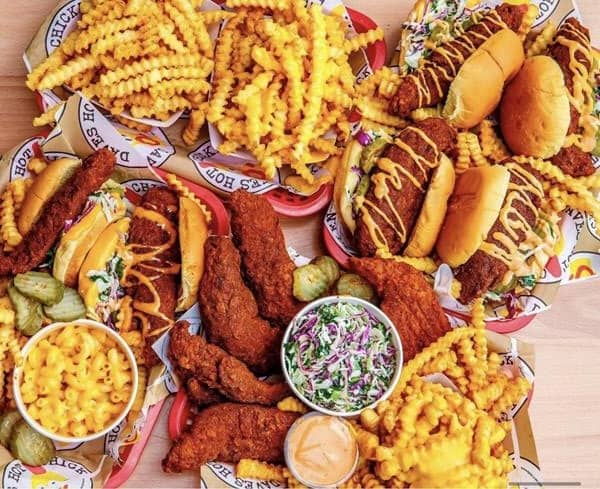
TIG Reaper LLC, a multi-unit Dave's Hot Chicken franchisee, filed Chapter 11 amid a bitter dispute with lender Bank Midwest over alleged defaults.
Sep 28, 2026
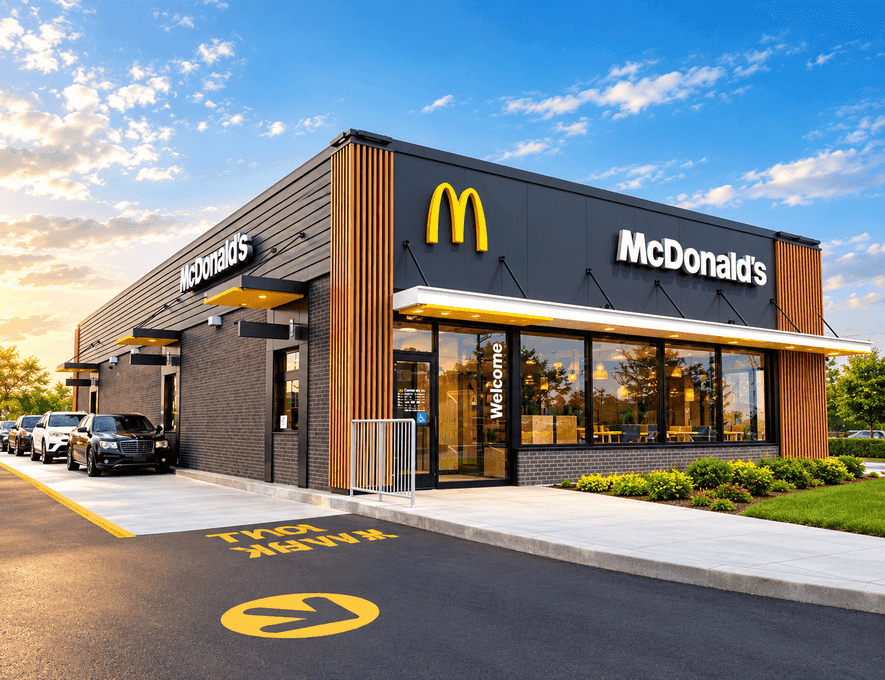
McDonald's ArchIQ platform blends voice AI, automation, and predictive data to reshape drive-thrus and kitchens. Here's how it works and what's next.
Sep 28, 2026
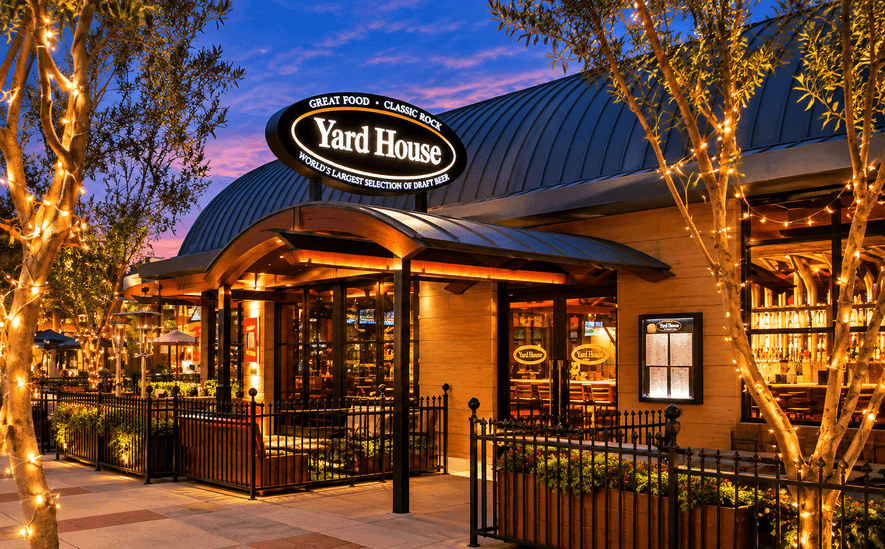
The full-service concept, which posted 10% growth in same-store sales during fiscal Q1 2027, plans to open 13 new stores during the ongoing fiscal year.
Sep 28, 2026
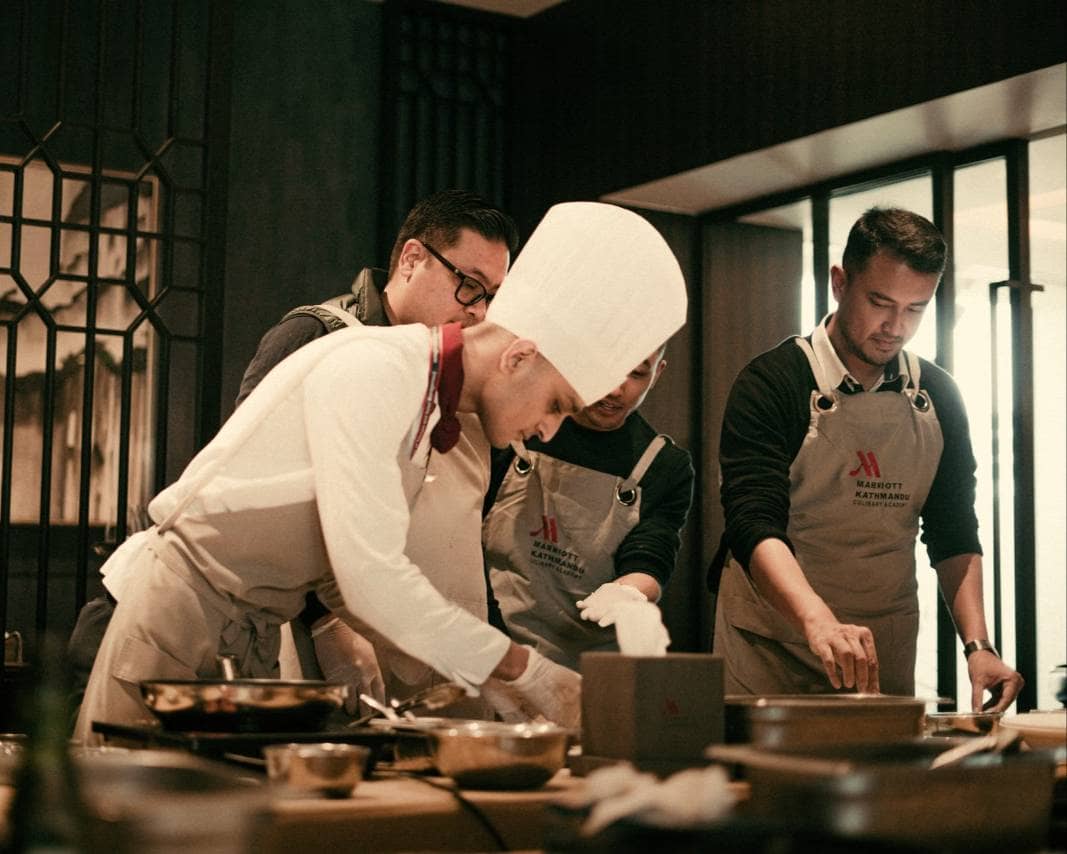
Build an effective training program by setting clear goals, identifying role-specific needs, providing hands-on practice, evaluating performance, and continuously improving training.
Sep 28, 2026

Understand employee scheduling principles for restaurants, including workforce planning, shift assignments, availability management, compliance considerations, and scheduling technology.
Sep 25, 2026

Learn how average inventory is calculated and use inventory data to identify purchasing trends, manage stock levels, and reduce waste.
Sep 25, 2026

Starbucks is closing 250 North America stores even as sales climb, revealing a strategic push to trim weak locations and fund renovations.
Sep 25, 2026

A restaurant chart of accounts separates sales, costs, and labor, uses logical numbering, and stays maintained, producing clearer financial reports.
Sep 23, 2026
This restaurant inventory count checklist helps owners track food, beverages, packaging, and supplies, cutting waste, controlling costs, improving purchasing decisions.
Sep 23, 2026

Unlock Exclusive Access To Webinars, Events, And The Latest News For Free!
Build an effective training program by setting clear goals, identifying role-specific needs, providing hands-on practice, evaluating performance, and continuously improving training.
An effective restaurant training program starts with clear goals. Before creating training materials or scheduling sessions, determine what employees need to learn, what standards they must meet, and how training will support daily restaurant operations. Begin by identifying the most important outcomes for each employee role. A server may need training on menu knowledge, order accuracy, table service, and the POS system. A cook may need training on food preparation, portion control, sanitation, equipment, and kitchen procedures. Managers may require additional training on scheduling, employee performance, inventory, and operational procedures. Set specific objectives for both new and existing employees. New employees may need to understand basic policies and complete role-specific training before working independently. Existing employees may need refresher training when procedures change or performance gaps appear. Training goals should also address broader restaurant standards, including - 1. Customer service - Establish consistent expectations for guest interactions and service quality. 2. Food safety - Ensure employees understand proper handling, storage, preparation, and sanitation procedures. 3. Operational procedures - Standardize how employees complete essential daily tasks. 4. Technology - Train employees to use POS, timekeeping, scheduling, inventory, and other restaurant systems correctly. 5. Performance - Define the skills and behaviors employees must demonstrate to perform their roles successfully. Make each goal measurable whenever possible. Instead of stating that an employee should "understand the POS system," establish a specific objective such as accurately entering orders, processing payments, and completing common transactions without assistance. Clear training goals give managers a framework for building training materials, evaluating employee progress, and identifying areas that require additional instruction. They also create consistency by ensuring employees across different shifts receive training based on the same expectations.
Once training goals are established, identify the specific knowledge and skills employees need for their positions. A restaurant training program should not rely on the same training for every employee. Each role has different responsibilities, procedures, and performance expectations. Start by creating a list of core responsibilities for each position. For example, servers may need training on taking orders, menu knowledge, table service, payments, and handling guest concerns. Kitchen employees may require training on food preparation, recipes, portion sizes, equipment, sanitation, and kitchen safety. Managers may need additional training on scheduling, inventory, employee performance, cash handling, and operational procedures. Separate training requirements into general and role-specific skills. General training can cover topics that apply to most employees, such as restaurant policies, workplace safety, customer service standards, emergency procedures, and basic technology. Role-specific training should focus on the tasks employees perform during their shifts. Consider creating a training checklist for each position that includes - 1. Job responsibilities - Define the primary duties employees must perform. 2. Required skills - Identify the practical skills needed to complete those duties correctly. 3. Restaurant procedures - Document the processes employees must follow. 4. Technology requirements - List the systems and tools employees need to use. 5. Performance standards - Establish measurable expectations for accuracy, speed, service, and quality. 6. Safety requirements - Identify food safety, equipment safety, and workplace procedures relevant to the role. Training needs should also be reviewed for existing employees. Changes to menus, equipment, technology, policies, or operating procedures can create new training requirements. Performance issues can also reveal areas where employees need additional instruction or practice. A role-based approach makes training more relevant and efficient. Employees receive the information they need to perform their specific jobs while still learning the common standards required across the restaurant.
After identifying the training needs for each role, organize them into a structured restaurant training program. A defined structure helps managers deliver training consistently instead of relying on informal instructions or individual trainer preferences. Organize training into logical stages. New employees can begin with restaurant orientation and basic policies before moving into role-specific responsibilities. Once employees understand the fundamentals, training can progress to hands-on practice and supervised work. A structured program should typically include - 1. Restaurant orientation - Introduce employees to the restaurant, team, workplace policies, and expectations. 2. Job-specific training - Teach the tasks and skills required for each position. 3. Standard operating procedures - Explain the correct processes for recurring operational tasks. 4. Customer service - Establish expectations for communication, service, and handling guest concerns. 5. Food safety and sanitation - Cover procedures relevant to food handling, preparation, storage, and cleaning. 6. Technology training - Teach employees how to use the POS, timekeeping, scheduling, inventory, and other required systems. 7. Safety procedures - Explain emergency procedures, equipment safety, and other workplace requirements. 8. Performance evaluation - Establish checkpoints for reviewing employee progress and identifying additional training needs. Create written materials that support each stage. Training checklists, standard operating procedures, videos, demonstrations, quizzes, and reference guides can give employees resources they can use during and after training. The program should also define who is responsible for delivering each part of the training. Assign managers, supervisors, or experienced employees to specific training responsibilities and provide them with consistent materials and instructions. Finally, establish a timeline for completing the training. Breaking the program into manageable stages makes it easier to track progress and prevents new employees from receiving too much information at once.

A strong onboarding process introduces new employees to the restaurant while giving them the knowledge and skills needed to perform their roles. Instead of providing all information during a single orientation session, incorporate onboarding into the broader restaurant training program. Begin onboarding with the fundamentals. Employees should learn about the restaurant's policies, workplace expectations, organizational structure, schedules, communication procedures, and role responsibilities. This gives new hires a clear understanding of how they fit into daily operations. Next, introduce employees to their specific work areas and responsibilities. Explain how tasks should be completed and demonstrate the procedures before asking employees to perform them. For example, a server may need to learn table assignments, order entry, menu information, payment procedures, and service standards. A structured onboarding process can include - 1. First day - Complete orientation, introduce the employee to the team, review essential policies, and provide a workplace tour. 2. First week - Focus on role-specific procedures, hands-on training, technology, customer service, and safety requirements. 3. First month - Reinforce key skills, review performance, address knowledge gaps, and gradually increase responsibilities. 4. Ongoing - Provide refresher training and additional instruction when procedures or employee responsibilities change. Use a combination of demonstration, observation, practice, and feedback throughout onboarding. Employees can first watch a task, practice it with supervision, and eventually perform it independently once they demonstrate the required skill level. A training checklist can help managers track which topics have been covered and which still require attention. Employees can also acknowledge completed training or demonstrate proficiency in specific tasks.
Restaurant employees often learn most effectively when training combines instruction with practical experience. A restaurant training program should give employees opportunities to practice their responsibilities under supervision rather than relying entirely on written materials or verbal explanations. Begin by demonstrating each task clearly. Explain what needs to be done, why the procedure matters, and what standards employees are expected to meet. Break complex tasks into smaller steps so employees can learn the process without becoming overwhelmed. After the demonstration, allow employees to perform the task themselves. A manager, supervisor, or designated trainer can observe the employee and provide immediate feedback. This approach helps identify mistakes early and gives employees an opportunity to correct them before working independently. Hands-on training can include - 1. Task demonstrations - Show employees the correct way to complete important procedures. 2. Job shadowing - Allow new employees to observe experienced staff during actual shifts. 3. Supervised practice - Have employees perform tasks while a trainer monitors their work. 4. Role-playing - Practice customer interactions, complaints, order corrections, and other common situations. 5. Technology practice - Let employees use POS, timekeeping, scheduling, or other systems in a controlled training environment. 6. Skills assessments - Ask employees to demonstrate that they can complete important tasks according to established standards. Feedback should be specific and timely. Rather than simply telling an employee that something was done incorrectly, explain what needs to change and demonstrate the correct process when necessary. Employees should also have an opportunity to ask questions and repeat tasks until they can perform them correctly. Hands-on practice is particularly important for tasks involving food preparation, equipment, sanitation, customer service, and restaurant technology, where incorrect procedures can affect safety, efficiency, or the guest experience. Once an employee consistently meets the required standard, gradually transition from supervised practice to independent work. Continue monitoring performance during regular shifts to reinforce the training and identify areas that may require additional instruction.
Employees need to understand more than their individual job duties. An effective restaurant training program should teach the standards, procedures, and technology that support consistent restaurant operations. Start by documenting the standards employees are expected to follow. These may include customer service procedures, food preparation requirements, cleanliness standards, portion control, opening and closing procedures, and workplace safety. Clear standards give employees a consistent reference for completing daily tasks. Technology should also be part of role-specific training. Restaurants commonly use multiple systems to manage sales, employee time, schedules, inventory, payments, and other operational activities. Employees should understand how to use the systems required for their positions and how their actions affect restaurant operations. Technology training can cover - 1. POS systems - Enter orders accurately, process payments, apply discounts, and follow transaction procedures. 2. Timekeeping systems - Clock in and out correctly and follow established timekeeping procedures. 3. Scheduling tools - Review schedules, availability, shift information, and relevant employee procedures. 4. Inventory systems - Follow processes for receiving, counting, recording, and managing inventory when applicable. 5. Communication tools - Use approved channels for shift communication, updates, and operational information. 6. Restaurant equipment - Operate equipment safely and follow required procedures for cleaning and maintenance. Training should also explain why each procedure matters. Employees are more likely to follow established processes when they understand how those procedures affect order accuracy, labor management, food costs, customer service, safety, and overall restaurant performance. Keep training materials updated as technology and restaurant procedures change. A POS update, new menu, revised operating procedure, or new piece of equipment may require additional employee instruction. Standardized training materials such as checklists, quick-reference guides, videos, and standard operating procedures can help employees find information after formal training is complete. Managers should also verify that employees can correctly perform important tasks rather than assuming that completing a training session means the employee has mastered the process. Combining operational standards with technology training helps create a consistent foundation for employees across different roles and shifts.
Training should not end when an employee completes a training checklist. Regular evaluation helps restaurant owners determine whether employees understand the material and can apply it correctly during daily operations. A restaurant training program should include clear methods for measuring employee progress. Start by establishing performance criteria for each role. These criteria should reflect the skills employees were expected to learn during training. For example, a server may need to demonstrate accurate order entry, menu knowledge, payment processing, and customer service skills. A kitchen employee may need to demonstrate proper food preparation, sanitation, portioning, and equipment procedures. Use several methods to evaluate employees rather than relying on a single test. Useful approaches include - 1. Knowledge assessments - Use short quizzes or questions to confirm employees understand important policies and procedures. 2. Task demonstrations - Ask employees to perform specific duties while a manager or trainer observes. 3. Training checklists - Track which skills have been introduced, practiced, and completed. 4. Manager observations - Monitor employees during regular shifts to identify strengths and areas for improvement. 5. Performance reviews - Schedule formal check-ins to discuss progress and additional training needs. 6. Employee feedback - Ask employees which procedures are unclear and where additional instruction would be useful. Make evaluations specific and measurable. Instead of simply determining whether an employee "completed training," identify whether the employee can perform the required task according to the restaurant's standards. When performance gaps appear, provide targeted retraining. An employee who struggles with a particular procedure may not need to repeat the entire training program. Focus on the specific skill, provide additional instruction and practice, and evaluate the employee again. Training evaluations should also continue after onboarding. Managers can review performance periodically and whenever there are changes to menus, technology, procedures, or job responsibilities. Tracking evaluation results can reveal broader training needs. If multiple employees struggle with the same procedure, the issue may indicate that the training material needs to be clarified or updated. This turns employee evaluation into a continuous process for improving the overall training program.
A restaurant training program should be treated as an ongoing process rather than a one-time project. Restaurant operations change frequently, and training materials need to keep pace with changes to menus, technology, equipment, procedures, policies, and employee responsibilities. Schedule regular reviews of training materials to make sure the information remains accurate. Remove outdated procedures and add new instructions when operational changes occur. Assign a manager or designated training leader to oversee these updates and maintain consistency across shifts. Use employee performance and operational data to identify areas that may require additional training. Recurring order errors, inconsistent procedures, customer complaints, food waste, safety issues, or technology mistakes can indicate that employees need additional instruction or that existing training materials need improvement. A continuous training process can include - 1. Refresher training - Reinforce important skills and procedures at regular intervals. 2. Update training - Train employees whenever menus, equipment, technology, or procedures change. 3. Cross-training - Teach employees additional responsibilities to increase flexibility across shifts. 4. Manager training - Ensure supervisors understand how to coach employees and deliver training consistently. 5. Employee feedback - Ask employees which parts of their training were unclear or difficult to apply. 6. Program reviews - Evaluate whether training objectives, materials, and assessments are still aligned with restaurant operations. Keep training resources organized and accessible. Employees should be able to quickly find relevant procedures, checklists, reference guides, or other approved materials when they need clarification. It is also useful to maintain records of completed training. Tracking which employees have completed specific courses, demonstrated required skills, or received refresher training can help managers identify outstanding training needs. Finally, review the program periodically as a whole. Determine whether employees are meeting performance expectations and whether the training process is helping create consistent operating standards. Use those findings to revise training objectives, materials, delivery methods, and evaluations.
