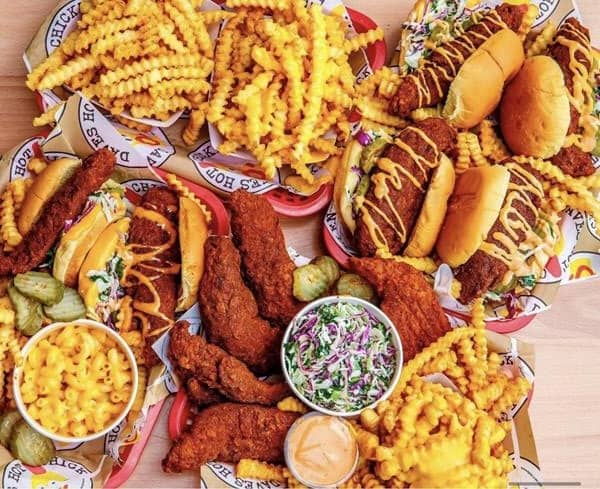
Dave's Hot Chicken Franchisee Files Chapter 11
TIG Reaper LLC, a multi-unit Dave's Hot Chicken franchisee, filed Chapter 11 amid a bitter dispute with lender Bank Midwest over alleged defaults.
Legal
Sep 28, 2026
TIG Reaper LLC, a multi-unit Dave's Hot Chicken franchisee, filed Chapter 11 amid a bitter dispute with lender Bank Midwest over alleged defaults.
Sep 28, 2026
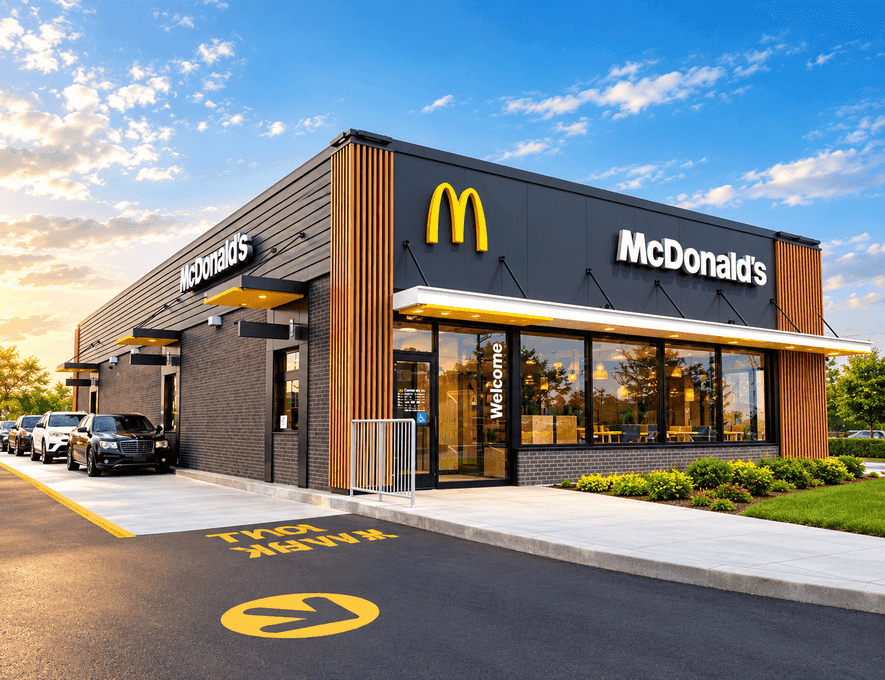
McDonald's ArchIQ platform blends voice AI, automation, and predictive data to reshape drive-thrus and kitchens. Here's how it works and what's next.
Sep 28, 2026
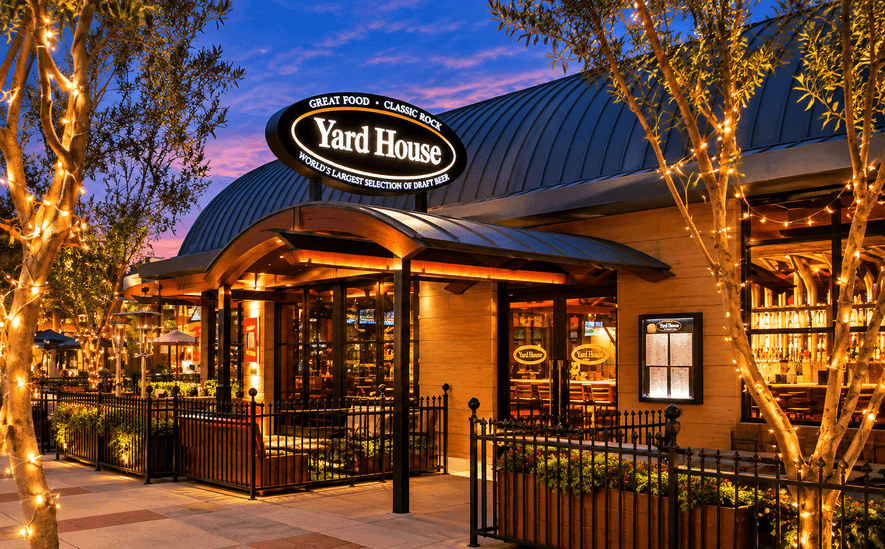
The full-service concept, which posted 10% growth in same-store sales during fiscal Q1 2027, plans to open 13 new stores during the ongoing fiscal year.
Sep 28, 2026

Learn how average inventory is calculated and use inventory data to identify purchasing trends, manage stock levels, and reduce waste.
Sep 25, 2026

Understand employee scheduling principles for restaurants, including workforce planning, shift assignments, availability management, compliance considerations, and scheduling technology.
Sep 25, 2026
Starbucks is closing 250 North America stores even as sales climb, revealing a strategic push to trim weak locations and fund renovations.
Sep 25, 2026

A restaurant chart of accounts separates sales, costs, and labor, uses logical numbering, and stays maintained, producing clearer financial reports.
Sep 23, 2026
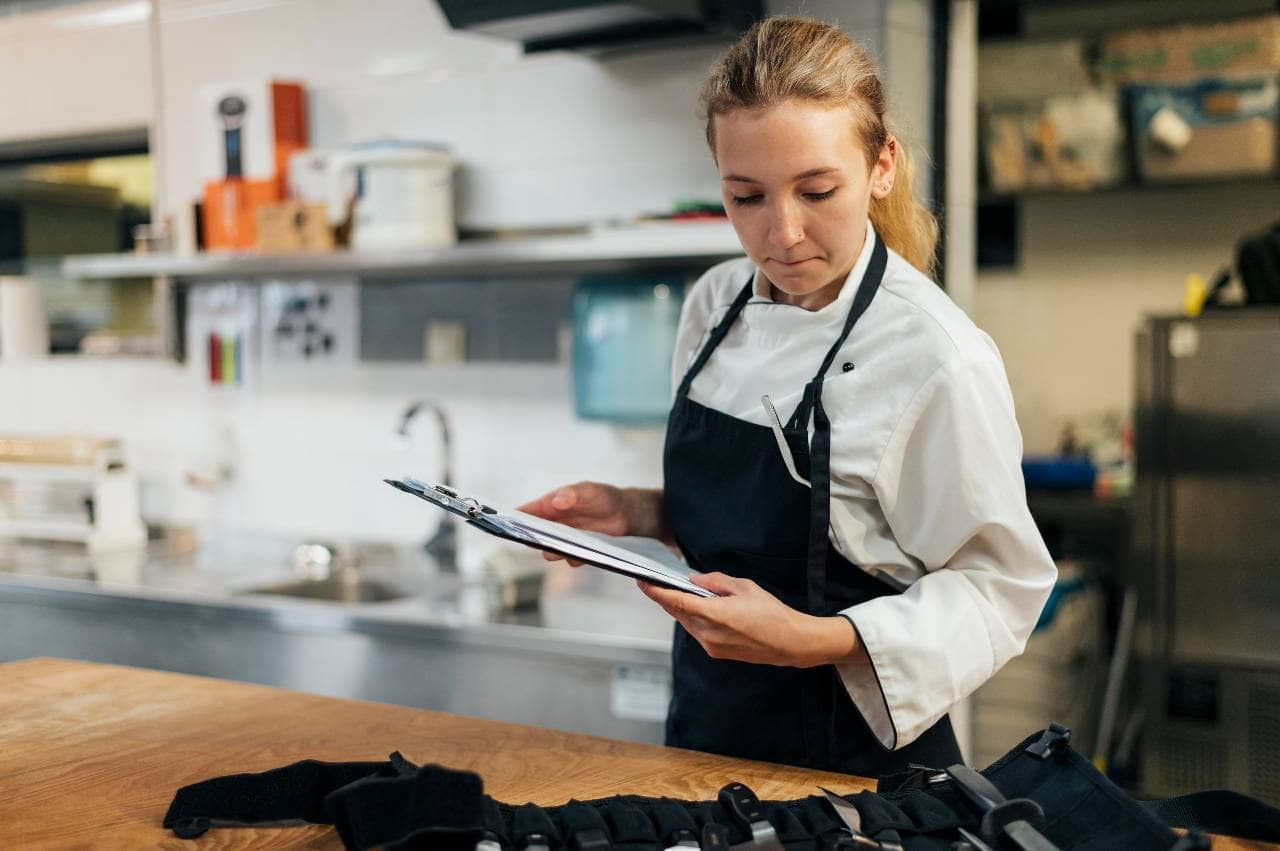
This restaurant inventory count checklist helps owners track food, beverages, packaging, and supplies, cutting waste, controlling costs, improving purchasing decisions.
Sep 23, 2026
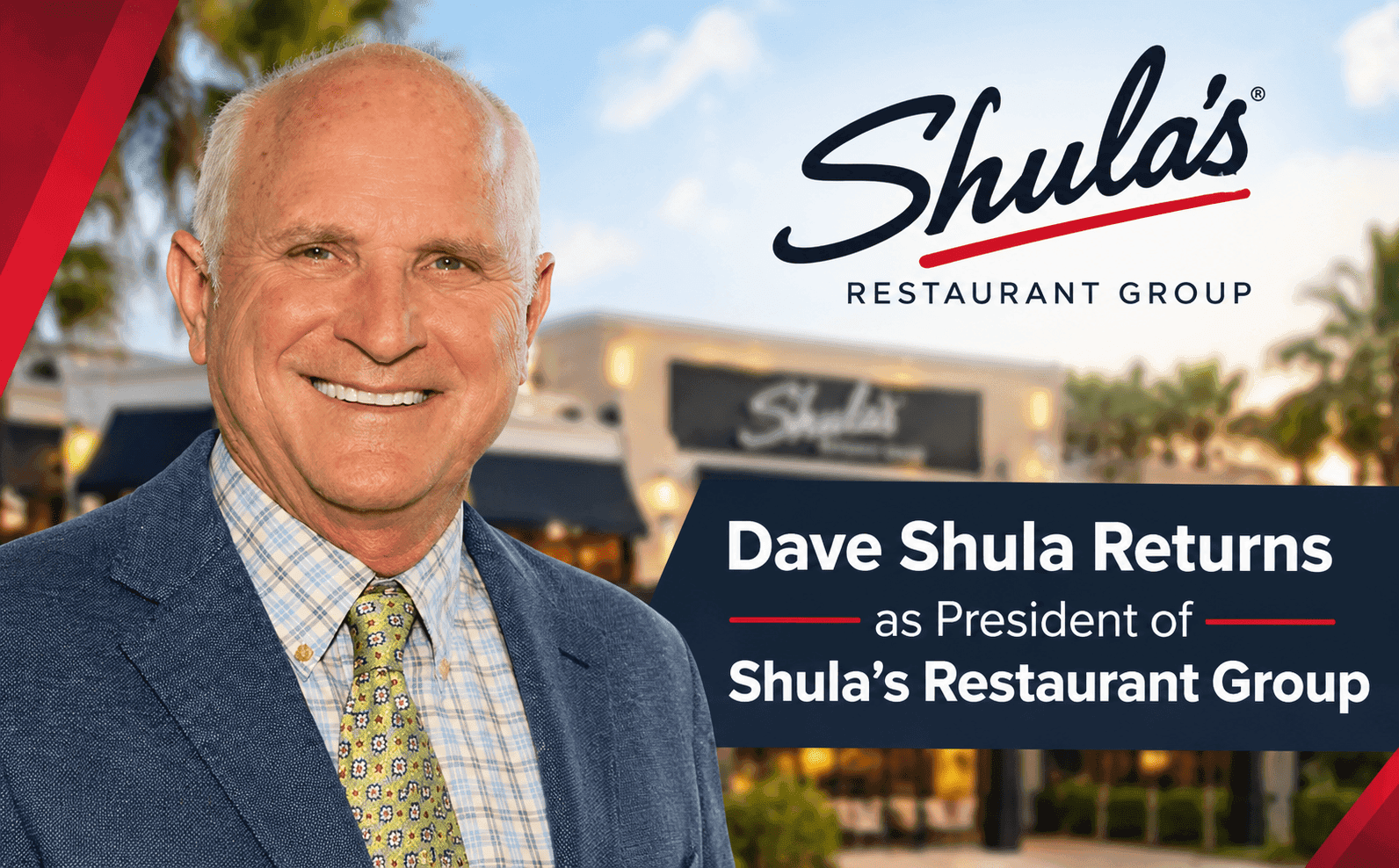
Dave Shula rejoins Shula's Restaurant Group as president, leading growth into Palm Beach Gardens and a 2027 Thomasville, Georgia expansion.
Sep 23, 2026
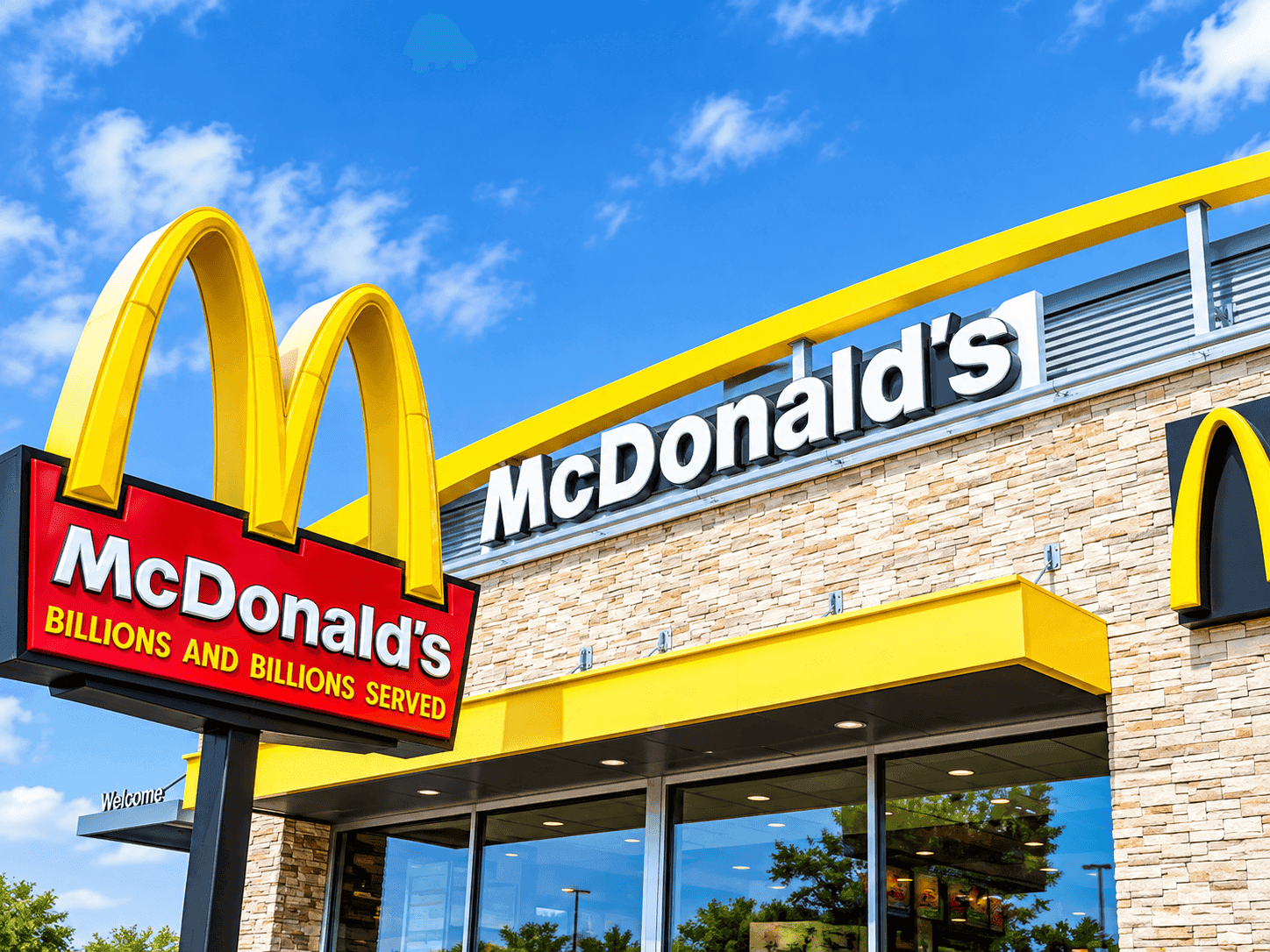
McDonald's commits $8.5 billion through 2036 to modernize restaurants, boost cash flow by $100,000 per store, and grow chicken and beverage sales.
Sep 23, 2026

Unlock Exclusive Access To Webinars, Events, And The Latest News For Free!
The full-service concept, which posted 10% growth in same-store sales during fiscal Q1 2027, plans to open 13 new stores during the ongoing fiscal year.
Yard House has officially joined an elite group within Darden Restaurants, generating $1 billion in sales over the trailing 52 weeks. Darden CEO Rick Cardenas shared the milestone on Thursday during the company's earnings call for the first quarter of fiscal 2027, highlighting it as one of the most notable achievements of the period. For the upscale-casual chain, which is known for its wide selection of draft beer and its lively, sports-friendly atmosphere, reaching this level of annual sales represents a major step forward. The milestone reflects years of steady investment in the brand, from menu improvements to a sharper focus on the guest experience. It also signals that Yard House has grown from a smaller player in Darden's portfolio into a meaningful contributor to the company's overall results, giving investors and leadership another strong brand to rely on as the company pursues continued growth.
With this accomplishment, Yard House becomes Darden's third brand to cross the billion-dollar threshold, joining Olive Garden and LongHorn Steakhouse. Olive Garden has long served as the flagship of Darden's portfolio, while LongHorn has steadily built its own momentum in recent years. In fact, LongHorn reached a landmark of its own during the fourth quarter of fiscal 2026, when it generated $1 billion in quarterly sales. Yard House's arrival in this group underscores the growing strength and diversity of Darden's lineup of restaurant brands. Rather than depending on a single powerhouse, the company now has three brands operating at the billion-dollar level, each serving a different type of guest and dining occasion. This broader base can help Darden balance performance across its business, especially when one brand faces challenges, and it strengthens the company's position as one of the leading full-service restaurant operators in the industry.
Yard House's momentum was also clear in its same-store sales, which climbed 10% during the fiscal first quarter. A key factor behind this growth was the FIFA World Cup, which drew crowds of soccer fans looking for a place to watch matches together. Cardenas said the tournament created a great opportunity for Yard House to deepen its connections with loyal guests. According to CFO Rajesh Vennam, the World Cup added 180 basis points to Yard House's same-store sales, a meaningful contribution to the brand's strong quarter. However, the event did not benefit every part of the business equally. While Yard House gained from the extra traffic, the tournament weighed on the performance of Darden's other brands, showing how a single event can affect brands in very different ways. Overall, Vennam said the World Cup created an 80 basis-point headwind for Darden as a whole during the quarter.
Beyond the immediate sales lift, the World Cup helped raise awareness of the Yard House brand and brought in new customers who may not have visited before. Cardenas said these new guests were introduced to a range of menu enhancements the chain has rolled out in recent years, including its burger, pizza, taco, and pasta platforms. He noted that Yard House has made a huge focus on its food, while also working to improve value and service for its guests. These efforts appear to be paying off, as first-time visitors are discovering an upgraded menu that gives them reasons to return. Cardenas described Yard House as the top-performing brand within Darden's "Other Business" segment and said it has high potential for future growth. Its combination of stronger food, better value, and improved service positions the chain well to turn new visitors into loyal regulars over time.
Looking ahead, Darden plans to open 13 Yard House restaurants during the current fiscal year. Five of these openings will come from converting existing Bahama Breeze locations into Yard House restaurants, allowing the company to make use of sites it already operates. The remaining eight will be new builds, and about half of them will use a new design prototype developed for the brand. According to Cardenas, this prototype lowers construction costs and opens up new site opportunities that may not have worked with the chain's previous format. Importantly, the new design is expected to sustain the brand's $10.5 million average unit volume, a key measure of how much each restaurant generates. By reducing the cost of each new restaurant while keeping sales per location high, the prototype could make Yard House's expansion more efficient and profitable, giving Darden more flexibility in where and how it grows the brand.
Yard House's footprint is already expanding at a healthy pace. As of the end of August, the chain operated 95 restaurants, up from 89 in the same quarter a year earlier, according to Darden's earnings release. That represents a 6.7% increase in its restaurant count over the past year. Yard House is not the only Darden brand adding locations, as the company is seeing strong unit growth across its portfolio. Olive Garden, Darden's largest brand, grew to 953 restaurants at the end of the fiscal quarter, compared with 933 a year ago. LongHorn Steakhouse also expanded its presence, reaching 624 locations, up from 595 in the prior-year period. Together, these numbers show that Darden is actively investing in new restaurants across its major brands, building on consumer demand and positioning itself to capture additional market share as it continues to grow its national presence.
Even as Yard House speeds up its expansion, Cardenas made it clear that Darden intends to grow the brand at a careful and sustainable pace. He said the chain's new unit growth will likely remain within a single-digit rate each year, rather than pushing into more aggressive territory. The reason comes down to people. According to Cardenas, when a brand opens new restaurants at a rate above 10% annually, it becomes much harder to find enough qualified team members to run those locations. It also becomes more difficult to ensure that managers and staff truly understand the brand and can deliver the experience guests expect. By keeping growth measured, Darden aims to protect the quality, culture, and consistency that helped Yard House reach the billion-dollar mark in the first place. This disciplined strategy should help the brand continue building on its success for years to come.