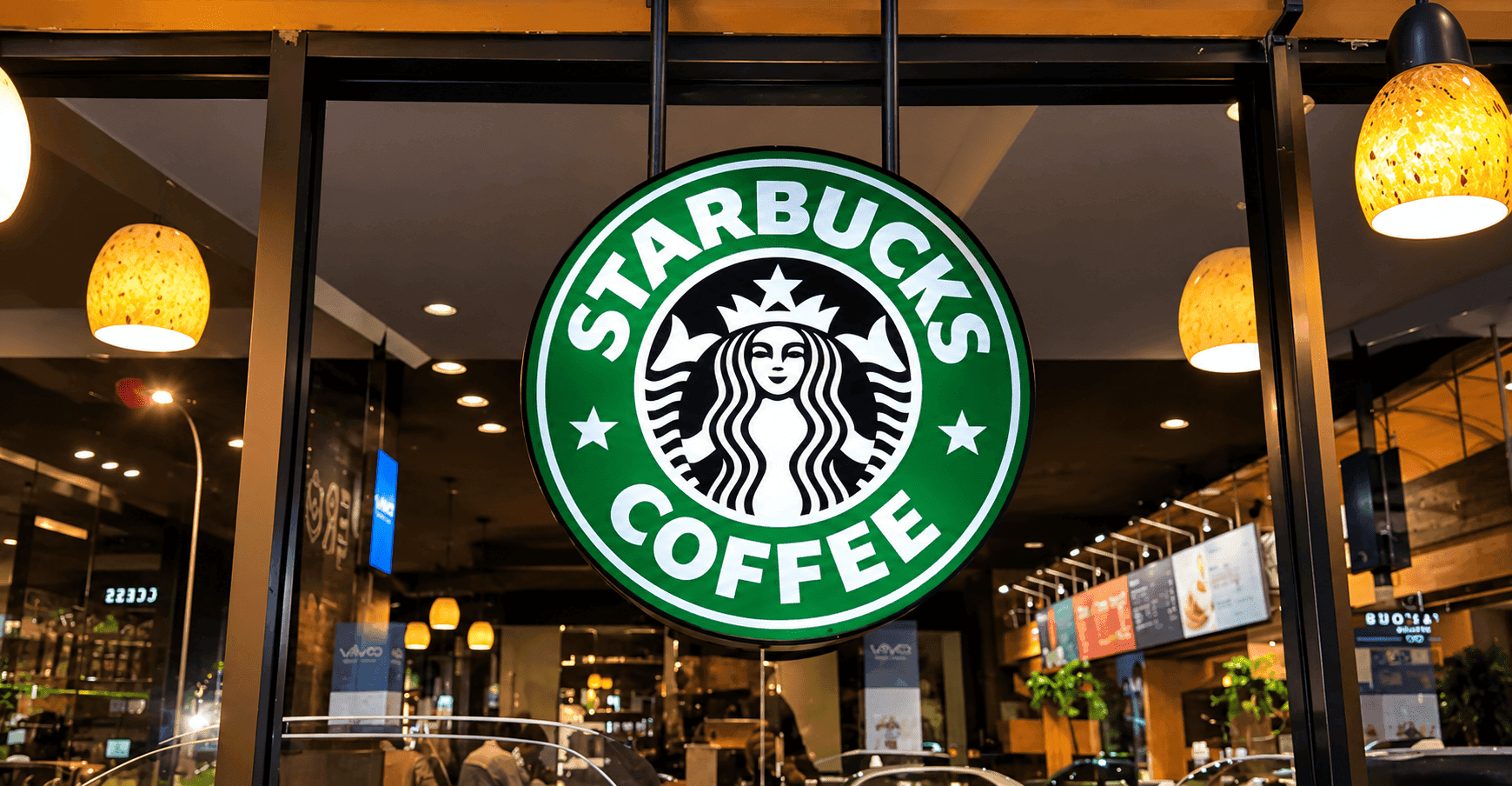
Starbucks Closes 250 Stores Amid Sales Growth
Starbucks is closing 250 North America stores even as sales climb, revealing a strategic push to trim weak locations and fund renovations.
News
Sep 25, 2026
Starbucks is closing 250 North America stores even as sales climb, revealing a strategic push to trim weak locations and fund renovations.
Sep 25, 2026
This restaurant inventory count checklist helps owners track food, beverages, packaging, and supplies, cutting waste, controlling costs, improving purchasing decisions.
Sep 23, 2026

A restaurant chart of accounts separates sales, costs, and labor, uses logical numbering, and stays maintained, producing clearer financial reports.
Sep 23, 2026

Dave Shula rejoins Shula's Restaurant Group as president, leading growth into Palm Beach Gardens and a 2027 Thomasville, Georgia expansion.
Sep 23, 2026
McDonald's commits $8.5 billion through 2036 to modernize restaurants, boost cash flow by $100,000 per store, and grow chicken and beverage sales.
Sep 23, 2026
WKS Restaurant Group promotes Jay Spongberg to president and COO after he helped grow the company from 65 to 382 restaurants over 16 years.
Sep 23, 2026

Smokey Mo's BBQ names Von Dawson, a Dine Brands veteran, as VP of Franchise Development to lead its Texas expansion strategy.
Sep 23, 2026
.png&w=3840&q=70)
Meritage Hospitality's Chapter 11 filing pulls 5% of Wendy's U.S. stores into bankruptcy, exposing cracks in franchising's bigger-is-safer bet.
Sep 21, 2026

Jack in the Box names Rachel Ruggeri to its board as Michael Murphy retires, amid a CEO transition and deal with investor GreenWood.
Sep 21, 2026

Improve restaurant Google Maps rankings by optimizing your business profile, selecting accurate categories, gathering reviews, adding photos, and strengthening local relevance signals.
Sep 21, 2026

Unlock Exclusive Access To Webinars, Events, And The Latest News For Free!
Starbucks is closing 250 North America stores even as sales climb, revealing a strategic push to trim weak locations and fund renovations.
There's something almost counterintuitive about a company pruning its footprint right as the numbers start looking good, but that's exactly what Starbucks did this week. The company announced it will shutter roughly 250 North America locations, a modest 1 percent slice of its more than 18,000-store portfolio in the region. Chief operating officer Mike Grams, who joined Starbucks from Taco Bell in January 2025 and stepped into his current role that June, said the company "carefully reviewed" its footprint to identify restaurants "we do not believe we can consistently deliver the experience we want for customers and partners or where we don't see a path to acceptable financial performance." What makes the timing notable is that North America sales are climbing, not sliding, which tells you leadership chose this moment on purpose rather than being forced into it.
Grams didn't try to soften the human weight of the decision. "Closing any coffeehouse is a difficult decision, and we know today's news will be hard for the partners, customers, and communities affected," he said. He was equally quick to frame it as ordinary housekeeping rather than a sign of trouble: "Every year we close some coffeehouses and open others as part of managing our portfolio." Then came the reassurance that this isn't a retreat from North America at all. "We remain excited about the significant long-term growth opportunity ahead in North America," Grams said. "We are actively developing a strong pipeline of new coffeehouses and remain committed to growth in North America." Closure and continued investment, side by side, that's the tension worth sitting with here.
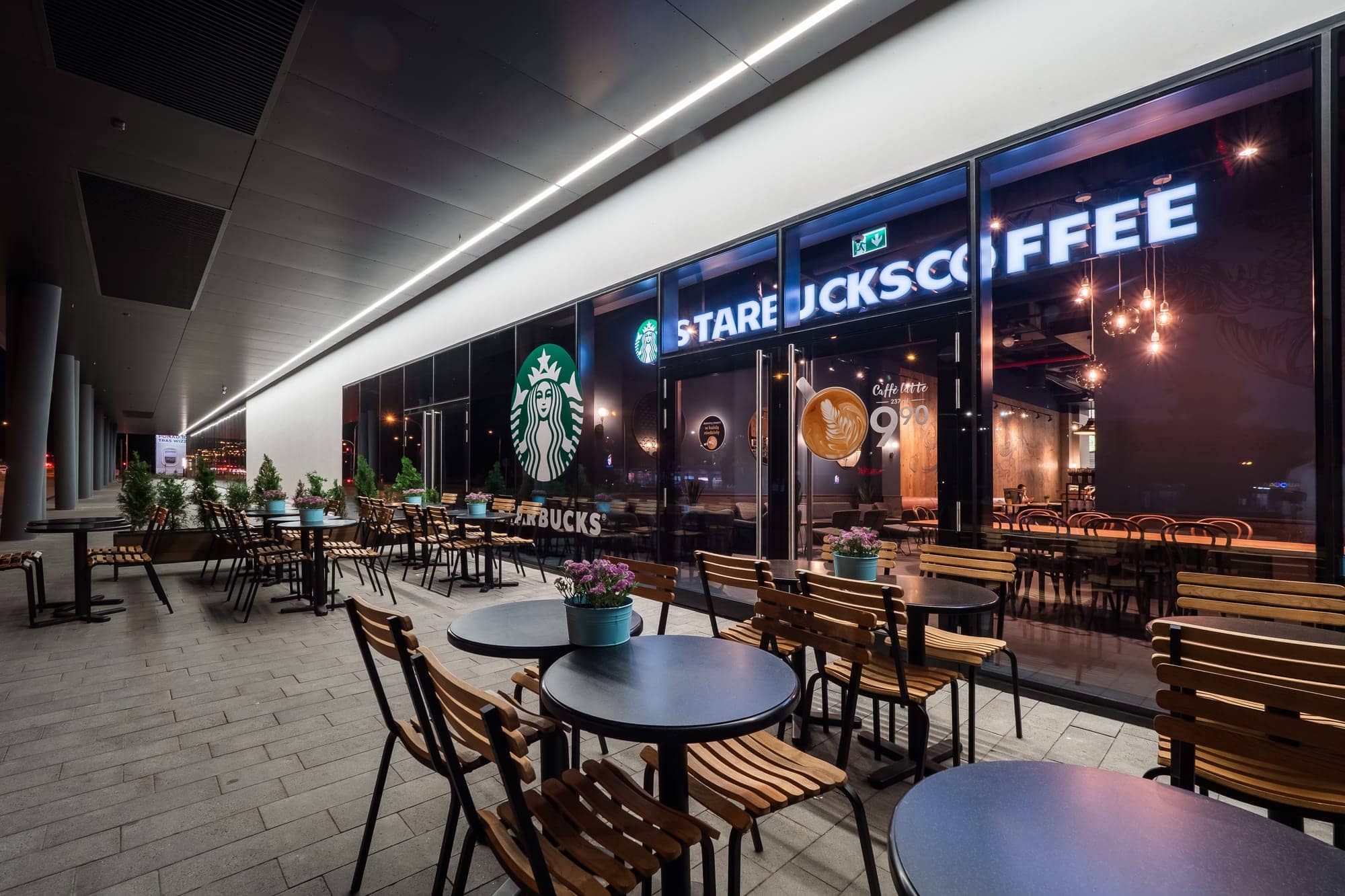
The math behind the trim tracks with a broader rationalization already underway. Starbucks opened 175 net new stores globally in the third quarter, bringing its total to 41,304 locations, with 16,933 of those in the U.S. North America overall stood at 18,371 locations, down 2 percent year over year from 18,734, so the chain had already been pulling back before this week's announcement made headlines. Running in parallel is an accelerated renovation push called "coffeehouse uplifts," targeting 1,500 locations and surpassing 1,000 completed uplifts across North America this past quarter, hitting the fiscal 2026 goal early. That's a jump from roughly 300 uplifts the prior period, meaning more than 650 restaurants got upgraded in Q3 alone, with management hinting the pace picks up further in 2027. Each uplift runs $150,000 per store and happens overnight, no downtime required, a cheaper approach built for warmth and better seating rather than the costlier remodels of years past. Digital menuboards are riding the same wave and should reach 80 to 90 percent of restaurants by the end of September, part of an effort to sharpen merchandising and grow the afternoon daypart.
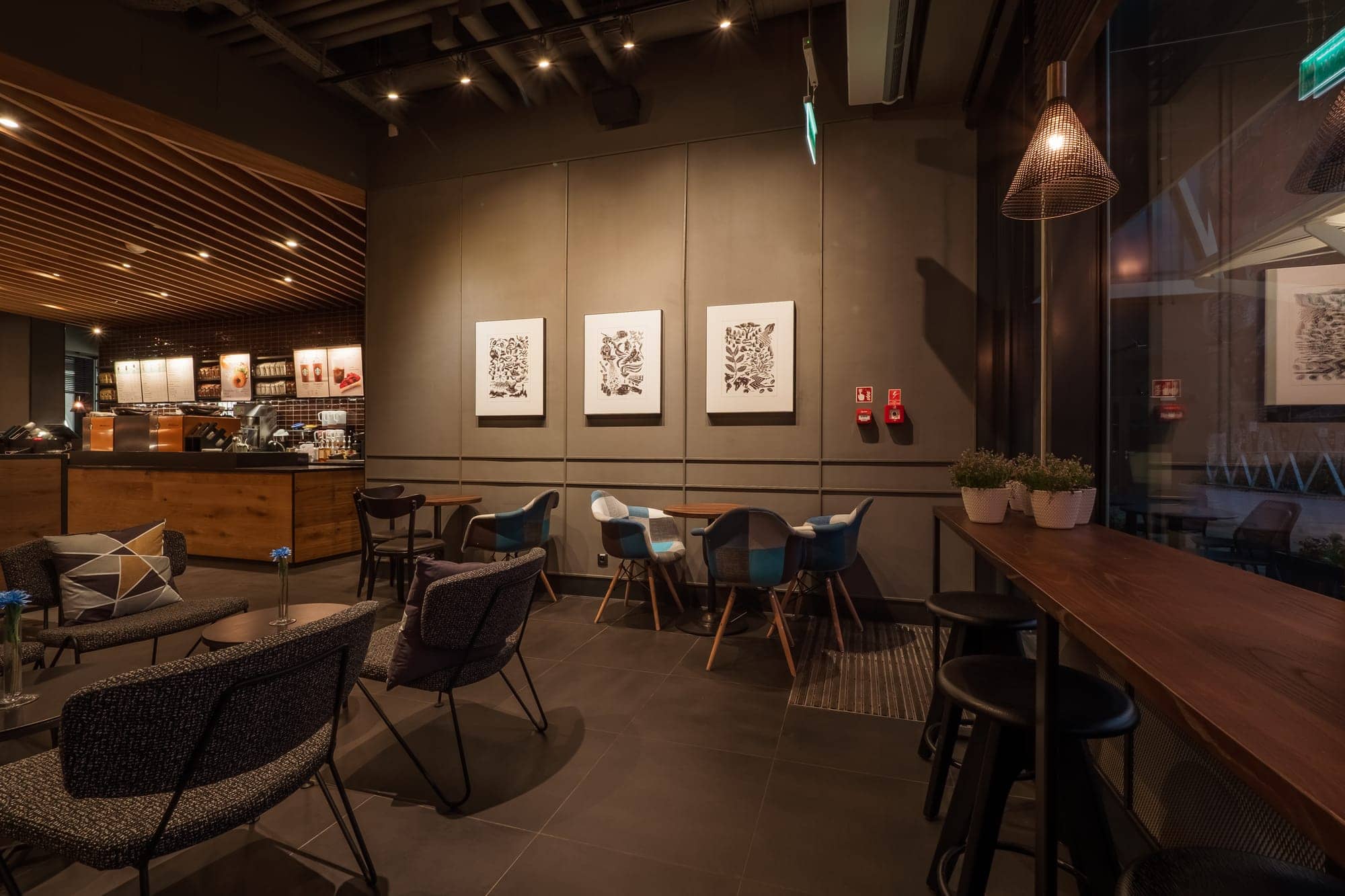
For the people caught in the middle, Starbucks says it's speaking directly with affected employees, offering transfers "wherever possible" and severance where relocation isn't an option. Grams addressed customers too, saying the company will help them keep their routines by "directing them to nearby coffeehouses." He connected the closures to the same operational overhaul behind the uplifts, crediting North America's turnaround to faster service, more consistent experiences, and "warmer, more welcoming coffeehouses," improvements that, in his telling, also made it easier for leadership to spot which stores kept lagging even as the system around them improved.
The financial backdrop helps explain why now. North America same-store sales rose 8.1 percent in the third quarter, a 6.1 percent two-year stack, following 7.1 percent growth in Q2 and a 4 percent gain to open fiscal 2026. That's a sharp reversal from the year before, when comps were flat in Q4 of fiscal 2025 and had actually declined, down 2 percent in Q3 2025, down 1 percent in Q2, down 4 percent in Q1. William Blair estimates the restructuring will cost around $300 million, most of it landing in fiscal 2026, split between $200 million in cash charges for lease terminations and severance and $100 million in non-cash charges for disposals and impairments. It will also nudge down Starbucks' growth targets. The company had planned for about 1.5 percent global net store growth in fiscal 2026 (versus 2 percent in 2025), roughly 600 to 650 net new locations. After these closures, expect that to shrink closer to 1 percent, or about 440 net new stores, with international expansion picking up the slack while North America's company-operated growth stays modest into 2027.
Not all of the sales strength is coming from thin air, either. CFO Cathy Smith told analysts on the earnings call that "a little bit less than half" of the 7.9 percent U.S. comp came from "closures, sales transfer, delivery growth," with the rest attributed to "great store performance and menu and innovation." Real gains, in other words, but a good chunk of the headline number reflects traffic consolidating into fewer, stronger stores rather than fresh demand walking through the door. Corporate and licensed locations split in opposite directions over the same stretch: the corporate business added 27 net new openings across North America, while the licensed segment lost 41 net locations, leaving licensed revenue roughly flat even as systemwide comps climbed. Starbucks is clearly holding partner-operated stores to a tighter standard than the ones it runs itself.
What's missing from the disclosures is almost as telling as what's in them. Starbucks hasn't named the markets or specific coffeehouses closing, hasn't broken down how many workers get transfers versus severance, and hasn't said whether the licensed-segment closures connect at all to the 250 company-operated stores shutting this week. The $300 million cost estimate comes from William Blair's analysts, not from Starbucks directly, worth keeping in mind before treating it as gospel. Put the pieces together, though, and a shape emerges: trim the weak links, pour money into cheap overnight renovations that pay for themselves fast, and let international markets carry the bulk of future growth while domestic expansion holds steady and modest. For the employees, regulars, and neighborhoods tied to those 250 coffeehouses, the loss is immediate and personal, even as Starbucks keeps describing it as routine upkeep across a network of more than 18,000 stores. Framed against a reaffirmed pipeline of new locations, this reads less like a company backing away from North America and more like one tightening its grip while the wind happens to be at its back.
