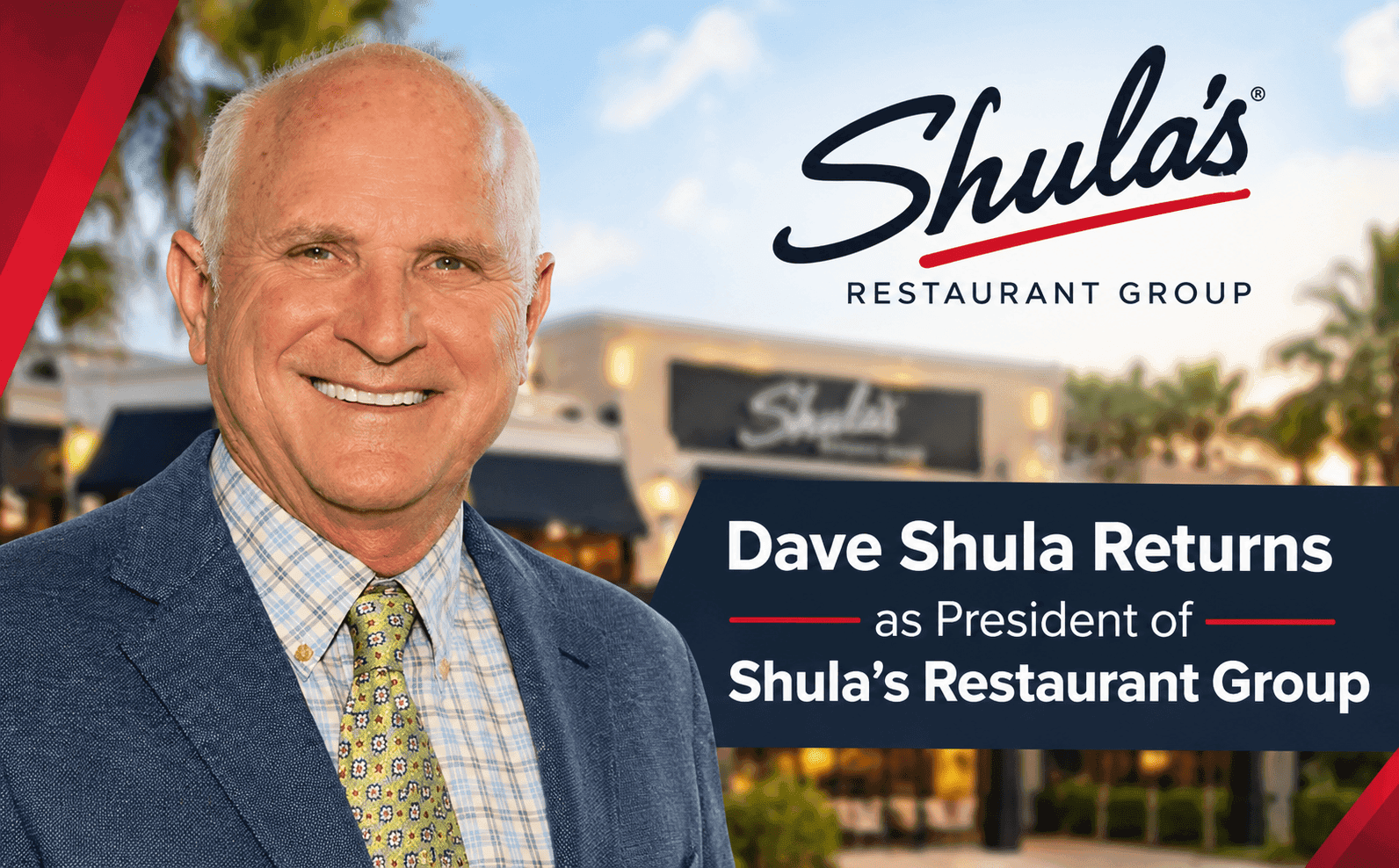
Dave Shula Returns as President of Shula's Restaurant Group
Dave Shula rejoins Shula's Restaurant Group as president, leading growth into Palm Beach Gardens and a 2027 Thomasville, Georgia expansion.
News
Sep 23, 2026

Unlock Exclusive Access To Webinars, Events, And The Latest News For Free!
McDonald's commits $8.5 billion through 2036 to modernize restaurants, boost cash flow by $100,000 per store, and grow chicken and beverage sales.
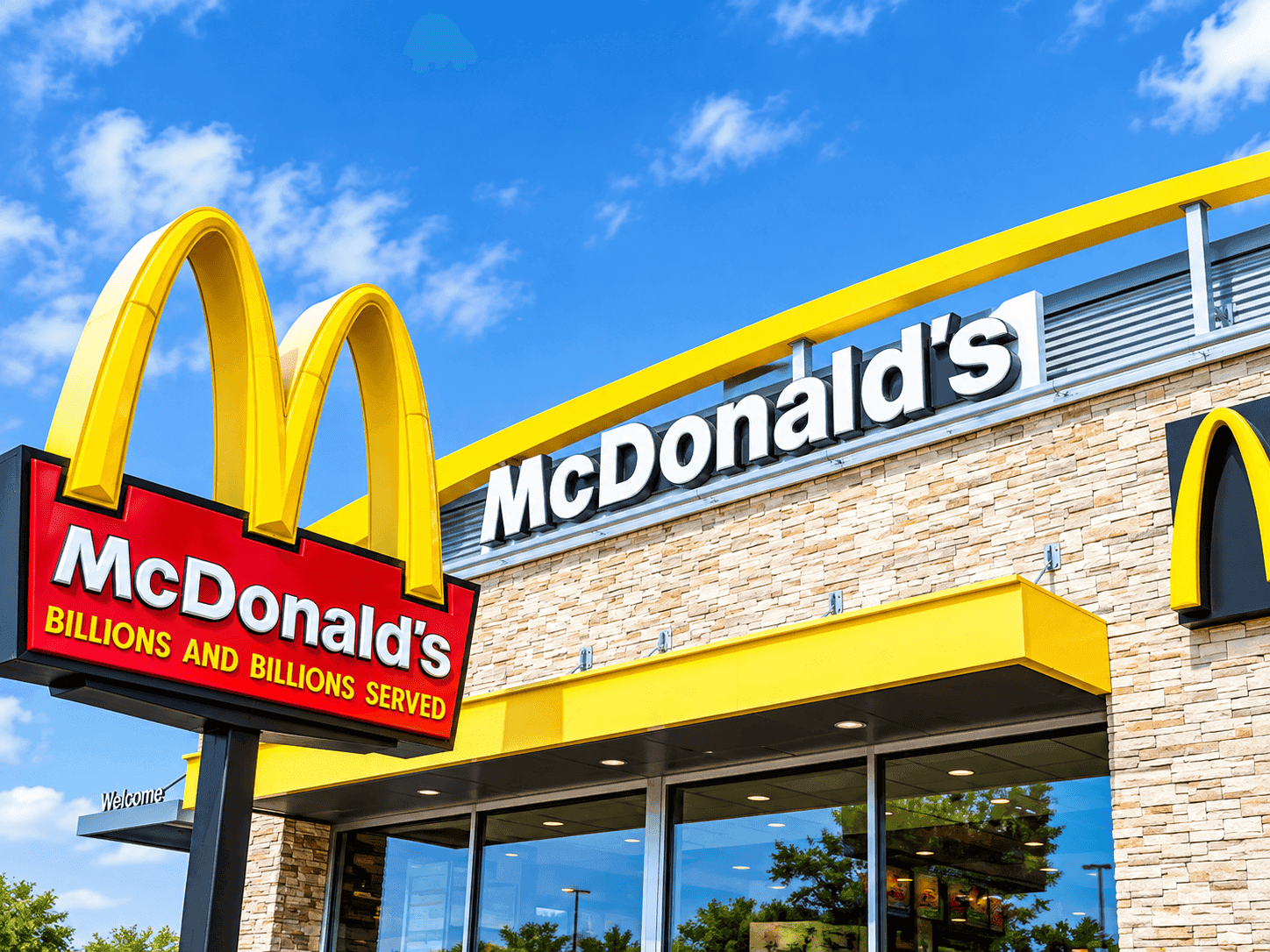
McDonald's is putting real money behind a decade-long overhaul of how its restaurants look, operate, and treat the people who walk through their doors. The company has committed roughly $8.5 billion to franchisees through 2036, with $5 billion of that arriving by 2030 through a mix of rent relief and capital support.
It's the financial spine of a strategy called NEXT, unveiled Wednesday ahead of an investor update, and it comes with a number attached that will get any franchisee's attention: an estimated $100,000 in additional annual cash flow per average U.S. restaurant once the improvements are fully in place, with owners expected to recoup their share of the investment in about four years.
Chairman and CEO Chris Kempczinski framed the whole effort not as a scramble to catch up but as a chance to lean into strengths the company already has. "McDonald's has the unmatched scale, customer insights, brand loyalty, and operational capabilities to not only adapt to the next wave of change in our industry, but to turn it into an advantage," he said.
That's a notable choice of words for a company operating more than 46,000 restaurants worldwide, roughly 95 percent of them owned and run by independent local operators. Nearly all of NEXT's success depends on those owners actually adopting what's being offered, which is likely why McDonald's built in flexibility rather than a single rollout date.
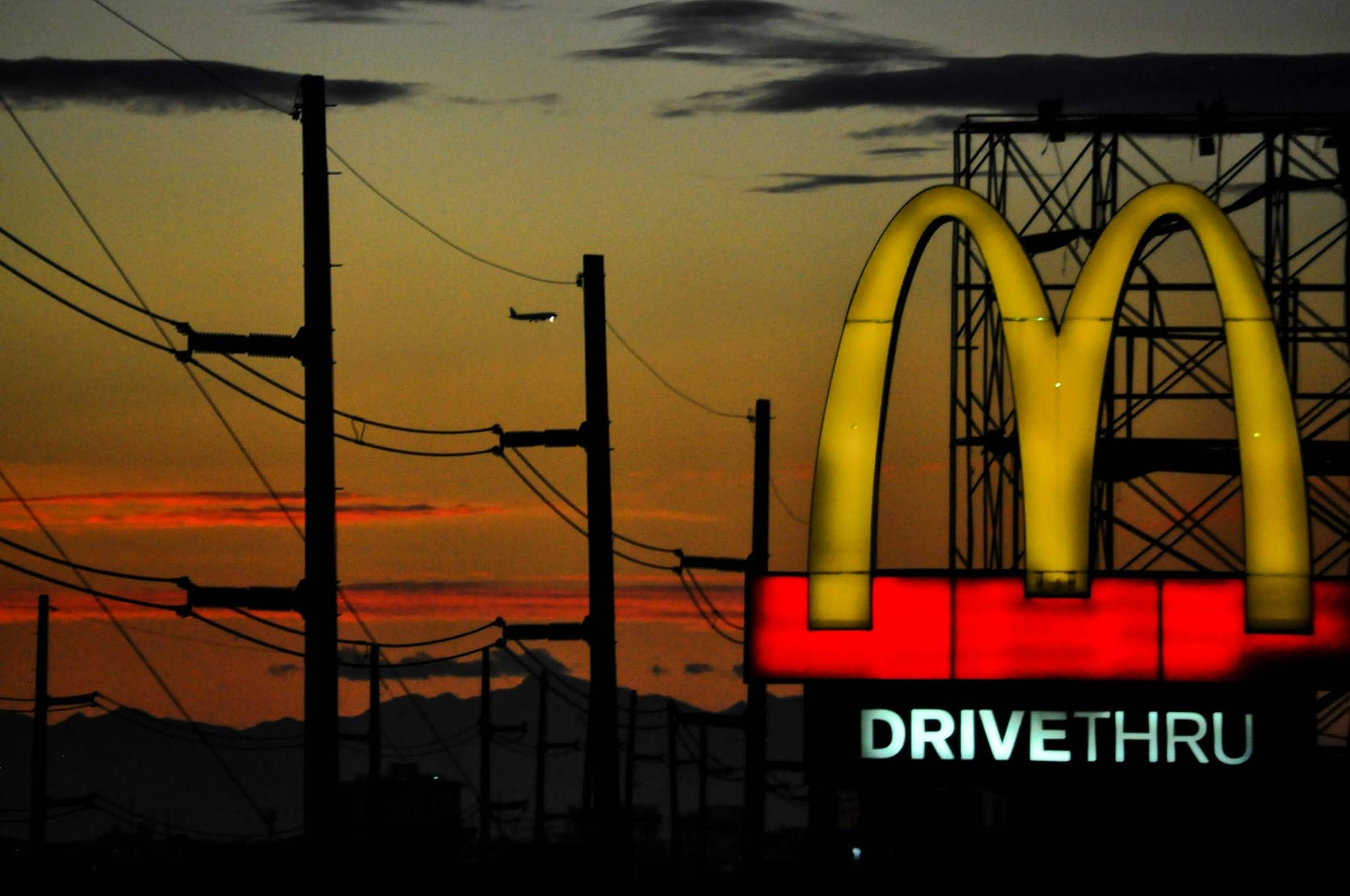
On the restaurant side, NEXT is about simplifying daily operations, refreshing physical designs, and tightening consistency, all supported by ArchIQ, a system the company describes as powered by generative AI.
Rather than mandate one rollout schedule across a footprint this large and varied, individual markets will set their own pace based on local needs and how much capacity franchisees have to absorb the changes. Tying the financial support to a four-year payback window feels like a deliberate way to de-risk the investment for owners while still encouraging faster adoption. The heavy emphasis on ArchIQ suggests McDonald's sees AI-driven efficiency, not remodels alone, as the real lever for closing the gap toward that $100,000 per-restaurant target.
The ambitions extend well past the building itself. McDonald's wants better food quality, fresh menu innovation to drive extra visits, and more personalized guest relationships built on customer data, with hospitality getting more weight at every point of contact.
A companion program called Make It Golden launches October 5, aiming to unify food and service standards across the system. The company has also set numbers it can be held to: a 1.5 percentage point gain in both chicken and beverage market share by 2030, alongside a defense of its existing beef leadership. It hasn't said exactly which menu items will get it there, though a new mixed beverage lineup and Spicy McNuggets hint at the direction. Naming chicken and beverages as distinct battlegrounds, separate from its traditional beef stronghold, signals McDonald's views those categories as where the real competitive pressure sits.
The financial targets read less like aspiration and more like a scorecard. McDonald's expects operating margin to climb into the low-to-mid 50 percent range by 2030, alongside roughly 250 basis points of gross restaurant-level efficiency gains across U.S. and International Operated Markets.
Restaurant expansion is projected to add nearly 2.5 percent to systemwide sales growth in 2027, easing to about 2 percent by 2030 as newer locations mature. Between 2027 and 2030, the company anticipates roughly $3 billion in baseline annual capital expenditures, layered on top of $1.5 billion to $2 billion in cumulative capital support earmarked specifically to speed restaurant upgrades. It's also targeting general and administrative expenses near 1.9 percent of systemwide sales and free cash flow conversion in the mid-to-high 80 percent range by 2030. Attaching this much specificity to category-level goals and companywide financial benchmarks alike suggests McDonald's wants investors treating NEXT as something measurable, not a vague modernization pitch.
The scale underlying all of this is hard to overstate. McDonald's serves more than 70 million customers daily and counts nearly 220 million loyalty members active within the past 90 days across 70 markets, a base large enough to test personalization efforts and actually measure whether hospitality-focused changes move anything.
That same scale is why the $8.5 billion runs out to 2036 rather than landing all at once. Modernizing a system built on tens of thousands of independently owned restaurants takes sustained backing, not a quick infusion, and letting markets set their own sequencing is really an admission that uniform change can't be mandated overnight across a chain this size.
What's missing is any early proof that it's working. McDonald's hasn't detailed which specific products will drive the chicken and beverage share gains, and because most of the cash flow benefit is expected to build gradually rather than show up right away, franchisees and investors alike will be watching a slow rollout unfold market by market.
That patience requirement cuts both ways: it protects the company from overpromising short-term results, but it also means the clearest evidence of whether NEXT delivers on its $100,000 promise won't arrive for years. For now, McDonald's has made its bet and put a number on the table. Whether that number holds up through 2030 will say more about this strategy than anything in Wednesday's announcement.

.png&w=3840&q=70)