
How to Organize a Restaurant Chart of Accounts
A restaurant chart of accounts separates sales, costs, and labor, uses logical numbering, and stays maintained, producing clearer financial reports.
Accounting
Sep 23, 2026
A restaurant chart of accounts separates sales, costs, and labor, uses logical numbering, and stays maintained, producing clearer financial reports.
Sep 23, 2026
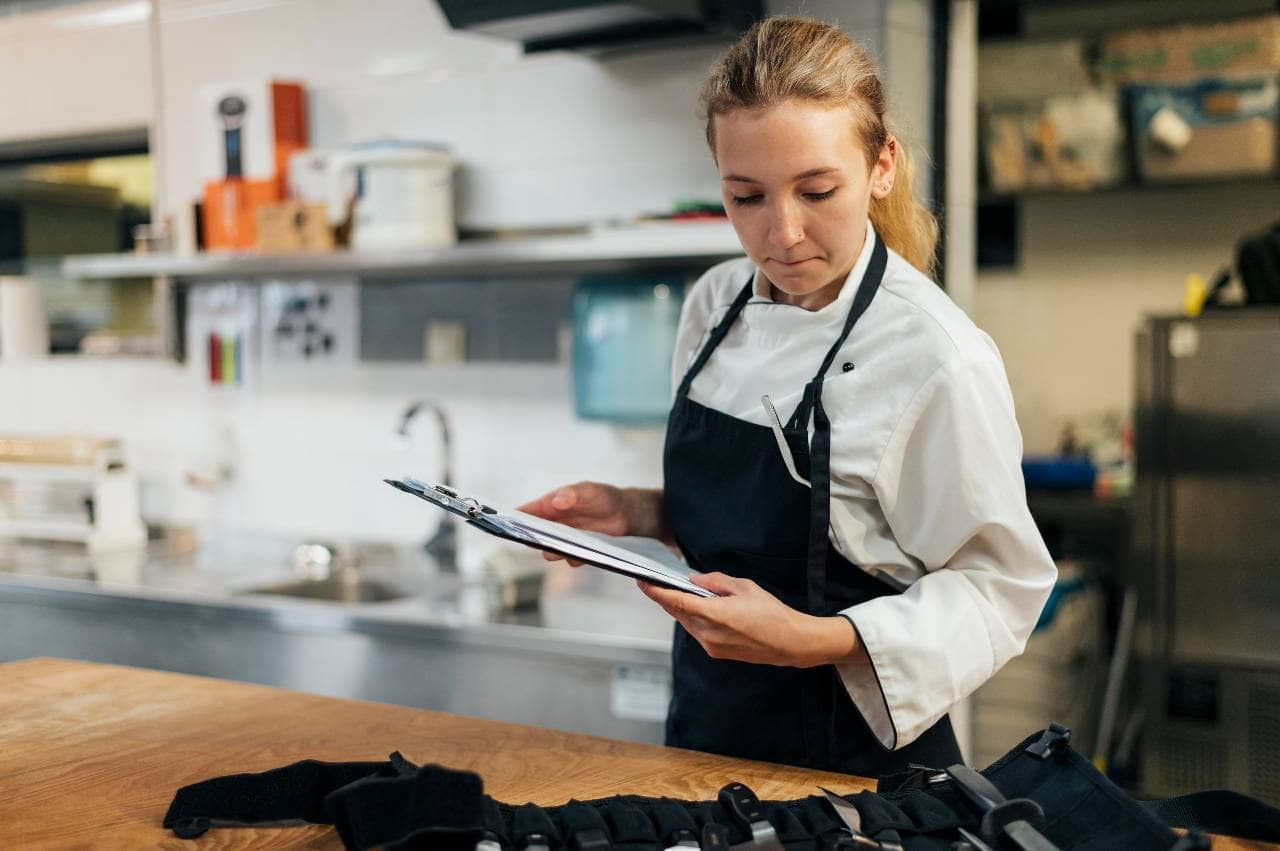
This restaurant inventory count checklist helps owners track food, beverages, packaging, and supplies, cutting waste, controlling costs, improving purchasing decisions.
Sep 23, 2026

Dave Shula rejoins Shula's Restaurant Group as president, leading growth into Palm Beach Gardens and a 2027 Thomasville, Georgia expansion.
Sep 23, 2026

McDonald's commits $8.5 billion through 2036 to modernize restaurants, boost cash flow by $100,000 per store, and grow chicken and beverage sales.
Sep 23, 2026

WKS Restaurant Group promotes Jay Spongberg to president and COO after he helped grow the company from 65 to 382 restaurants over 16 years.
Sep 23, 2026

Smokey Mo's BBQ names Von Dawson, a Dine Brands veteran, as VP of Franchise Development to lead its Texas expansion strategy.
Sep 23, 2026
.png&w=3840&q=70)
Meritage Hospitality's Chapter 11 filing pulls 5% of Wendy's U.S. stores into bankruptcy, exposing cracks in franchising's bigger-is-safer bet.
Sep 21, 2026

Jack in the Box names Rachel Ruggeri to its board as Michael Murphy retires, amid a CEO transition and deal with investor GreenWood.
Sep 21, 2026
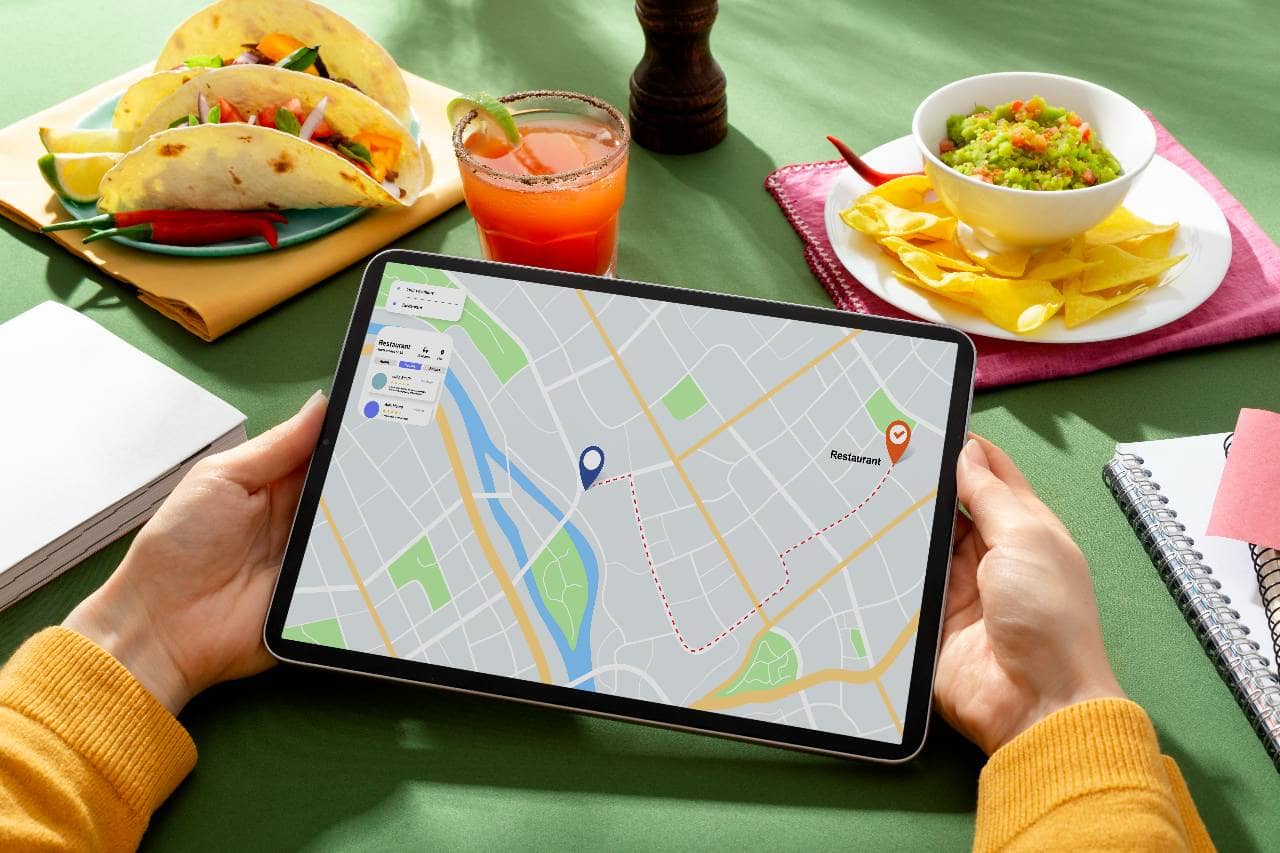
Improve restaurant Google Maps rankings by optimizing your business profile, selecting accurate categories, gathering reviews, adding photos, and strengthening local relevance signals.
Sep 21, 2026

Restaurant inventory tracking helps owners monitor stock, control food costs, reduce waste, improve purchasing, and make informed operational decisions.
Sep 21, 2026

Unlock Exclusive Access To Webinars, Events, And The Latest News For Free!
This restaurant inventory count checklist helps owners track food, beverages, packaging, and supplies, cutting waste, controlling costs, improving purchasing decisions.
A restaurant inventory count is the process of physically measuring and recording everything a restaurant has in stock. This includes food ingredients, beverages, packaging, cleaning supplies, and other operating supplies. An accurate inventory count gives restaurant owners a clear view of what is available, what needs to be reordered, and where inventory may be getting lost or wasted. A proper inventory count should cover more than just food. Restaurants should create clear inventory categories and count each category consistently. Identify Every Inventory Category Start by organizing inventory into categories such as - 1. Food and ingredients - Produce, meat, seafood, dairy, frozen foods, dry goods, sauces, spices, and prepared ingredients. 2. Beverages - Bottled drinks, canned drinks, coffee, tea, juices, mixers, beer, wine, and spirits. 3. Packaging - Takeout containers, cups, lids, bags, utensils, napkins, and food labels. 4. Cleaning supplies - Sanitizers, detergents, degreasers, gloves, paper towels, and trash bags. 5. Operating supplies - Smallwares, food-storage containers, office supplies, uniforms, and other consumable items. Categorizing inventory makes the counting process more organized and reduces the risk of overlooking frequently used products. Standardize Units of Measurement Each item should have a consistent counting method. For example, produce may be counted by pounds or cases, beverages by bottles or cases, and packaging by individual units or boxes. Consistent measurements make inventory data easier to compare from one count to the next. Record More Than Quantity An effective inventory count should capture the item name, quantity, unit of measure, cost, storage location, and condition when applicable. Expired, damaged, or unusable products should be identified rather than included as usable inventory. A standardized process also makes it easier to compare physical inventory against purchasing and usage records. When counts are performed consistently, restaurant owners can identify inventory discrepancies, improve purchasing decisions, monitor waste, and maintain better control over restaurant costs.
Food is usually your biggest inventory expense and your biggest opportunity to catch problems early. This checklist is organized by storage type and follows a typical walk-through - walk-in cooler, freezer, then dry storage. Adjust the items to match your menu, and keep the order consistent from count to count. Proteins - Meat, Poultry, and Seafood Proteins are typically your most expensive and most perishable food items, so they deserve the most careful counting. 1. Beef - steaks, ground beef, roasts, and specialty cuts 2. Pork - chops, bacon, sausage, ham, and ribs 3. Poultry - whole birds, breasts, thighs, wings, and ground poultry 4. Seafood - fresh fish, shellfish, and frozen seafood 5. Deli meats and cured items - sliced meats, salami, and prepared proteins How to count - - Count by weight (pounds or ounces) rather than by piece, since portion sizes vary - Weigh partial cases and opened packages instead of estimating - Record use-by dates and pull anything close to expiring for use or discounting - Have a second person verify high-value items like steaks and seafood Fresh Produce and Perishables Produce spoils quickly and prices swing with the season, so count it often and keep quantities tight. 1. Leafy greens and herbs - lettuce, spinach, arugula, basil, cilantro, parsley 2. Vegetables - onions, tomatoes, peppers, potatoes, carrots, mushrooms 3. Fruit - citrus, berries, apples, avocados, and other seasonal items 4. Other refrigerated items - fresh pasta, tofu, and prepared salads How to count - - Use cases, bags, or pounds, depending on how you order - Check quality as you count - wilting, bruising, mold, and soft spots - Note items that will not last until the next delivery so they can be used first or featured as a special - Track waste separately, since produce often has the highest spoilage rate Dairy and Eggs 1. Milk and cream - whole, low-fat, half-and-half, heavy cream, and non-dairy alternatives 2. Butter and margarine 3. Cheese - block, shredded, sliced, and specialty cheeses 4. Yogurt, sour cream, and cream cheese 5. Eggs - shell eggs, liquid eggs, and egg whites How to count - - Count by gallon, pound, case, or dozen, based on your ordering unit - Track expiration dates closely, since dairy has a short shelf life - Weigh open blocks of cheese and partial containers of high-cost items - Separate specialty cheeses and other pricey items on your count sheet so their value is clear Frozen Items 1. Frozen proteins - portioned meats, seafood, and poultry 2. Frozen vegetables and fruit 3. Prepared frozen items - french fries, breaded items, dough, and desserts 4. Ice cream and frozen dessert ingredients How to count - - Count by case, bag, or pound, and note how many units each case contains - Look for freezer burn, ice crystals, and torn packaging, which signal quality loss - Keep a clear label and date on anything you have repackaged or portioned in-house - Do not let freezer stock become a place where forgotten items sit for months Dry Goods and Shelf-Stable Items 1. Grains and starches - rice, pasta, flour, cornmeal, oats, and bread crumbs 2. Baking supplies - sugar, baking powder, yeast, chocolate, and extracts 3. Canned and jarred goods - tomatoes, beans, broths, pickles, and olives 4. Bread and baked goods - buns, tortillas, rolls, and pastries 5. Snacks and other shelf-stable items - chips, nuts, crackers, and dried fruit How to count - - Count by case, bag, can, or pound, using your standard units - Check for pests, moisture, and damaged packaging - Record expiration or best-by dates, especially on canned goods and baking supplies - Keep bulk items in labeled, sealed containers so counts stay consisteny
Beverages often carry higher margins than food, but they are also easier to lose track of. Pours vary, bottles are opened and left partly full, and loss can hide behind a busy bar. A consistent beverage count protects those margins. Count the bar and beverage stations in the same order every time, and separate the bar from the back-of-house storage so you know where each item lives. Liquor, Wine, and Beer 1. Spirits - vodka, gin, rum, tequila, whiskey, and other well, call, and premium brands 2. Liqueurs and cordials - triple sec, amaretto, vermouth, bitters, and specialty items 3. Wine - bottles by label and vintage, plus house wine sold by the glass 4. Bottled and canned beer - counted by brand and package size 5. Draft beer - kegs on tap, kegs in storage, and any partial kegs How to count - - Count sealed bottles and cases by each or case, noting how many units per case - Record open bottles as a fraction of the full bottle (tenths work well) or by weight - Count kegs by size (half barrel, sixth barrel, etc.), and track how full the tapped keg is - Keep high-cost items, such as premium spirits and rare wines, on separate lines so their value is obvious - Check locked storage and back stock so nothing is missed - Use two people for liquor counts, one at the bar and one at the sheet if possible Non-Alcoholic Beverages 1. Bottled and canned drinks - water, soda, sparkling water, and energy drinks 2. Soda system supplies - bag-in-box syrup, CO2 tanks, and any connected fountain products 3. Juices - orange, cranberry, pineapple, and other juices and concentrates 4. Mixers - tonic, club soda, ginger beer, sour mix, simple syrup, and grenadine 5. Milk and dairy alternatives used for drinks (count these here or with your food dairy count, but not both) How to count - - Count sealed items by case or each, and open containers by fraction or volume - Note the remaining amount in syrup boxes and CO2 tanks so you can order before they run out - Check dates on juices, dairy, and fresh-squeezed items, which spoil faster than shelf-stable mixers Coffee, Tea, and Specialty Drink Ingredients 1. Coffee - whole bean, ground, decaf, and cold brew concentrate 2. Tea - bags, loose leaf, and bottled or ready-to-drink tea 3. Flavorings - syrups, sauces, and powders 4. Toppings and add-ins - whipped cream, sweeteners, creamers, and cocoa How to count - - Count coffee and loose tea by pound or bag, and weigh opened bags - Count syrups and sauces by bottle, with open bottles noted as a fraction - Watch freshness and best-by dates on coffee beans and dairy-based items - If you offer a large specialty drink menu, track each high-volume ingredient separately Bar Garnishes and Consumables 1. Fresh garnishes - lemons, limes, oranges, cherries, olives, mint, and cucumbers 2. Bar consumables - cocktail napkins, stirrers, picks, straws, and rimming salts or sugars 3. Ice - if purchased rather than made in-house, track bags or delivery quantities How to count - - Count fresh garnishes by each or pound, and check quality - Track fast-moving consumables by case or package - Consider a smaller, more frequent count for garnishes, since they spoil quickly and are used constantly Measuring Open Bottles Accurately Partial bottles are where beverage counts usually go wrong. Pick one method and use it every time - 1. Tenths method - Visually estimate how full the bottle is in tenths (for example, 0.3 or 0.7). It is fast, but it takes practice and consistency. 2. Weight method - Weigh the open bottle, subtract the weight of the empty bottle, and convert the result to volume. It takes longer but is more precise, especially for expensive spirits. 3. Marked or measured method - Use a tool or marked gauge designed for measuring liquid levels in bottles. Whichever method you choose, have counters practice together so their estimates match. Mixing methods or using different standards among counters creates variances that are not real.

Ingredients and prep items are the easiest inventory to overlook. Pantry staples get used a little at a time, and prepped items live in unlabeled containers on the line and in the walk-in. Together, though, they can represent a meaningful share of your food cost. One rule keeps the count clean - each item should appear on your count sheet in only one place. If flour is already on your dry goods list, don't count it again here. Use this section for the items that don't fit neatly into your main food categories. Pantry Staples These are the everyday ingredients that support nearly every dish. Individually they look cheap, but they are used constantly and are easy to over-order. 1. Oils and fats - olive oil, canola or vegetable oil, fryer oil, shortening, and cooking sprays 2. Vinegars and acids - balsamic, red wine, rice, and cider vinegars, plus cooking wines 3. Spices and seasonings - salt, pepper, dried herbs, spice blends, and rubs 4. Sauces and condiments - ketchup, mustard, mayonnaise, hot sauce, soy sauce, dressings, and marinades 5. Sweeteners and baking basics - flour, sugar, honey, syrups, and similar items (if not already counted with dry goods) 6. Thickeners and cooking aids - cornstarch, gelatin, stock bases, and bouillon How to count - - Count sealed items by case, bottle, or each, and open containers by fraction or weight - Count bulk oils and fryer oil by gallon, jug, or container, and note oil that is due to be changed - Track spices by container or pound, since many restaurants overspend on them without noticing - Watch for duplicate open containers of the same item in different stations, and consolidate them so nothing is counted twice or left to go stale - Check dates on sauces, dressings, and condiments once opened Prepped and Batched Items Prepped items are ingredients you have already spent labor and product on - stocks, sauces, marinades, doughs, cut vegetables, and portioned proteins. They are real inventory, but they are often left out of counts because they are hard to measure and value. Leaving them out understates your ending inventory and inflates your food cost. 1. Stocks, soups, and broths 2. House-made sauces, dressings, and marinades 3. Doughs, batters, and bread items 4. Cut, portioned, or par-cooked ingredients - diced onions, sliced vegetables, portioned proteins, and cooked grains 5. Desserts and components made in-house How to count - - Use a consistent unit for each item, such as quarts, pounds, portions, or full batches - Label every container with the item name, date prepared, and quantity so counters do not have to guess - Decide as a team whether you count prep at the end of the night or exclude short-lived items that will be used the next day, and follow that rule every time - Discard anything past its safe hold time and record it as waste How to value prep items The simplest approach is to calculate a cost per unit from the recipe - Total cost of ingredients / usable yield = cost per unit For example, if the ingredients for a batch of sauce cost $24.00 and the batch yields 8 quarts, the sauce is valued at $3.00 per quart. Multiply that by the number of quarts on hand to get its inventory value. Keep these costs in a simple prep-cost list and update them when ingredient prices change meaningfully. Remember to use the usable yield, after trim, cooking loss, or evaporation, not the starting weight. Shelf Life and Rotation (FIFO) Counting is a chance to check the condition of everything on your shelves. A few habits keep waste low - 1. First in, first out (FIFO) - Place new deliveries behind older stock so older product is used first. 2. Label everything you repackage or open with the date and contents. If a container is unlabeled, it is a guess, and guesses turn into waste. 3. Know your hold times. Set clear shelf-life guidelines for prepped and opened items, and post them where staff can see them. 4. Flag near-dated items during the count and communicate them to the kitchen so they can be used in specials, staff meals, or menu features. 5. Check for signs of trouble - off smells, leaks, bulging cans, discoloration, or pest activity. 6. Review slow movers. Items that sit untouched from count to count are candidates for smaller orders or removal from the menu.
Packaging is one of the most overlooked costs in a restaurant. Each container, lid, and bag looks inexpensive on its own, but with takeout and delivery, these items can add up to a meaningful expense. They are also easy to run out of at the worst possible moment, such as a Friday night rush with a full queue of delivery orders. Counting packaging regularly helps you control costs and keep service running smoothly. Takeout and Delivery Packaging 1. Containers - clamshells, plastic and paper bowls, soup cups, and compartment trays 2. Lids and covers - matched to each container size 3. Bags - paper or plastic carryout bags, delivery bags, and pizza boxes 4. Utensils and condiments - cutlery, cutlery kits, sauce cups, and condiment packets 5. Tamper-evident seals and stickers - commonly used for delivery orders How to count - - Count by case, sleeve, or each, and note how many units each case contains - Count containers and their matching lids separately, since they are often ordered and used at different rates - Track each size on its own line, because a shortage of one size can stall an order even when others are fully stocked - Note which items are used mainly for delivery and which are used for takeout, since delivery often uses more packaging per order Cups, Straws, Napkins, and Paper Goods 1. Cups - hot cups, cold cups, portion cups, and to-go beverage cups in each size 2. Cup lids and sleeves - counted separately from the cups 3. Straws and stirrers - if not already counted at the bar 4. Napkins - dining room napkins and to-go napkins 5. Paper goods - paper plates, bowls, trays, liners, and paper towels used for service How to count - - Count by case or sleeve, and estimate partial cases consistently, using the same method each time - Keep sizes and types separate, such as 12 oz and 16 oz cups - Check that stock is stored off the floor and away from moisture, since damaged paper goods cannot be used or returned - Check dining room and service station stock as well as back storage, because product gets spread out across several locations Foils, Wraps, Labels, and Branded Packaging 1. Food wraps and sheets - aluminum foil, plastic wrap, parchment, butcher paper, and sandwich wrap 2. Food storage supplies - deli containers, portion cups, zip bags, and vacuum-seal bags 3. Labels and date tags - used for prep containers, storage, and delivery orders 4. Printer supplies - receipt paper, ticket rolls, and label rolls 5. Branded packaging - custom bags, boxes, cups, stickers, or menus with your logo How to count - - Count wraps and foils by roll or box, and check the remaining length on any open roll that is close to running out - Count labels and receipt paper by roll, since running out can stop orders from printing - Track branded and custom items separately, since they usually have longer lead times, higher minimum order quantities, and higher unit costs than generic supplies - Order custom packaging early enough to cover your longest supplier lead time Tracking Usage Against Order Volume Packaging usage should move in step with your sales. Comparing the two helps you spot waste, over-ordering, and gaps in your par levels. 1. Calculate usage. beginning inventory + purchases - ending inventory, for each packaging item. 2. Compare it to order volume. look at the number of takeout and delivery orders over the same period from your POS or delivery platforms. 3. Work out usage per order. divide the packaging used by the number of orders to get an average, such as containers or bags per order. 4. Watch for changes. a sudden rise in usage per order can mean staff are over-packaging, using the wrong sizes, or taking items for personal use.
Cleaning supplies and other non-food items rarely get the attention that food and beverage do, but running out of sanitizer or dish machine chemical can stop your kitchen just as quickly as running out of chicken. Smallwares, linens, and uniforms also wear out or disappear over time, and replacing them is a real cost. A simple counting routine keeps these items stocked without letting them balloon into an overstocked closet. Cleaning Chemicals and Sanitation Supplies 1. Sanitizers and disinfectants - surface sanitizer, no-rinse sanitizer, and test strips 2. Dish machine supplies - detergent, rinse aid, and machine sanitizer or delimer 3. Manual dishwashing supplies - dish soap, scrub pads, sponges, and brushes 4. General cleaners - degreaser, glass cleaner, floor cleaner, oven and grill cleaner, and drain products 5. Hand soap and hand sanitizer - for kitchen, bar, and restroom dispensers 6. Trash liners and waste supplies - liners in each size, plus bags for recycling and compost 7. Pest control and other maintenance supplies - traps, sprays, and similar items, if you handle these in-house How to count - - Count sealed items by case, jug, or each, and open containers by fraction - Track concentrated chemicals by container size and remember that one container may last for many dilutions - Keep test strips on your list, since expired or missing strips can put you out of compliance with sanitizing requirements - Check dispensing systems to see how much remains in wall-mounted units and buckets - Store chemicals away from food and labeled clearly, following the safety data sheets and local health code requirements Paper Products and Disposable Kitchen Supplies 1. Restroom supplies - toilet paper, paper towels, seat covers, and feminine hygiene products 2. Kitchen paper products - paper towels, wipe cloths, and towel dispensers refills 3. Gloves - vinyl, nitrile, or other food-safe gloves, counted by size 4. Hairnets, beard covers, and disposable aprons 5. Bandages and other basic first aid items How to count - - Count by case, roll, box, or each, keeping glove sizes on separate lines - Include supplies stored in restrooms, service stations, and back-of-house closets so nothing is missed - Watch usage patterns. A sudden jump in glove or paper towel use can point to waste or overuse Smallwares, Glassware, and Dinnerware Smallwares are the tools and serving pieces of your operation. They break, wear out, and disappear, so a periodic count shows you what you are really losing and what you need to replace. 1. Kitchen tools - knives, tongs, spatulas, ladles, whisks, thermometers, and cutting boards 2. Cookware and bakeware - pots, pans, sheet trays, hotel pans, and inserts 3. Food storage containers - cambros, lids, deli containers, and squeeze bottles 4. Glassware - wine glasses, pint glasses, rocks glasses, and stemware 5. Dinnerware - plates, bowls, and serving dishes 6. Flatware - forks, knives, and spoons How to count - - Count by each or dozen, grouped by type and size - Do a full count quarterly or twice a year, rather than every period - Compare the count to your par levels or to the previous count to see how many pieces you have lost - Log breakage and damage as it happens, so you know whether losses come from normal wear, poor handling, or missing items - Look at trends. If flatware or specific glassware keeps disappearing, consider adjusting how items are cleared, stored, or handed out Uniforms, Linens, and Other Operating Supplies 1. Uniforms and aprons - shirts, chef coats, hats, and aprons, counted by size 2. Linens - tablecloths, napkins, bar towels, and kitchen towels (whether owned or rented) 3. First aid supplies - kits, burn care, bandages, and eye wash, checked for expiration dates 4. Safety and maintenance items - fire extinguisher tags, spill kits, wet floor signs, and light bulbs 5. Office and POS supplies - pens, paper, markers, cash register supplies, and cash bags How to count - - Count uniforms and linens by each, and reconcile them against any linen service delivery slips - Check first aid supplies for expiration dates and refill them as needed - Keep a simple sign-out system for uniforms and keys so you know who has what - Count office and safety items less often, since these rarely have a large impact on costs

A count only pays off when you act on it. Once the numbers are in, turn them into decisions. Set Par Levels and Reorder Points A par level is the amount you want on hand after a delivery. A reorder point is the level that triggers a new order. Base both on weekly usage, delivery frequency, and supplier lead time, with a small buffer for perishables. Review them quarterly, or whenever sales shift. Calculate Usage, Variance, and COGS For each item or category, work out - 1. Actual usage. beginning inventory + purchases - ending inventory 2. Theoretical usage. what your sales and recipes say you should have used 3. Variance. actual usage minus theoretical usage 4. COGS %. cost of goods sold / sales Start with high-cost items like proteins and liquor, where a small variance costs the most. Identify Patterns Compare several counts rather than judging one. Repeated variances on the same item often point to over-portioning, waste, receiving errors, or unrecorded loss. Keep a waste log so you can separate recorded waste from unexplained loss. Turn Data into Action 1. Ordering - trim orders for slow movers and raise pars for fast ones 2. Menu - reprice or re-portion dishes whose ingredient costs have crept up 3. Vendors - use usage history to negotiate pricing, compare suppliers, and consolidate orders Count on the same day, in the same order, with the same people. Enter results promptly, review variances within a day or two, and assign follow-up. Consistency matters more than perfection.
