

Amazon Swaps Grubhub for Uber Eats in Prime Shake-Up
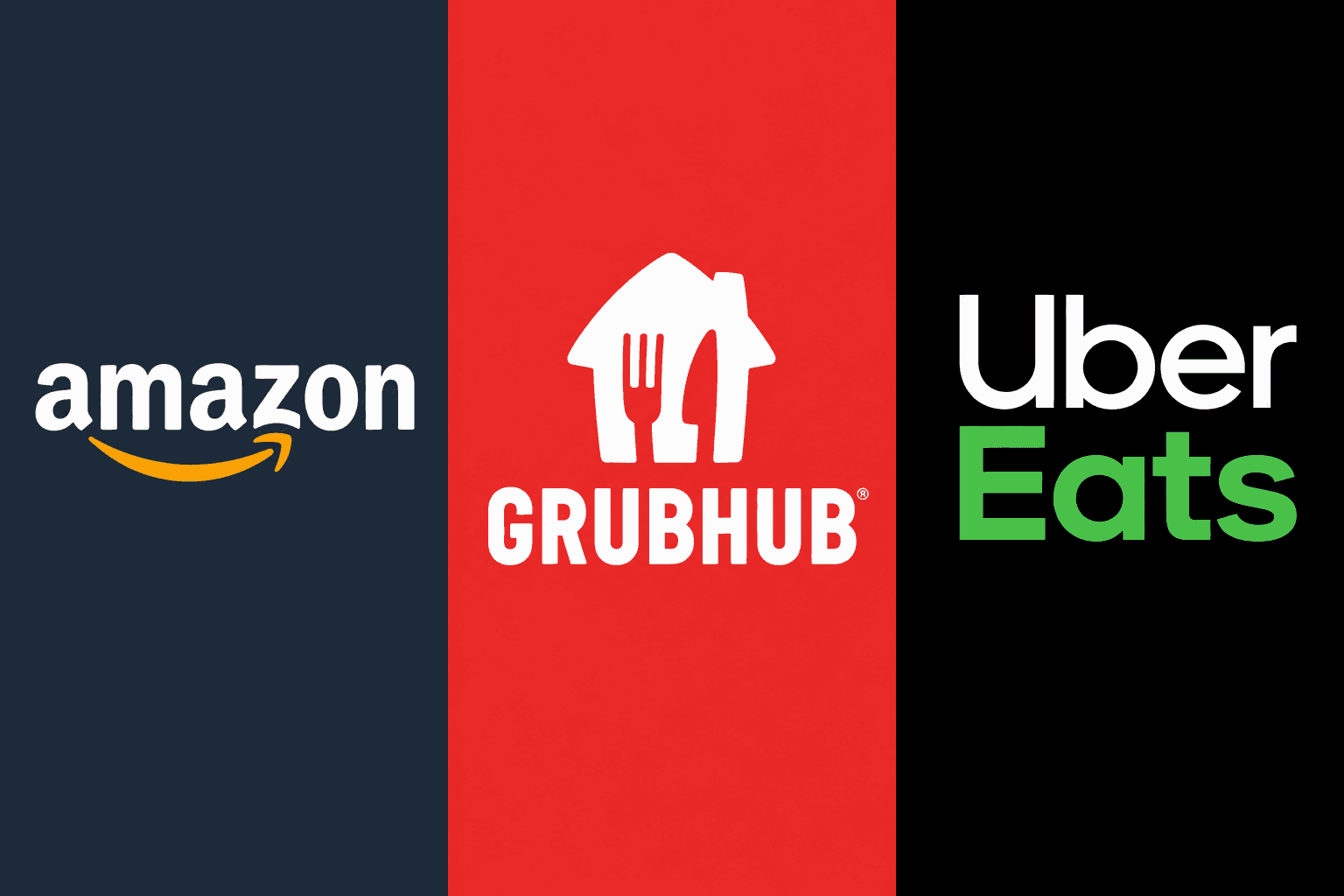
Amazon has ended its Grubhub+ Prime benefit, replacing it with Uber Eats, giving members fee-free delivery and new savings in nearly 10,000 cities.

A New Delivery Partner for Prime
There's a particular kind of comfort in knowing dinner is one tap away, and Amazon just redrew the map for how that happens. Starting this week, the retail giant has ended its longstanding partnership with Grubhub and handed the keys to Uber Eats, giving Prime subscribers a new way to order from nearly 10,000 cities nationwide.
Amazon confirmed on its website that the Grubhub+ benefit officially ended as of Thursday. No gradual wind-down, no soft landing. Just a clean break and a new partner stepping in.
Why Grubhub+ Is Gone
For years, Prime members who craved takeout leaned on Grubhub+, a benefit that mirrored the standalone subscription Grubhub normally sells for $9.99 a month. That arrangement let members order free of charge from within Amazon's own platform, a cozy little perk tucked inside an already generous membership.
Now that relationship is over, and Uber Eats has taken its place, bringing with it access to hundreds of thousands of restaurants across the country. Jamil Ghani, Worldwide VP of Amazon Prime, put the shift in the kind of everyday language that makes the change feel less like corporate maneuvering and more like something built for real life: "Whether it's game night, family night, or date night, Prime's new Uber Eats membership benefit makes getting dinner delivered even easier."
How to Order With Uber Eats
Using it is refreshingly simple. Prime members head to amazon.com/ubereats, or search "Uber Eats" inside the Amazon Shopping app, log in with their existing Prime credentials, and start browsing. There's no need to create a separate Uber account, which matters when you consider how many people are juggling logins across a dozen apps just to order a pizza.
Orders of $25 or more ship with $0 delivery fees. It's a narrower structure than what Grubhub+ offered, trading the full subscription bundle for a simpler, broader fee waiver, but the shift suggests Amazon cares less about replicating every feature of the old deal and more about making the new one easy to understand at a glance.
What Prime Members Stand to Save
The dollars behind this are worth sitting with. Prime itself runs $139 a year or $14.99 a month, already stacked with perks from free shipping to Prime Video to grocery savings at Whole Foods and Amazon Fresh. As of 2021, Amazon counted more than 200 million Prime members worldwide, which means this new benefit launches with an audience most companies would spend years trying to build.
Amazon says members who use the Uber Eats benefit regularly could save up to $175 a year. And to get people trying it right away, there's a launch promotion offering $20 off each of the first two orders of $25 or more, up to $40 in savings before the recurring benefit even kicks in. It's the kind of one-two punch, a steady long-term incentive paired with an upfront nudge, that tends to work when a company wants habits to form quickly rather than hoping they develop on their own.
Turning Delivery Into a Habit
That emphasis on habit is deliberate. By keeping the order threshold low and the fee waiver meaningful, Amazon seems to be nudging food delivery away from "occasional treat" territory and toward something more routine, almost domestic, the way checking email or scrolling a grocery list becomes part of a normal week.
If that framing sticks, ordering dinner through Prime stops feeling like a perk you remember you have and starts feeling like a habit you don't think twice about.
A Delivery Industry Under Pressure
None of this is happening in a vacuum. Amazon and Uber are both staring down rising pressure from DoorDash and Walmart, both of which have been expanding their delivery footprints aggressively.
The timing is hard to ignore: this announcement landed just a week after DoorDash revealed plans to acquire Instacart, a deal expected to squeeze rivals including Amazon and Uber Eats as the industry pushes toward all-in-one "super apps" that fold grocery, restaurant, and retail delivery into a single platform. Wonder, for its part, has filed confidentially for an IPO, another quiet sign that the delivery sector is still sorting out who consolidates and who gets left behind.
Markets noticed. Uber shares dipped 1.86% on Thursday afternoon, while DoorDash stock fell 14% in the wake of its Instacart news, numbers that suggest investors are watching this reshuffling closely and not entirely sure yet who comes out ahead.
Amazon's Bigger Strategy
Amazon's calculation here is fairly plain: rather than building its own delivery network or buying one outright, it's leaning on its enormous Prime base as leverage to negotiate favorable terms with a partner that already has the infrastructure in place. Uber, in turn, gets access to a customer pool already comfortable spending money inside Amazon's ecosystem.
It's a trade that lets Amazon stay competitive against vertically integrated players like DoorDash, now holding both delivery and grocery through Instacart, without taking on the cost and complexity of owning that infrastructure itself. Whether Uber Eats proves a better long-term fit than Grubhub ever did is still an open question, but the scale of this rollout, paired with the money Amazon is putting behind it, makes clear that food delivery isn't a side perk anymore. It's becoming one of the load-bearing walls of what Prime membership actually means.