

Wendy's Rejects $1.4B Bid
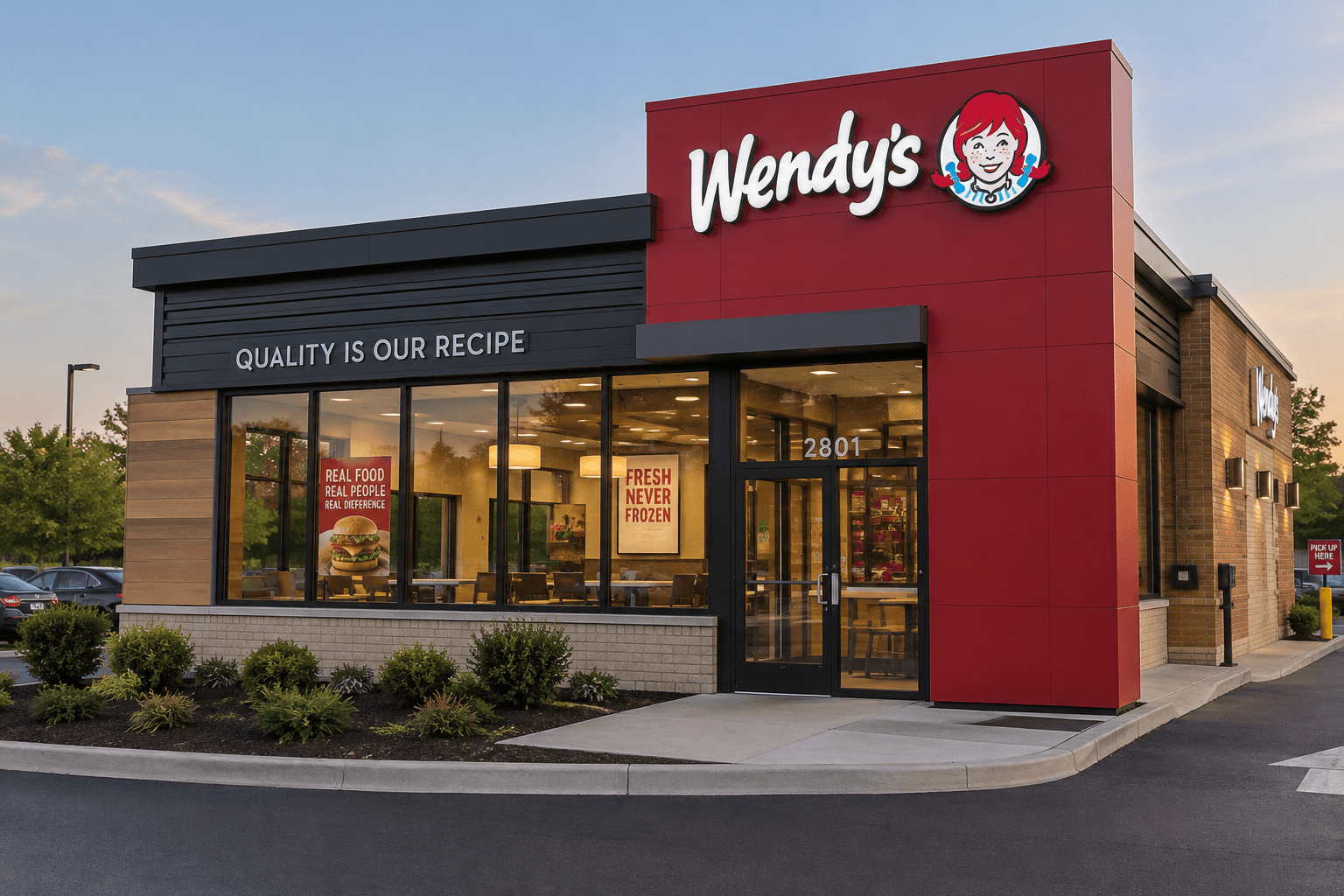
Wendy's board unanimously rejected a $1.4 billion Trian-led takeover bid, adopting a poison pill and betting its future on the 'Dave's Way' turnaround plan.
A $1.4 Billion Offer, Unanimously Refused
Wendy's board had a $1.4 billion offer sitting on the table Thursday. It said no, unanimously, and then built a wall to keep the bidders out.
The rejection targeted a nonbinding proposal from an investor group led by billionaire Nelson Peltz's Trian Fund Management, which teamed up with Flynn Group, BlueFive Capital, and Sixth Street Partners to offer $7.35 per share in cash for every share of Wendy's they didn't already own. Alongside the rejection, the board adopted a shareholder rights plan, better known as a poison pill, built to make a hostile takeover far more expensive and complicated for anyone trying to force the issue. An independent committee, backed by financial and legal advisors, reviewed the offer and decided it substantially undervalued the company and ignored its long-term earnings potential. The speed and unanimity here tell their own story: this wasn't a board agonizing over a sale. It was a board closing ranks.
Why This Fight Matters: The Numbers
The numbers explain why this fight matters to everyone involved. The offer represented roughly a 20 percent premium over where Wendy's stock traded before the bid went public, which is not a small number to walk away from. Trian and its related parties already control about 16.3 percent of Wendy's, so this isn't an outsider knocking on the door. Flynn Group runs more than 340 Wendy's restaurants, meaning one half of the bidding group is literally inside the franchise system.
Art Winkleblack, chairman of Wendy's board and a member of the independent committee, put the reasoning plainly: "The Independent Committee thoroughly evaluated this Proposal and unanimously concluded that it substantially undervalues Wendy's standalone prospects and long-term earnings potential. Our confidence rests firmly in Bob Wright's proven track record of seasoned industry leadership, including restaurant business turnarounds. We believe in Bob and his executive team's ability to execute on the plan they recently presented to our franchisees at the 2026 Wendy's convention." Strip away the formal language and the message is simple: this isn't about the price, it's about the people running the company.

The Poison Pill and the "Dave's Way" Bet
The poison pill itself is designed to make it painful for any investor to quietly build toward control without paying shareholders fairly for it. Wendy's has said one of the triggers for going this route was the investor group's refusal to accept restrictions on further takeover moves, a dealbreaker that pushed the board from negotiation into defense mode.
Instead of continuing talks, Wendy's is putting its chips on an internal plan called Dave's Way, unveiled alongside third-quarter earnings and led by CEO Bob Wright. The plan stands on five pillars: menu quality and value, marketing, restaurant operations, digital engagement, and restaurant-level growth and profitability. To make sure that plan actually gets executed across hundreds of franchise locations rather than sitting in a slide deck, Wendy's has stood up a Strategic Activation Office to coordinate the rollout system-wide. That's not the move of a company stalling for time. It's the move of a company trying to prove it has a real plan.
A Heavyweight Advisory Bench
The advisory bench Wendy's has assembled backs that up. Morgan Stanley and Goldman Sachs are advising the independent committee on the financial side, Simpson Thacher & Bartlett is handling legal work for that committee, and Kirkland & Ellis is counseling Wendy's directly. That's a lot of firepower for a company that insists this fight is already settled. It also suggests Wendy's expects more pressure, not less, in the months ahead. By choosing Dave's Way over a negotiated sale, leadership is essentially telling shareholders and franchisees to bet on future execution over a guaranteed check for $7.35 a share today.
Dine Brands Just Did the Same Thing
None of this is happening in isolation. The same playbook just played out at Dine Brands, parent of Applebee's, IHOP, and Fuzzy's Taco Shop, which turned down a $39-per-share offer from Arkhouse Management and Cobblers Cove Capital on nearly identical grounds: undervaluation, followed by a poison pill of its own. Two major restaurant companies, two nearly identical defenses, in close succession. That's starting to look less like coincidence and more like a pattern: activist investors and private capital circling chains they see as underpriced, and boards that would rather bet on their own turnaround story than cash out shareholders at a premium.
The Real Verdict Is Still Coming
What happens from here is genuinely unresolved. Trian still holds its 16.3 percent stake, Flynn Group still runs its 340-plus restaurants, and neither has much reason to stop pushing just because the board said no once. Whether Dave's Way justifies turning down a 20 percent premium comes down to execution, menu quality, marketing that actually moves the needle, digital engagement that keeps pace with competitors, and that kind of proof takes time to show up in results. Dine Brands faces the same open question with no comparable plan yet made public.
For Wendy's franchisees and shareholders, the real verdict won't come from Thursday's announcement. It'll come from whether the Strategic Activation Office can turn five pillars into actual numbers before patience runs out on both sides of the table.