


Denny's Franchisee EYM Diner Files for Chapter 11
EYM Diner, operator of 30 Denny's locations, files Chapter 11 as owner Eduardo Diaz's franchise empire unravels across five major brands.

A $50 Million Problem With Less Than $50,000 Left
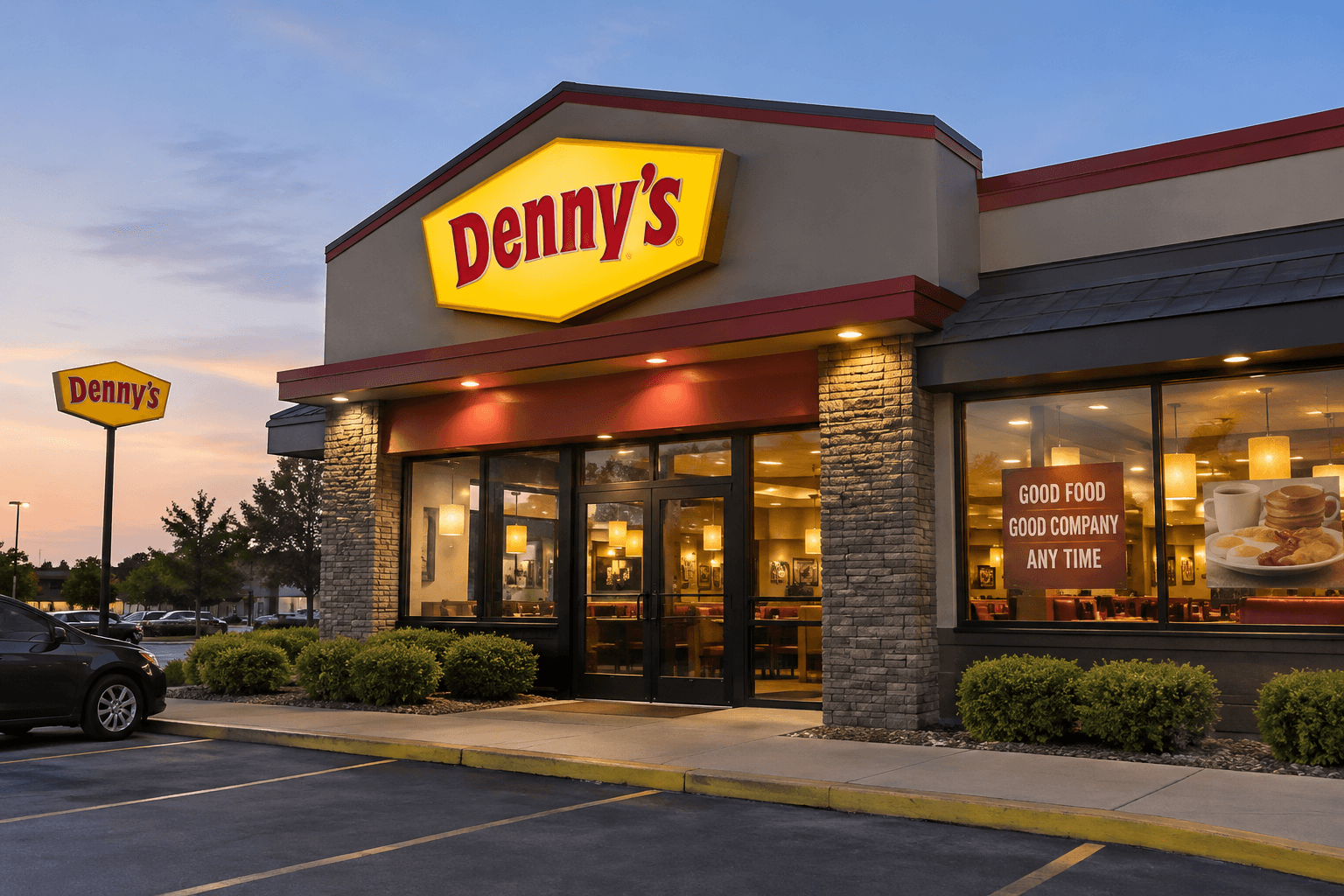
The numbers tell you everything before the lawyers even get started. EYM Diner, the Texas company behind 30 Denny's restaurants, filed for Chapter 11 bankruptcy protection in a Northern Texas court on Wednesday, reporting less than $50,000 in assets against liabilities that stretch as high as $50 million.
The single largest unsecured creditor isn't a landlord or a supplier. It's the IRS, owed nearly $3.5 million in unpaid payroll taxes. Thirty restaurants across Texas and Florida now sit in limbo while the courts sort out what's left.
From McDonald's Executive to Multi-Brand Operator
Behind the filing is a name that once carried real weight in American franchising. Eduardo Diaz, a former McDonald's executive who served as president of McDonald's Mexico, launched EYM Foods back in 2007 to run his own McDonald's locations.
From there he built outward, picking up Denny's, Panera Bread, KFC, Burger King, and Pizza Hut under the EYM Group banner. For a while, that diversification looked like a smart hedge, a way to spread risk across some of the country's most recognizable quick-service and casual-dining names. It has turned into something closer to a cautionary tale about what happens when cash flow problems metastasize across an entire portfolio instead of staying contained to one brand.
Five Brands, Five Lawsuits, Five Collapses
The pattern is almost eerie in its consistency. EYM Pizza, the crown jewel of the operation at more than 140 Pizza Hut locations, was supposed to be sold for $97 million back in 2021. The buyer walked away as economic conditions soured, leaving Diaz holding a business he couldn't sustain.
Costs climbed, royalties went unpaid, and Pizza Hut sued over underperformance in 2024. EYM Pizza filed for bankruptcy soon after, then sold off 77 locations for under $12 million in early 2025 while shuttering the remaining 65 outright. Burger King followed a nearly identical script: a royalty lawsuit in February 2023, then all 26 Burger King restaurants closed within a month.
That same year, 25 KFC locations across Illinois, Indiana, and Wisconsin went dark. Panera's relationship with EYM Cafe collapsed the same way in 2025, a royalty dispute followed by a federal judge ordering the unit to stop using Panera's name entirely, followed by bankruptcy that August. Five brands, five lawsuits, five collapses. At some point the common denominator stops being bad luck and starts being the man running all of it.
Denny's Looks for Franchisees to Step In
Denny's, for its part, has been willing to talk, even if Diaz hasn't. Neither EYM Diner nor its attorneys responded to requests for comment, leaving his version of events absent from the record.
Chief Development Officer Mark Burgess confirmed the franchisor is already working to line up buyers among existing Denny's franchisees who might take over the troubled locations. "There are viable restaurants in this group, and franchise partners within our system are willing to step in to help secure their future," he said. That's a telling choice of words. It suggests Denny's still sees real value sitting inside these 30 restaurants, even as the company that built them around it falls apart.
Denny's Own Struggles Make This Harder to Absorb
The timing couldn't be more awkward for Denny's own story right now. The chain went private in January and has been managing its own slide in sales and foot traffic, a situation serious enough that leadership has committed to closing roughly 90 underperforming locations systemwide.
Franchisees run about 96% of Denny's roughly 1,400 units, which means a single operator's collapse, especially one running 30 restaurants, lands with real force on the broader brand. Burgess framed the moment against a more optimistic backdrop, citing the 157 million guests who visit Denny's each year as proof the brand still has pull.
"The 157 million guests who walk through our doors each year reflect the enduring value of America's Diner, and we see significant opportunity to build on that strength through our enterprise roadmap, Project Grand Slam, that is giving guests more reason to choose Denny's, strengthening restaurant performance, and building a more profitable business for our franchise partners," he said. So the company finds itself doing two things at once: trimming its own weak spots while trying to rescue a franchisee's restaurants it considers worth saving.
Open Questions and an Uncertain Future
Plenty remains unresolved. Nobody yet knows which franchise partners might step in to take over the Texas and Florida locations, how many of the 30 restaurants will ultimately be judged viable, or how the bankruptcy court will rank the IRS's $3.5 million claim against everyone else standing in line for payment. Diaz's own account of what went wrong, and whatever plan he might have for what's left of EYM, simply isn't part of the public conversation yet.
What happens to these 30 restaurants will say something larger about whether Project Grand Slam can hold franchise relationships together even when an individual operator implodes. If other franchisees do step in the way Burgess described, it would preserve jobs and keep the lights on for guests in these Texas and Florida communities, proof that the real estate and customer loyalty built into a Denny's location can outlive the operator who happened to be running it.
For Diaz, the math is harder to spin. What started with one failed $97 million sale in 2021 has, four years on, swallowed every brand he built, one lawsuit and one bankruptcy filing at a time.