



McDonald's AI Voice Ordering: Franchisees Skeptical
McDonald's touts 90% accuracy for its Archy AI voice ordering system, but franchisees question the labor savings and margin math behind it.

A Voice AI Built for Scale
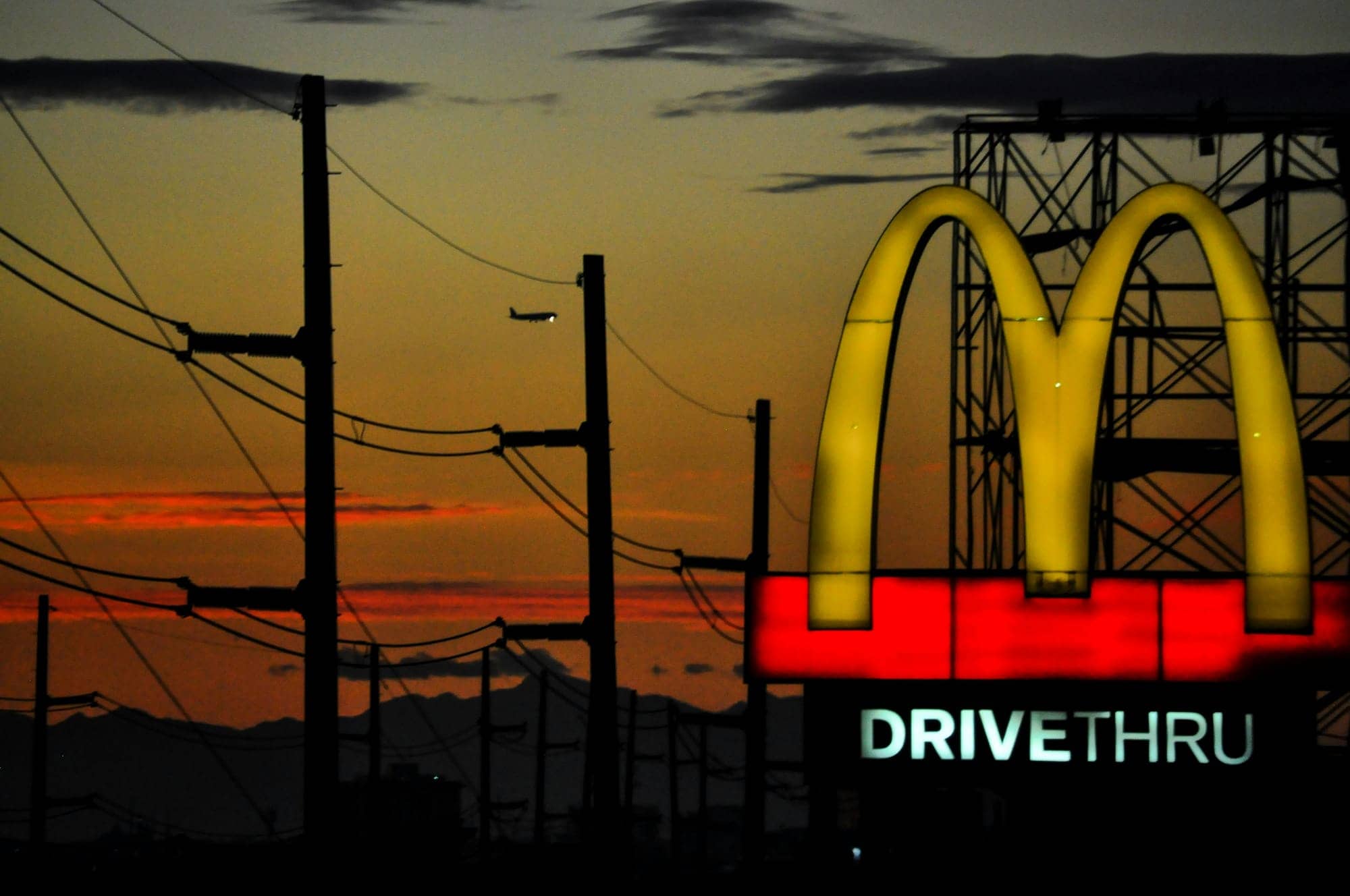
McDonald's wants you to talk to a computer instead of a cashier, and it says the computer is getting it right more than 90% of the time. That number, revealed at the company's September investor day, is the centerpiece of a push to make Archy, its voice-based AI ordering system, a fixture rather than a footnote in the chain's future.
Archy sits at the heart of ArchIQ, the technology platform McDonald's unveiled alongside a broader company-wide strategy called Next. The system takes orders in both English and Spanish, built with the chain's diverse customer base in mind. Next itself is bigger than any single tool: it bundles automated inventory tracking, connected kitchen equipment, restaurant remodels, menu innovation, and refreshed marketing into one coordinated modernization effort. McDonald's isn't treating AI as a bolt-on fix. The idea is to upgrade technology, physical space, product offerings, and brand messaging together, with each piece reinforcing the others.
Freeing Up Hours, Not Cutting Jobs
The pitch gets more specific when you look at labor. McDonald's projects Archy could free up at least 50 labor hours per week at participating restaurants, hours the company suggests get redirected toward food prep, cleanliness, or customer service rather than simply eliminated. That's the language of a company trying to run leaner restaurants without cutting corners on service.
Chairman and CEO Chris Kempczinski tied the rollout directly to McDonald's long-term ambitions, saying, "This is Next in action, strengthening how we operate today while building the growth platforms and capabilities that will position McDonald's to lead for the long term." He also committed to continued transparency, adding that the company will "regularly update you on our progress and associated results behind key elements of Next throughout 2027." That's not a pilot program timeline. That's a multi-year transformation under sustained scrutiny.
Chasing 250 Basis Points
The financial stakes explain the urgency. McDonald's has set a goal of lifting restaurant margins by 250 basis points, and labor savings from Archy are explicitly positioned as a lever to get there. Fifty hours of weekly labor savings at a restaurant translates into real cost reduction, which is why the company keeps tying its technology rollout so tightly to its profitability targets.
The 2027 horizon suggests leadership knows proving this out will take time, especially applied across thousands of franchised locations that don't all operate the same way or have the same resources.
Operators Call the Math Theoretical
Franchisees are not convinced. An October report from Peter Saleh, managing director and restaurants and food distributors analyst at U.S. Bancorp | BTIG, found operators frustrated by how little specific detail McDonald's has shared about the actual productivity gains behind Archy and the rest of Next. Saleh wrote that the 250 basis point margin target "seems highly theoretical" in the eyes of franchisees, a line that captures the gap between corporate projections and operator skepticism.
Operators have warmed considerably more to the inventory management tools bundled into Next, which Saleh called "a smaller portion of the 250 bps target" but which franchisees broadly agree could cut food waste, trim manager labor hours, and lower inventory levels.
Hidden Costs and Lingering Doubts
Even that enthusiasm comes with conditions. Some operators questioned whether the inventory systems are genuinely new technology, and others flagged costs, technology fees, RFID tags, that could quietly erode the financial upside McDonald's is promising. Saleh wrote that a more accurate accounting of these costs would likely show a smaller net margin benefit than the company has presented.
He summed up the operator mood as "reluctant acceptance," a phrase that lands somewhere between cautious interest and persistent doubt. Franchisees want the labor savings. Saleh notes they're "indeed needed to justify the investment." What they're less sure about is whether customers actually want to order a Big Mac from a voice AI in the first place.
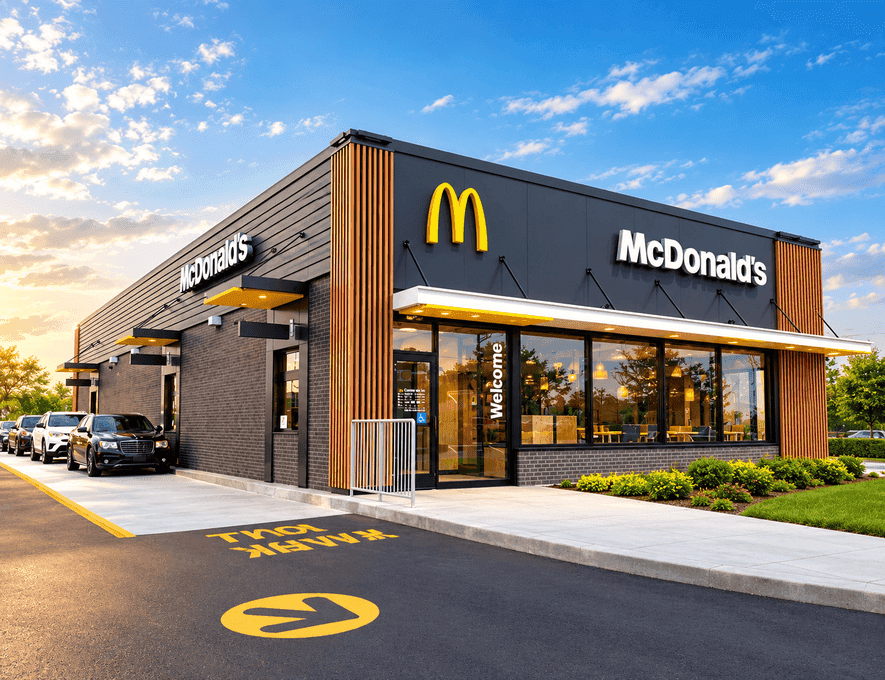
Can Voice AI and Warm Service Coexist
That uncertainty points to a deeper tension inside the Next strategy. McDonald's is simultaneously pushing automation and a renewed emphasis on warmer, more personal service, and franchisees aren't convinced those two goals pull in the same direction. Saleh put it plainly, writing that operators wondered "if the consumer actually wants this technology, and if voice AI is inconsistent with the renewed focus on service and hospitality."
McDonald's has the technical case covered, with accuracy figures above 90% and a defined labor-savings target on paper. What it hasn't closed is the gap between that corporate messaging and what franchisees are actually seeing on their own P&Ls. The next few years, running right up to that 2027 checkpoint, will determine whether Archy becomes standard equipment in the drive-thru or another ambitious rollout that operators remember mostly for its asterisks.