






Schlotzsky's Franchisee Collapses Despite $8M Revenue
Schlotzsky's franchisee JPrieto Hospitality filed Chapter 11 despite $8.2M in revenue, exposing razor-thin margins across multi-unit restaurant ownership.

A Bankruptcy Filing That Doesn't Add Up
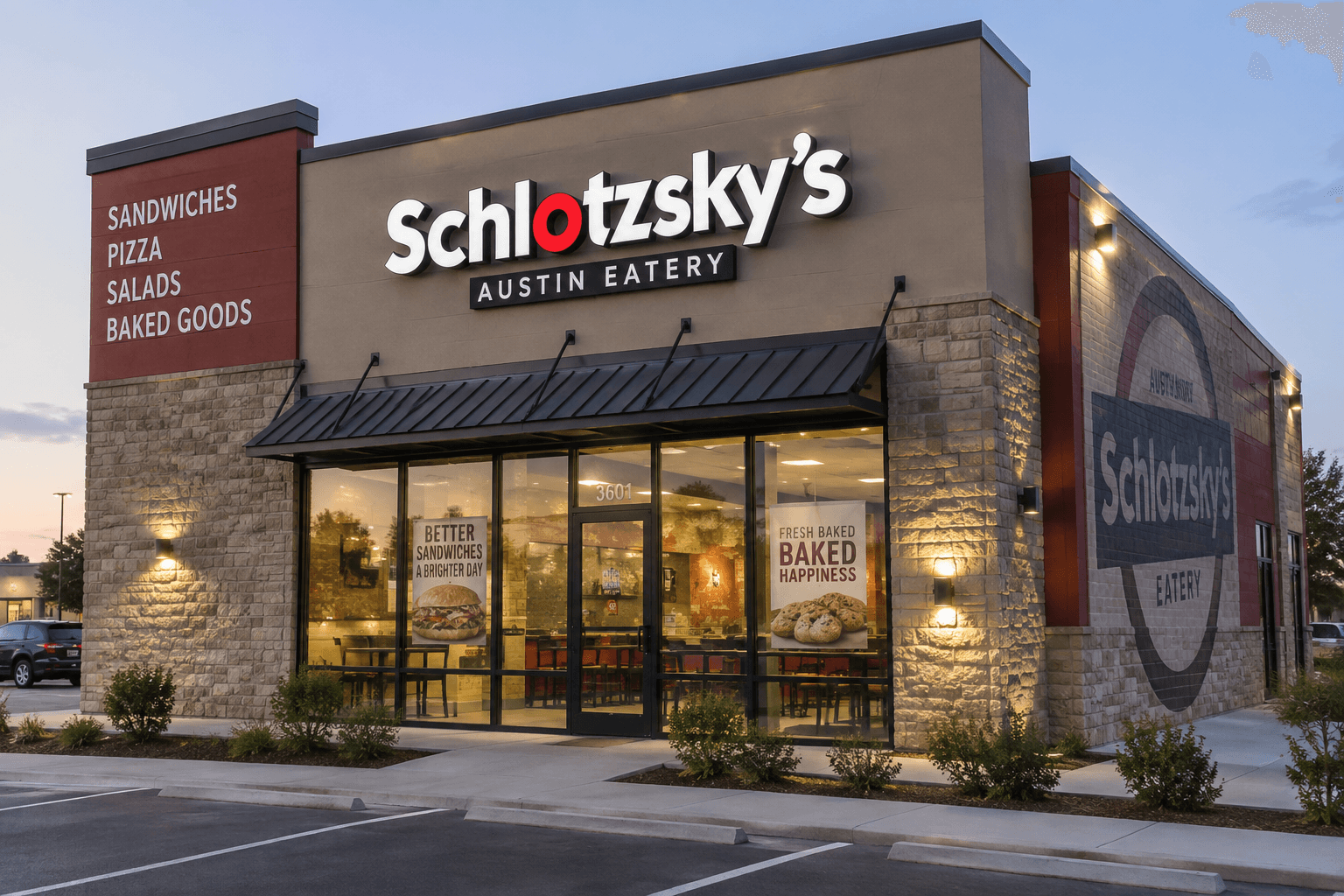
Here's a number that should stop you cold: $8.2 million in revenue, and just $45,051 in profit. That's what JPrieto Hospitality, a North Texas operator of Schlotzsky's restaurants, reported for 2025. A margin of roughly half a percent.
On November 5, the company filed for bankruptcy protection in the U.S. Bankruptcy Court for the Western District of Texas, and the math behind that filing tells you almost everything you need to know about how fragile multi-unit restaurant ownership has become.
Five Restaurants Left Standing
Jorge Prieto, the company's managing member, still runs five locations: two in Fort Worth, plus restaurants in Mansfield, Grand Prairie, and Cedar Hill. That's down from eight at the end of 2025, according to Schlotzsky's 2026 Franchise Disclosure Document, which also notes two franchise agreements were terminated that same year.
Prieto blames the Fort Worth market itself, pointing to reduced business activity and work slowdowns that chipped away at revenue and profit alike. Before turning to the court, he says the company explored selling the business, restructuring its debt, and refinancing. None of it worked out, or at least not well enough to avoid Chapter 11.
When Healthy Revenue Hides a Dying Margin
What makes this filing sting is how healthy the top line looked right up until the end. Revenue held steady at $8.26 million in 2024 and $8.2 million in 2025, with $4.12 million more coming in from the start of 2026 through the filing date.
Court documents list assets around $533,000 against liabilities of $351,000, numbers that don't scream crisis on their own. But a business can look busy and still be bleeding out. Rising costs and a softening local economy squeezed profit down to almost nothing, and that's the kind of slow erosion that doesn't show up until the creditor letters start piling up.
The Creditors Lining Up
And pile up they did. JPrieto's creditor list is topped by its own franchisor, GoTo Foods, owed approximately $148,642, a figure that shows just how entangled franchisees and parent companies become once royalty payments and marketing fund fees start stacking on top of each other. Behind that:
- Ben E. Keith, the food distributor: owed $35,000
- TCR Heating & Air: owed $19,422
- Cooling Equipment Specialist: owed $18,776
Franchisor fees, unpaid food supply costs, broken HVAC bills. Together they paint a picture of a business juggling the everyday expenses of running multiple kitchens while its margin shrank to nothing.
Betting On a Smaller Footprint
Prieto isn't throwing in the towel on the remaining five restaurants. He's betting on them. "JPrieto anticipates that continued operations with remaining stores will generate sufficient net income to formulate a confirmable plan," he said in the filing.
New marketing, tighter operations, a smaller footprint. The logic is that five restaurants might be more sustainable than eight ever were. Fair enough, but that bet assumes the same Fort Worth market he blamed for the collapse is about to start cooperating. Nothing in the filing suggests it has.
Not An Isolated Case
This isn't happening in a vacuum. JPrieto joins a run of franchisee bankruptcies in 2026 tied to Wendy's, Dave's Hot Chicken, Outback Steakhouse, and Denny's.
And inside the GoTo Foods system specifically, it's not alone either. Quality Fresca, a Moe's Southwest Grill franchisee, filed for bankruptcy in August after cutting its restaurant count from 69 down to 38, a drop of more than 44 percent. Two franchisees under the same parent company, two different brands, both in court within the same year. Whether that points to something systemic at GoTo Foods or just a rough patch hitting operators everywhere is still an open question, and the honest answer is nobody's fully answered it yet.
The Bigger Story Behind the Numbers
What happens next comes down to five restaurants in four North Texas cities and whether they can throw off enough net income to make a reorganization plan stick.
Zoom out, though, and the bigger story is about margins getting thinner across the board, costs climbing, and consumer and business activity cooling just enough to expose how little room multi-unit operators actually have left to absorb a bad year. Brand name doesn't seem to matter much here. The math does.