True Food Kitchen Files Bankruptcy, Closes 12 Sites
True Food Kitchen filed for Chapter 11 bankruptcy, closing 12 locations and shrinking to 34 restaurants across 14 states amid $42.1 million in debt.
News
Oct 5, 2026
True Food Kitchen filed for Chapter 11 bankruptcy, closing 12 locations and shrinking to 34 restaurants across 14 states amid $42.1 million in debt.
Oct 5, 2026

Snooze Eatery names industry veteran Amy Hom as COO, starting Sept. 28, to strengthen hospitality and operations ahead of its next growth phase.
Oct 5, 2026

Opening a second restaurant location requires readiness, clear goals, financial planning, funding, smart strategy, standardized operations, strong teams, and careful launch monitoring for sustainable growth.
Sep 30, 2026
Evaluate restaurant industry performance in Q3 2026 through key trends affecting restaurant sales, traffic, consumer spending, labor, costs, and technology.
Oct 2, 2026
Restaurants can control operating costs by tracking food, labor, rent, utilities, technology, marketing, and other expenses against sales.
Oct 5, 2026

Improve restaurant visibility with local SEO by optimizing Google Business Profile, targeting local keywords, managing reviews, and maintaining accurate online information.
Oct 5, 2026
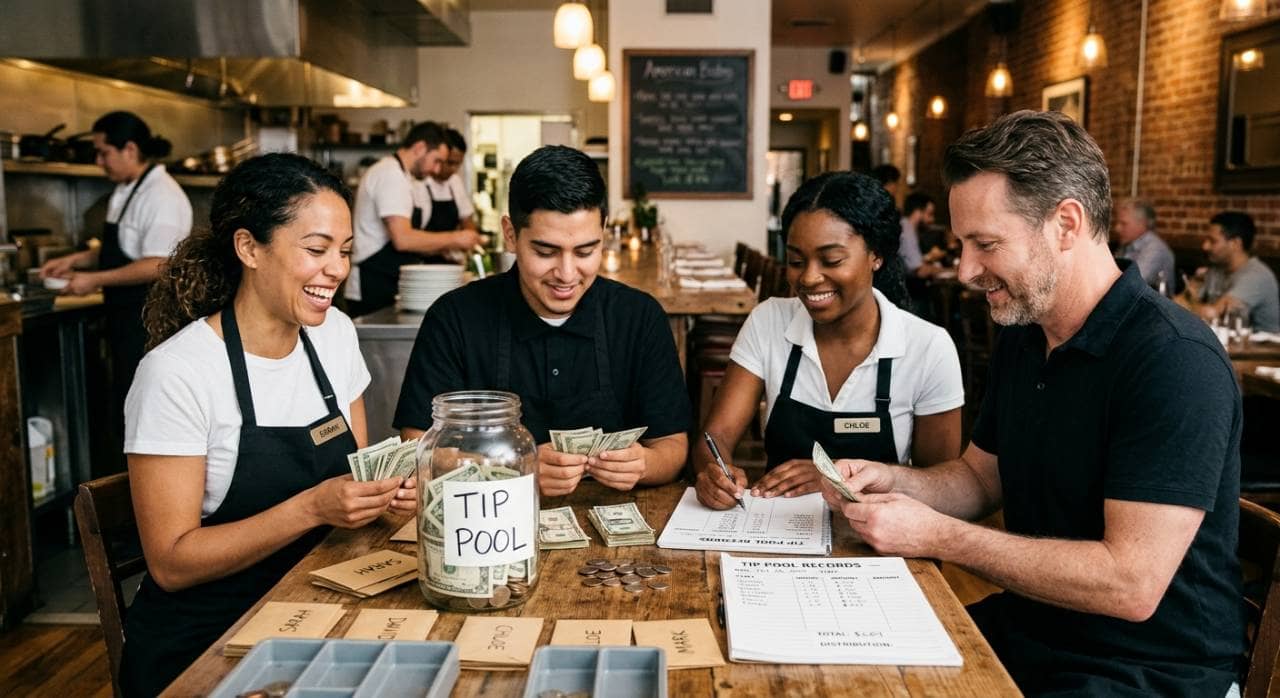
Understand tip pooling rules, employee eligibility, distribution methods, compliance requirements, recordkeeping practices, and policies restaurant owners need for proper tip management.
Oct 2, 2026

Whit's Frozen Custard hires industry veteran Amos Durbin as COO to guide franchise expansion, drawing on two decades of restaurant leadership experience.
Oct 2, 2026
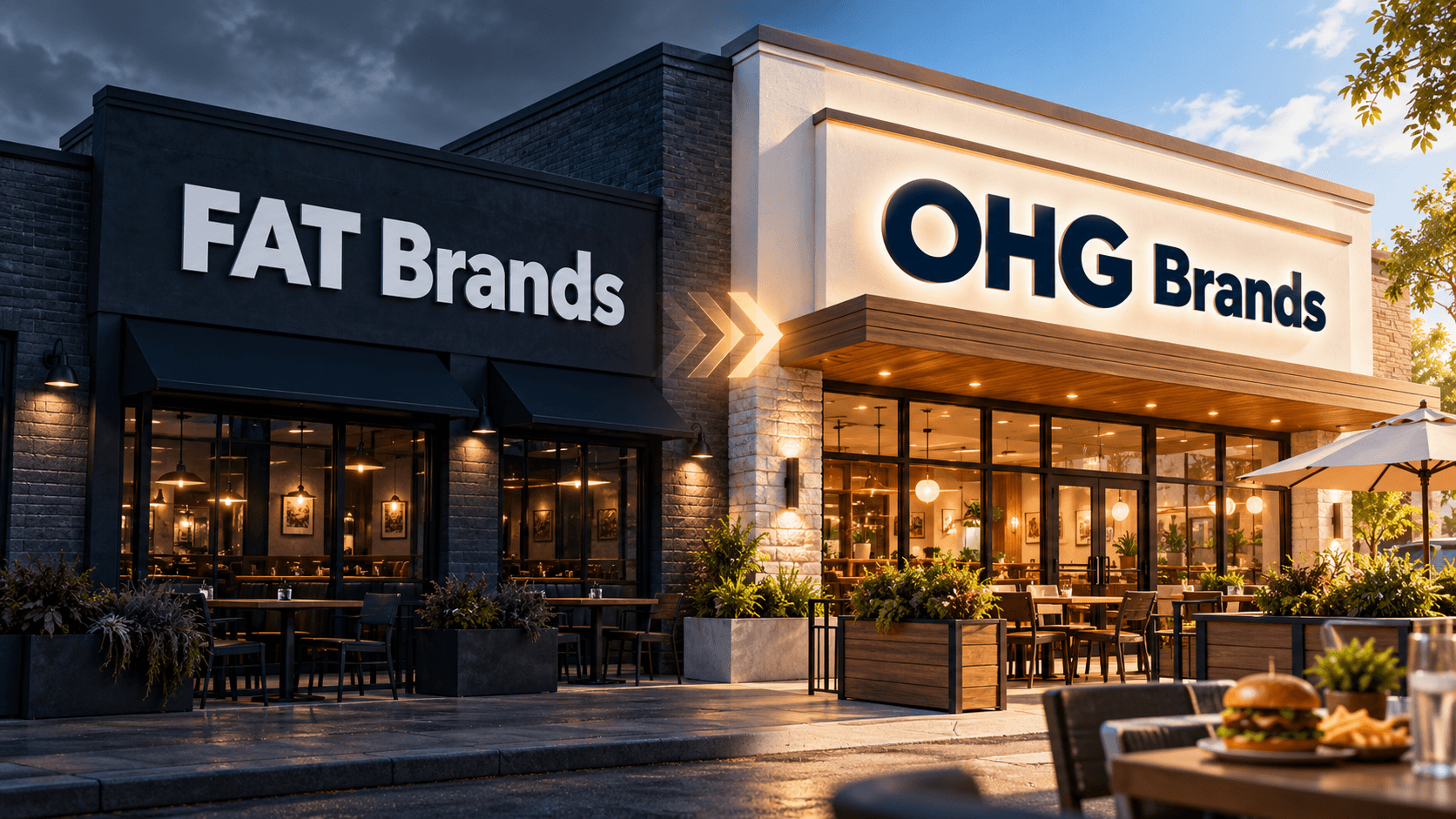
FAT Brands' $1B acquisition empire fell into bankruptcy and sold for $965M, re-emerging as OHG Brands with 1,700 restaurants.
Oct 1, 2026
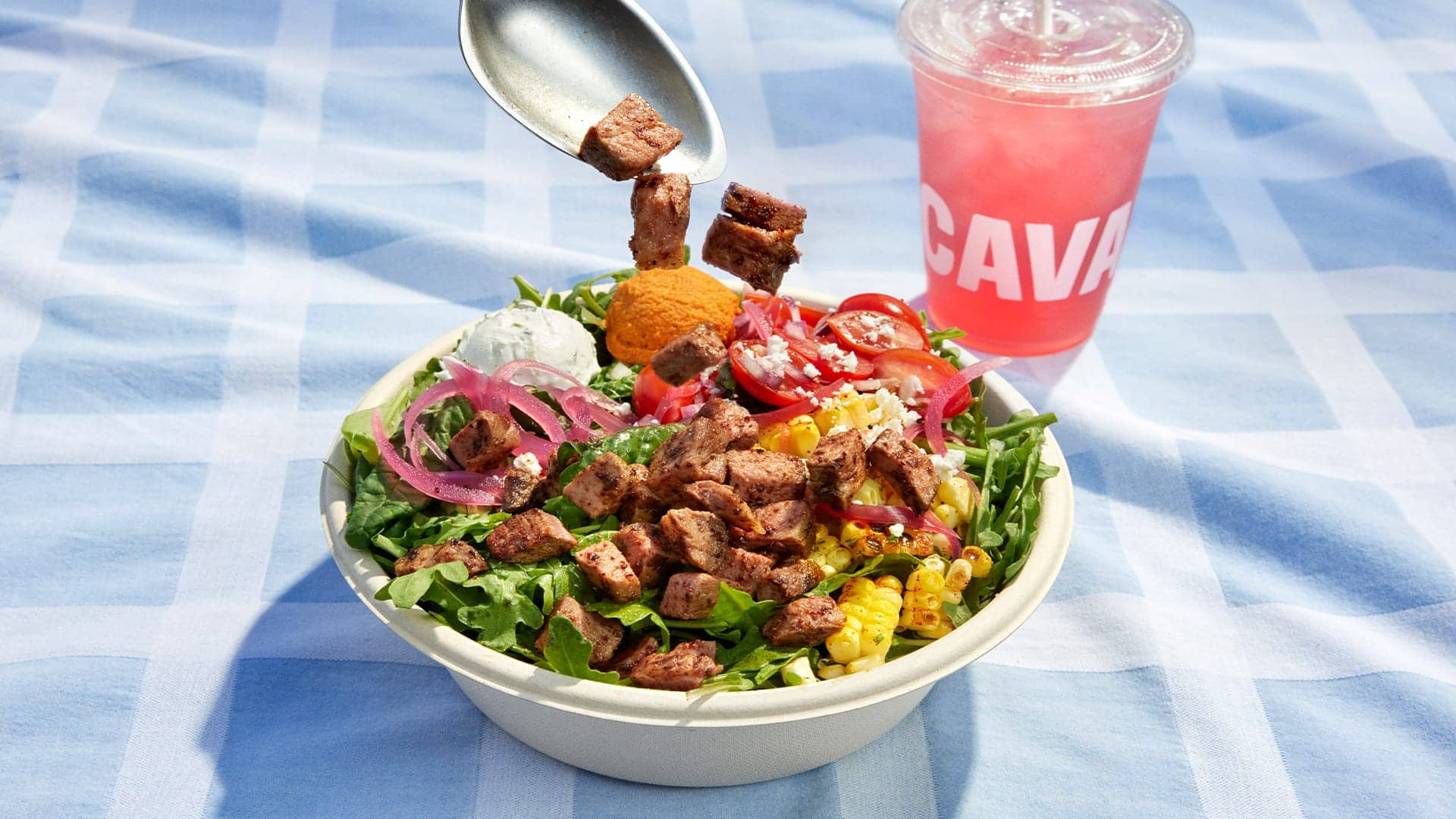
CAVA names John Ludeke, former Dr. Squatch Chief Brand Officer, as its new CMO to drive national growth and guest loyalty.
Oct 1, 2026

Unlock Exclusive Access To Webinars, Events, And The Latest News For Free!
Mo' Bettahs names Don Crocker, a Chick-fil-A and Inspire Brands veteran, as chief development officer to lead its national corporate-owned expansion.
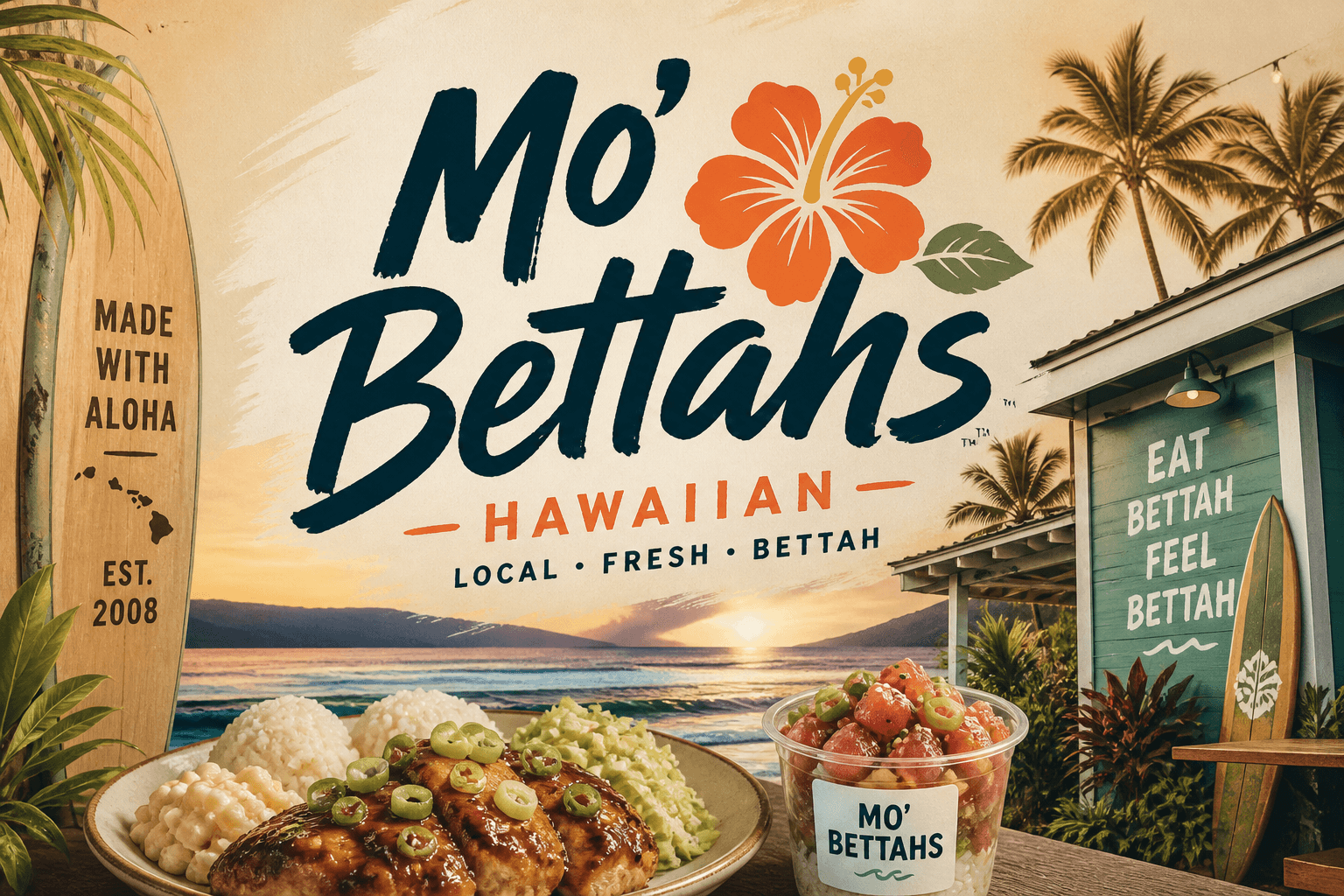
Mo' Bettahs Hawaiian Style Food has named Don Crocker its new chief development officer, a hire that lands squarely as the chain pushes to build out its corporate-owned footprint across the country. Crocker's mandate is broad: real estate, design and construction, asset management, and oversight of new restaurant openings in both new and existing markets.
The timing tells its own story. This isn't a company adding a title to its org chart for appearances. It's a brand shifting from steady regional growth into a more structured, aggressive expansion phase, and it's putting a proven operator in charge of making sure that shift doesn't outrun the brand's discipline.
Crocker's background is the kind that gets noticed in restaurant boardrooms. He most recently served as chief development officer for Smalls Sliders, the Atlanta-based slider chain, and before that held leadership roles at Inspire Brands, where he ran domestic franchise and company-owned development across a portfolio that included Arby's, Buffalo Wild Wings, Dunkin', Jimmy John's, Sonic Drive-In, and Baskin-Robbins.
His resume also includes more than two decades at Chick-fil-A in senior real estate, restaurant development, and supply chain positions. During that stretch, he helped push the brand into more than 65 new markets while annual sales climbed from roughly $600 million to $10 billion. That's the kind of scale most fast-casual chains only aspire to, and it's precisely why Mo' Bettahs leadership points to his track record as the deciding factor.
CEO Rob Ertmann framed the hire as a philosophical match as much as a resume match. "Don has spent his career helping restaurant brands grow at scale, and that experience makes him a tremendous addition to Mo' Bettahs," he said. "We've built strong momentum while remaining disciplined about where and how we grow. Don understands that balance, and his leadership will help us continue expanding thoughtfully while maintaining the consistency and experience our guests expect."
Crocker's own comments echoed that same restraint dressed up as ambition: "Mo' Bettahs has a strong foundation and a clear sense of what makes the brand special. I'm looking forward to working with the team to identify the right markets and locations to bring Mo' Bettahs to more communities across the country." Neither executive is talking about growth for growth's sake. They're talking about scaling without diluting what already works.
That balance is already being tested in the field. Crocker's arrival follows closely behind expansion announcements made earlier this year, when Mo' Bettahs revealed plans to enter Phoenix, Indianapolis, and Minneapolis through corporate-led, multi-unit development. Those plans aren't aspirational anymore. The company confirms it has already entered all three markets.
That activity sits on top of a genuinely rare streak: 18 consecutive years of positive same-store sales growth, the kind of run that speaks to consistent execution as much as consumer demand. The brand now runs more than 80 corporate-owned restaurants across nine states, a footprint that has long since outgrown its regional roots.
The choice to grow through corporate ownership rather than franchising is worth sitting with. It's a slower, more capital-intensive path, but it keeps brand standards, guest experience, and operational execution under one roof instead of scattered across franchisee incentives.
Ertmann's emphasis on staying "disciplined about where and how" the company grows lines up with that model, and Crocker's hire looks built to formalize it rather than loosen it. Pairing an 18-year same-store sales streak with fresh entries into three major metros gives Mo' Bettahs a brand with staying power and a company clearly aiming for something bigger than regional relevance, without handing away control of the guest experience to get there.
None of this works without the origin story holding up. Mo' Bettahs traces back to Bountiful, Utah, where brothers Kimo and Kalani Mack founded the concept in 2008, drawing on the recipes and hospitality they grew up with on O'ahu.
The menu still centers on Hawaiian-style plate lunches, teriyaki chicken and steak, kālua pig, pūlehu chicken, katsu chicken, all served with steamed rice, vegetables, and macaroni salad in the tradition of the plate lunch format. That cultural specificity has traveled far better than a lot of regional concepts manage. Nine states and eighteen straight years of same-store sales gains suggest guests outside Utah are responding to the same thing the Mack brothers built their name on.
What comes next depends on execution details the company hasn't disclosed yet, but the framework is in place. Crocker now oversees the real estate, construction, and asset management functions that will determine how fast and how well this expansion holds together, and Phoenix, Indianapolis, and Minneapolis already stand as proof the corporate-led model can move beyond Utah without losing its footing.
An 18-year sales streak, a control-first development strategy, and an executive who has already helped scale brands from hundreds of millions to billions in revenue give Mo' Bettahs a genuinely credible shot at becoming a national name without losing the plate lunch roots that got it here.