Uber Acquires ezCater for $2.3B in Catering Push
Uber is paying $2.3 billion to acquire ezCater, merging its catering network into Uber Eats and Uber for Business to enter workplace catering.
News
Oct 6, 2026
Uber is paying $2.3 billion to acquire ezCater, merging its catering network into Uber Eats and Uber for Business to enter workplace catering.
Oct 6, 2026
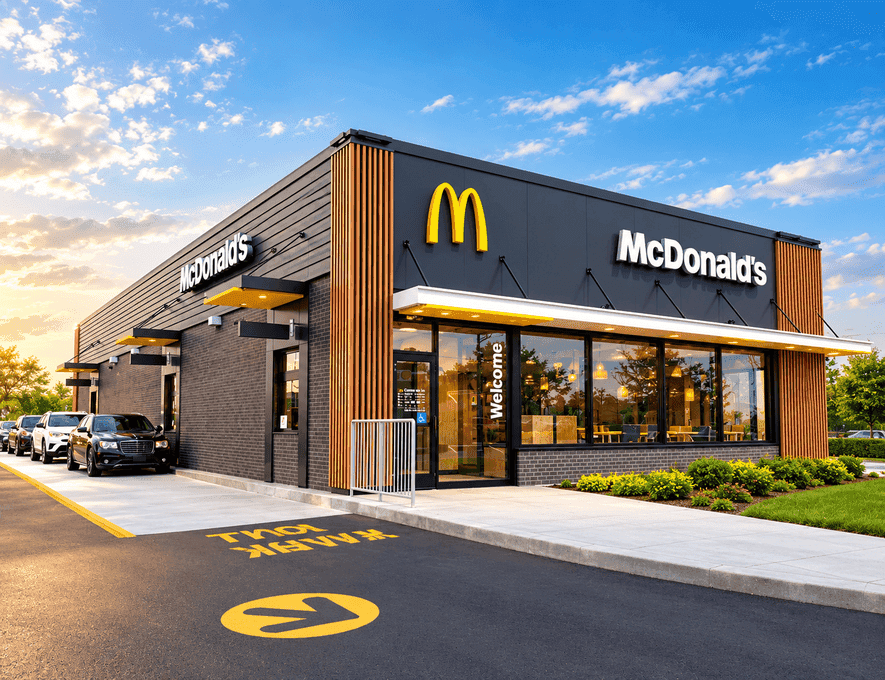
A new lawsuit claims McDonald's pricing tool pressures franchisees into algorithmic price-fixing, raising fresh antitrust questions for the chain.
Oct 6, 2026

True Food Kitchen filed for Chapter 11 bankruptcy, closing 12 locations and shrinking to 34 restaurants across 14 states amid $42.1 million in debt.
Oct 5, 2026

Snooze Eatery names industry veteran Amy Hom as COO, starting Sept. 28, to strengthen hospitality and operations ahead of its next growth phase.
Oct 5, 2026

Evaluate restaurant industry performance in Q3 2026 through key trends affecting restaurant sales, traffic, consumer spending, labor, costs, and technology.
Oct 2, 2026
Improve restaurant visibility with local SEO by optimizing Google Business Profile, targeting local keywords, managing reviews, and maintaining accurate online information.
Oct 5, 2026
Restaurants can control operating costs by tracking food, labor, rent, utilities, technology, marketing, and other expenses against sales.
Oct 5, 2026

Opening a second restaurant location requires readiness, clear goals, financial planning, funding, smart strategy, standardized operations, strong teams, and careful launch monitoring for sustainable growth.
Sep 30, 2026
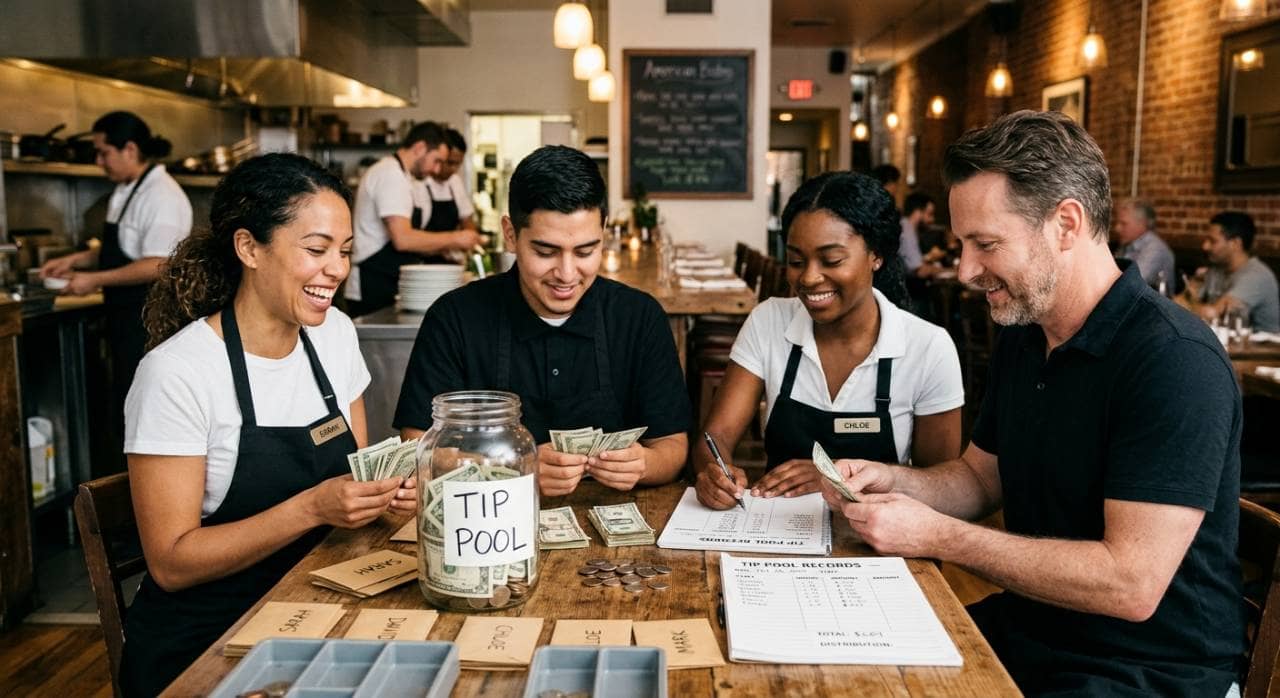
Understand tip pooling rules, employee eligibility, distribution methods, compliance requirements, recordkeeping practices, and policies restaurant owners need for proper tip management.
Oct 2, 2026

Whit's Frozen Custard hires industry veteran Amos Durbin as COO to guide franchise expansion, drawing on two decades of restaurant leadership experience.
Oct 2, 2026

Unlock Exclusive Access To Webinars, Events, And The Latest News For Free!
A new lawsuit claims McDonald's pricing tool pressures franchisees into algorithmic price-fixing, raising fresh antitrust questions for the chain.
A man from Dekalb, Illinois has done something a lot of frustrated customers have only grumbled about over a counter: he's taken McDonald's to court over what his Big Mac costs.
Michael Thomas filed a proposed class action in Illinois alleging that McDonald's price recommendation tool, combined with pressure on franchisees to actually use it, crosses the line from friendly guidance into federal antitrust violation. The complaint doesn't mince words. It describes years of climbing menu prices at a chain that millions of Americans still think of, rightly or not, as the place you go when money is tight.
The numbers in the filing come straight from McDonald's own mouth. The company has acknowledged a 40% price increase between 2019 and 2024, and the lawsuit argues that figure has likely only grown since.
That trajectory is the emotional center of the case: a chain built on value, charging noticeably more for the same fries and sandwiches people grew up ordering without a second thought. The complaint leans hard on a Reuters story published the week before, which reported that McDonald's pricing tool uses artificial intelligence to help set prices. McDonald's has disputed that reporting directly, but the plaintiffs built much of their legal foundation on it anyway.
The mechanics described in the filing are blunt, almost accusatory in tone. The complaint states that "McDonald's has built and for years deployed its own information-sharing pricing platform, which draws on data from its millions of daily transactions to set menu prices across thousands of U.S. restaurants," and calls the outcome "algorithmic price-fixing aimed at customers who are already stretched thin."
Plaintiffs also point to something they consider telling: McDonald's has reportedly warned its own franchisees that the pricing portal could run afoul of antitrust law. To the plaintiffs, that warning reads less like caution and more like an admission that the company understood the risk it was building. The filing goes so far as to claim "McDonald's and its franchisees have colluded to fix prices for consumers," and that "as a result of this system, consumers have paid on average higher prices over time and have paid anticompetitive prices during the class period."
McDonald's response has been swift and specific. The company called the Reuters report "wrong" and rejected outright the idea that artificial intelligence sets its prices. In a fact sheet released late last week, McDonald's explained that the tool "provides restaurant-specific recommendations. It does not set or change prices. Franchisees decide what prices to charge and whether to use the recommendations available to them."
The company framed the whole arrangement as ordinary business practice, the kind of thing any operator does when weighing "local costs, customer demand, competition, and economic conditions." There's a wrinkle here worth sitting with: McDonald's own leadership has at times sounded frustrated that franchisees don't lean on these recommendations more. CEO Chris Kempczinski told investors on the chain's most recent earnings call that only 60% to 65% of operators followed pricing recommendations for the $3 and Under menu, a detail that cuts against any tidy story of top-down price control. The recommendations themselves come from Deloitte, which McDonald's has long used as its outside pricing consultant.
What makes this case harder to settle at first glance is the franchise structure itself. McDonald's operators don't hold exclusive territories, so prices can swing widely even within the same metro area, with some high-cost markets running roughly double what a lower-cost market charges for the same item.
McDonald's treats that variation as proof its franchisees are genuinely free to price however they see fit. The lawsuit sees it differently, arguing that new franchising standards introduced this year, which now rate operators on how well they use company tools to deliver value, have quietly narrowed that freedom into something closer to an expectation. Whether a recommendation stops being a recommendation once compliance gets tracked and scored is, in plain terms, the whole case.
There's a second thread running through the complaint that's a little more unsettling once you think it through. Because McDonald's restaurants have no protected territory, they already compete with one another for the same customers, and the company has historically used that internal rivalry to keep operators sharp.
The lawsuit argues that once those competing restaurants are all fed the same pricing data through a shared platform, the competitive pressure that was supposed to keep prices honest might instead be doing the opposite, nudging prices into alignment across stores that are technically rivals. That's the open legal question nobody has answered yet: are these franchisees really setting prices independently, or are they all just reading from the same page handed to them by headquarters?
Plenty remains unresolved, and it will likely take discovery and expert testimony to sort out. McDonald's says flatly that no algorithm sets prices; the lawsuit says otherwise, built largely on reporting the company disputes. The new value-focused franchising standards could turn out to be exactly what McDonald's says they are, a set of optional tools, or they could look, under scrutiny, more like a mandate dressed up in friendlier language.
Whatever a court eventually decides, the case lands at a moment when customers are already feeling the pinch of that documented 40% jump, and it's easy to see why a lawsuit framed around affordability has struck a nerve. If a judge finds that McDonald's pricing portal behaves less like a suggestion and more like a rulebook, the ripple effects won't stop at the Golden Arches. Plenty of other franchise systems lean on similar pricing consultants and data-sharing tools, and they'll be watching this case closely to see just how much daylight the law still allows between corporate guidance and corporate control.