
True Food Kitchen Files Bankruptcy, Closes 12 Sites
True Food Kitchen filed for Chapter 11 bankruptcy, closing 12 locations and shrinking to 34 restaurants across 14 states amid $42.1 million in debt.
News
Oct 5, 2026
True Food Kitchen filed for Chapter 11 bankruptcy, closing 12 locations and shrinking to 34 restaurants across 14 states amid $42.1 million in debt.
Oct 5, 2026

Snooze Eatery names industry veteran Amy Hom as COO, starting Sept. 28, to strengthen hospitality and operations ahead of its next growth phase.
Oct 5, 2026

Opening a second restaurant location requires readiness, clear goals, financial planning, funding, smart strategy, standardized operations, strong teams, and careful launch monitoring for sustainable growth.
Sep 30, 2026

Evaluate restaurant industry performance in Q3 2026 through key trends affecting restaurant sales, traffic, consumer spending, labor, costs, and technology.
Oct 2, 2026
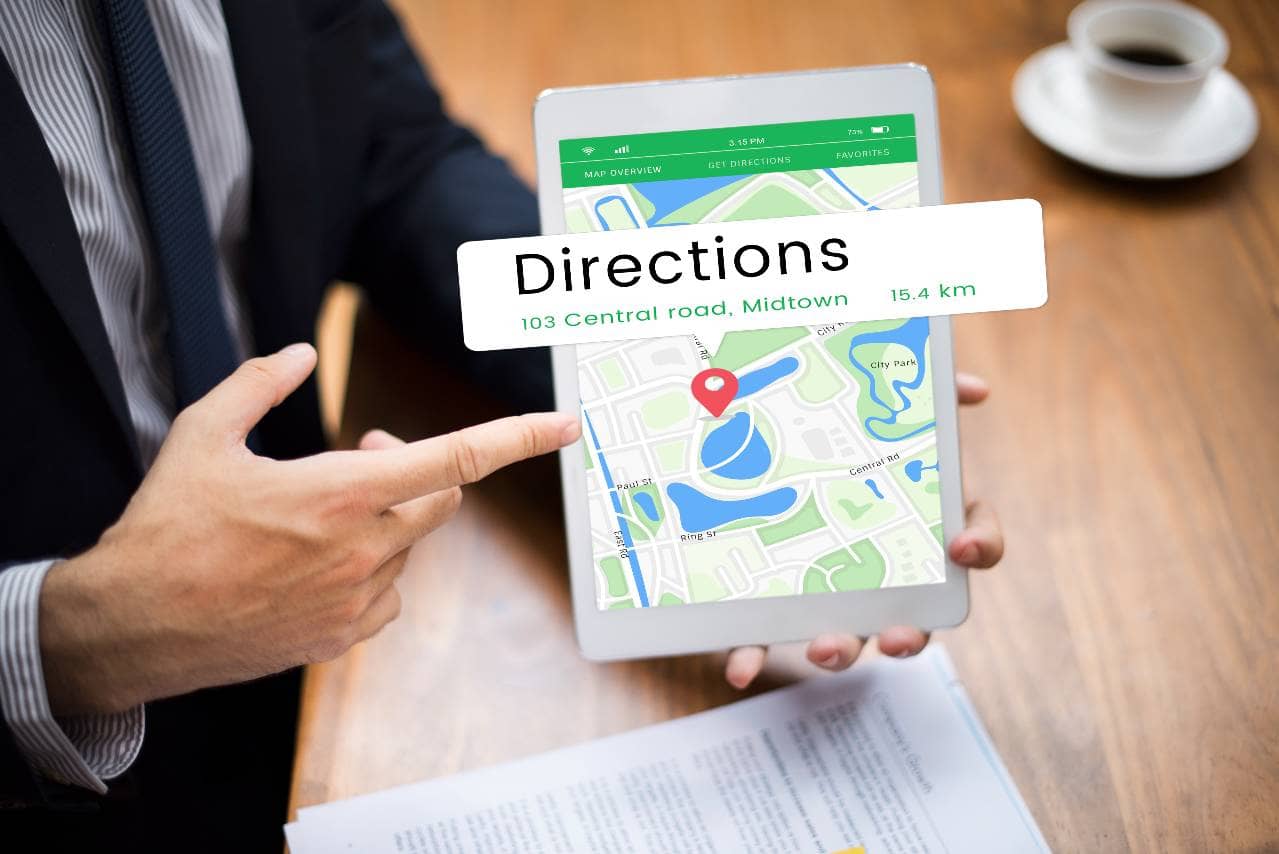
Improve restaurant visibility with local SEO by optimizing Google Business Profile, targeting local keywords, managing reviews, and maintaining accurate online information.
Oct 5, 2026

Restaurants can control operating costs by tracking food, labor, rent, utilities, technology, marketing, and other expenses against sales.
Oct 5, 2026
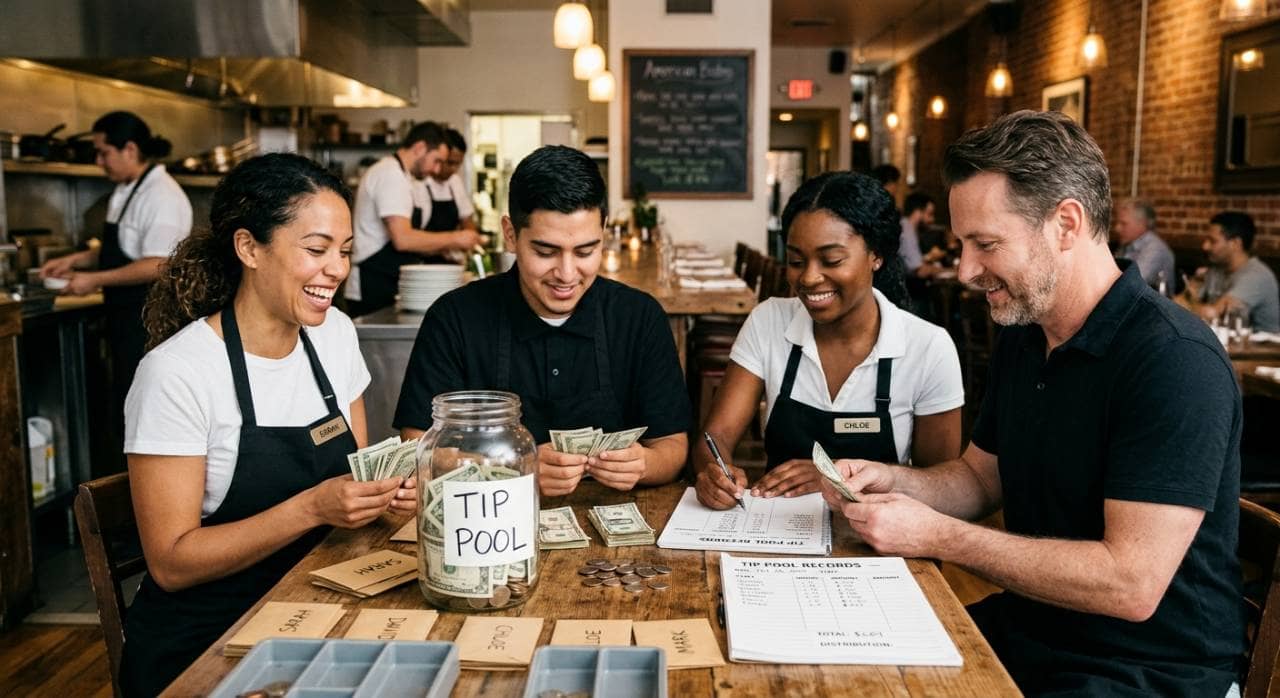
Understand tip pooling rules, employee eligibility, distribution methods, compliance requirements, recordkeeping practices, and policies restaurant owners need for proper tip management.
Oct 2, 2026

Whit's Frozen Custard hires industry veteran Amos Durbin as COO to guide franchise expansion, drawing on two decades of restaurant leadership experience.
Oct 2, 2026
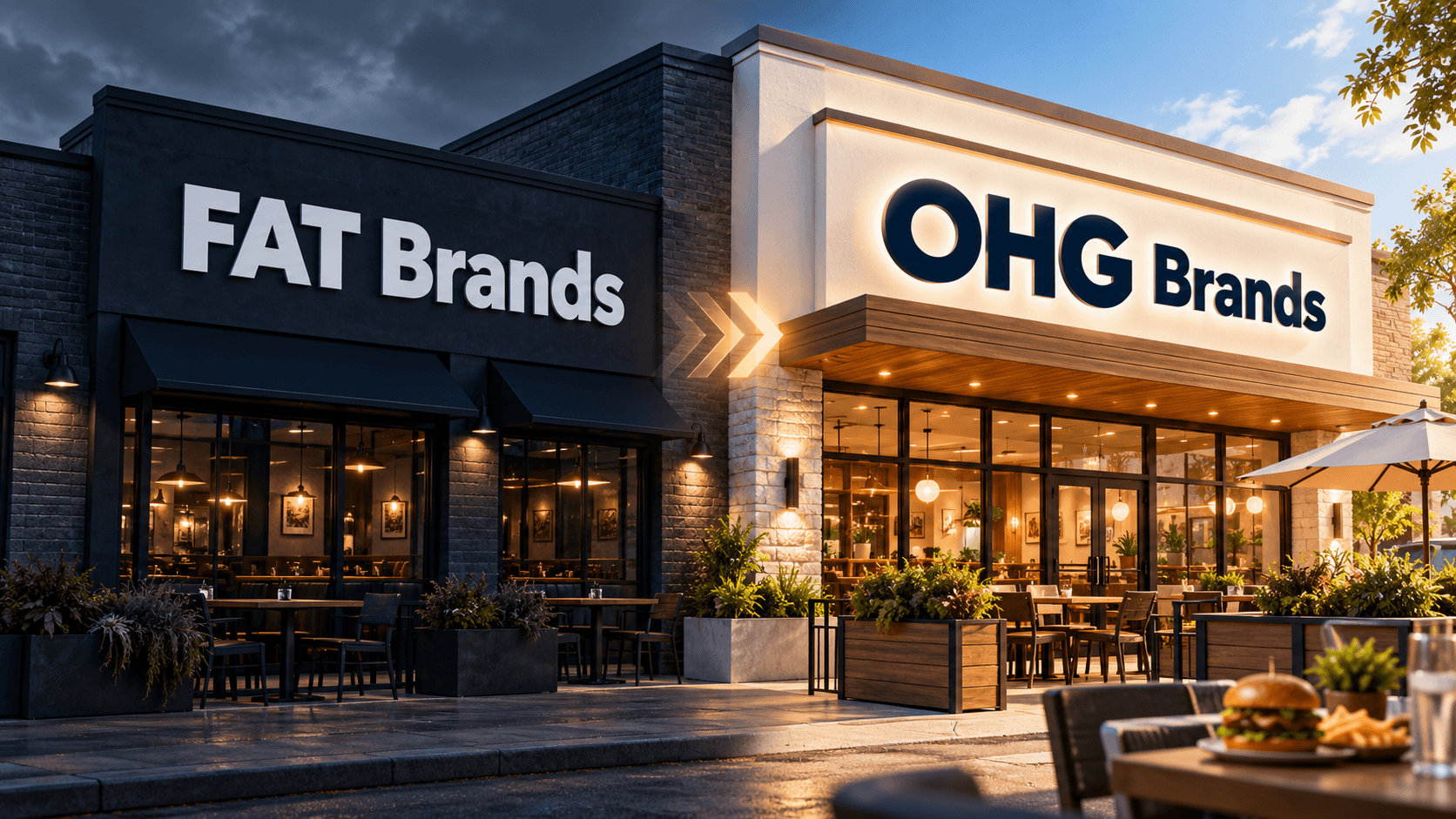
FAT Brands' $1B acquisition empire fell into bankruptcy and sold for $965M, re-emerging as OHG Brands with 1,700 restaurants.
Oct 1, 2026
CAVA names John Ludeke, former Dr. Squatch Chief Brand Officer, as its new CMO to drive national growth and guest loyalty.
Oct 1, 2026

Unlock Exclusive Access To Webinars, Events, And The Latest News For Free!
Improve restaurant visibility with local SEO by optimizing Google Business Profile, targeting local keywords, managing reviews, and maintaining accurate online information.
Local SEO helps restaurants appear when customers search for places to eat in a specific geographic area. Searches such as restaurants near me, Italian restaurant in Chicago, or best breakfast near downtown have strong local intent because the customer is looking for a nearby business they can visit. For restaurant owners, local SEO focuses on making the business more visible in Google Search, Google Maps, and other local search results. A strong local SEO strategy can help a restaurant reach customers who are actively looking for dining options in the surrounding area. How Local Search Rankings Work Search engines consider several factors when determining which local businesses to display. Three important factors are relevance, distance, and prominence. 1. Relevance - How closely the restaurant matches what the customer is searching for. Accurate business categories, descriptions, services, and website content help search engines understand what the restaurant offers. 2. Distance - How close the restaurant is to the searcher or the location included in the search. A restaurant's physical location is particularly important for searches with local intent. 3. Prominence - How well-known or established the restaurant appears to be online. Factors such as reviews, links from other websites, mentions, and overall online presence can contribute to prominence. Local SEO is therefore more than adding a city name to a restaurant's website. It requires accurate business information, relevant content, a strong online presence, and signals that help search engines connect the restaurant with local customers. Why Local SEO Matters for Restaurants Restaurant searches often have immediate intent. Someone searching for pizza near me or Mexican restaurant near me may be ready to choose a restaurant within minutes. Appearing prominently in local search results puts the restaurant in front of customers at the moment they are deciding where to eat. The first step is understanding how local search works. Once the restaurant's location, services, and online presence are clearly established, owners can begin optimizing their Google Business Profile, website, reviews, local listings, and other local SEO signals.
A Google Business Profile is one of the most important assets for a restaurant's local SEO strategy. It helps customers find essential information about the business directly in Google Search and Google Maps, including its location, hours, phone number, website, menu, photos, and customer reviews. An incomplete or outdated profile can make it harder for customers to find accurate information and take action. Restaurant owners should review and optimize every relevant part of the profile. Claim and Verify the Business Profile Start by claiming and verifying the restaurant's Google Business Profile. Make sure the business name matches the name customers recognize and use consistently across the restaurant's online presence. Avoid adding unnecessary keywords or promotional phrases to the business name. The profile should represent the actual business name rather than being written specifically to manipulate search rankings. Provide Complete and Accurate Information Restaurant information should be accurate and consistent. Pay particular attention to - - Business name - Address - Phone number - Website - Business hours - Holiday or special hours - Primary business category - Additional relevant categories Select the category that most accurately describes the restaurant. Additional categories can help communicate other relevant aspects of the business when they genuinely apply. Add Restaurant-Specific Information Restaurants can provide customers with more useful information through their profile. Add a menu or menu link, ordering options, reservation information, and other services the restaurant actually provides. High-quality photos can also help customers understand what to expect before visiting. Consider regularly adding photos of the restaurant exterior, dining area, dishes, menu items, and other relevant features. Keep the Profile Updated Local SEO is not a one-time task. Changes to operating hours, menus, services, locations, or ordering options should be reflected in the profile as soon as possible. Regularly reviewing the Google Business Profile helps prevent customers from encountering incorrect information and ensures that the restaurant continues to present accurate, useful information in local search results. A complete and well-maintained profile gives search engines clearer information about the restaurant while making it easier for nearby customers to discover, evaluate, and contact the business.
Local keywords help search engines understand where a restaurant operates and what types of food, services, or experiences it provides. Using relevant location-based terms throughout the website can help connect the restaurant with customers searching for dining options in the area. Identify Relevant Local Keywords Start by identifying the phrases potential customers use when searching for restaurants. Consider combinations of the restaurant's cuisine, service, and location. Examples include - - Italian restaurant in Austin - best seafood restaurant in Miami - breakfast restaurant near downtown Denver - family restaurant in Phoenix - pizza delivery in Brooklyn - restaurants near [neighborhood] Look for keywords that reflect actual customer intent rather than focusing only on terms with high search volume. Add Local Keywords to Important Pages Place relevant local keywords in important areas of the website, including - - Page titles - Headings - Meta descriptions - URLs - Homepage content - Location pages - Menu-related pages - Service pages - Image alt text when descriptive and appropriate For example, instead of a generic page title such as Our Restaurant, a restaurant could use a more descriptive title such as Italian Restaurant in Austin | [Restaurant Name]. Match Keywords With Search Intent Different local searches represent different customer needs. Someone searching for best steakhouse in Dallas may be researching restaurants, while someone searching for steakhouse near me open now may be ready to visit. Restaurant websites should create content that matches these different search intents. Include practical information such as location, hours, menu options, parking, reservations, delivery, and other services when relevant. Avoid Keyword Stuffing Adding the same location keyword repeatedly can make content difficult to read and may create a poor user experience. Local keywords should fit naturally into useful content. A stronger approach is to use variations that accurately describe the restaurant, its location, and its offerings. The website should primarily help customers understand where the restaurant is, what it serves, and why they might choose it. When local keywords are combined with useful, location-specific information, they provide search engines with clearer context while helping nearby customers find the restaurant through relevant searches.

Creating content around the restaurant's local area can strengthen its visibility for location-based searches. Instead of relying only on a homepage and menu, restaurant owners can create useful content that connects the restaurant with the neighborhoods, communities, and search topics relevant to its customers. The focus should be on local search intent. Content should answer questions or provide information that people in the area are actually looking for. Create Location-Specific Pages Restaurants with multiple locations should create dedicated pages for each restaurant rather than directing customers to a single generic location page. Each location page should provide unique, useful information such as - - Full address and contact information - Operating hours - Menu and ordering options - Parking or transportation information - Nearby landmarks or neighborhoods - Reservation information - Photos of that specific location - Directions and location details Avoid creating nearly identical pages that simply replace one city or neighborhood name with another. Each location page should provide information that is genuinely useful for customers visiting that location. Develop Content Around Local Search Intent Restaurant content can also target questions and topics related to the local dining experience. For example, a restaurant could create content about where to eat before a local event, lunch options near a business district, family dining in a particular neighborhood, or restaurants near popular local attractions when those topics are relevant. This type of content can introduce the restaurant to customers who may not be searching for its name but are researching dining options in the area. Connect Local Content With Important Pages Use internal links to connect location-focused content with relevant restaurant pages. For example, an article about dining near a local attraction could link to the restaurant's location page, menu, reservation page, or ordering page. This helps customers move from informational content to useful next steps while helping search engines understand how different pages on the website are connected. Keep Local Content Useful and Specific Local content should provide genuine information rather than exist solely to include location-based keywords. Avoid creating thin pages for every nearby neighborhood or city unless the restaurant actually serves those areas. The strongest local content combines specific geographic information, useful customer guidance, and clear information about the restaurant. This gives search engines more context while helping potential customers discover the restaurant through relevant local searches.
Local citations are online mentions of a restaurant's business information, particularly its name, address, and phone number (NAP). These mentions can appear on business directories, restaurant platforms, local websites, and other relevant online sources. Consistent citations help customers find accurate business information and provide search engines with additional context about the restaurant and its location. Keep Your Business Information Consistent The restaurant's basic information should match across important online listings. Check that the following details are accurate - - Business name - Street address - Phone number - Website URL - Hours of operation Even small inconsistencies can create confusion. For example, using different versions of a restaurant's name or phone number across listings can make it harder to determine whether multiple listings represent the same business. Claim and Update Important Listings Restaurant owners should identify the online directories and platforms where their restaurant appears and claim the listings they control. Prioritize platforms that are relevant to restaurants and commonly used by customers. Review each listing periodically and update information when the restaurant changes its address, phone number, hours, website, or other important details. For restaurants with multiple locations, each location should have its own accurate information rather than combining several locations into one listing. Remove Duplicate or Incorrect Listings Duplicate listings can create confusion for customers and search engines. Restaurant owners should look for duplicate, outdated, or incorrect profiles and take appropriate steps to correct or remove them where possible. Pay particular attention to old listings after a restaurant moves, changes its name, or changes its phone number. Focus on Quality Over Quantity Building local citations is not about submitting the restaurant to every directory available online. Relevant and trustworthy listings are more valuable than a large number of low-quality listings. Focus on platforms that are relevant to the restaurant's industry, location, and customers. Local directories, restaurant-focused platforms, chambers of commerce, tourism websites, and reputable business directories may all be useful depending on the restaurant and market. Consistent local citations reinforce the restaurant's online presence and make it easier for customers to find reliable information across the web.
Customer reviews are an important part of a restaurant's online presence. When people are deciding where to eat, reviews can influence which restaurants they consider and whether they ultimately visit, make a reservation, or place an order. For local SEO, restaurant owners should focus on building a steady collection of genuine, relevant, and recent customer reviews while maintaining an active approach to responding to them. Encourage Customers to Leave Reviews Make it easy for customers to share their experience. Restaurants can request reviews after a visit, include review links in follow-up messages, or provide clear instructions for customers who want to leave feedback. The goal should be to encourage honest reviews, not to pressure customers into leaving only positive feedback. Avoid offering incentives in exchange for reviews if doing so violates the policies of the platform. Respond to Positive and Negative Reviews Responding to reviews shows that the restaurant is paying attention to customer feedback. For positive reviews, a short and personalized response can acknowledge the customer's experience. For negative reviews, respond professionally and address the concern without becoming defensive. When appropriate, provide a way for the customer to continue the conversation privately. Responses should avoid copying the same message for every review. Personalized responses can make the restaurant appear more engaged and attentive. Monitor Reviews Across Platforms Google may be the most important review platform for many restaurants, but customers can leave feedback across several websites and services. Create a process for monitoring reviews regularly. Look for recurring complaints or compliments involving areas such as food quality, service, wait times, cleanliness, pricing, or order accuracy. Review feedback can reveal operational issues that affect both customer satisfaction and the restaurant's online reputation. Focus on Consistency and Authenticity A strong review profile is built over time. Rather than trying to generate a large number of reviews all at once, encourage customers to share genuine feedback consistently. Restaurants should also avoid purchasing reviews, creating fake reviews, or manipulating ratings. These practices can damage credibility and may violate platform policies. By consistently requesting authentic feedback, responding professionally, and monitoring customer sentiment, restaurants can build a stronger online presence while giving potential customers more information when they compare local dining options.

A restaurant website should make it easy for both search engines and customers to understand where the business is located, what it offers, and how to visit or order. A website that provides clear local information can support visibility in local search while creating a better experience for customers. Make the Website Mobile-Friendly Many restaurant searches happen when customers are away from home and using a smartphone. The website should work properly on mobile devices, load quickly, and make important information easy to find without excessive scrolling. Menus, phone numbers, directions, reservation options, and online ordering should be easy to access from a mobile screen. Display Essential Location Information Make important business information easy to find throughout the website. At a minimum, customers should be able to quickly locate the restaurant's - - Name - Address - Phone number - Hours - Menu - Directions - Reservation options - Online ordering options, when available A dedicated location or contact page can bring these details together while providing search engines with clear information about the restaurant's physical location. Improve Website Speed and Usability Page speed can affect the user experience, particularly for customers browsing from mobile devices. Compress large images, reduce unnecessary website elements, and make sure important pages load efficiently. The website should also have simple navigation. Customers looking for a menu or directions should not have to navigate through several pages to find basic information. Use Restaurant Structured Data Restaurant owners can also use structured data to provide search engines with information about the business in a standardized format. Depending on the restaurant's website and implementation, this can communicate details such as its name, address, phone number, hours, menu, and other relevant information. Structured data does not replace other local SEO efforts, but it can help search engines better understand the information presented on the website. Make Local Actions Easy Local SEO should ultimately help customers take action. Include clear options to call the restaurant, get directions, view the menu, make a reservation, or place an order. A restaurant website that combines accurate local information with a fast, mobile-friendly experience gives customers a straightforward path from discovering the business in search results to visiting or ordering from it.
Local SEO requires ongoing monitoring. Search visibility can change as competitors update their profiles, customer reviews accumulate, search behavior changes, and business information is updated. Restaurant owners should regularly review performance to understand what is working and where improvements are needed. Monitor Local Search Performance Track how customers discover and interact with the restaurant online. Useful metrics include - - Local keyword rankings - Google Maps visibility - Google Business Profile interactions - Website traffic from local searches - Phone calls - Direction requests - Menu views - Reservation activity - Online orders - Customer reviews These metrics can help identify whether local SEO efforts are generating meaningful customer actions rather than simply increasing website traffic. Identify High-Performing Searches and Pages Review which search terms bring customers to the website and which pages receive the most local traffic. A restaurant may discover that customers frequently search for a particular cuisine, service, neighborhood, or location. Use these insights to improve existing pages and identify opportunities for additional location-focused content. For example, if a restaurant receives significant interest from customers searching for a specific neighborhood, its website and location information should clearly address that area when relevant. Keep Business Information Current Local SEO performance can suffer when customers encounter outdated information. Regularly check the restaurant's Google Business Profile, website, directories, and other important listings. Update information whenever there are changes to hours, menus, services, locations, phone numbers, or ordering options. Pay particular attention to holidays and temporary changes in operating hours. Create a Recurring Local SEO Checklist Local SEO is easier to maintain when it becomes part of the restaurant's regular marketing process. Create a monthly or quarterly checklist covering - - Google Business Profile updates - New photos and business information - Customer reviews and responses - Local citations - Website content - Local keyword performance - Website speed and mobile usability - Calls, directions, reservations, and orders Restaurant owners do not need to change everything at once. Start with the most important local SEO fundamentals, measure the results, and make improvements based on customer behavior and search performance. A consistent process helps keep the restaurant's online presence accurate, relevant, and competitive as local search conditions change.
