
True Food Kitchen Files Bankruptcy, Closes 12 Sites
True Food Kitchen filed for Chapter 11 bankruptcy, closing 12 locations and shrinking to 34 restaurants across 14 states amid $42.1 million in debt.
News
Oct 5, 2026
True Food Kitchen filed for Chapter 11 bankruptcy, closing 12 locations and shrinking to 34 restaurants across 14 states amid $42.1 million in debt.
Oct 5, 2026

Snooze Eatery names industry veteran Amy Hom as COO, starting Sept. 28, to strengthen hospitality and operations ahead of its next growth phase.
Oct 5, 2026
Opening a second restaurant location requires readiness, clear goals, financial planning, funding, smart strategy, standardized operations, strong teams, and careful launch monitoring for sustainable growth.
Sep 30, 2026
Evaluate restaurant industry performance in Q3 2026 through key trends affecting restaurant sales, traffic, consumer spending, labor, costs, and technology.
Oct 2, 2026
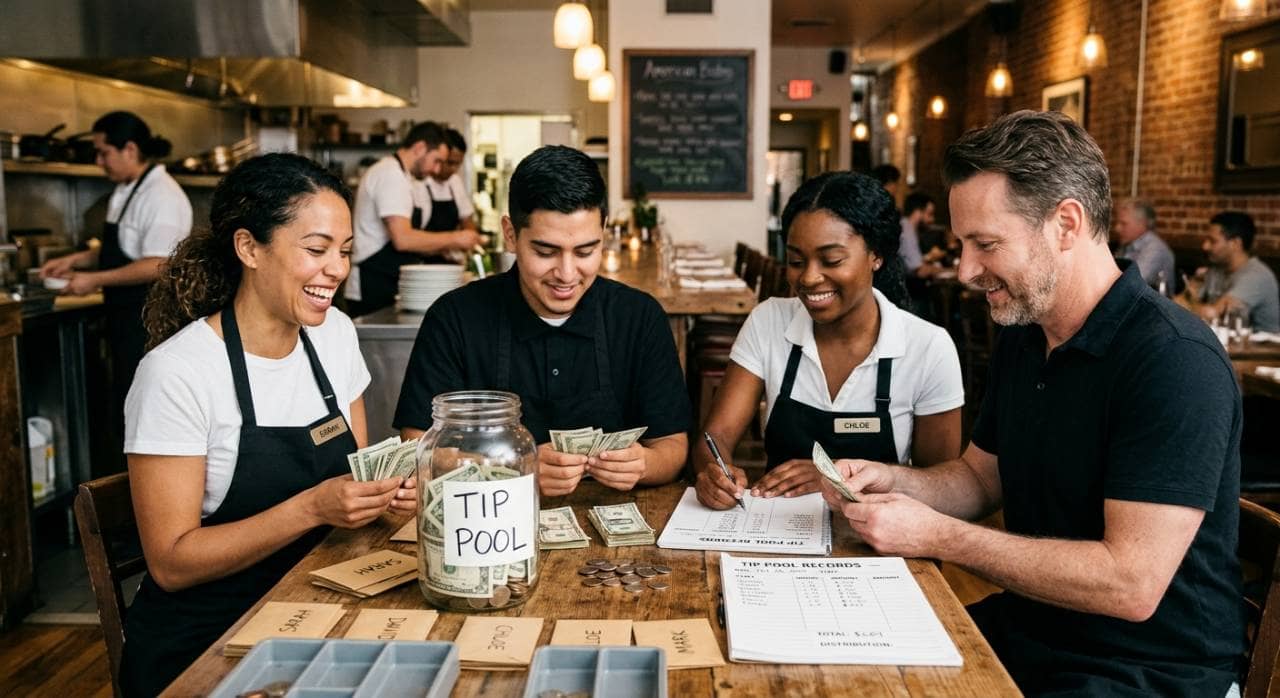
Understand tip pooling rules, employee eligibility, distribution methods, compliance requirements, recordkeeping practices, and policies restaurant owners need for proper tip management.
Oct 2, 2026

Whit's Frozen Custard hires industry veteran Amos Durbin as COO to guide franchise expansion, drawing on two decades of restaurant leadership experience.
Oct 2, 2026
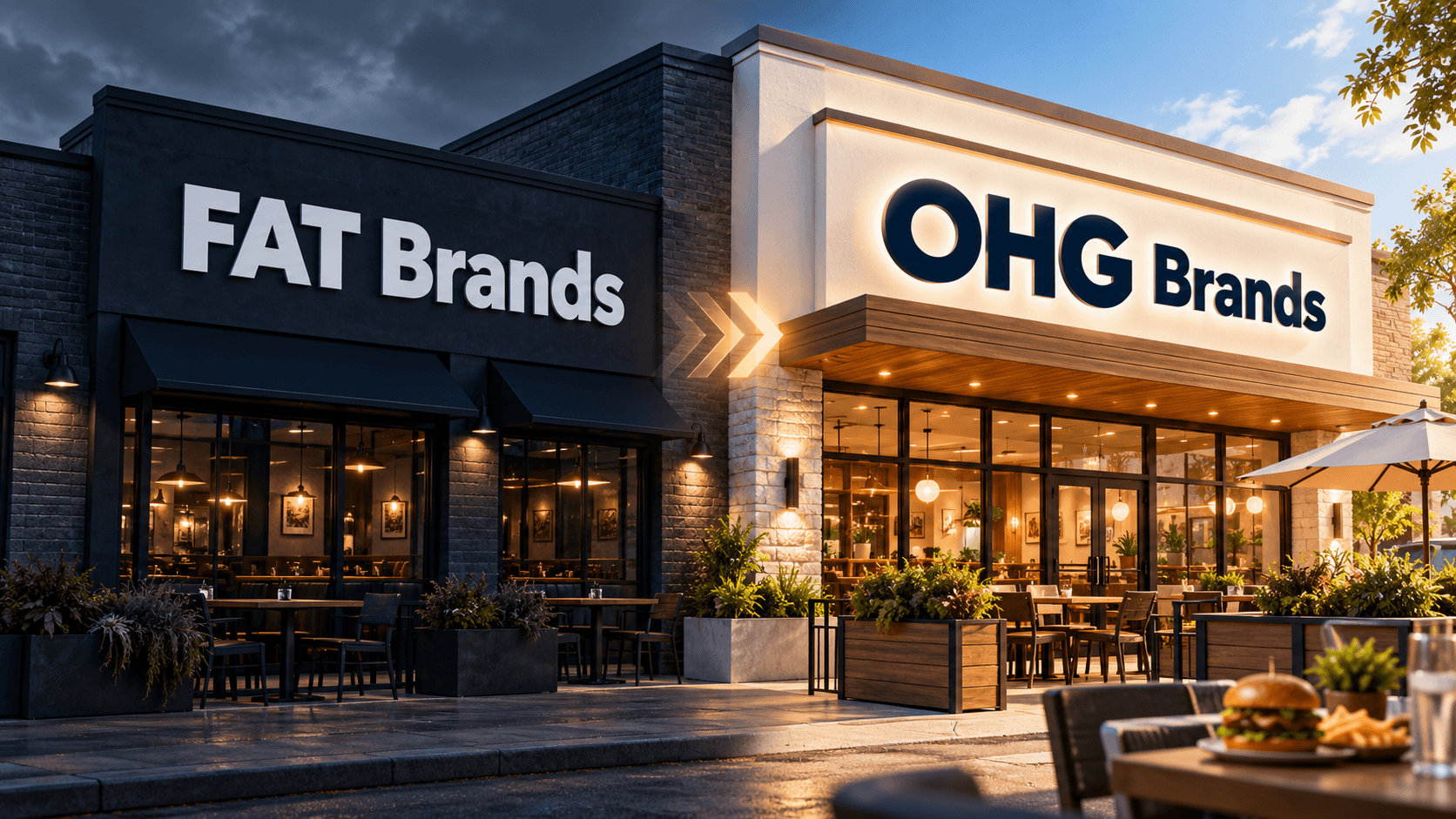
FAT Brands' $1B acquisition empire fell into bankruptcy and sold for $965M, re-emerging as OHG Brands with 1,700 restaurants.
Oct 1, 2026
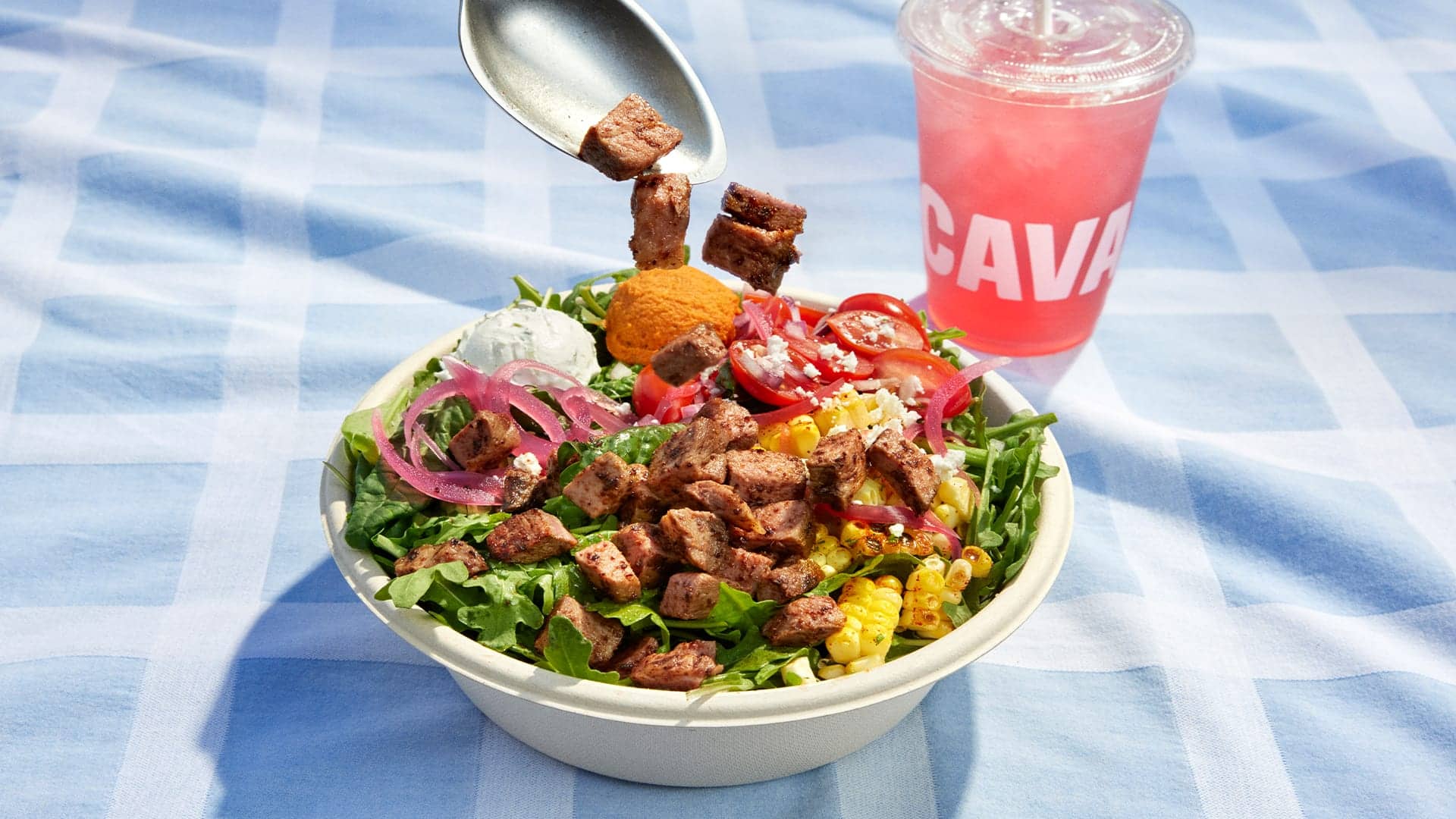
CAVA names John Ludeke, former Dr. Squatch Chief Brand Officer, as its new CMO to drive national growth and guest loyalty.
Oct 1, 2026
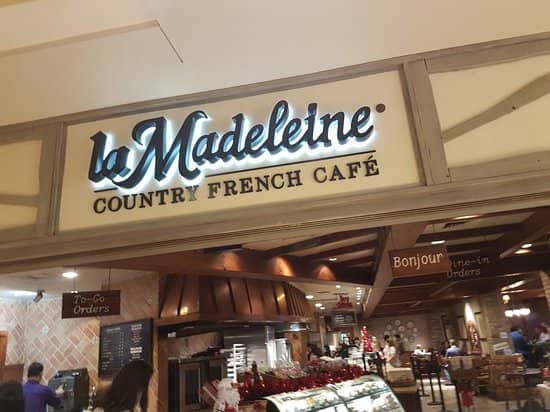
La Madeleine's CEO John Dillon steps down mid-turnaround, leaving a menu overhaul, new coffee program, and franchise growth plans in limbo.
Oct 1, 2026

Hot Head Burritos promotes longtime operator Peter Wiley to corporate VP, chief marketing and chief technology officer, blending brand strategy with tech oversight.
Oct 1, 2026

Unlock Exclusive Access To Webinars, Events, And The Latest News For Free!
True Food Kitchen filed for Chapter 11 bankruptcy, closing 12 locations and shrinking to 34 restaurants across 14 states amid $42.1 million in debt.
Photo by Maddi Bazzocco
The doors are closing on twelve True Food Kitchen locations, cutting the chain down to 34 restaurants across 14 states, as the better-for-you dining brand filed for bankruptcy Monday and began what it's calling a formal sales process.
The company has lined up $20 million in debtor-in-possession financing from HumanCO TFK IV to keep the lights on through the court proceedings, a necessary lifeline given the roughly $42.1 million in debt now on its books, some of it tied to merchant cash advance agreements with multiple lenders.
That kind of financing tends to show up when a company is already stretched thin and reaching for whatever capital it can find, and its presence here tells its own quiet story about how long the pressure had been building before Chapter 11 became the only road left.
There's something almost poignant about watching a brand built on wellness philosophy end up in a courtroom fighting for its financial health. True Food Kitchen started 18 years ago in Phoenix, Arizona, the brainchild of wellness author Dr. Andrew Weil and restaurateur Sam Fox, who shaped the menu around an anti-inflammatory diet and the kind of simple, minimally processed cooking that felt genuinely different from the rest of casual dining at the time.
It grew inside Fox Restaurant Concepts until 2017, when it had reached 20 locations and was spun off to chart its own course. The momentum kept building from there, culminating in a $100 million funding round in 2022, the single largest investment in the company's history, which helped carry the chain to a peak of 46 restaurants before the recent closures began chipping away at that footprint.

Growth on paper doesn't always mean stability underneath, and that gap is where True Food Kitchen's troubles really took root. Court documents point to significant leadership turnover that left the brand without a consistent hand on the wheel, with different executive teams pulling the company in different directions on expansion, menu direction, and overall identity.
One stretch of that drift produced True Food To-Go, a quick-service prototype out of Tempe, Arizona, meant to push the brand into a faster, more casual format. It never found an audience. The pandemic added its own layer of improvisation, pushing the company into ghost kitchens and a standalone delivery-only facility, both of which have since been shut down as leadership steered the focus back to the dine-in experience the brand was originally built around.
Taken together, the capital, the scale, and the scattered strategy paint a picture of a company that had the resources and the customer interest to grow fast but never quite settled into a steady version of itself.

Not every restaurant in the portfolio was struggling, which is worth sitting with for a moment. Some locations stayed profitable right up to the filing, while others sat in markets where foot traffic had thinned out as demographics and shopping patterns shifted around them.
That split explains why this looked more like a trim than a teardown. The 12 closures almost certainly came from the weaker end of the map rather than being spread evenly across the chain, and the fact that 34 restaurants remain in operation suggests leadership still sees real commercial life in the concept, just not in every zip code it had expanded into.

CEO Jeff Chandler, brought on in July 2026 specifically to help steer a turnaround, described the filing less as a defeat than a recalibration. "True Food Kitchen is a pioneering brand with a distinctive position in wellness-driven dining, a loyal community of guests, and a mission that is more relevant than ever," he said. "This process is the best path forward to simplify the business and focus on what we do best: delivering craveable, health-forward food and genuine hospitality. We are confident this step will help us build a stronger True Food Kitchen for the future."
Losing a quarter of its restaurant count isn't a small adjustment, and the scale of it suggests the financial strain had passed the point where smaller fixes would have been enough.

None of this happened overnight, and the paper trail shows a company that tried several things before heading to court. Chandler's hiring last year was the first visible move, followed by a string of attempts to right the ship:
- Real Estate Review: Engaging consulting firms to review real estate holdings and weigh strategic options
- Corporate Layoffs: Laying off corporate staff as part of broader cost-cutting
- Vendor Renegotiation: Renegotiating vendor contracts to ease cash flow pressure
- Lease Buyers: Seeking buyers willing to assume unexpired leases on locations it no longer wanted to run
- Workforce Trimming: Trimming the workforce down to what's needed for bankruptcy administration
Chandler was candid about what that meant for the people affected. "We know these decisions are especially hard on the team members affected, and we are deeply grateful for their contributions to True Food Kitchen and their communities," he said. "We are committed to approaching this difficult moment with care and respect, and we will share information on resources and next steps with affected team members." It's the kind of statement that doesn't erase the hardship, but it does suggest the company understands the weight of what it's asking people to absorb.

What happens from here rests on the sales process and on which of the 34 surviving restaurants prove durable enough to carry the brand forward. True Food Kitchen still has a loyal following and a concept that, in the right locations, clearly works.
Whether Chandler's promise of a simpler, more focused business turns into something lasting will depend less on the mission statement and more on whether the next round of investors sees the same value in the brand that Weil and Fox saw in it nearly two decades ago.

