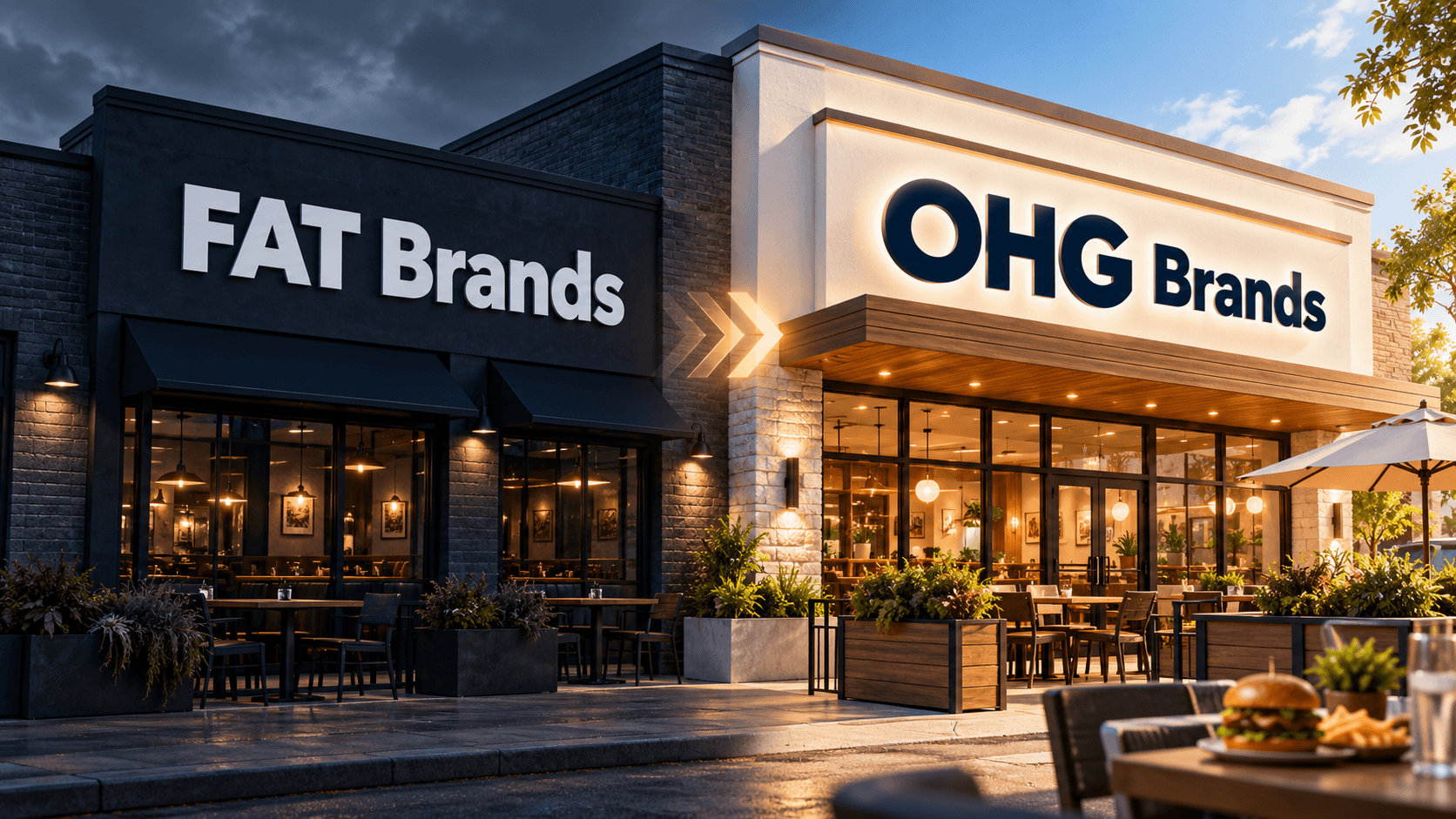
FAT Brands Collapses, Reemerges as OHG Brands
FAT Brands' $1B acquisition empire fell into bankruptcy and sold for $965M, re-emerging as OHG Brands with 1,700 restaurants.
News
Oct 1, 2026
FAT Brands' $1B acquisition empire fell into bankruptcy and sold for $965M, re-emerging as OHG Brands with 1,700 restaurants.
Oct 1, 2026
CAVA names John Ludeke, former Dr. Squatch Chief Brand Officer, as its new CMO to drive national growth and guest loyalty.
Oct 1, 2026
La Madeleine's CEO John Dillon steps down mid-turnaround, leaving a menu overhaul, new coffee program, and franchise growth plans in limbo.
Oct 1, 2026

Hot Head Burritos promotes longtime operator Peter Wiley to corporate VP, chief marketing and chief technology officer, blending brand strategy with tech oversight.
Oct 1, 2026
Mo' Bettahs names Don Crocker, a Chick-fil-A and Inspire Brands veteran, as chief development officer to lead its national corporate-owned expansion.
Sep 30, 2026

Wage hikes, the penny's end, new NLRB rules, California sugar labels, and franchise law changes are converging on operators this year.
Sep 30, 2026
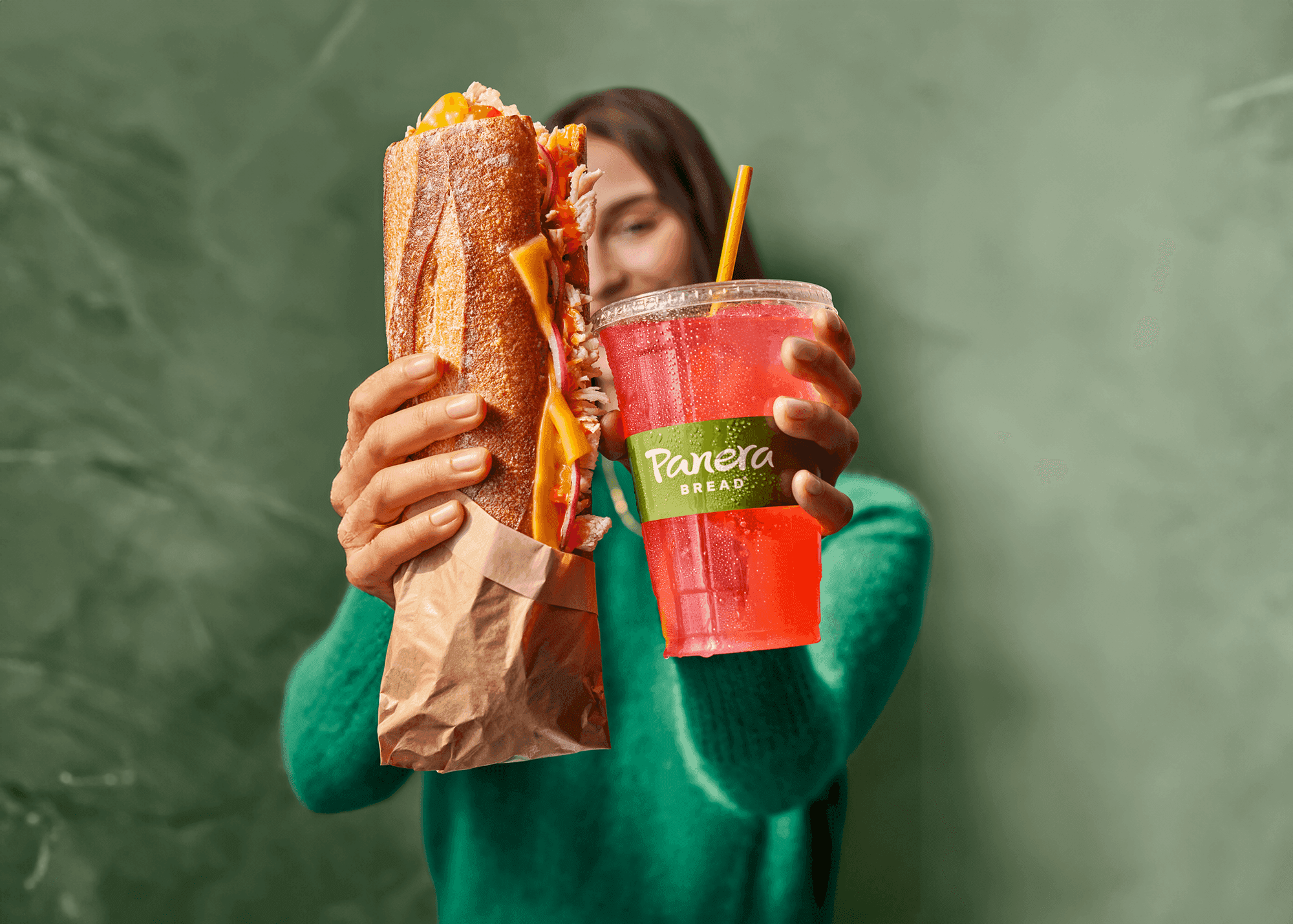
Panera taps outsiders from Burger King and Oakberry to fix operations, order accuracy and supply chain as it overhauls loyalty and marketing.
Sep 30, 2026
Opening a second restaurant location requires readiness, clear goals, financial planning, funding, smart strategy, standardized operations, strong teams, and careful launch monitoring for sustainable growth.
Sep 30, 2026
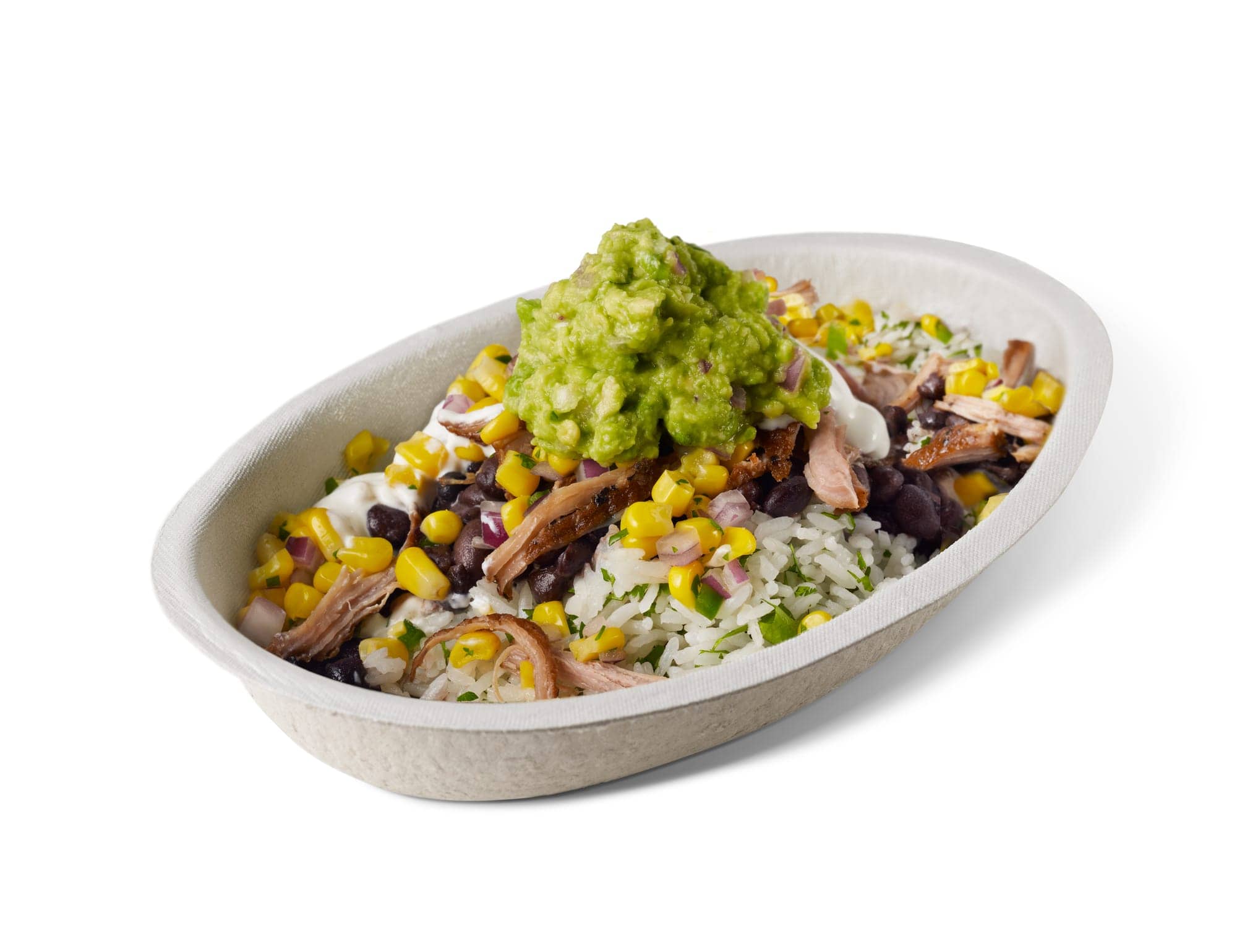
Chipotle hits 1,500 Chipotlanes, the digital pickup lanes launched in 2018. Here's how the format became core to its growth strategy.
Sep 29, 2026
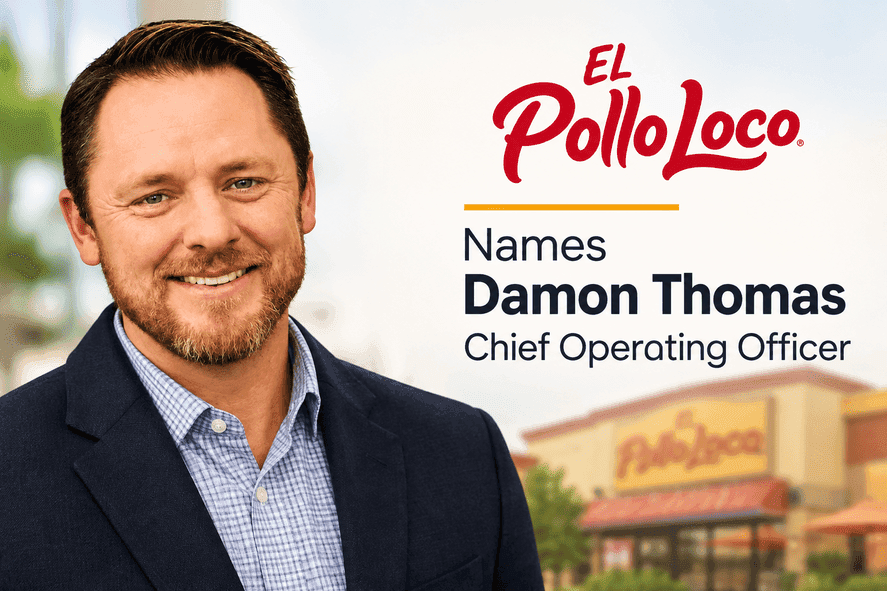
El Pollo Loco appoints Damon Thomas as chief operating officer, bringing restaurant operations experience to the company’s senior leadership team.
Sep 29, 2026

Unlock Exclusive Access To Webinars, Events, And The Latest News For Free!
FAT Brands' $1B acquisition empire fell into bankruptcy and sold for $965M, re-emerging as OHG Brands with 1,700 restaurants.
A restaurant empire built on nearly $1 billion in acquisitions just sold itself back to its lenders in pieces, and the biggest chunk now answers to a new name: OHG Brands. The letters stand for Original. Honest. Good. Whether that holds up is a question for another year, but the mechanics of how the company got here are already on the record, and they are not subtle.
FAT Brands was Andy Wiederhorn's creation, launched in 2017 and grown through relentless dealmaking into a sprawling collection of restaurant concepts. Between 2020 and 2023, the company spent close to $1 billion buying up chains, eventually controlling more than 2,200 restaurants worldwide. The growth was real. So was the debt it required.
By January, the obligations had outpaced the cash flow, and FAT Brands filed for bankruptcy. Wiederhorn agreed to step away from the business entirely during the proceedings, and his family members, who had occupied several board seats, were removed from their positions. The founding leadership that built the empire did not survive its collapse.

What followed was not a single rescue but a breakup, sold off in pieces to whoever wanted which part. A group of lenders acquired the bulk of the portfolio for $595 million, the largest transaction in the whole affair, and that group has now rebranded under the OHG name.
Separately, another lender group picked up Twin Peaks for $359.5 million. Amazing Brands bought Hot Dog on a Stick for $8 million. A Kuwait-based franchisee acquired Elevation Burger for $2.5 million, a small but telling detail: even a concept caught up in American bankruptcy proceedings still had enough appeal to draw an international buyer. Add it together and the sale prices exceed $965 million, spread across buyers with little in common beyond a willingness to bet on what remained.
Not everything made it through. Smokey Bones, which had at one point served as a conversion vehicle for underperforming Twin Peaks locations, was permanently closed as part of the dissolution.
Eleven other concepts, including Round Table Pizza, Fatburger, Marble Slab Creamery, Johnny Rockets, Fazoli's, Great American Cookies, Buffalo's Cafe & Express, Hurricane Grill & Wings, Pretzelmaker, Native Grill & Wings, and the steakhouse pairing of Ponderosa and Bonanza, now sit under OHG's roof, still totaling 1,700 locations. That a company can lose its name, its founder, and its board, and still emerge controlling 1,700 restaurants, says something about how much value was locked inside the brands themselves, separate from the corporate scaffolding that nearly brought them down.

OHG describes its mission as developing and growing its concepts around the world, leaning on brand heritage as the foundation for growth and innovation meant to resonate with the next generation of fans. It's the kind of language every rebrand reaches for, but the company has at least signaled it isn't finished talking: further details are expected in November, and the precise terms struck with each buyer beyond the headline sale prices remain undisclosed.

The larger lesson sits plainly in the numbers. FAT Brands proved that debt-fueled consolidation can assemble an empire at remarkable speed. It also proved, just as fast, that the same empire can be dismantled the moment obligations exceed what the business can carry.
What came out the other side wasn't a single successor but a scattered set of new owners, each claiming a different piece: OHG with the largest cluster, Twin Peaks and Hot Dog on a Stick and Elevation Burger under separate ownership entirely, and Smokey Bones left behind altogether. Whether "Original. Honest. Good." becomes more than a tagline will depend on how OHG manages eleven legacy brands it inherited rather than built, and on whatever the company chooses to reveal come November.
