Savory Fund Closes $201.5M Third Fund for Restaurants
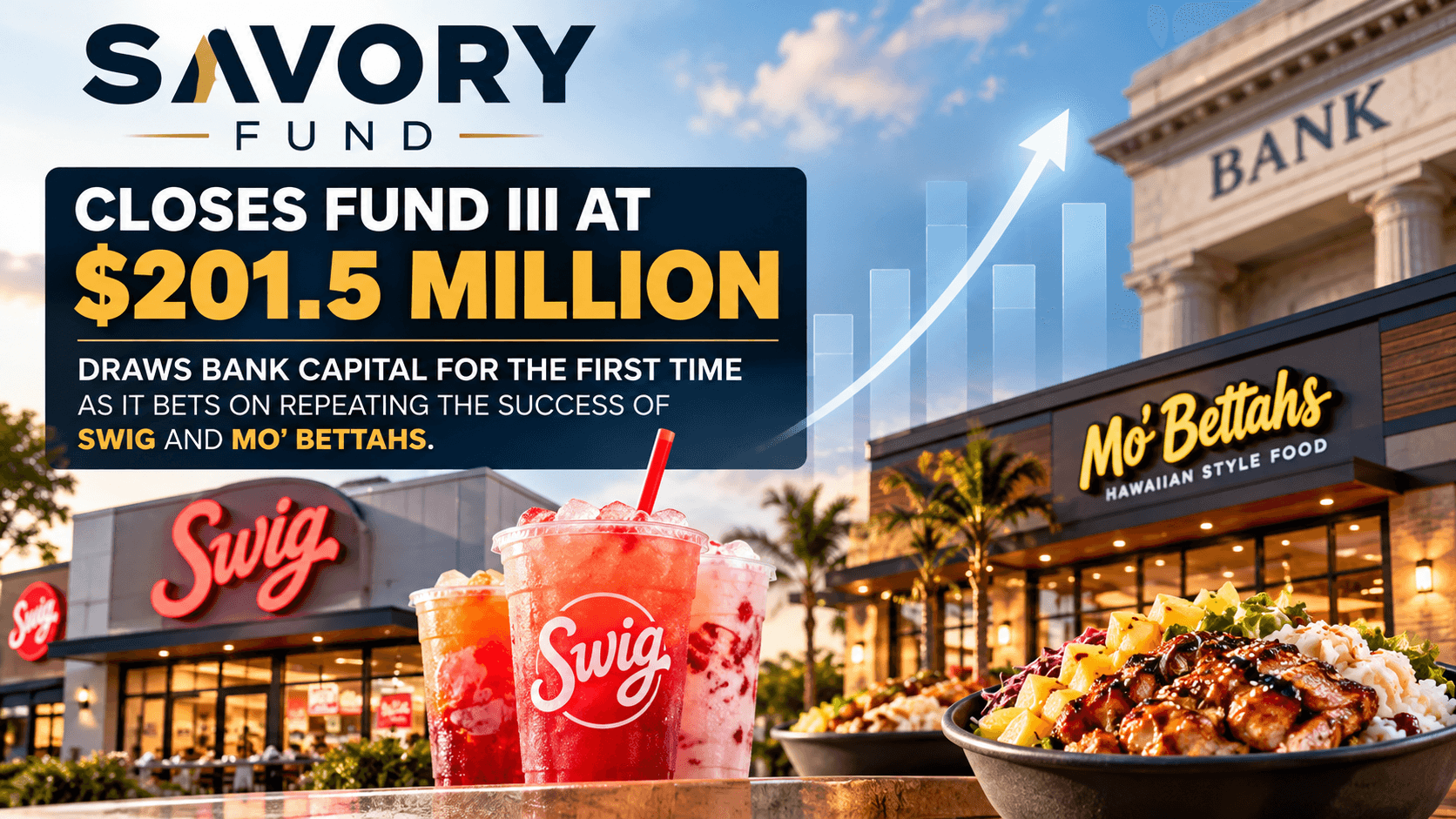
Savory Fund closes Fund III at $201.5 million, drawing bank capital for the first time as it bets on repeating the success of Swig and Mo' Bettahs.
Finance
Oct 13, 2026
Savory Fund closes Fund III at $201.5 million, drawing bank capital for the first time as it bets on repeating the success of Swig and Mo' Bettahs.
Oct 13, 2026
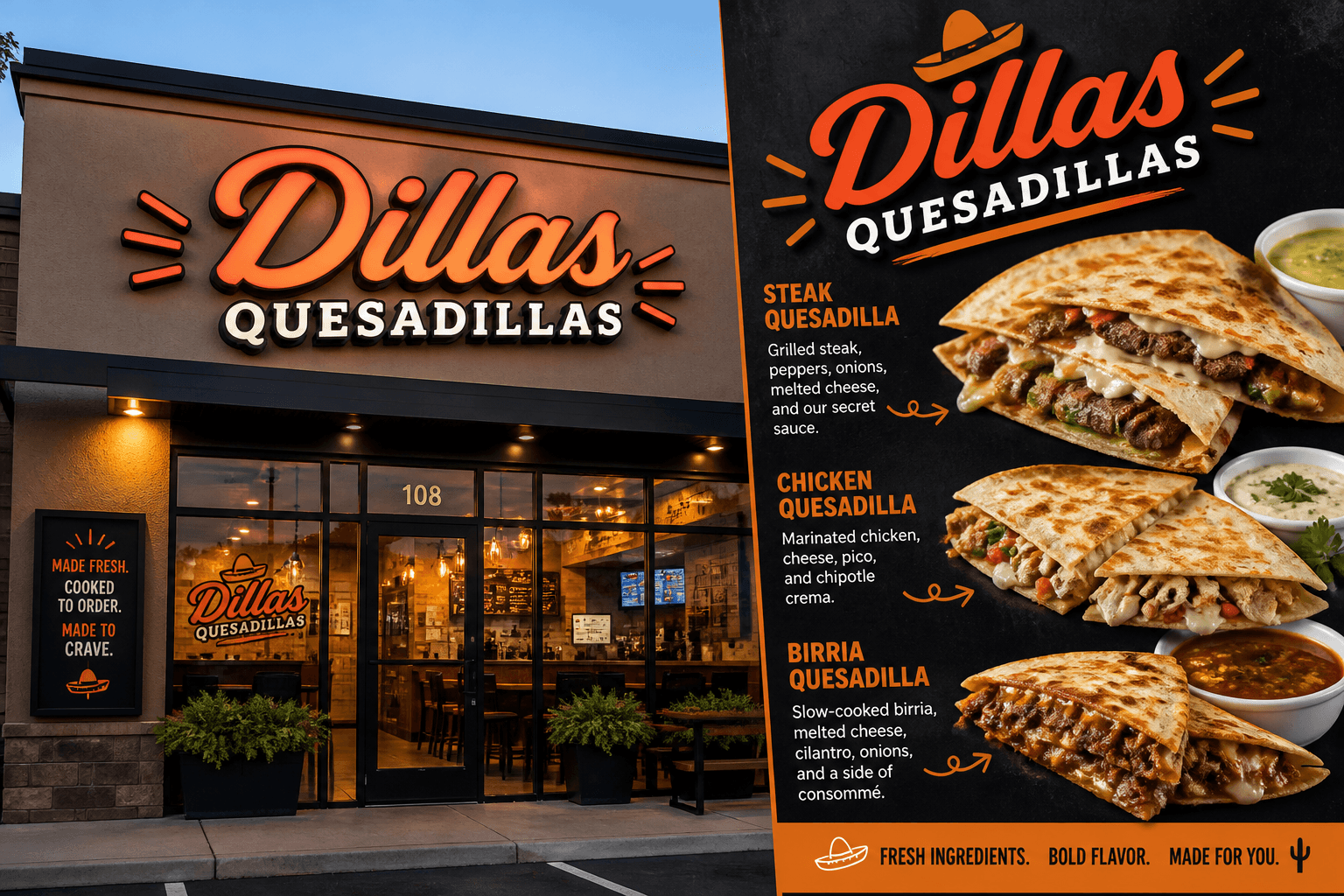
Dillas Quesadillas hires Michael Mabry as its first-ever COO to lead operations, marketing and franchise sales on the path to 50 locations by 2028.
Oct 13, 2026
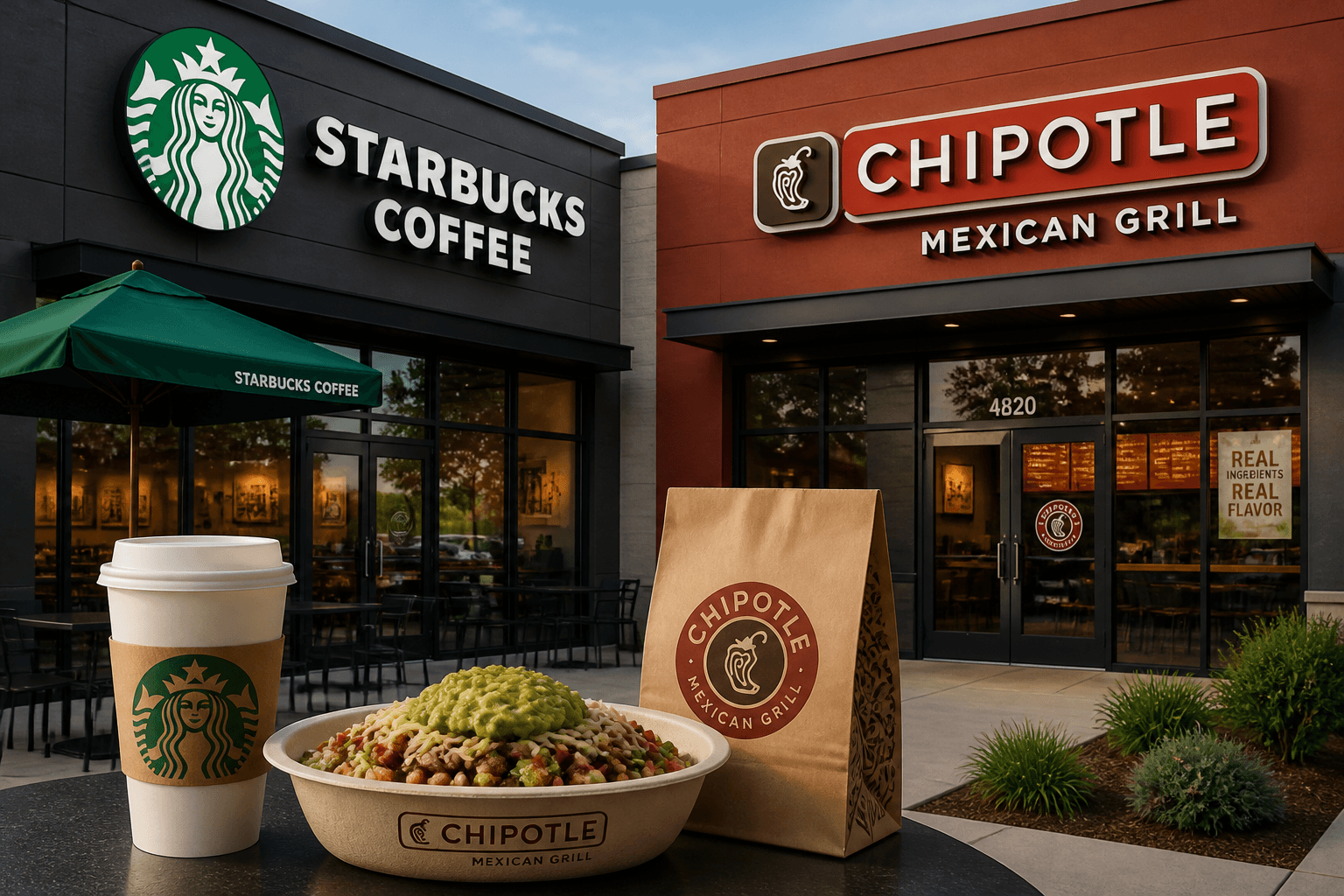
Starbucks firmly denies rumors of a $50 billion Chipotle acquisition, shifting focus to its turnaround plan and upcoming Q4 earnings report.
Oct 12, 2026
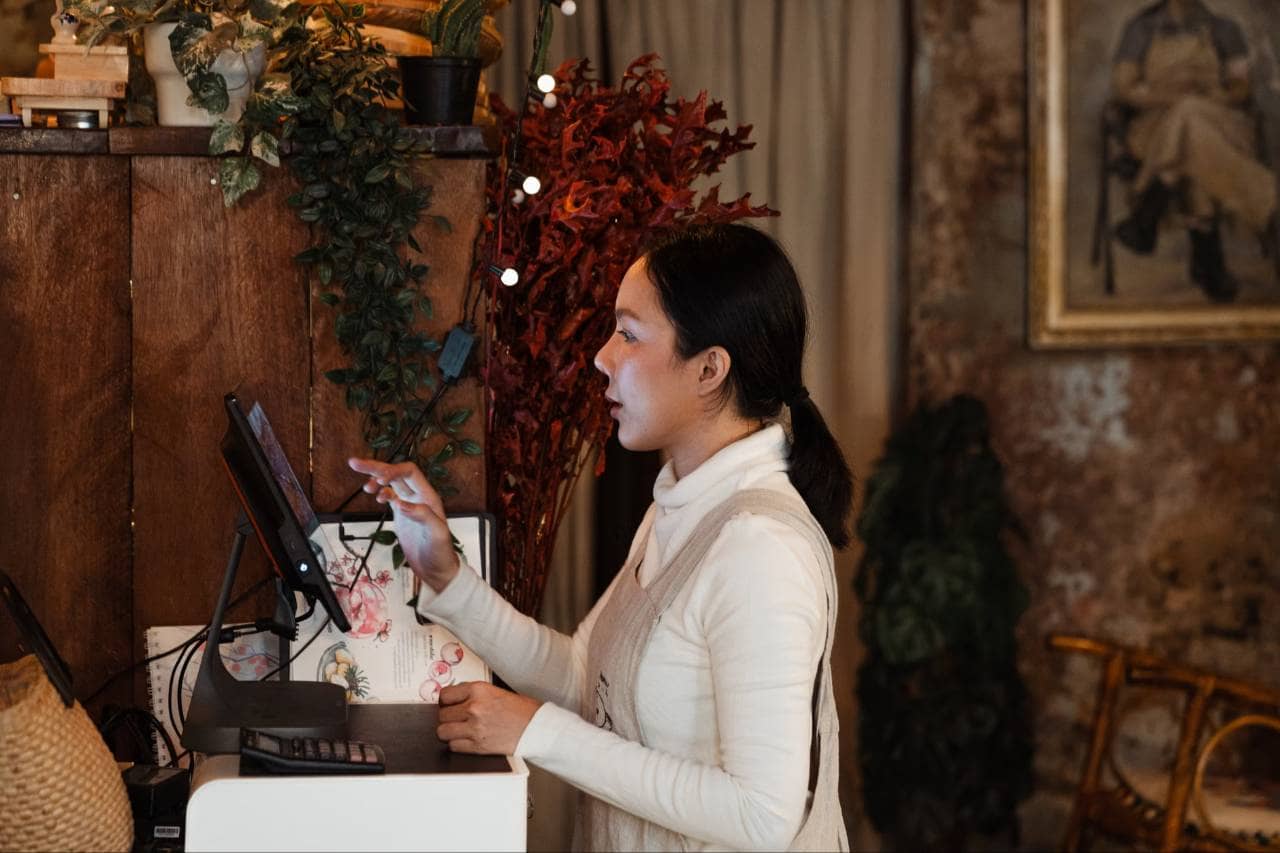
A cloud-based POS system helps restaurant owners streamline transactions, access real-time sales data, improve operational efficiency, manage costs, and support business growth.
Oct 12, 2026
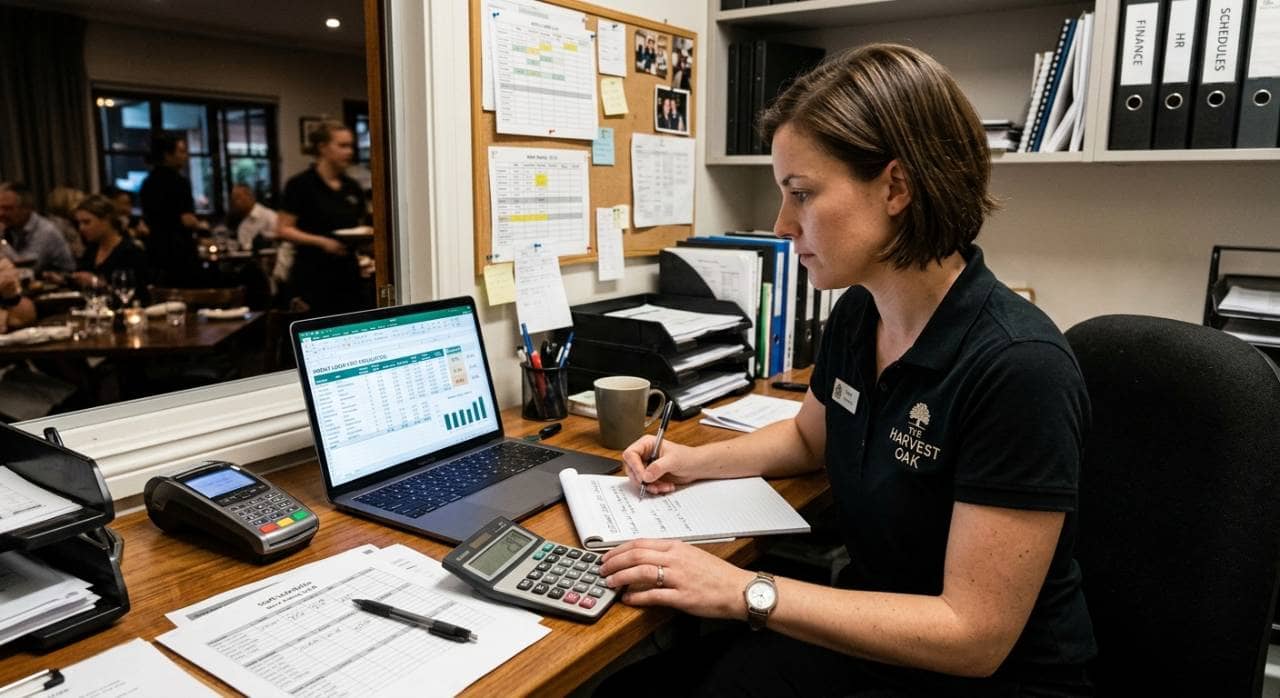
Learn how to calculate restaurant labor costs, determine labor cost percentages, account for payroll expenses, track spending, and improve profitability through smarter staffing decisions.
Oct 9, 2026
September 2026 restaurant leadership changes highlight executive priorities around expansion, operations, franchising, technology, financial performance, customer engagement, and sustainable growth.
Oct 12, 2026

Workforce management software helps restaurant owners streamline scheduling, time tracking, attendance, and labor costs, improve compliance, choose the right platform, and implement it effectively to save time and boost efficiency.
Oct 9, 2026

SignalFlare AI hires restaurant tech veteran Robert Peterson as CRO to drive adoption of its Navigator decision intelligence platform.
Oct 9, 2026
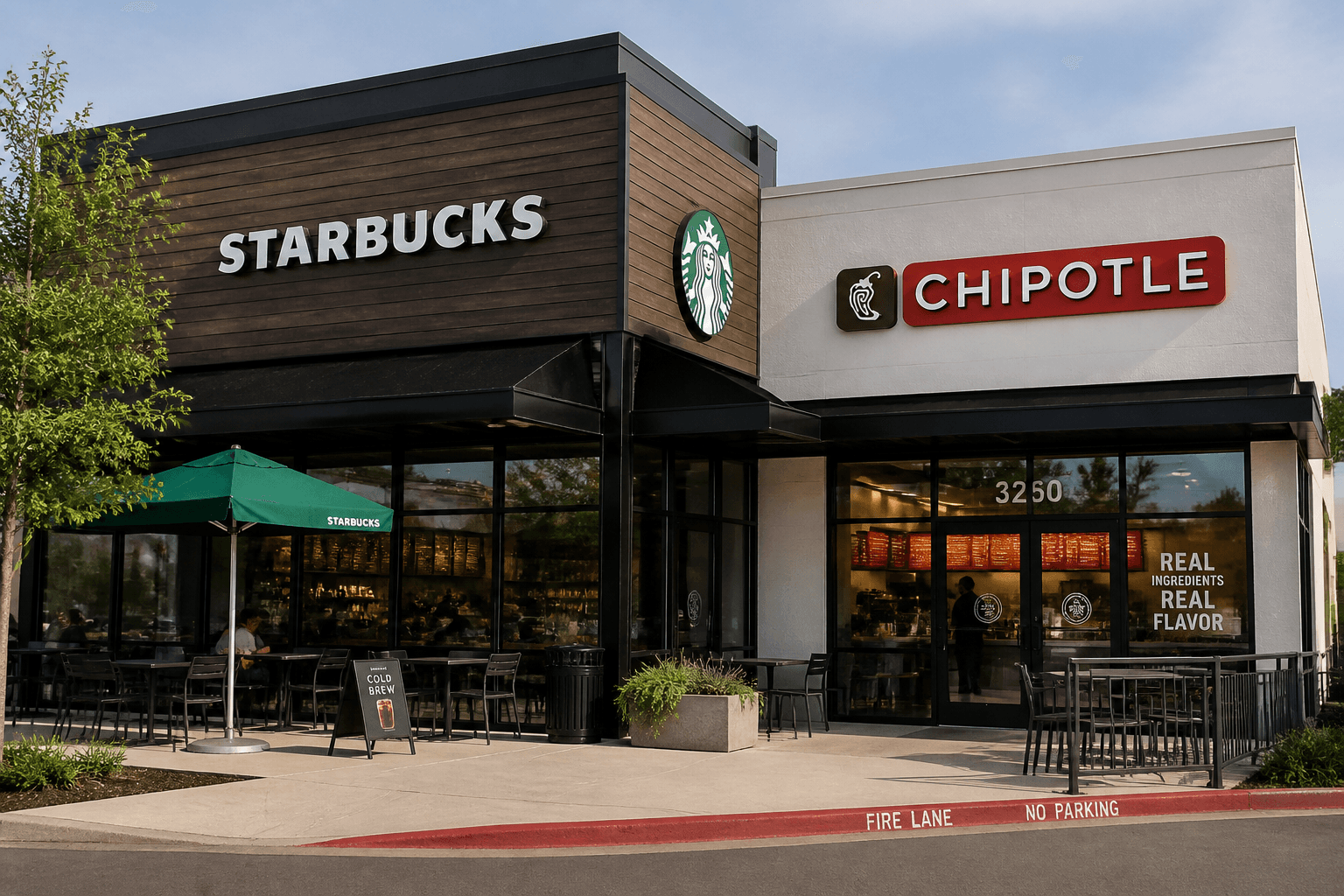
Reports of a Starbucks takeover bid for Chipotle sent shares in opposite directions, raising big questions about strategy, cost, and Brian Niccol's role.
Oct 9, 2026

CKE Restaurants names marketing veteran Alisa Gmelich President of Hardee's, tasking her with rebuilding franchisee trust and driving growth.
Oct 7, 2026

Unlock Exclusive Access To Webinars, Events, And The Latest News For Free!
Savory Fund closes Fund III at $201.5 million, drawing bank capital for the first time as it bets on repeating the success of Swig and Mo' Bettahs.
Savory Fund has closed its third fund at $201.5 million, sailing past its original $200 million target, and has already put 35 percent of that capital to work. For a firm whose name is still relatively new outside restaurant finance circles, that kind of appetite tells its own story. Savory isn't collecting commitments to sit on them. It's moving.
The private equity firm built its reputation on two names that now carry weight well beyond the West: Swig and Mo' Bettahs. Under Savory's ownership, Swig grew from 17 locations to 46 before a majority stake sold to The Larry H. Miller Company in 2022. Mo' Bettahs did something more dramatic, expanding from six locations to 56, better than ninefold, ahead of a 2024 sale to Blue Marlin Partners and Trive Capital. Savory kept minority stakes in both, and co-founder Andrew K. Smith still sits on both boards. Those aren't just exits. They're the receipts Savory brings to every new fundraising conversation.
Fund III leans on that history, but the raise itself reveals something about who's listening now. The majority of Fund III's limited partners came back from Fund I or Fund II, a retention rate that matters more than the headline number. New to the mix this time: major banks. "Seeing major banks join them was a proud moment for us," Smith said. "It tells me people are starting to see restaurants the way we always have: these are real businesses that create jobs, anchor neighborhoods, and give people a place to gather. And when they're run well, they are also strong, profitable investments."
That's not a small shift. Institutional money has historically treated restaurant investing as a volatile, operator-dependent bet, closer to a wager than an asset class. Banks writing checks alongside returning LPs suggests the category is starting to be underwritten differently.
The fund's structure reflects a familiar Savory formula: capital paired with a full operating platform, led by CEO Clay Dover, applied to founder-led concepts that are already profitable before Savory ever shows up. Fund III is designed to hold eight to nine portfolio companies across quick-service, fast-casual, and casual dining, and four slots are already filled.
- South Block: a better-for-you acai and smoothie brand pushing beyond its Washington, D.C. home base
- Bonrue Bakery: a European-style patisserie with a loyal following in Utah
- Hawkers Asian Street Food: a Michelin Guide-recommended concept outperforming its category on average unit volumes and guest frequency
- Zao Asian Grill: a fast-casual player posting same-store sales growth near 20 percent
Four categories, four growth stories, none of them accidental.
Co-founder Shauna K. Smith was careful to frame the fund's size as secondary to what the firm actually sells. "Capital is the part of our business that's easiest to explain, but it isn't what sets Savory apart," she said. "What our investors are really backing is the team behind the checks: operators who have opened restaurants, built playbooks, and know what it takes to scale without losing what made a brand special. Fund III gives us the runway to bring that expertise to more founders who are ready for their next chapter." It's a pitch built on repeatability, not on any single brand's charisma, and it explains why Savory keeps a board seat long after a sale closes. The firm isn't flipping concepts. It's staying attached to them.
What remains unwritten is almost as interesting as what's already locked in. Four to five portfolio slots are still open, with no disclosed timeline for filling them and no detail yet on how the remaining 65 percent of committed capital will be deployed beyond the pace already set. Those are real gaps, and they leave the shape of the finished fund still undetermined: which cuisines round it out, which segments get a second or third bet, how quickly four becomes nine.
What's not in question is the thesis being tested. Swig and Mo' Bettahs proved that founder-led concepts with sound unit economics can scale fast under the right operating hand, then transition to new ownership without the original backer walking away entirely. South Block, Bonrue Bakery, Hawkers, and Zao are now running that same experiment, with institutional capital, banks included, watching to see if lightning strikes twice. Savory has the track record to make that bet credible. Whether the next round of exits matches the scale of the last two is the question Fund III was built to answer.