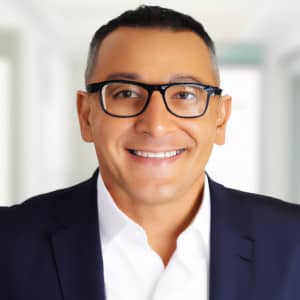
Olo Launches Consumer App After 23-Year Wait
Olo debuts a consumer ordering app, challenging DoorDash and Uber Eats with lower fees and restaurant-owned customer data.
Delivery
Oct 20, 2026
Olo debuts a consumer ordering app, challenging DoorDash and Uber Eats with lower fees and restaurant-owned customer data.
Oct 20, 2026
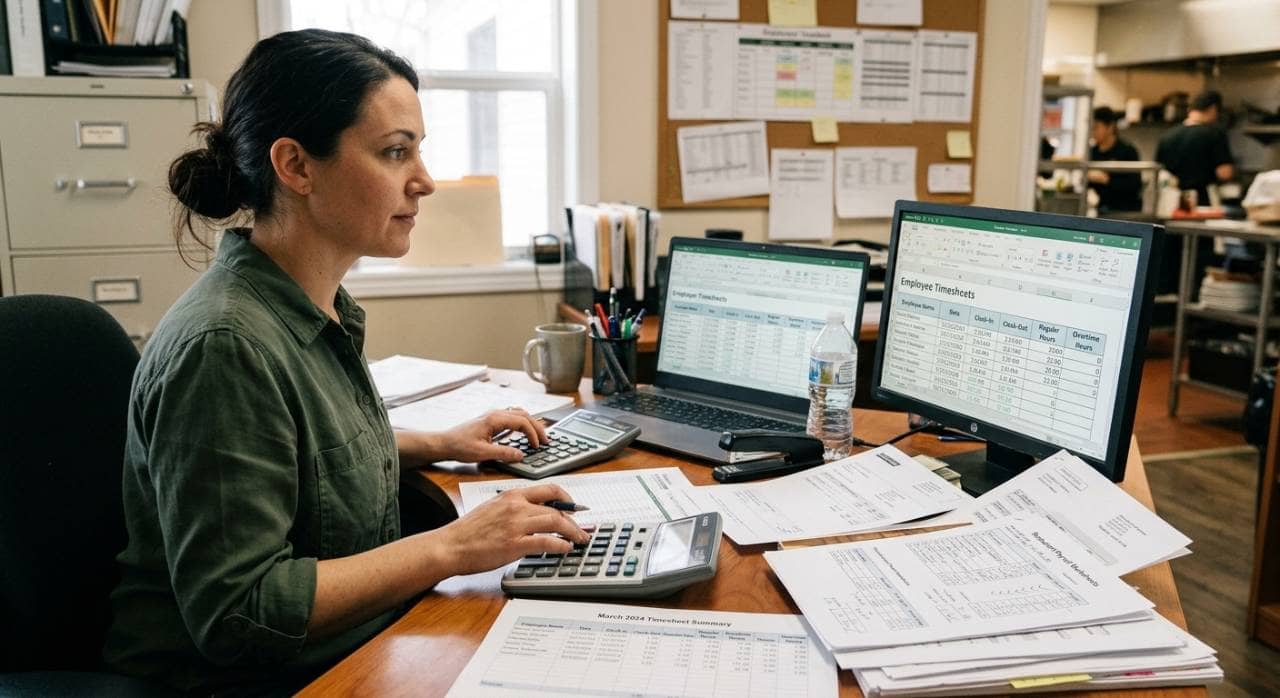
Learn how to calculate overtime pay for restaurant employees, apply correct rates, avoid payroll mistakes, comply with labor laws, and control labor costs.
Oct 16, 2026

Learn how to prepare an accurate balance sheet by organizing financial records, valuing assets, recording liabilities, reconciling accounts, and preventing accounting errors.
Oct 19, 2026
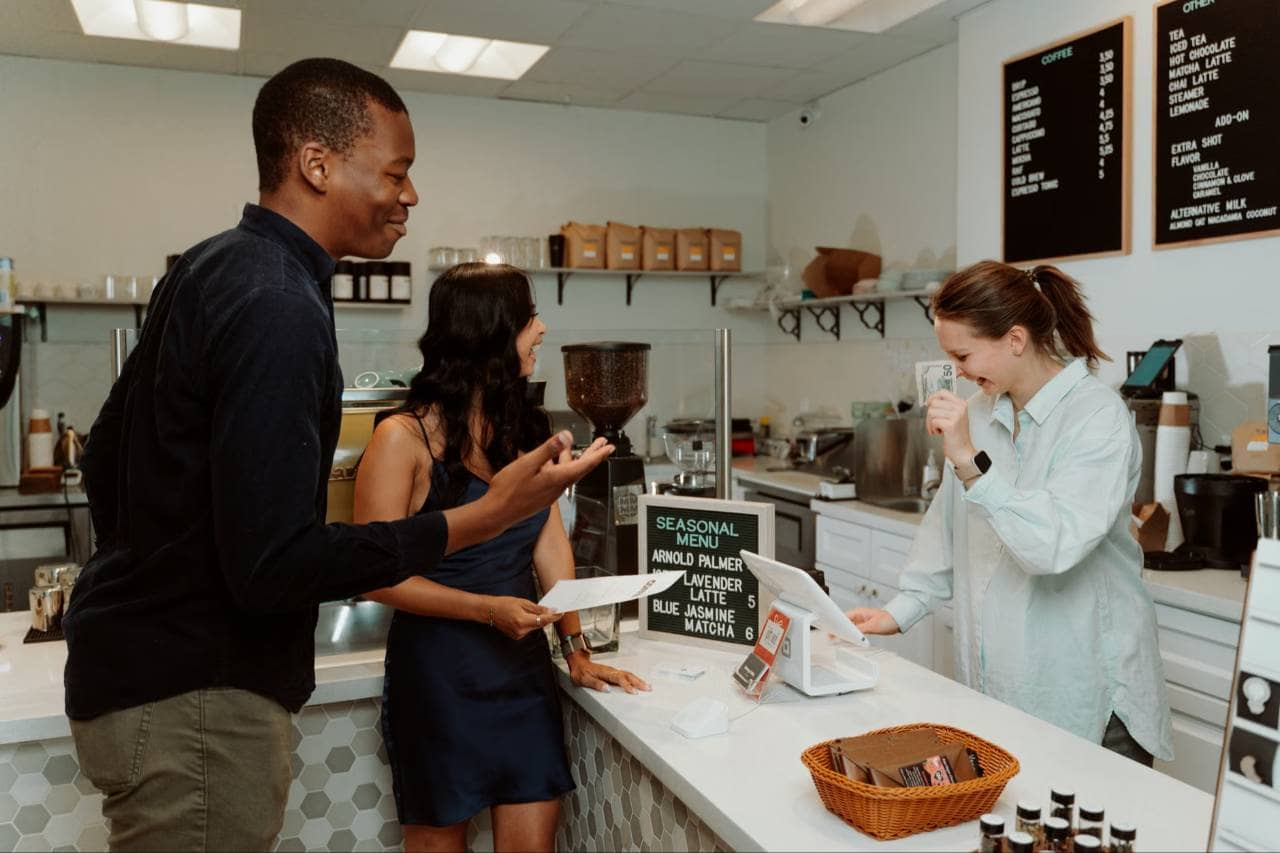
Coffee shops can boost sales by combining happy hours, bundles, limited-time drinks, seasonal menus, loyalty rewards, and friendly upselling, while tracking results and avoiding over-discounting.
Oct 19, 2026
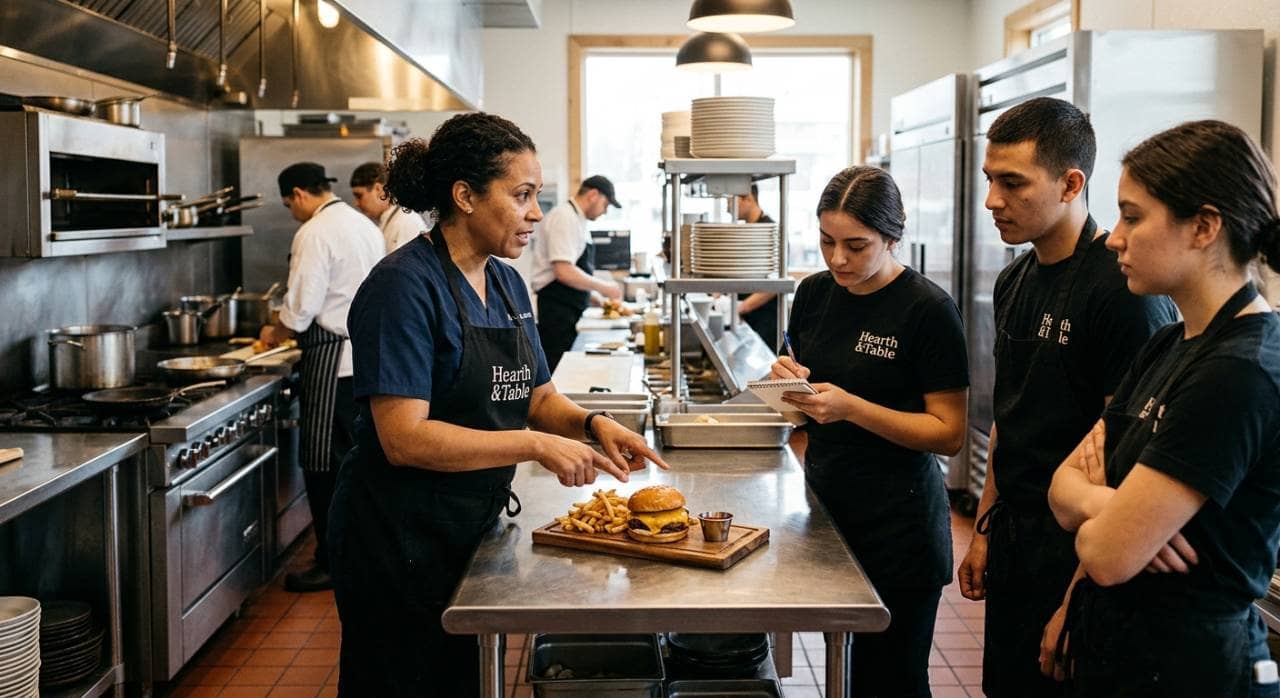
Build a structured training program covering onboarding, roles, service, food safety, and growth to boost consistency, retain staff, and deliver reliably excellent guest experiences.
Oct 16, 2026
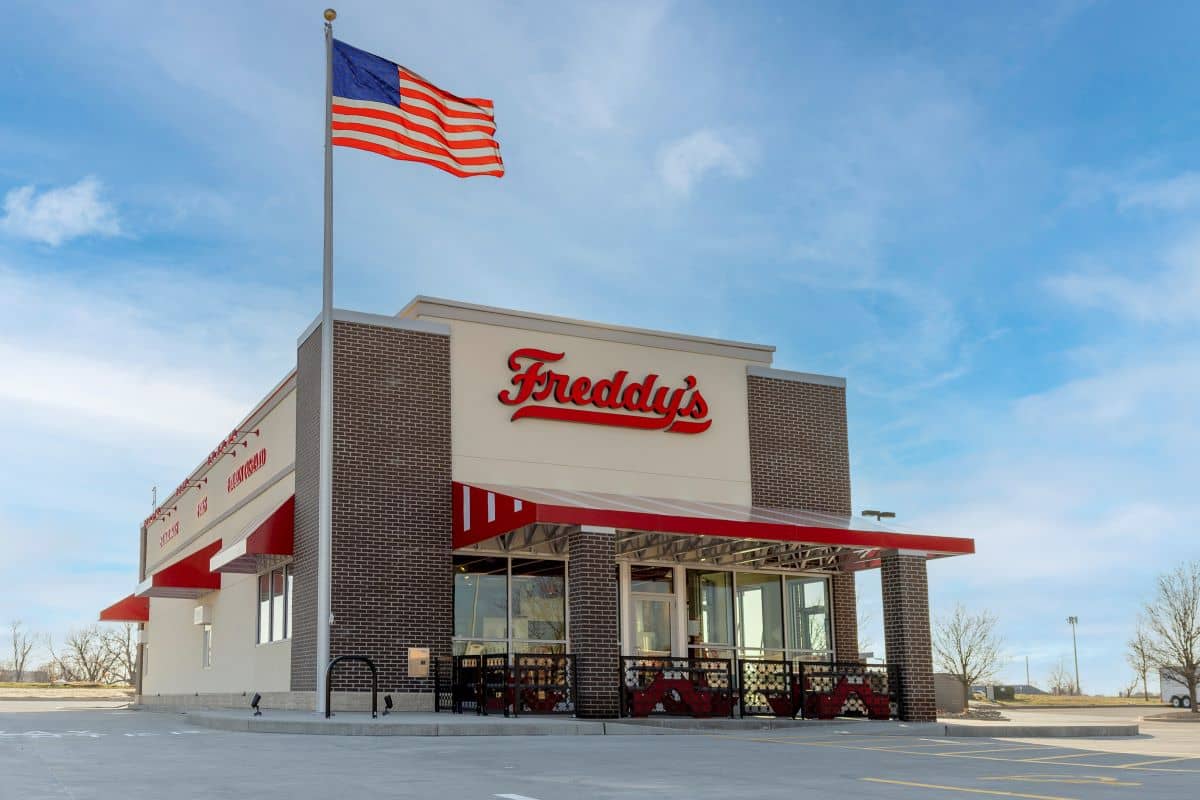
Freddy's celebrates 600 restaurants with a smaller, drive-thru-free format in Beaufort, SC, reshaping its real estate, tech, and pricing strategy.
Oct 16, 2026
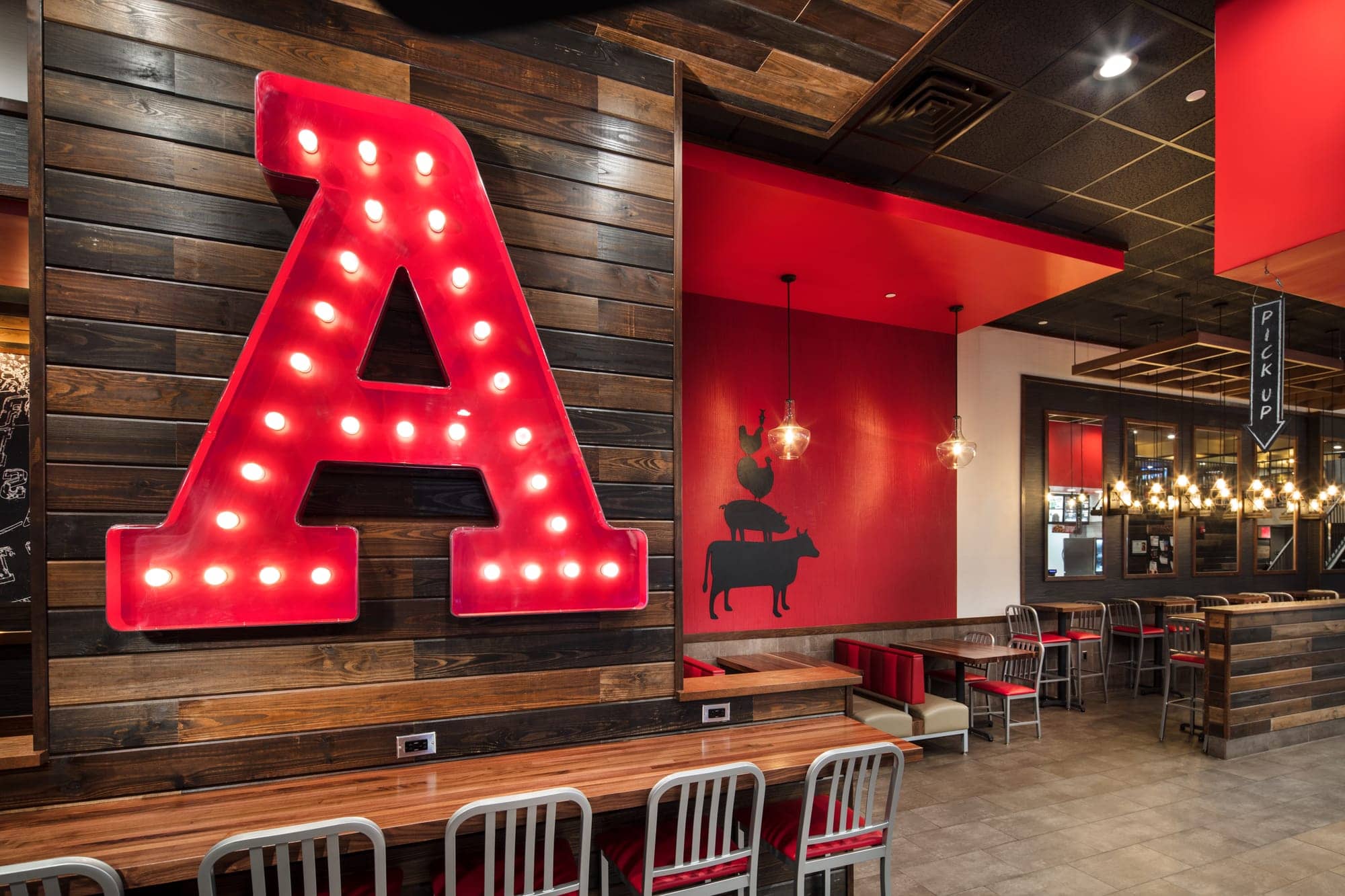
Inspire Brands taps Jenna Bromberg as Arby's new CMO while Jeff Baker shifts to lead culinary innovation in a quiet leadership reshuffle.
Oct 16, 2026
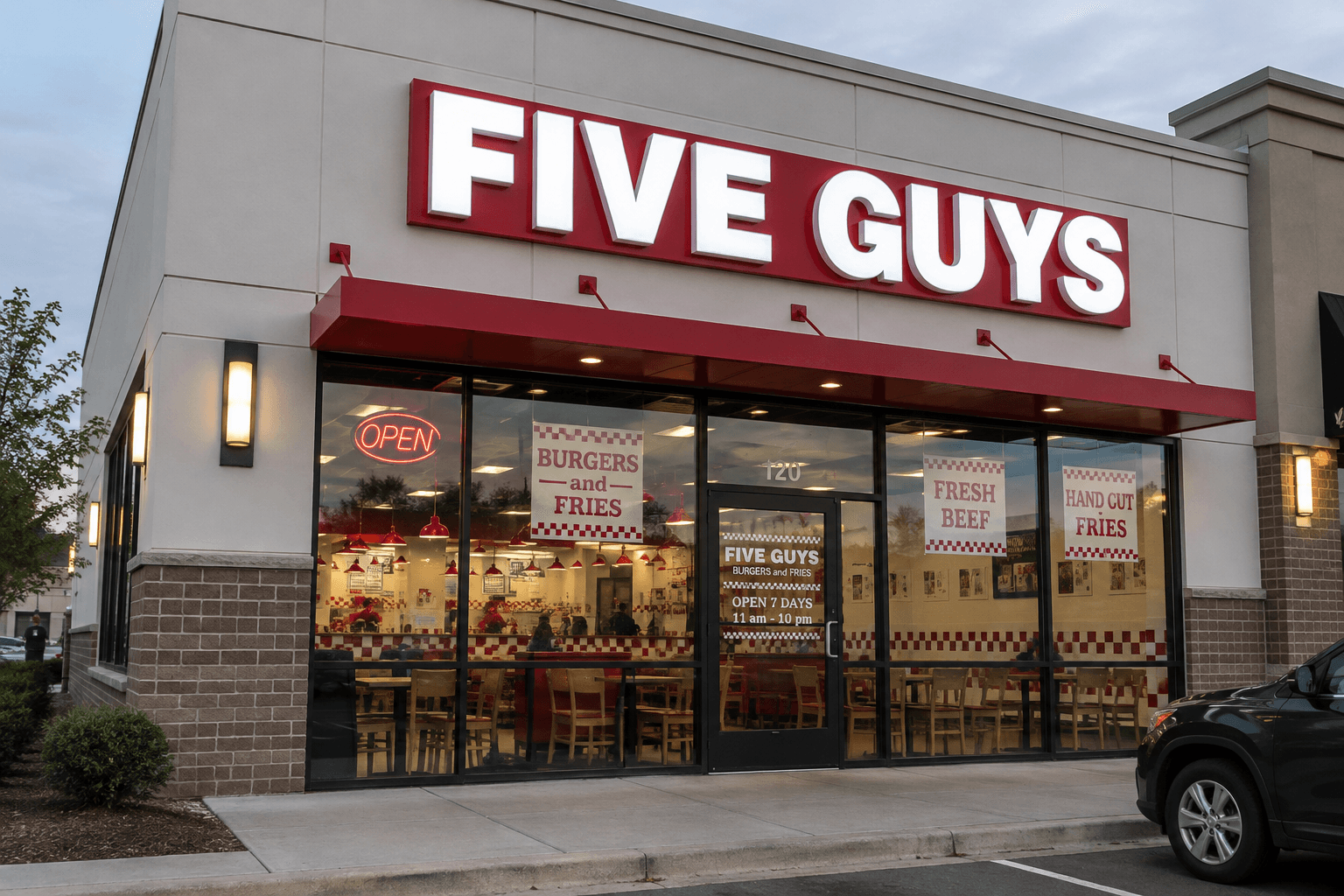
Five Guys partners with Full Day Productions and Lost Tribe Creative for On The Line, a docuseries on Prime Video following its global crew competition.
Oct 16, 2026
AI helps restaurant owners streamline back-office management, automate administrative tasks, improve accuracy, control costs, and make smarter business decisions.
Oct 14, 2026
Learn how to forecast restaurant inventory using sales data, demand trends, and stock tracking to reduce food waste, control costs, and improve profitability.
Oct 14, 2026

Unlock Exclusive Access To Webinars, Events, And The Latest News For Free!
Olo debuts a consumer ordering app, challenging DoorDash and Uber Eats with lower fees and restaurant-owned customer data.
Photo by Steve Daniel
Noah Glass wrote the first draft of this idea in December 2003. On Tuesday, twenty-three years later, it finally became a product customers can download. Olo, long known as the quiet infrastructure layer behind restaurant ordering systems, has launched its own consumer-facing app, stepping directly into a delivery market that DoorDash and Uber Eats have dominated for years. "To say that this is like a nearly 23-year dream come true this launch Tuesday is not hyperbole," Glass says. For a founder who has spent two decades building toward a single moment, the understatement feels deliberate.
The idea traces back further than most of Olo's existing business, to an executive summary Glass wrote before the company had established itself as a restaurant technology vendor. What finally cleared the path wasn't a new insight. It was a change in ownership structure. Thoma Bravo's acquisition of Olo moved the company from public markets into private hands, and Glass says that shift gave him room to pursue a network model that would have been harder to justify under quarterly scrutiny. He and his family put real weight behind that bet, reinvesting 75 percent of their transaction proceeds back into the company. That is not the move of an executive hedging against a side project.
The app calls itself "second-party" ordering, an attempt to borrow the reach of marketplace apps while preserving the margins and customer relationships that direct ordering channels were built to protect. Consumers browse multiple restaurant brands in one place without the inflated menu prices marketplaces typically add, and operators keep their full order profit, with Olo collecting a 5 percent fee from the consumer side instead.

The pitch depends on a gap Glass believes the industry has misread. Restaurants with their own apps struggle to acquire and retain customers cheaply. Marketplaces solve reach but extract it through commissions, advertising fees, and data restaurants never see. Glass sees an underserved middle, people who aren't loyal app users and haven't bought into subscription programs like DashPass or Uber One. "There's a big group in the middle, I would argue, and probably the majority of the overall population that wants the convenience of being able to order from many different brands in one place," he says.
He points to markups of 15 to 30 percent on traditional marketplaces, costs he argues customers often blame on restaurants rather than the platforms charging them. His own test case: an $85 order through Olo's app came in $19.34 cheaper than the same order would have cost on a marketplace, even after the 5 percent fee. The app discloses that fee at checkout and tells customers plainly that ordering directly from the restaurant is still cheapest.
What separates this launch from a typical marketplace debut is that Olo isn't starting from zero. The company spent years building Olo Accounts, a shared login system introduced in 2022 that now covers 40 million guest accounts across participating restaurant brands. Logged-in users can see where they've ordered before, pull up past transactions, and reuse saved payment and delivery information.
That infrastructure lets Olo skip the usual chicken-and-egg problem of needing restaurants to attract diners and diners to attract restaurants. "The nice thing about what we're doing here with Olo app is that because of what we've built up over the last 21 years and more specifically over the last four years, we've overcome that cold start problem," Glass says. Add in Dispatch, the courier-connection tool Olo launched roughly a decade ago, and the company arrives at launch with delivery logistics and a customer base that most new entrants would need years to assemble. Glass says agreements with delivery providers were locked in ahead of the app's March announcement, well before Tuesday's rollout.
Glass frames the app as more than a transaction layer. When a customer discovers a new restaurant through Olo and places an order, that transaction can flow into the restaurant's own marketing database, giving operators the kind of identifying customer data that traditional marketplaces have historically withheld. He considers that distinction the app's sharpest edge against conventional delivery platforms. "I've never seen any brand, national or regional, that has more than 10 million guests that overlap with Olo Accounts, which means that there's at least 30 million new to access. How do we get those guests to place their first order at your restaurant?"
The company is also exploring a network-wide cash-back system in the spirit of Shopify's Shop Cash, though that feature isn't live yet, alongside tighter integration with restaurants' existing loyalty programs. A charitable round-up feature built around No Kid Hungry also carries over from Olo's restaurant-owned ordering tools, where roughly 10 percent of customers participate, contributing an average of 36 cents, with a measured 25-basis-point lift in checkout conversion when the option appears.
Success, for now, will be measured in fairly conventional terms: gross merchandise volume, adoption, order frequency, average ticket size, and how much of the app's volume represents genuinely new business for restaurants rather than orders that would have happened anyway through another channel. That last distinction matters more than it might seem, since it's the number Olo will need to prove its 5 percent fee is earned rather than extracted.
Glass has his sights set considerably further out than the first quarter's dashboard, talking about processing 1 billion annual orders eventually, a figure he considers realistic given the scale of the U.S. restaurant industry. "We're going to be iterating like crazy as this comes to life and we learn and we adjust," he says, treating Tuesday's launch as a starting line rather than a finished product.
Whether that billion-order target is achievable will hinge less on Olo's technology than on behavior it can't fully control: how many of its 40 million account holders actually start shopping across brands, and how many restaurant operators buy into the loyalty and cash-back tools still waiting to be built. Glass is candid that those pieces remain unfinished, which leaves the app's long-term differentiation partly aspirational for now.
Still, a company that spent twenty-three years waiting for the right ownership structure and the right infrastructure to make this bet doesn't seem inclined to rush the next phase. Olo has put its pricing model, its data-sharing philosophy, and two decades of accumulated account history into the market at once, wagering that transparency can out-compete commissions where it matters most: at checkout, and in the restaurant's own customer file.