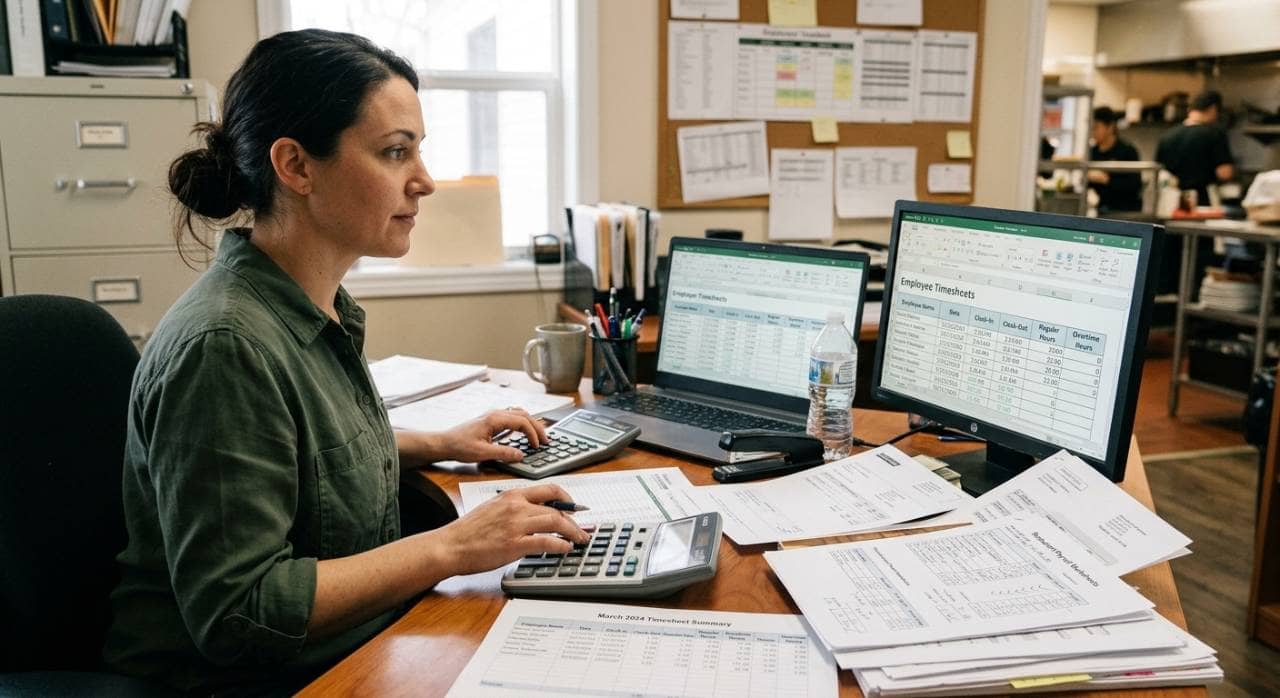
How to Calculate Overtime Pay for Restaurant Employees
Learn how to calculate overtime pay for restaurant employees, apply correct rates, avoid payroll mistakes, comply with labor laws, and control labor costs.
Payroll
Oct 16, 2026
Learn how to calculate overtime pay for restaurant employees, apply correct rates, avoid payroll mistakes, comply with labor laws, and control labor costs.
Oct 16, 2026

Learn how to prepare an accurate balance sheet by organizing financial records, valuing assets, recording liabilities, reconciling accounts, and preventing accounting errors.
Oct 19, 2026
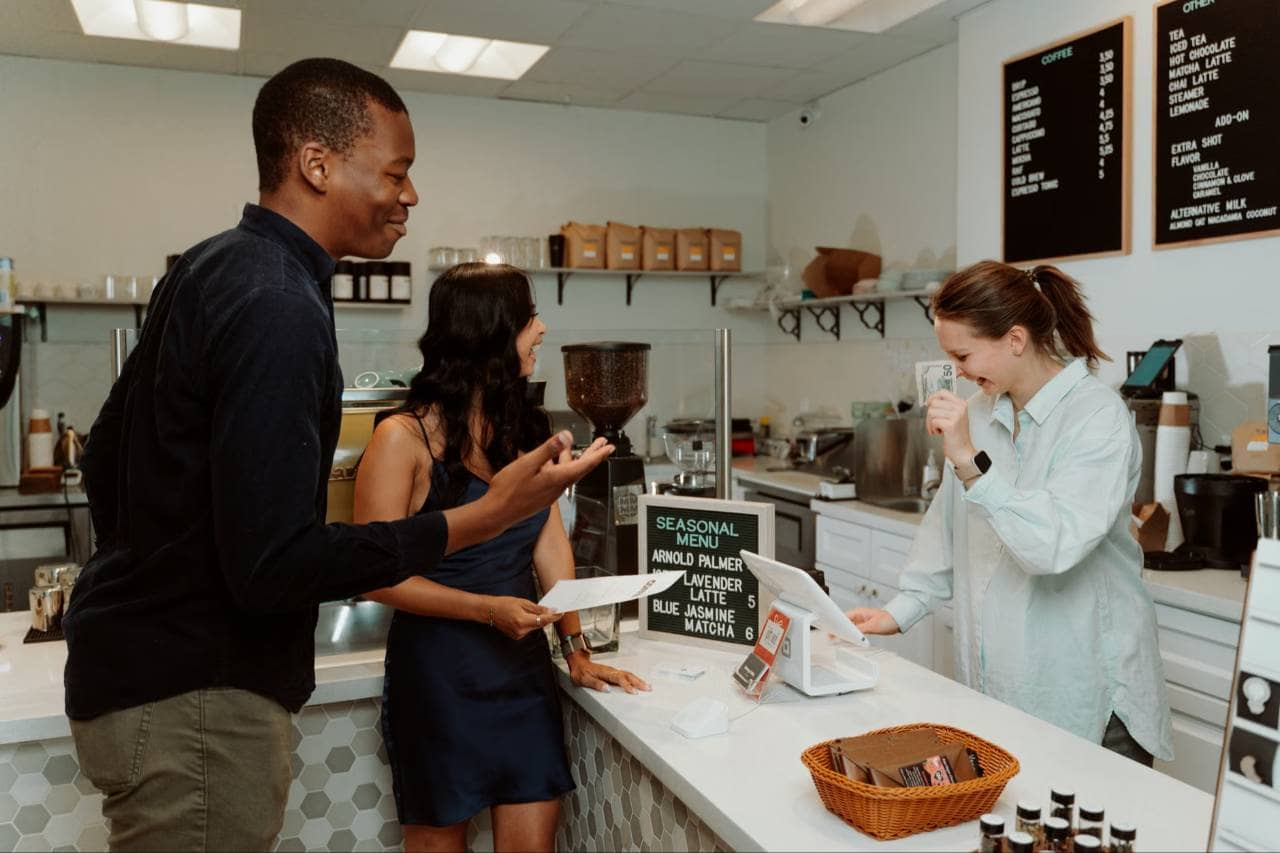
Coffee shops can boost sales by combining happy hours, bundles, limited-time drinks, seasonal menus, loyalty rewards, and friendly upselling, while tracking results and avoiding over-discounting.
Oct 19, 2026
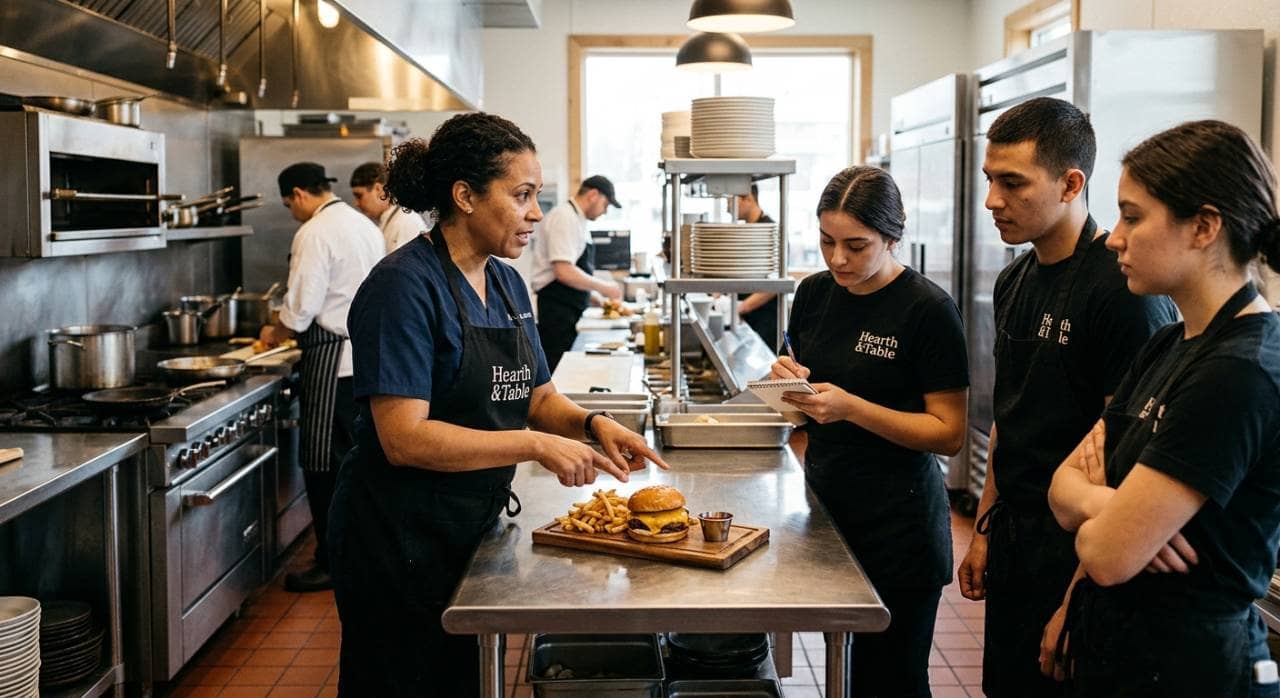
Build a structured training program covering onboarding, roles, service, food safety, and growth to boost consistency, retain staff, and deliver reliably excellent guest experiences.
Oct 16, 2026
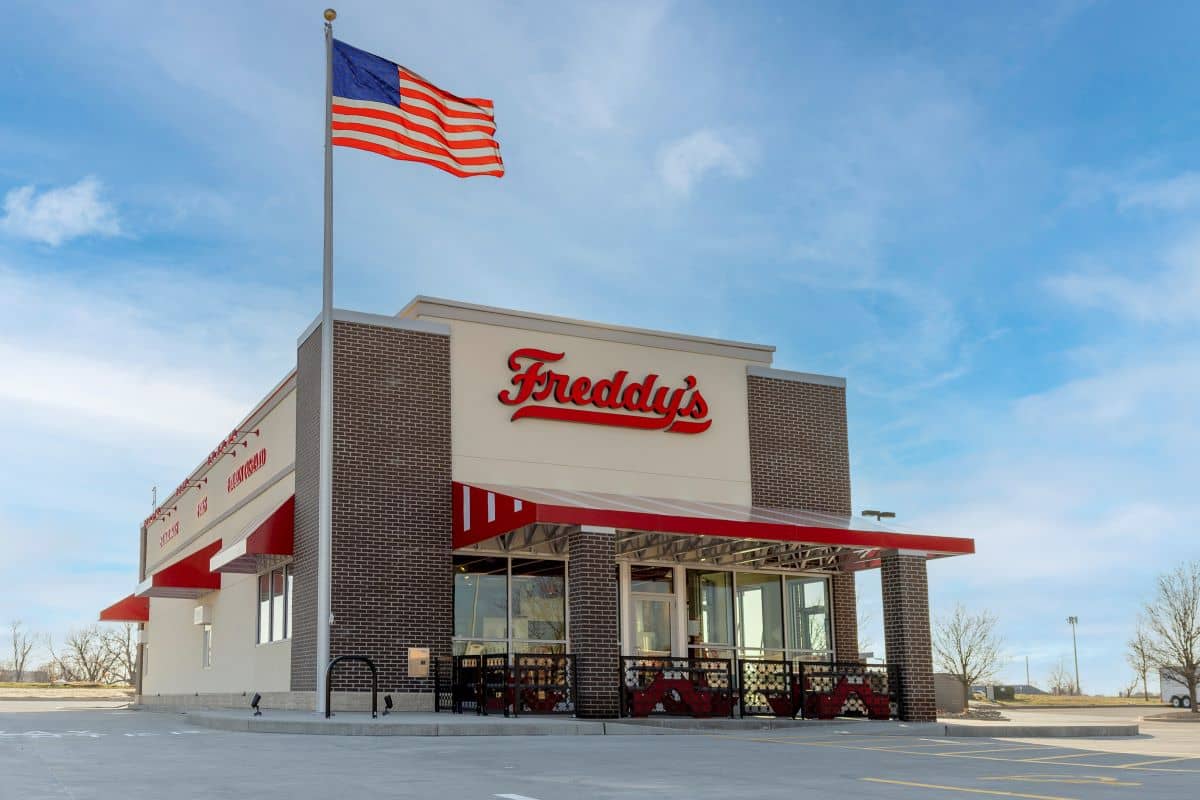
Freddy's celebrates 600 restaurants with a smaller, drive-thru-free format in Beaufort, SC, reshaping its real estate, tech, and pricing strategy.
Oct 16, 2026
Inspire Brands taps Jenna Bromberg as Arby's new CMO while Jeff Baker shifts to lead culinary innovation in a quiet leadership reshuffle.
Oct 16, 2026
Five Guys partners with Full Day Productions and Lost Tribe Creative for On The Line, a docuseries on Prime Video following its global crew competition.
Oct 16, 2026
Learn how to forecast restaurant inventory using sales data, demand trends, and stock tracking to reduce food waste, control costs, and improve profitability.
Oct 14, 2026
AI helps restaurant owners streamline back-office management, automate administrative tasks, improve accuracy, control costs, and make smarter business decisions.
Oct 14, 2026
Gen Restaurant Group sells all 47 Gen Korean BBQ locations to Chubby Cattle Group for $100 million, keeping its brand and CPG business.
Oct 14, 2026

Unlock Exclusive Access To Webinars, Events, And The Latest News For Free!
Coffee shops can boost sales by combining happy hours, bundles, limited-time drinks, seasonal menus, loyalty rewards, and friendly upselling, while tracking results and avoiding over-discounting.
Walk down almost any busy street and you'll find more than one place selling coffee. Independent cafes compete with national chains, convenience stores, gas stations, and the coffee maker sitting in a customer's own kitchen. In a market this crowded, serving a great cup is the starting point rather than a guarantee of steady business. Customers have plenty of choices, and their loyalty often goes to whoever gives them a reason to visit today. That is where promotions come in. A well-planned promotion gives people a nudge - a discount during a quiet afternoon, a new drink they can only get this month, or a reward for their tenth visit. Done thoughtfully, these small incentives accomplish three important things at once. First, they drive foot traffic. Offers tied to specific times, products, or seasons give people a concrete reason to walk through your door instead of the one down the street. Second, they raise the average ticket size. Bundles, add-ons, and friendly suggestions encourage customers to spend a little more per visit without feeling pressured. Third, they build repeat business. Loyalty perks and rotating menus turn one-time visitors into regulars, and regulars are the foundation of a stable, profitable shop. Promotions also help solve problems that every coffee shop faces. Most cafes have a morning rush followed by long, quiet stretches, and promotions can even out that demand. Some menu items sell faster than others, and a smart deal can move slower products before they go to waste. Seasonal changes and holidays can shift buying habits, and timely offers keep your menu feeling fresh and relevant. The key is to approach promotions as a strategy rather than a scramble for quick sales. Discounting too often can eat into margins and teach customers to wait for a deal, so each idea should serve a clear purpose and fit your brand.
Every coffee shop has its slow stretches. For many, it's the mid-afternoon lull after the lunch crowd thins out, or the early evening when commuters head home instead of stopping in. A happy-hour discount turns those quiet hours into a reason to visit, filling empty seats and keeping staff busy during time that would otherwise earn very little. Target Your Slow Periods The most effective happy hours are built around your own sales data. Look at your point-of-sale reports to find the hours when traffic drops off, then schedule your promotion to cover that window. A discount during your busiest time simply gives away margin to customers who would have come anyway. A discount during a dead hour brings in revenue you weren't going to get otherwise. A consistent schedule also helps. If customers know that every weekday from 2.00 to 4.00 p.m. means special pricing, the offer becomes a habit. Students, remote workers, and local employees can start planning their afternoon coffee break around it. Structure the Discount Wisely There are several ways to design a happy hour, and the right choice depends on your costs and your customers - 1. Percentage off - A straightforward option, such as 20 percent off any handcrafted drink. It's easy to understand and simple to program into your register. 2. Discounted sizes - Offering a small or medium at a reduced price keeps the discount contained while still feeling generous. 3. Select menu items - Limiting the deal to specific drinks, such as iced lattes or cold brew, lets you feature products with healthy margins or ingredients you want to move. 4. Add-on perks - Instead of lowering the price, you might offer a free extra shot, a free syrup flavor, or a discounted pastry with any drink. Protect Your Margins A happy hour should bring in profit, not just traffic. Before you launch, calculate the cost of each discounted item, including ingredients, cups, labor, and overhead, so you know exactly how much room you have. Discounting drinks that already have high margins, like specialty lattes made with inexpensive ingredients, is usually safer than discounting items with tight margins. It's also worth thinking about how the promotion might affect your regular customers. If your loyal morning crowd starts shifting to the discounted window, you may be losing full-price sales. Setting the hours carefully and limiting the offer to certain products can help prevent that. Spread the Word Even the best offer won't work if nobody knows about it. A few simple ways to promote your happy hour - - Place a sidewalk sign or window decal showing the hours and the deal. - Post the details on your menu board and at the register. - Share the offer on social media and your website, and remind followers during the days leading up to lunch. - Mention it to customers during the morning rush so they can plan a return visit. Once the promotion is running, track how many transactions occur during the window compared with the same hours before the launch. That comparison will show whether the discount is attracting new business or just lowering prices for existing customers, and you can adjust accordingly.
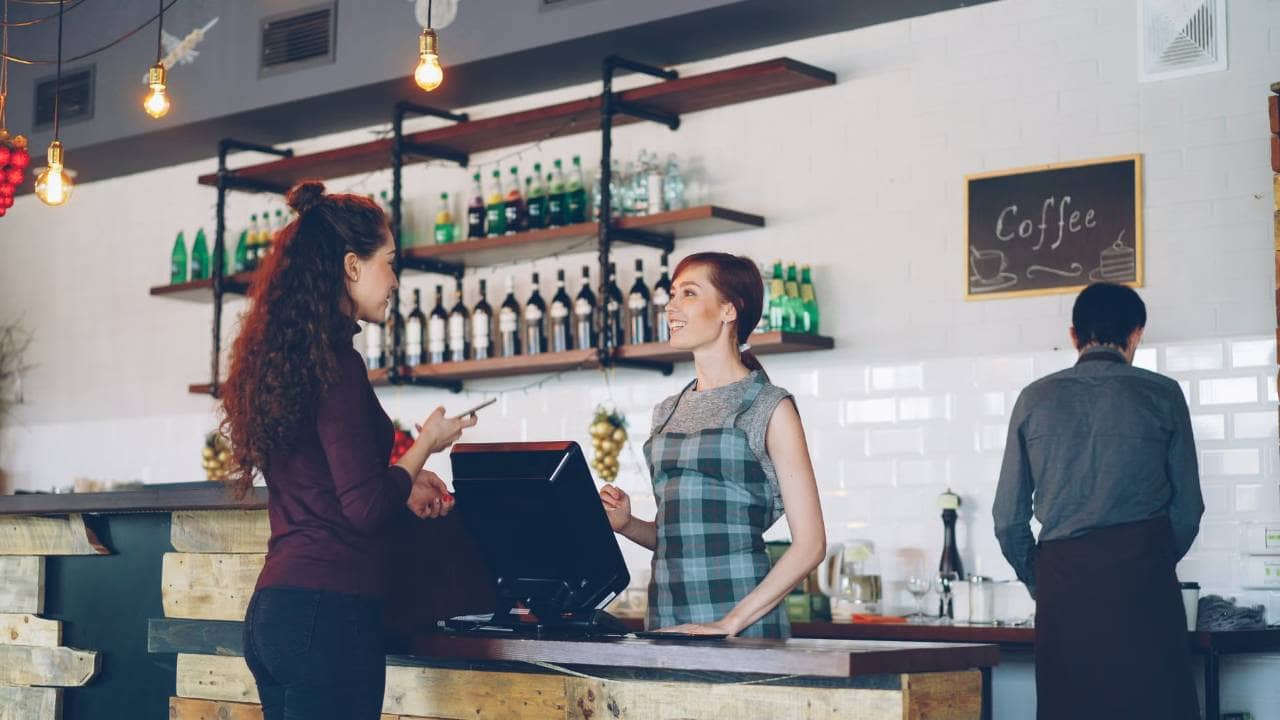
A bundle deal packages two or more items together at a price that feels like a bargain to the customer while still protecting your profit. Because most people come in intending to buy just a drink, bundles give them a simple reason to add something extra, which lifts the value of each transaction. Pair Drinks with Food The most natural bundle is a beverage plus something to eat. Coffee and a croissant, a latte and a muffin, or a cold brew and a breakfast sandwich all make sense together and take the guesswork out of ordering. Customers who might have skipped food often say yes when the combination is presented as one easy choice. Think about the time of day when building these pairings. A breakfast combo can capture the morning rush, a lunch bundle with a sandwich and an iced tea can draw in the midday crowd, and a light afternoon snack paired with a small espresso drink can help during slower hours. Naming your bundles clearly, such as "The Early Riser" or "The Afternoon Pick-Me-Up," also makes them more memorable and easier to promote. Create Combo Pricing That Feels Like Value The goal is for customers to feel they're saving money without cutting too deeply into your margins. A few approaches work well - 1. Fixed combo price - Set a single price that is slightly lower than buying each item separately, such as a dollar off the combined total. 2. Discount on the second item - Offer a reduced price on the pastry or snack when it's purchased with a drink. 3. Add-on pricing - Let customers add a side item to their drink for a small, set amount. Before finalizing a price, calculate the cost of every item in the bundle. Food items often have different margins than drinks, so you'll want to make sure the combined price still leaves a healthy profit. In many cases, pairing a high-margin drink with a lower-margin food item balances out nicely. Move Slower-Selling or Surplus Inventory Bundles are also a smart way to manage inventory. If certain pastries sell slowly or you tend to have leftovers at the end of the day, including them in a combo can help move them before they go to waste. Customers see a good deal, and you reduce waste and recover costs on items that might otherwise be thrown out. Be careful, though, not to make the bundle feel like a clearance rack. Freshness matters, so keep the items in your bundles high quality and present them as a deliberate pairing rather than leftovers. Offer Group and "Bring a Friend" Bundles Bundles don't have to be limited to one customer. A "bring a friend" deal, such as two drinks and a shared pastry at a set price, encourages people to visit together and introduces your shop to new faces. Larger group options, like a box of coffee with a dozen pastries for office meetings or study groups, can also generate bigger orders and open the door to regular business customers. Promote these offers on your menu board, at the register, and on social media with simple visuals that show exactly what's included and the price. The clearer the offer, the more likely customers are to take advantage of it.
A limited-time drink gives customers something they can't get all year, and that sense of exclusivity is a powerful motivator. When a beverage is only available for a few weeks, people feel a natural pull to try it before it's gone. For a coffee shop, that means more reasons for regulars to return and more curiosity from people who haven't visited in a while. Use Scarcity and Urgency The appeal of a limited release comes from the clock. A drink that will be around "for two weeks only" creates a sense of urgency that a permanent menu item simply can't match. Customers who might have waited to try something new often decide to act right away, which boosts sales early in the promotion rather than letting interest build slowly. To keep that urgency believable, be clear about the end date and stick to it. If a limited drink stays on the menu indefinitely, customers learn that the deadline means nothing, and future promotions lose their power. Develop Creative, Small-Batch Recipes Limited-time drinks are your chance to be playful. Because they won't be on the menu permanently, you can experiment with ingredients and flavor combinations that might feel risky in a regular lineup. Some ideas to consider - 1. Unusual flavor pairings - Lavender and honey, brown sugar and cardamom, or orange and espresso. 2. Local ingredients - Syrups or toppings made with items from nearby farms, bakeries, or roasters. 3. Visual appeal - Layered drinks, colorful toppings, or distinctive garnishes that look great in photos and encourage customers to share them online. 4. Specialty brewing methods - A single-origin pour-over or a nitro cold brew offered for a short run. Whatever you create, make sure the recipe is practical for your team. A drink that takes too long to prepare can slow down the line during busy periods, and complicated ingredients can drive up costs or create waste. Build Anticipation Before the Launch A strong promotion starts before the first cup is poured. Tease the new drink through social media posts, window signs, or a "coming soon" note at the register. Countdowns, sneak peeks of ingredients, and short behind-the-scenes clips of your baristas testing recipes can all generate buzz. Once the drink is available, keep the momentum going with a few reminders. Mention how many days are left, and consider inviting customers to share photos or tag your shop. This keeps the drink visible throughout its run and helps bring in people who may have missed the initial announcement. Test Ideas for the Permanent Menu Limited releases double as low-risk market research. If a particular drink sells exceptionally well or draws plenty of positive comments, that's a strong sign it could earn a spot on your regular menu. If it falls flat, you've lost very little, since it was never meant to last. Pay attention to the numbers and to what customers say. Track how many of each limited drink you sell, note which ingredients or flavors seem to resonate, and ask your baristas what feedback they hear at the counter. Over time, this information will guide your menu decisions and help you build a lineup based on what your customers actually want.
Where a limited-time drink is a short burst of novelty, a seasonal menu is a broader refresh that carries through an entire part of the year. It signals to customers that your shop is paying attention to the world around it, and it gives them a reason to check what's new each time the weather or the calendar changes. Align Offerings with Holidays, Weather, and Local Events Customers' tastes shift with the seasons, often without them realizing it. A chilly morning makes a hot, spiced latte appealing, while a sunny afternoon sends people looking for something iced and refreshing. Building your menu around these natural rhythms makes your offerings feel timely and relevant. Holidays and local events offer additional opportunities. Think about the moments that matter in your community, such as back-to-school season, a winter holiday, a nearby festival, or a college graduation weekend. A drink or pastry tied to one of these occasions can turn an ordinary visit into part of a tradition, and customers often look forward to those returns year after year. Rotate Ingredients and Flavors Each season comes with its own set of flavors that customers already associate with that time of year. Here are some examples to spark ideas - 1. Fall - Pumpkin, maple, cinnamon, apple cider, and chai-inspired spices. 2. Winter - Peppermint, gingerbread, hot chocolate, caramel, and rich dark roasts. 3. Spring - Floral notes like lavender and rose, along with lighter, fruit-forward flavors. 4. Summer - Cold brew, iced teas, fruit refreshers, frozen blended drinks, and coconut or citrus accents. You don't need to overhaul everything at once. Many shops keep their core menu steady and rotate just a handful of drinks and food items each season. This keeps the experience familiar for loyal customers while still offering something fresh. Coordinate Menu Design, Decor, and Packaging A seasonal menu works best when customers can see and feel the change as soon as they walk in. Update your menu boards with seasonal drinks and consider using colors or illustrations that match the time of year. Simple decor touches, such as a themed window display, seasonal music, or a small table arrangement, can reinforce the mood without a large investment. Packaging can play a role too. Seasonal cup sleeves, stickers, or bakery bags give your drinks extra visibility on the street and on social media, helping your shop stand out when customers carry their orders around town. Plan Ahead for Sourcing and Staff Training Behind every successful seasonal menu is good planning. Ingredients that are only available at certain times of year may need to be ordered well in advance, and some items can be hard to source if demand is high. Talk with your suppliers early, and estimate quantities carefully so you avoid running out in the middle of a busy week or ending up with unused stock. Your team also needs to be ready. Give baristas time to practice new recipes before launch, and make sure they can describe each drink's flavors and ingredients with confidence. A well-informed employee can recommend the right seasonal option to a customer in seconds, which makes the menu more effective from the very first day. Finally, build in a transition plan. Decide when each seasonal item will be retired, how you will use up remaining ingredients, and how you will announce the change. A clear start and end keeps the menu feeling intentional and sets the stage for the next rotation.
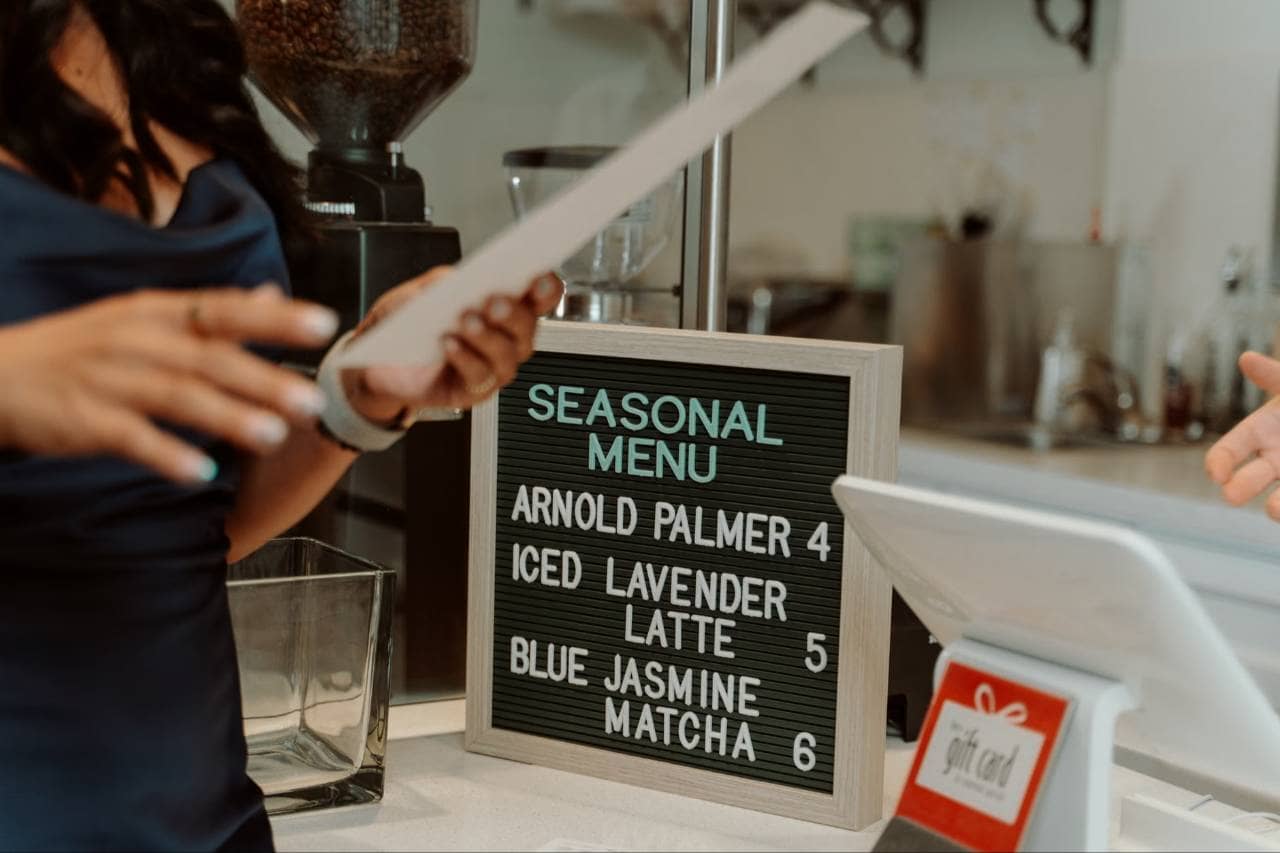
Acquiring a new customer takes time and marketing effort, while keeping an existing one is far more affordable. A loyalty program rewards people for coming back, and it gives them a small but meaningful reason to choose your shop over the one down the street. The best programs feel generous to customers while steadily increasing how often and how much they spend. Choose the Right Type of Program Loyalty programs come in several forms, and the best fit depends on your size, budget, and customer base - 1. Punch cards - The classic option. Customers get a stamp with each purchase and earn a free drink after a set number. They're inexpensive and simple, though cards can be lost and they offer no customer data. 2. Point systems - Customers earn points based on how much they spend and redeem them for rewards. This approach ties the reward to spending, which can encourage larger orders. 3. App-based programs - Digital programs track purchases automatically, send notifications, and often integrate with your point-of-sale system. They require more setup but offer the most flexibility and insight. Many shops start with a simple punch card and move to a digital system as they grow. Whatever you choose, keep the rules easy to understand. If customers need to do math to figure out their reward, they're less likely to participate. Reward Milestones, Birthdays, and Special Days Beyond the basic "buy ten, get one free" structure, small surprises make a program feel personal and keep customers engaged - 1. Milestone rewards - A bonus after a certain number of visits, such as a free pastry on the twenty-fifth purchase. 2. Birthday treats - A free drink or discount during a customer's birthday month, which also encourages them to bring friends. 3. Double-points days - Offering extra points on slower days of the week, which can work hand in hand with your happy-hour strategy. 4. Welcome bonuses - A reward for signing up, so new members feel the benefit right away. Use Tiered Rewards to Encourage Higher Spending A tiered system gives customers something to work toward. For example, a member might begin at a basic level and unlock better perks, such as free size upgrades, early access to new seasonal drinks, or discounts on merchandise, as they reach higher spending thresholds. Because customers can see the next tier within reach, they're motivated to visit more often or add an item to their order. Make sure the rewards at each level are worth the effort, and that the cost of providing them stays comfortably below the additional revenue they generate. Collect Data to Personalize Future Offers Digital loyalty programs also provide valuable information. You can see what members order, how often they visit, and which days they prefer. That knowledge lets you send targeted offers, such as a discount on a customer's favorite drink if they haven't visited in a few weeks, or a suggestion for a new item similar to what they usually buy. Be transparent about how you use this information. Ask for permission, collect only what you need, and keep messages relevant so customers see them as helpful rather than intrusive. When members feel recognized and valued, they're more likely to stay engaged and become long-term regulars.
Upselling is the practice of encouraging customers to choose a slightly larger, richer, or more complete version of what they already plan to buy. Done well, it feels like good service rather than a sales pitch. Even small increases add up quickly - an extra dollar on a fraction of your orders can make a noticeable difference to monthly revenue without bringing in a single new customer. Train Baristas to Make Helpful Suggestions Your team is your most powerful upselling tool, because they are the ones talking with customers at the moment of decision. Train them to make simple, natural suggestions rather than reciting a script. Some examples - 1. Size upgrades - "Would you like that as a large? It's only a little more." 2. Add-ons - "Want to add an extra shot or a flavored syrup?" 3. Food pairings - "Our almond croissant goes really well with that latte." 4. Take-home items - "We just got a fresh batch of our house blend beans if you'd like a bag." Open-ended or specific suggestions work better than a generic Anything else? Encourage staff to learn the menu well enough to recommend items based on what the customer is ordering. Someone who orders a plain drip coffee might enjoy a pastry, while someone ordering a sweet latte might appreciate a savory breakfast item to balance it out. Use Menu Design and Counter Displays Not every upsell needs to come from a person. The way you present your menu and arrange your space can quietly prompt extra purchases - 1. Menu layout - Place high-margin items and premium options where the eye naturally lands, and use clear labels or small icons to highlight popular choices. 2. Tiered sizing - Showing prices for multiple sizes side by side makes the larger option seem like a better value. 3. Counter displays - Keep pastries, packaged cookies, bagged beans, and small gifts near the register, where customers wait and impulse purchases are most likely. 4. Signage - A small card advertising an add-on, such as "Make it a double shot for $1," catches attention without any staff effort. Promote Premium Options Specialty customizations are often both popular and profitable. Alternative milks like oat, almond, and coconut typically carry an upcharge, and customers who prefer them are usually happy to pay it. Extra shots, flavor syrups, whipped cream, and cold foam all add small amounts to each ticket while costing very little to prepare. You can also create a premium tier of your own, such as a single-origin pour-over, a reserve roast, or a signature drink with higher-quality ingredients. Describing what makes these items special, such as where the beans come from or how they are prepared, helps customers understand the added value. Keep Suggestions Helpful, Not Pushy The line between a helpful suggestion and a high-pressure pitch is thin, and crossing it can damage the relationships you've built. Customers should leave feeling that they discovered something they enjoyed, not that they were talked into something they didn't want. A few guidelines help keep the balance - - Make one suggestion per order rather than several in a row. - Accept a "no" graciously and move on without repeating the offer. - Pay attention to cues, such as a customer who is in a hurry or clearly watching their budget. - Focus on what will genuinely improve the customer's experience. When upselling is rooted in real recommendations, customers come to trust your team's suggestions, and that trust makes future recommendations even more effective.
Each of the ideas in this article can bring more customers through your door or encourage them to spend a little more once they're there. The real power comes from using them together. Happy-hour discounts fill your slow periods, bundles raise the value of each order, limited-time drinks and seasonal menus keep your offerings fresh, loyalty bonuses turn visitors into regulars, and thoughtful upselling adds to every ticket. When these tactics support one another, your shop gains momentum that no single promotion could create alone. Combine Tactics for the Greatest Impact Look for natural connections between your promotions. A limited-time drink can be featured in a bundle with a seasonal pastry. Double-points days can fall during your happy-hour window to draw loyalty members into quiet periods. Baristas can mention a new seasonal drink as part of a friendly upsell. When your promotions reinforce each other, the message to customers is clear and consistent, and your team has fewer separate offers to juggle. Track Your Results Every promotion should be treated as a small experiment. Before you launch, decide what success looks like, whether that's more transactions during a certain hour, a higher average ticket, or increased loyalty sign-ups. Then use your point-of-sale data to compare results against your usual numbers. Review what you find regularly, and be willing to act on it. Keep the promotions that bring in profitable business, adjust the ones that show promise, and retire the ones that aren't working. Feedback from your baristas and conversations with customers can add valuable context that the numbers alone might miss. Avoid Over-Discounting and Brand Dilution It can be tempting to run a deal every week, but constant discounting carries risks. Customers may begin to wait for a promotion before they buy, and your regular prices can start to feel inflated. Heavy discounting can also weaken the premium, welcoming image you've worked to build. To protect your brand, make sure each promotion has a clear purpose, such as filling a slow period, introducing a new product, or rewarding loyal customers. Favor added value over deep price cuts whenever possible, such as a free extra shot or an early look at a new drink, which keeps your pricing intact while still delighting customers. Start Small and Iterate You don't need to launch everything at once. Choose one or two promotions that fit your shop's current needs, run them for a few weeks, and measure the results. Once you understand what works for your customers, add another layer. Small, steady improvements build a strategy that is sustainable and tailored to your community. Great coffee is what brings people in the first time, but thoughtful promotions give them a reason to return. By combining smart offers with genuine hospitality, you can build a loyal customer base and a more profitable coffee shop that lasts well beyond any single sale.