
Mo' Bettahs Opens 82nd Location in Oklahoma City
Mo' Bettahs Hawaiian Style Food opens its 82nd location in Oklahoma City on Sept. 18, backed by nearly two decades of growth and new private equity.
Finance
Sep 15, 2026
Mo' Bettahs Hawaiian Style Food opens its 82nd location in Oklahoma City on Sept. 18, backed by nearly two decades of growth and new private equity.
Sep 15, 2026
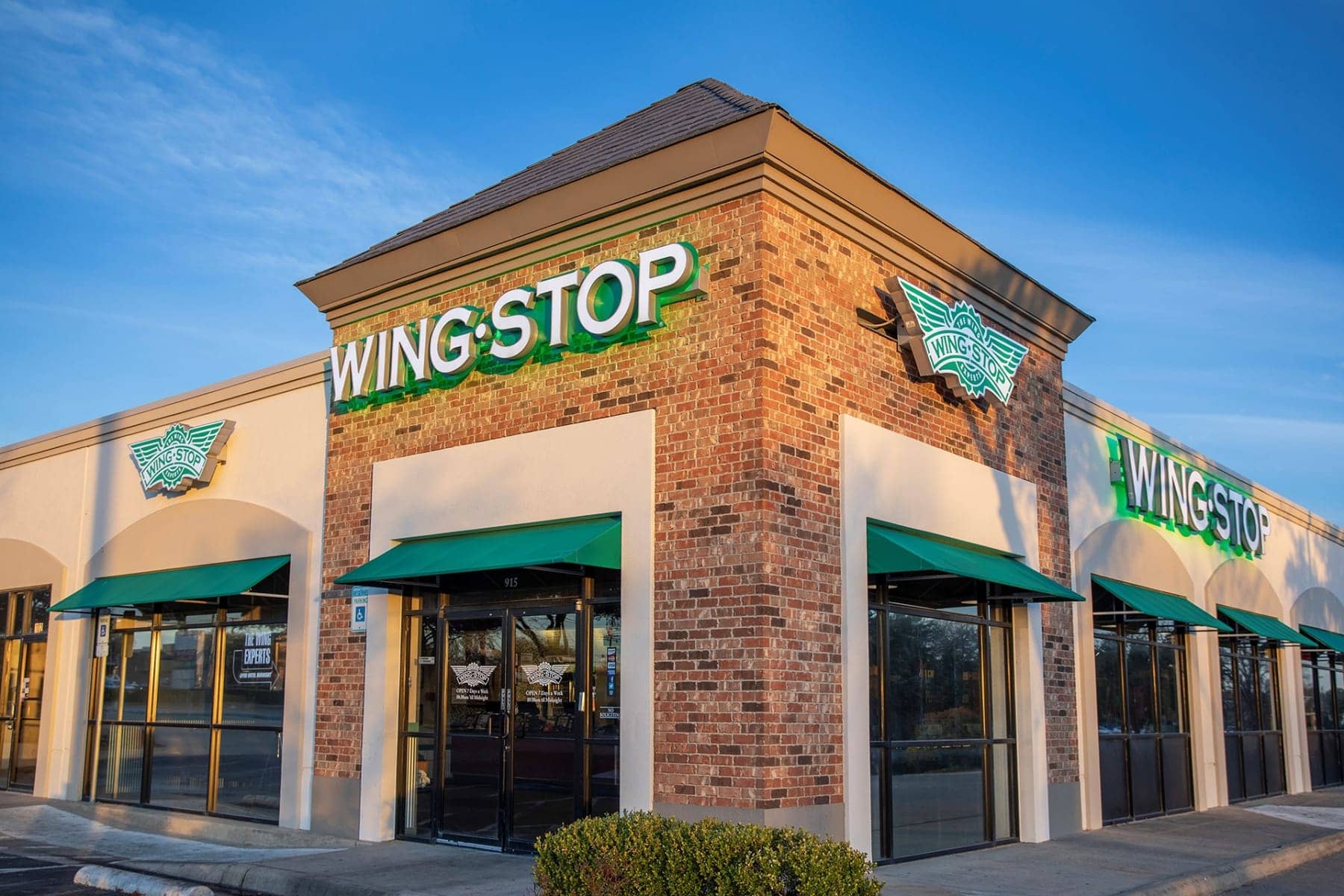
Wingstop launches its first Wing Pass loyalty bundle as it battles five straight quarters of declining same-store sales and executive turnover.
Sep 15, 2026
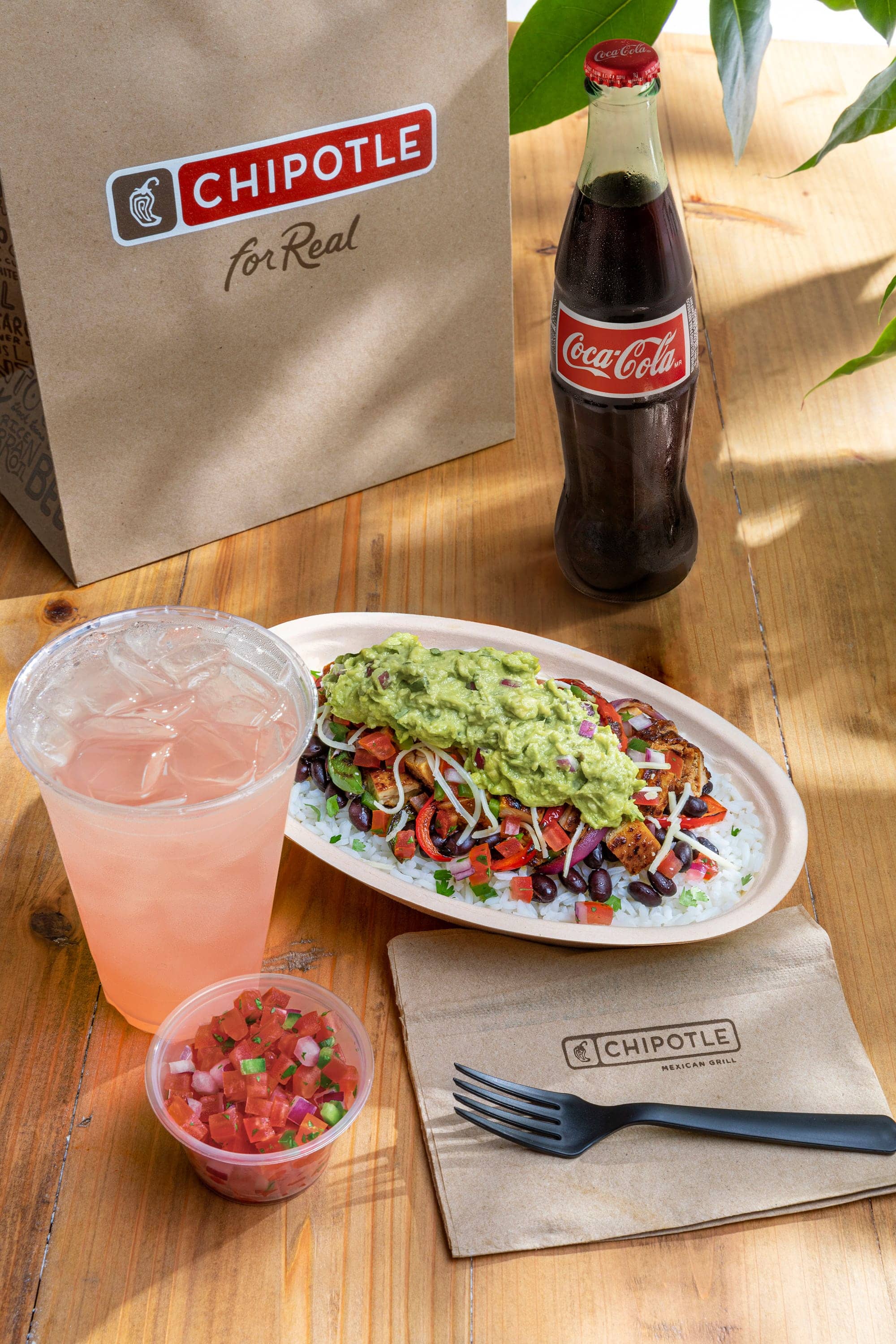
Chipotle names former KFC global CEO Sabir Sami to its board as the chain expands into Mexico, Saudi Arabia, and South Korea.
Sep 15, 2026

LeBron James joins Mike's Red Tacos as an investor, backing the birria chain led by Blaze Pizza and Dave's Hot Chicken veteran Bill Phelps.
Sep 15, 2026
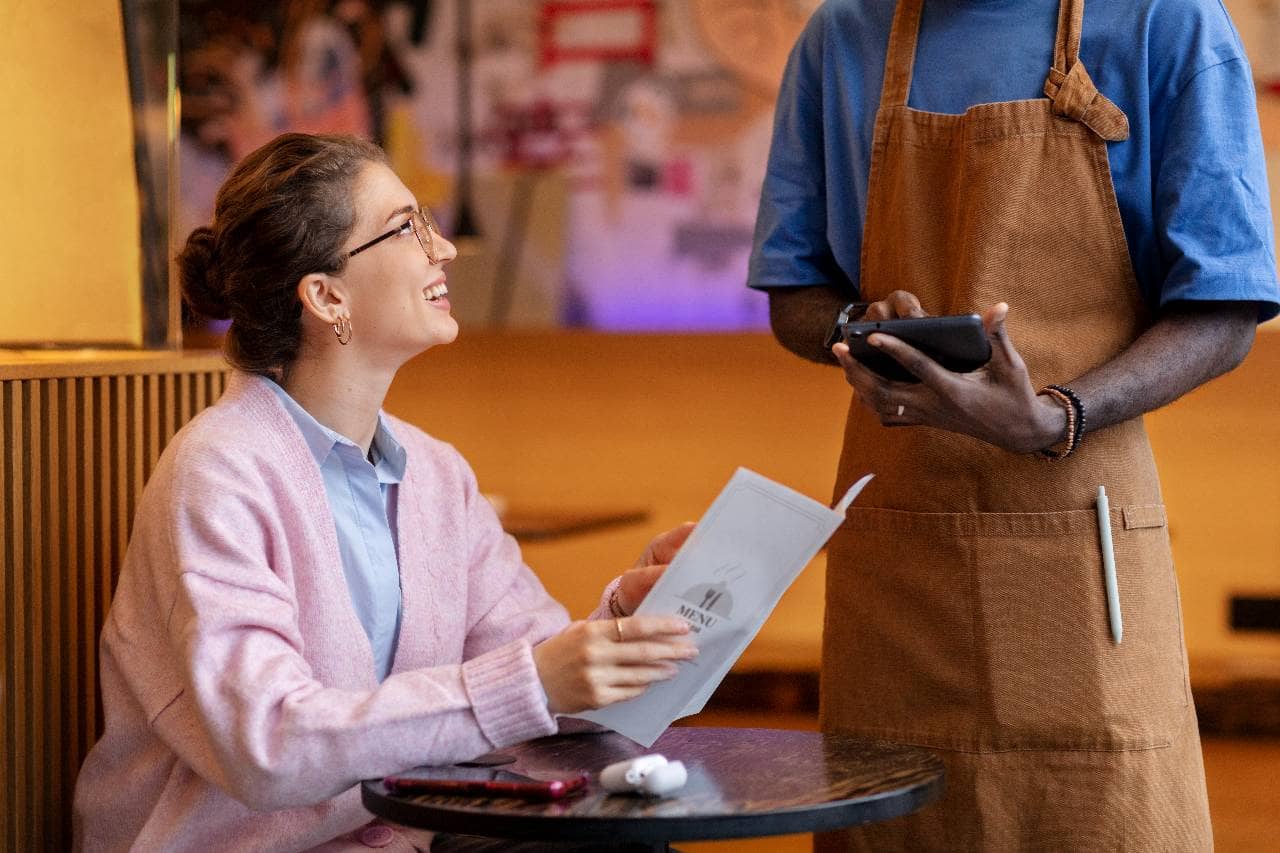
Discover practical promotion ideas - time-based deals, loyalty programs, local partnerships, and digital marketing - to boost restaurant foot traffic consistently.
Sep 14, 2026

Practical payroll compliance checklist for restaurant owners covering wage rules, tips, overtime, taxes, deductions, and recordkeeping to reduce legal risk.
Sep 14, 2026
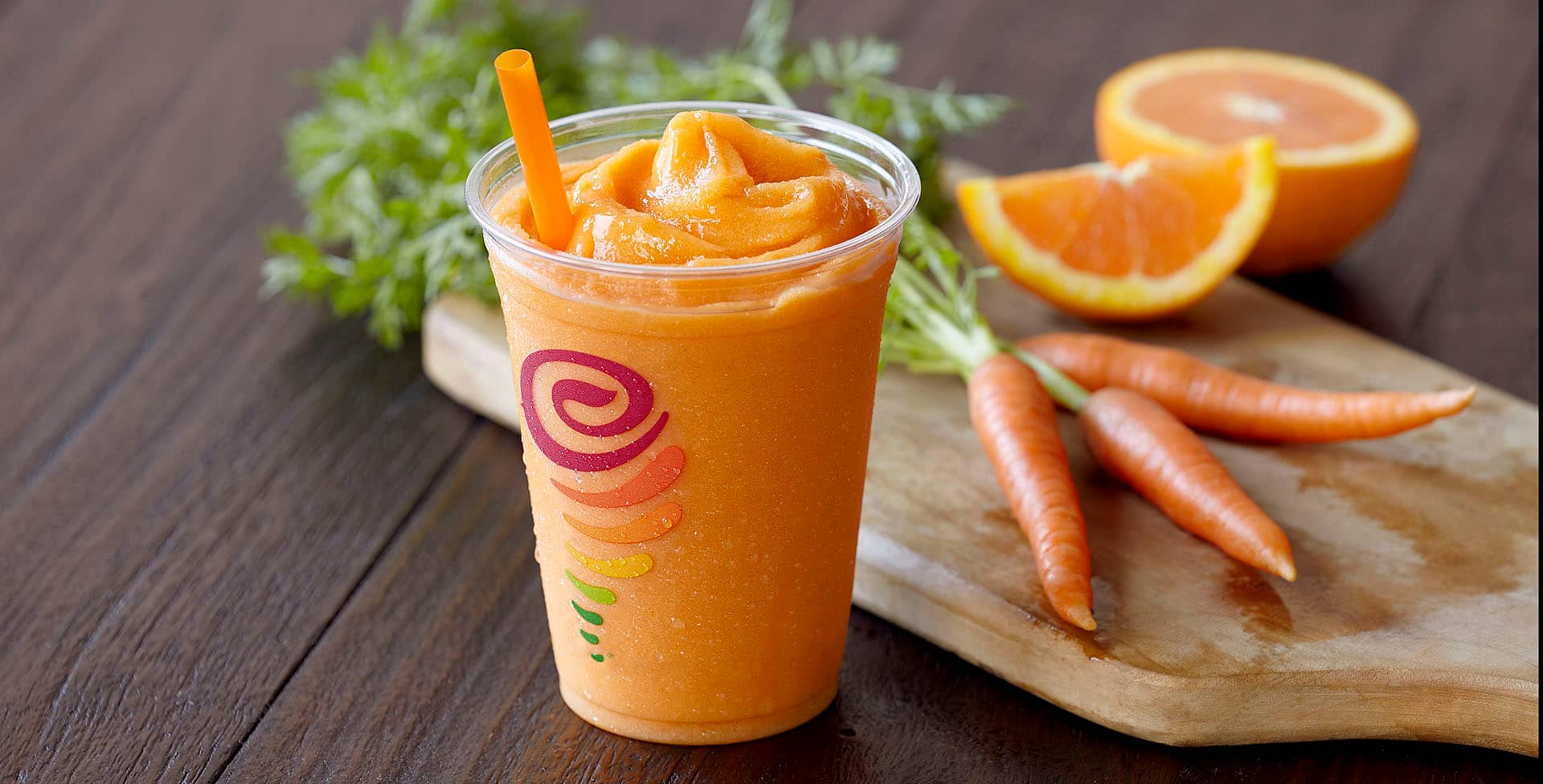
Lucy Brady joins Jamba as president to lead digital-first growth strategy. GoTo Foods restructures leadership to strengthen franchise platform capabilities.
Sep 14, 2026
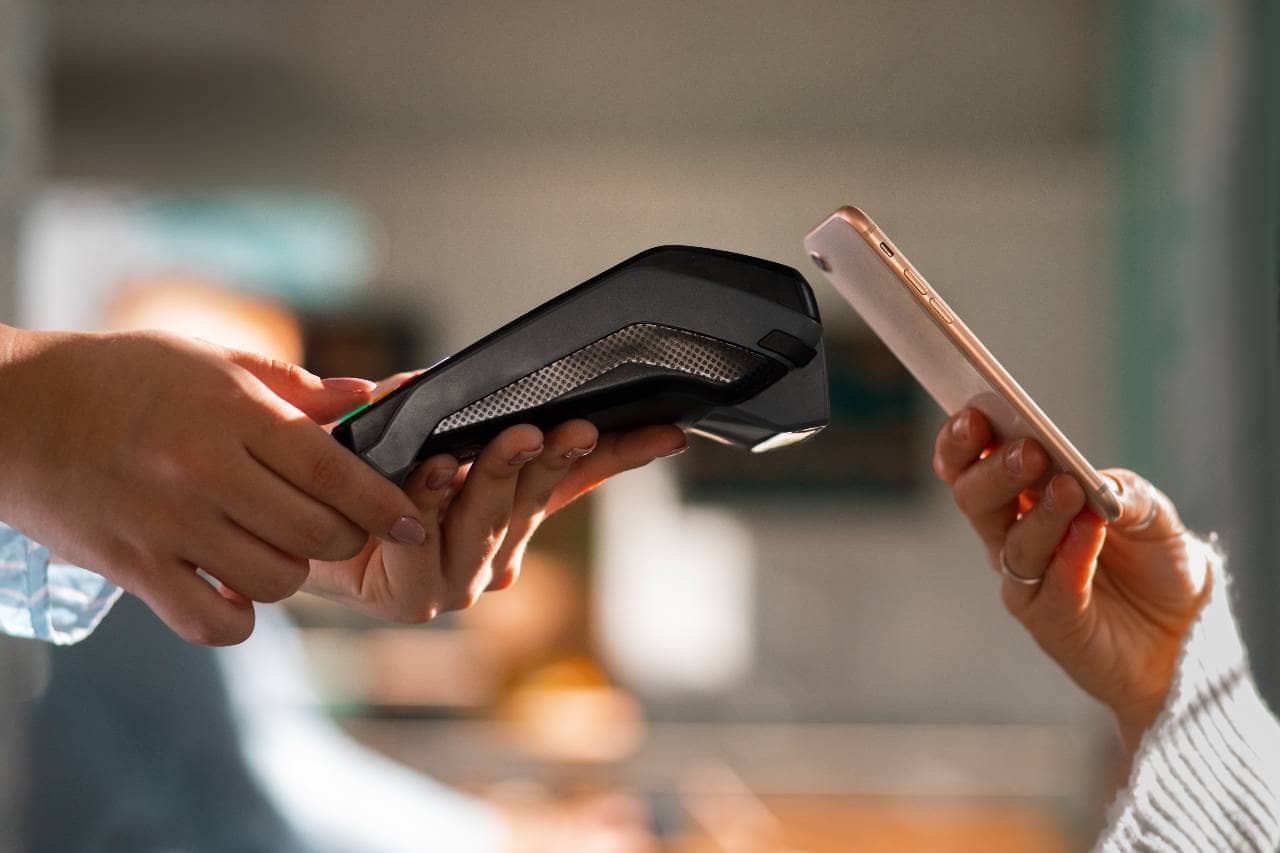
Contactless payment offers restaurants faster transactions, better security, and improved customer experience, making it a valuable, worthwhile technology investment today.
Sep 11, 2026

Pei Wei Asian Kitchen named Best Fast-Casual Chain in Reviewed 2026 Awards, reflecting shift from price competition to quality and transparency.
Sep 11, 2026

O'Charley's shuttered all corporate restaurants nationwide on September 9, 2026, ending its 55-year legacy as a casual-dining regional powerhouse.
Sep 11, 2026

Unlock Exclusive Access To Webinars, Events, And The Latest News For Free!
Discover practical promotion ideas - time-based deals, loyalty programs, local partnerships, and digital marketing - to boost restaurant foot traffic consistently.
Diners have more choices than at any point in history. Between the restaurant down the street, the new fast-casual chain that just opened, and the endless scroll of delivery apps, you're not just competing with other restaurants - you're competing with the couch. Every customer who chooses to dine out, and chooses your restaurant specifically, is a small win that adds up to real revenue. Consistent foot traffic does more than fill tables. It creates a predictable revenue stream that makes it easier to manage staffing, control food costs, and plan ahead with confidence. A steady flow of guests also keeps your team sharper and more motivated - nothing drains morale faster than a half-empty dining room on a Friday night. And perhaps most importantly, more visits mean more chances to turn first-time guests into regulars, and regulars into word-of-mouth advocates who bring their friends. Increasing foot traffic requires a mix of smart, targeted promotions - some that fill your slowest hours, some that build loyalty over time, and some that simply get your name in front of more people in your community.
Not every hour of the day brings in the same crowd. Most restaurants have predictable dead zones the mid-afternoon lull, the early weeknight slump before the dinner rush, or entire days of the week that consistently underperform. Instead of accepting these slow periods as a fact of life, smart owners turn them into an opportunity. 1. Happy hour deals and off-peak discounts. Happy hour remains one of the most effective ways to draw people in during traditionally quiet hours. Discounted drinks, appetizers, or small plates give people a reason to stop in after work instead of heading straight home. The key is timing it around your actual slow window, not just copying what competitors do - if your lull is 2-4 PM rather than 4-6 PM, build your promotion around your own data. 2. Weekday specials. Themed weekly deals like "Taco Tuesday" or "Wine Wednesday" work because they give customers a reason to build a habit. Once a promotion becomes associated with a specific day, it starts to live in people's routines - and routines are what turn occasional visitors into regulars. These specials also give you something concrete and repeatable to promote on social media week after week. 3. Early-bird and late-night menus. Early-bird specials appeal to guests who want to eat before the dinner rush and are often price-sensitive - a demographic that responds well to modest discounts. On the other end of the clock, late-night menus can capture an entirely different crowd - service industry workers getting off shift, night owls, or the after-bar crowd looking for food. Both segments are often overlooked but can fill hours that would otherwise sit empty. 4. Seasonal and holiday-themed promotions. Tying promotions to seasons or holidays creates natural urgency and gives your marketing a fresh angle throughout the year. A summer patio special, a fall comfort-food menu, or a Valentine's Day prix fixe all give people a reason to choose your restaurant during a specific window of time. These promotions also pair well with social media content, since seasonal themes tend to photograph and perform better online. Together, these time-based tactics don't just add covers - they help smooth out revenue across the day and week, making staffing and inventory planning far more predictable.
Attracting a new customer is valuable, but getting an existing customer to come back is where the real profitability lives. Repeat guests tend to spend more over time, need less convincing to try new menu items, and are far more likely to recommend you to others. A well-designed loyalty program turns occasional visitors into habitual ones. 1. Punch cards vs. digital loyalty apps. The classic paper punch card is simple, cheap, and still works - especially for smaller, neighborhood-style restaurants where the personal touch matters. But digital loyalty programs, whether through your own app or a POS-integrated platform, offer real advantages - they capture customer data, send automated reminders, and remove the "I forgot my card" problem entirely. The right choice often comes down to your restaurant's size, budget, and how tech-savvy your customer base is. 2. Points-based rewards systems. Instead of a flat "buy 10, get 1 free" model, points-based systems let guests earn rewards proportional to what they spend. This approach feels more flexible to customers and gives you more control - you can weight points toward higher-margin items or slower periods to help nudge behavior in ways that benefit the business. 3. Birthday and anniversary perks. A free dessert or a discount around a customer's birthday costs very little but creates outsized goodwill. These occasions are also natural moments when people are already planning to go out to eat - capturing that moment before a competitor does can lock in the visit. 4. Tiered VIP programs for frequent diners. For restaurants with a strong base of regulars, tiered loyalty programs - where spending thresholds unlock better perks - can deepen the relationship even further. Early access to new menu items, invitations to special tastings, or priority reservations make your most loyal customers feel recognized, which reinforces the habit of choosing you over the competition. The common thread across all of these tactics is that loyalty programs shift the focus from one-time promotions to long-term relationships. A single discount might get someone in the door once; a well-run loyalty program keeps them coming back for years.

Foot traffic doesn't just come from marketing - it comes from being genuinely woven into the fabric of your local community. Restaurants that show up for their neighborhoods tend to earn loyalty that no discount can buy. 1. Cross-promotions with nearby businesses. Partnering with a nearby gym, salon, theater, or retail shop can open your restaurant up to an entirely new customer base. A simple arrangement - like offering a discount to customers who show a receipt from a neighboring business, or vice versa - creates a mutually beneficial referral loop without either party spending on advertising. 2. Sponsoring local events, sports teams, or school fundraisers. Putting your name behind a youth sports team, a school fundraiser, or a community festival keeps your restaurant visible in a way that feels supportive rather than promotional. These sponsorships often come with built-in exposure - team jerseys, event programs, banners - and they signal to the community that your restaurant is invested in more than just transactions. 3. Hosting community nights. Trivia nights, live music, open mic events, or charity fundraisers give people a reason to visit beyond just the food. These events are especially effective on traditionally slow nights, since they create a draw that isn't purely appetite-driven. Recurring events, like a weekly trivia night, also help build a regular audience over time. 4. Collaborating with local influencers or food bloggers. Local influencers and food bloggers often have highly engaged, geographically relevant audiences - exactly the kind of reach a restaurant needs. Inviting a local creator in for a meal in exchange for honest coverage can introduce your restaurant to potential customers who trust that creator's recommendations more than a traditional ad. What ties these strategies together is visibility rooted in trust. When your restaurant is associated with the causes, events, and businesses your community already cares about, you're not just advertising - you're becoming part of the neighborhood's routine.
Even the most community-rooted restaurant needs a digital presence today, since that's often where potential customers decide where to eat before they ever set foot outside. Social media and local search tools give you a direct, low-cost line to nearby diners actively looking for their next meal. 1. Geo-targeted ads on Instagram and Facebook. Rather than casting a wide net, geo-targeted ads let you focus your ad spend specifically on people within a realistic driving or walking distance of your restaurant. This kind of hyper-local targeting tends to deliver a much stronger return than broad campaigns, since you're only paying to reach people who could actually walk through your door. 2. User-generated content campaigns. Photo contests, check-in incentives, or simple "tag us in your photo for a chance to win" promotions turn your customers into your marketing team. Not only does this generate a steady stream of authentic content for your own channels, but it also puts your restaurant in front of each customer's personal network - an audience that trusts their recommendation more than any ad. 3. Limited-time offers promoted via stories and posts. Social media is built for urgency. Promoting a flash discount or one-day special through Instagram or Facebook Stories creates a "see it, act on it now" dynamic that's harder to replicate through other channels. Because stories disappear after 24 hours, they also encourage more frequent posting without worrying about cluttering your main feed. 4. Google Business Profile optimization. Long before someone checks your social media, they're often searching "restaurants near me" on Google. A fully optimized Google Business Profile - accurate hours, an updated menu, recent photos, and a steady stream of reviews - directly impacts whether you show up in that critical local search moment. This is one of the highest-leverage, lowest-cost promotional tools available, since it captures customers at the exact moment they're deciding where to eat. The overarching goal of digital marketing isn't just visibility - it's meeting potential customers at the moment they're making a decision, whether that's scrolling social media or searching for dinner options nearby.
Nothing drives urgency quite like the sense that an offer or item won't be around forever. Limited-time promotions give customers a reason to visit now rather than "sometime soon" - and they give your restaurant a steady stream of fresh marketing material throughout the year. 1. Seasonal menu items to create urgency. Rotating in a seasonal dish - built around ingredients that are only available for a short window - gives regulars a reason to keep checking back and gives new customers a timely hook to try you out. Seasonal items also let your kitchen showcase creativity without committing to a permanent menu change. 2. Chef's specials and secret menu items. A rotating chef's special adds an element of surprise and exclusivity that a static menu can't offer. Secret menu items, promoted quietly through social media or word of mouth, tap into people's desire to feel like insiders - and insiders tend to talk about what they've discovered, which extends your reach organically. 3. Flash sales or "first customers" promotions. Offers like "first 50 customers get 20% off" or a surprise flash sale announced same-day create immediate urgency. These work particularly well for filling a specific slow shift or testing a new item, since the limited scope keeps costs predictable while still generating buzz. 4. Combo deals and bundle pricing. Bundling items together - an entree with a drink and side, or a shareable appetizer with two entrees - gives customers a sense of value while often increasing your average ticket size. Bundles are also easy to promote clearly in ads and signage, since the value proposition is immediately obvious. The common thread across these tactics is urgency paired with novelty. When customers believe an offer or item is temporary, they're far more likely to act on it right away instead of putting off the decision indefinitely.

Not all foot traffic starts online or with a planned visit - a lot of it is impulsive. Someone walking past your restaurant, deciding where to eat on the spot, or noticing something appealing through the window can be the deciding factor between them choosing you or continuing down the block. That's why the physical experience of your storefront matters just as much as any digital promotion. 1. Eye-catching signage and window displays. A well-designed sandwich board, an eye-catching window display, or clearly visible daily specials can catch the attention of passersby who weren't planning to stop. Signage doesn't need to be elaborate - it just needs to be legible, current, and inviting enough to interrupt someone's walk long enough to consider coming in. 2. Sampling stations or street-side promotions. Offering small samples outside your restaurant during busy foot-traffic hours is one of the most direct ways to convert passersby into paying customers. It removes the risk for someone unfamiliar with your food and gives them an immediate, tangible reason to walk in rather than just a menu they glance at. 3. Ambiance upgrades. Music, lighting, and flexible seating all shape how inviting your restaurant looks from the outside, especially in the evening. A warmly lit dining room with visible activity signals energy and popularity, while a dim or empty-looking space can quietly discourage walk-ins even if the food inside is excellent. 4. Family-friendly or pet-friendly incentives. Small accommodations - a kids' menu, crayons and activity sheets, or a water bowl and treats for dogs on the patio - can make your restaurant the default choice for entire categories of diners who might otherwise avoid dining out. These incentives cost very little but widen the pool of customers who see your restaurant as convenient for their specific situation. Together, these in-the-moment details influence a decision that often happens in seconds - whether someone walking by chooses to come inside. A restaurant that looks alive, welcoming, and easy to enter will consistently out-convert one that simply waits to be noticed.
