



Checkers & Rally's Bets on New Dev Chief, Remodel
Checkers & Rally's hires Peter Busse and launches a drive-thru facelift to reverse a multi-year sales and unit decline across its 670 locations.

A Multi-Year Slide Forces a New Strategy
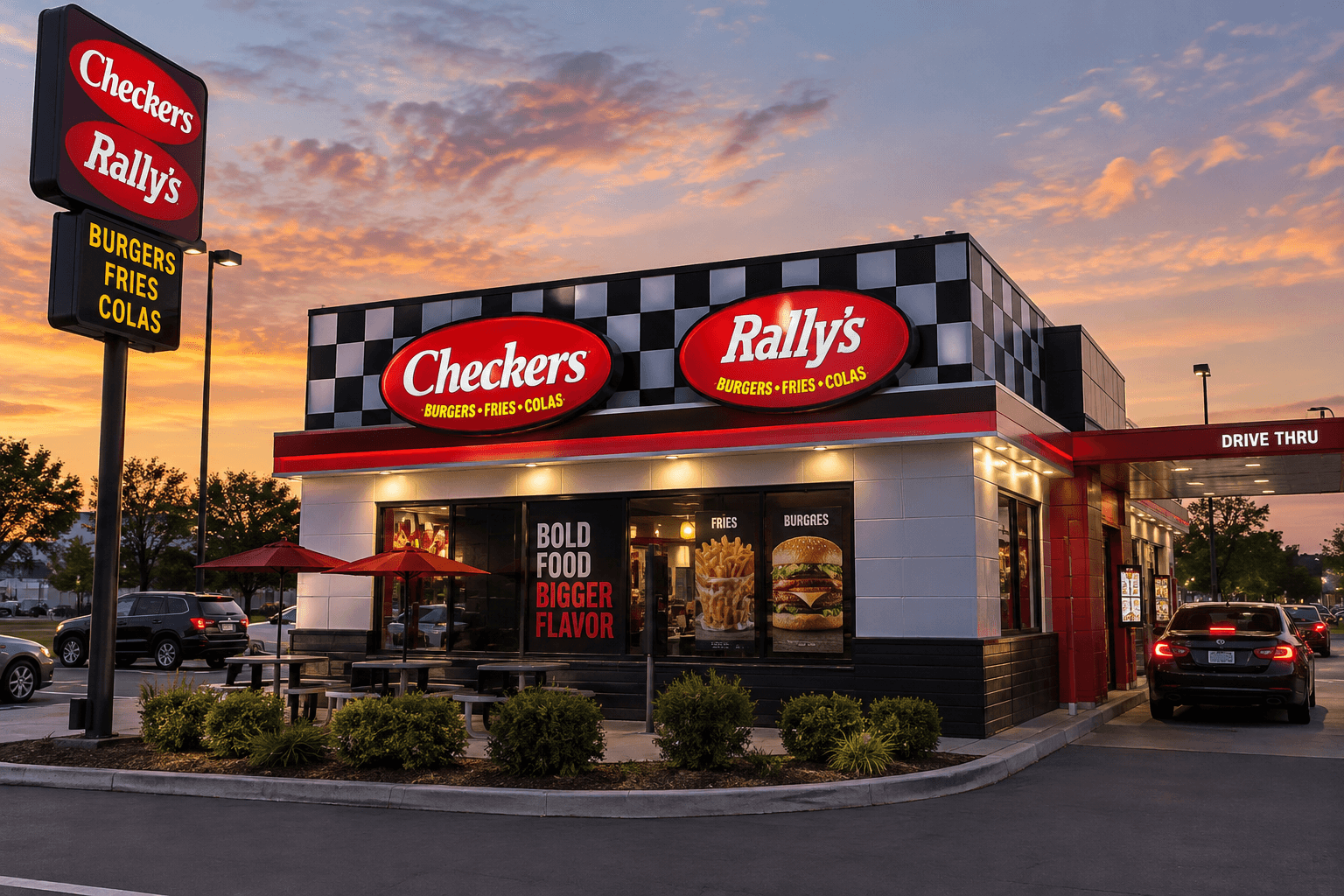
Checkers & Rally's built its name on the double drive-thru, the dual-lane format that let the chain promise speed before speed was a competitive battleground. That identity carried the brand through more than 40 years and across 670 units. It has not, however, been enough to stop a sales slide that has now stretched years. Systemwide sales fell nearly 5 percent to $811 million last year, according to Franchise Times Top 400 data, and the unit count contracted another 4.8 percent in 2025. The company's answer: a new executive at the top of its development organization and a remodeling program aimed squarely at the real estate that made the brand recognizable in the first place.
Peter Busse Brings a Mix of Scrappy and Scale
That executive is Peter Busse, who joined as chief development officer this past July after more than two decades in restaurant development, including stints at Torchy's Tacos and Yum Brands. The pairing of fast-growing-concept experience with large-system discipline is a pointed choice for a brand that needs both scrappy reinvention and operational rigor at once. Busse has framed his mandate in personal terms. "What attracted me to the company is wanting to build a stronger, more modern portfolio, establish a healthy pipeline and leave this brand in a better place than I found it," he said. "Help franchisees execute, reinvest in the brand, see them grow and see them be successful." It is a tidy mission statement, but it also sets a bar. Leaving the brand "in a better place" is the kind of line that invites scrutiny down the road, and the pipeline, franchisee performance, and footprint numbers will be the scoreboard.
Lighting and Graphics Lead the Remodel Push
The visible part of the strategy so far is physical. Checkers & Rally's completed 13 corporate store remodels this year, with franchise remodels not scheduled to begin until 2027. The work centers on new outdoor lighting and updated building graphics, a choice Busse ties directly to how customers find the brand after dark. "We're a late-night brand, so we really wanted to make sure the lighting on the site reflected that and was a beacon in the night," he said. He describes the early returns in confident terms: "The execution has been phenomenal, and we're definitely seeing the lift from sales and traffic, which means a lot more customers are noticing us and coming back to the brand." Sequencing corporate locations ahead of franchise stores gives the company room to refine the approach, and the franchise lag until 2027 buys operators time to plan the capital outlay before it's required of them.
Decades of Customer Awareness as an Underused Asset
Busse is also leaning hard on what he sees as an underused asset: the brand's existing footprint and decades of customer familiarity. "The brand has a really good existing footprint, had it for decades. It's got good customer awareness, and there's a strong foundation to build upon, so I think there's an opportunity to continue to reinvest in the existing system," he said. He is candid about the gap between that foundation and its current upkeep, noting the need to "up that ante" on imaging while eyeing "the white space opportunities that exist across the country." The double drive-thru itself remains the anchor of the pitch. "The company is built on a value proposition," Busse said. "We've built the brand on the double drive-thru. Now it's about understanding essentially how we leverage that into the future."
Stadiums, Supermarkets, and Airports Enter the Picture
That leverage increasingly means looking beyond the standalone restaurant box altogether. As drive-thru-friendly real estate grows scarcer and more contested across fast food, Busse has signaled openness to nontraditional sites, among them stadiums, big-box supermarkets, and airports. Pairing that search for new venues with the remodel program and the double drive-thru's built-in speed advantage gives the company several simultaneous bets rather than a single fix, which makes sense given how long the decline has run.
The Real Test Doesn't Start Until 2027
None of it is proven yet. The sales and traffic lift Busse points to comes from the company itself and has not been verified across the broader system, and the real test, franchise remodels, doesn't begin until 2027, meaning the bulk of the physical overhaul touching most of those 670 units still lies ahead. Whether stadiums, supermarkets, and airports turn into signed leases rather than talking points is also an open question, as is whether any of it moves the needle enough to offset several years of lost units.
What happens next will show up in the same place the current slide did: the Franchise Times Top 400 ledger. If the corporate remodels' early lift holds up once franchisees start spending their own capital in 2027, and if the nontraditional venues move from aspiration to signed deals, Checkers & Rally's will have a credible case that Busse's bet on development, rather than menu or marketing, was the right lever to pull. If not, the double drive-thru that built the brand will need more than new lighting to save it.