Restaurants Face Five Regulatory Shifts At Once
Wage hikes, the penny's end, new NLRB rules, California sugar labels, and franchise law changes are converging on operators this year.
Industry Trends
Sep 30, 2026
Wage hikes, the penny's end, new NLRB rules, California sugar labels, and franchise law changes are converging on operators this year.
Sep 30, 2026
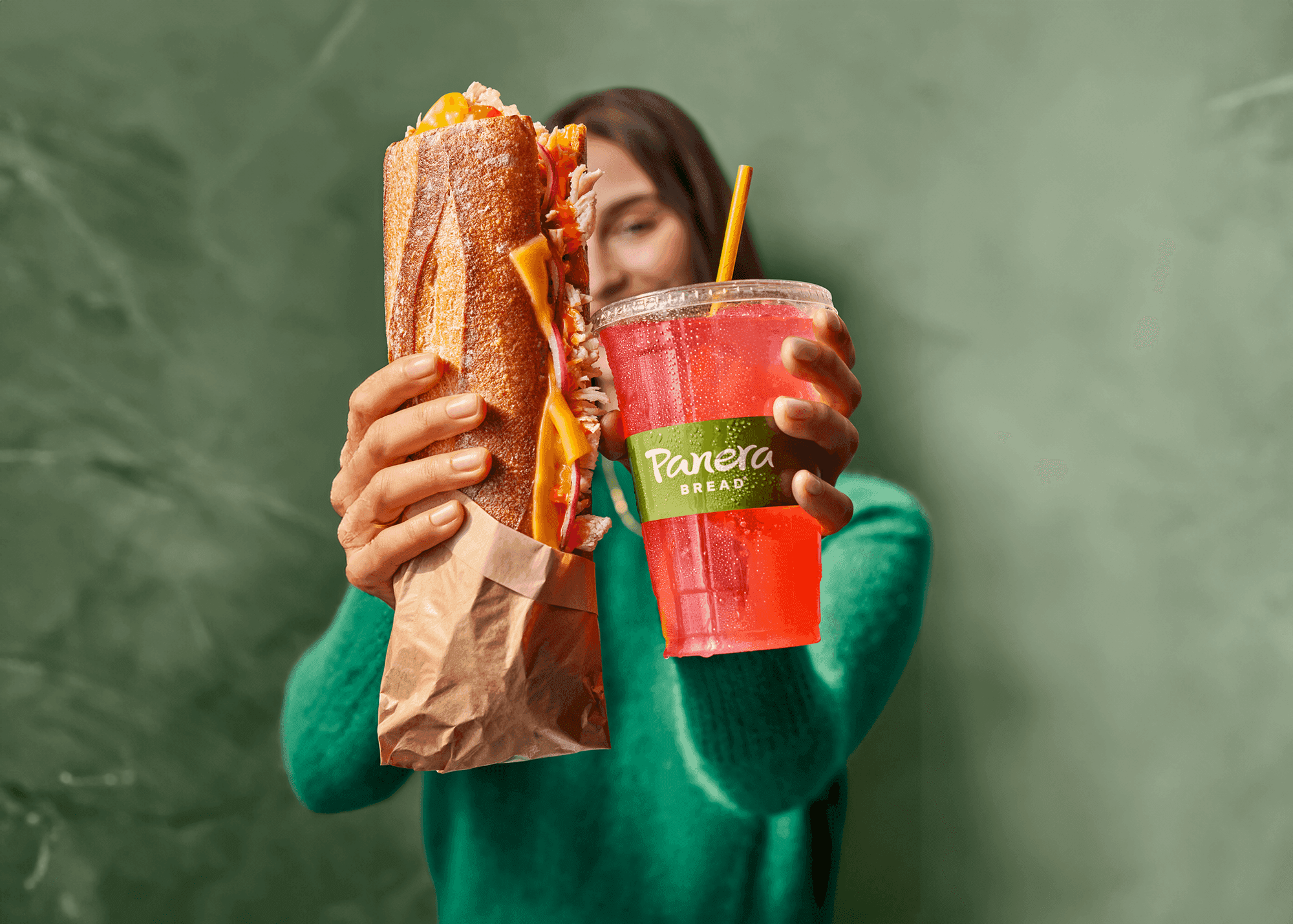
Panera taps outsiders from Burger King and Oakberry to fix operations, order accuracy and supply chain as it overhauls loyalty and marketing.
Sep 30, 2026
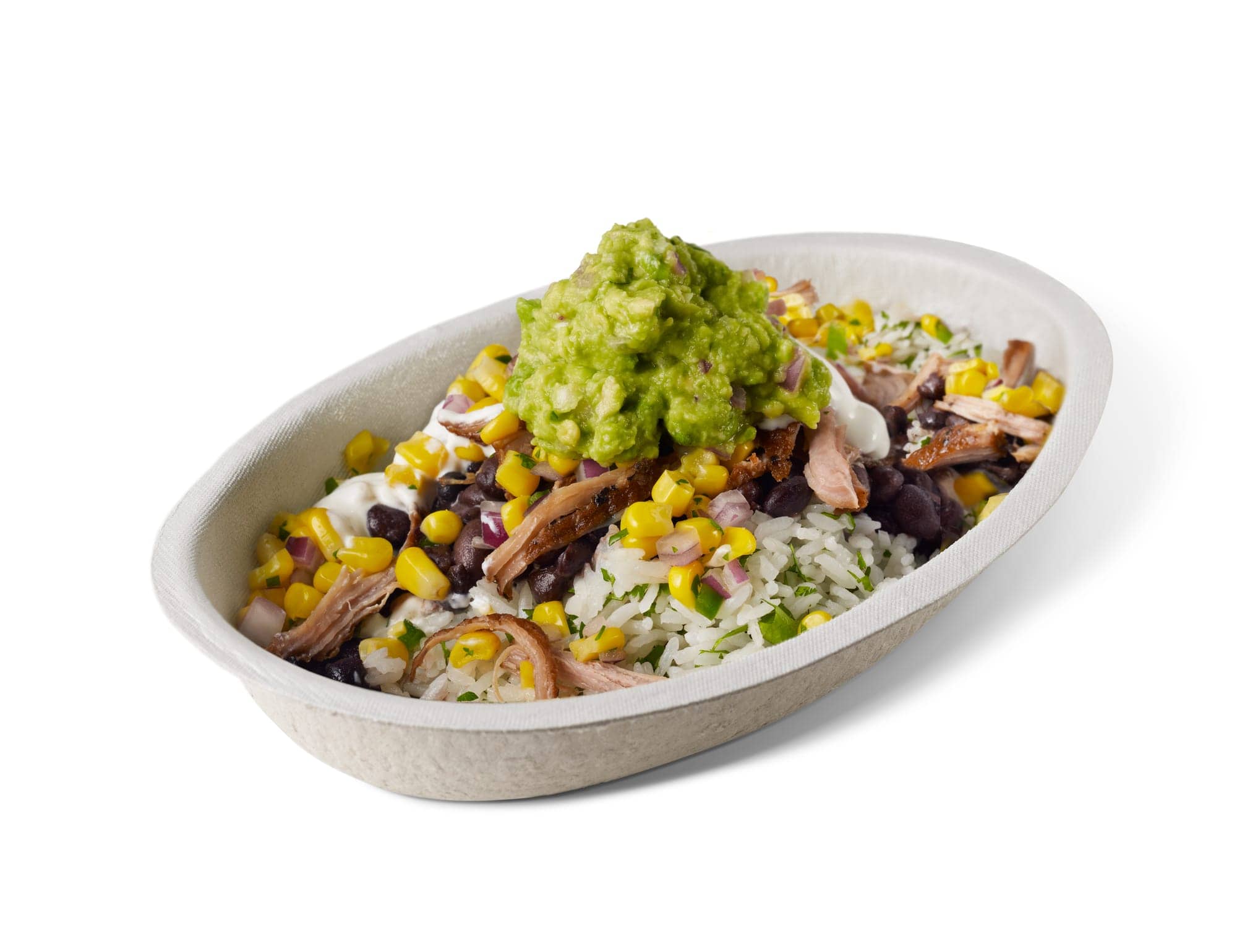
Chipotle hits 1,500 Chipotlanes, the digital pickup lanes launched in 2018. Here's how the format became core to its growth strategy.
Sep 29, 2026
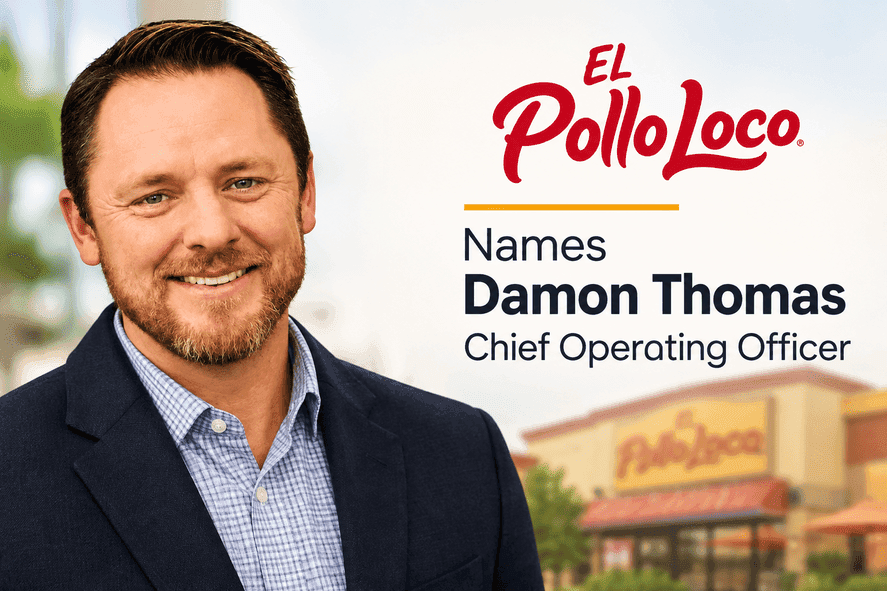
El Pollo Loco appoints Damon Thomas as chief operating officer, bringing restaurant operations experience to the company’s senior leadership team.
Sep 29, 2026

Rock N Roll Sushi taps franchise veteran Rick Gestring as CEO, succeeding Craig LeMieux in a transition built on continuity, not disruption.
Sep 28, 2026
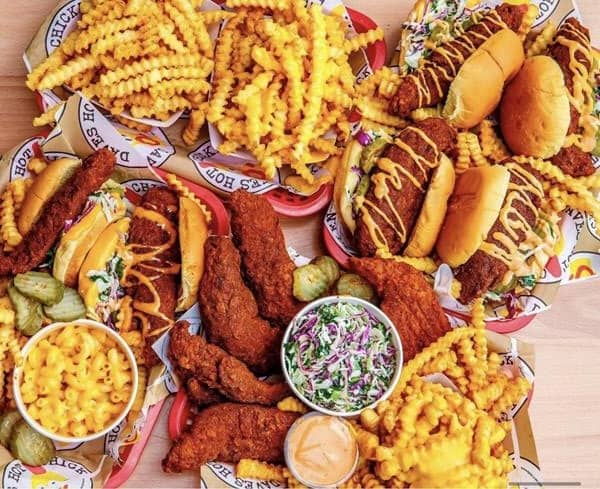
TIG Reaper LLC, a multi-unit Dave's Hot Chicken franchisee, filed Chapter 11 amid a bitter dispute with lender Bank Midwest over alleged defaults.
Sep 28, 2026
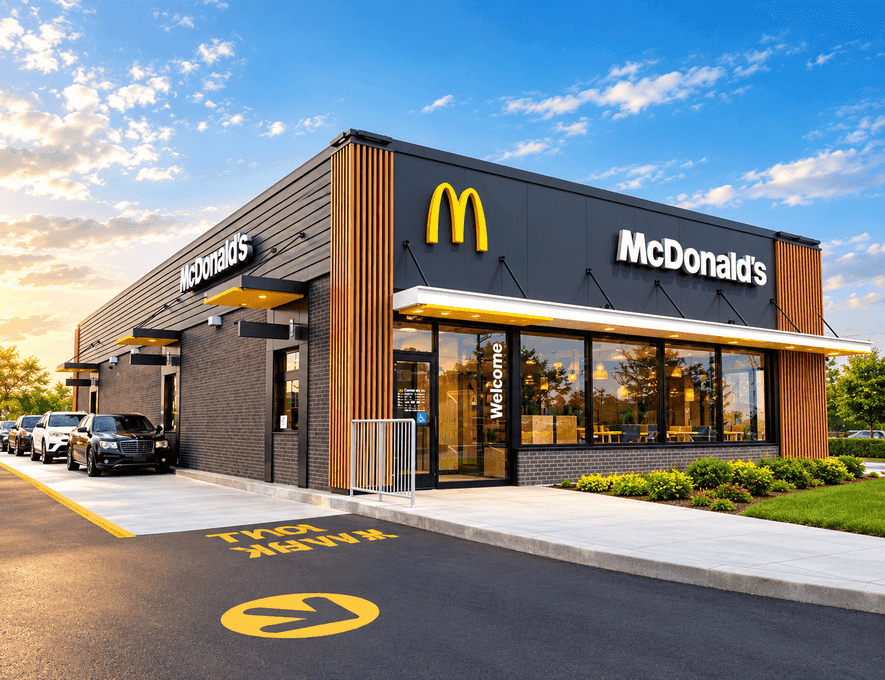
McDonald's ArchIQ platform blends voice AI, automation, and predictive data to reshape drive-thrus and kitchens. Here's how it works and what's next.
Sep 28, 2026
Use this compliance checklist to review restaurant requirements, identify gaps, organize responsibilities, and maintain consistent compliance across daily operations.
Sep 28, 2026
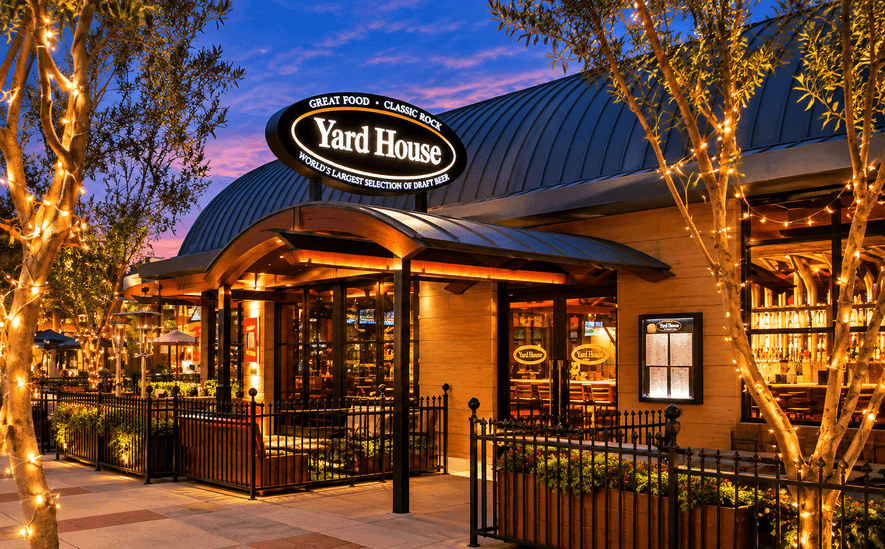
The full-service concept, which posted 10% growth in same-store sales during fiscal Q1 2027, plans to open 13 new stores during the ongoing fiscal year.
Sep 28, 2026
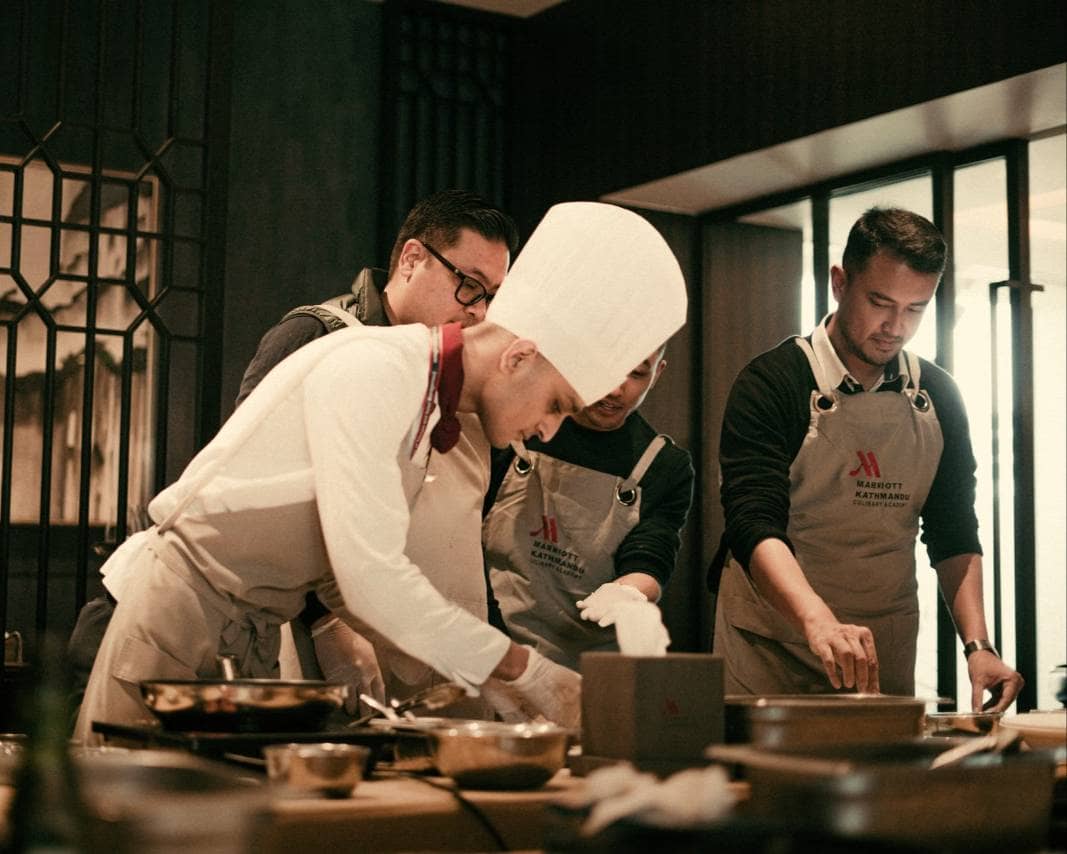
Build an effective training program by setting clear goals, identifying role-specific needs, providing hands-on practice, evaluating performance, and continuously improving training.
Sep 28, 2026

Unlock Exclusive Access To Webinars, Events, And The Latest News For Free!
Explore the latest restaurant industry performance report for Q2 2026, including key restaurant industry trends, segment performance, and labor challenges.
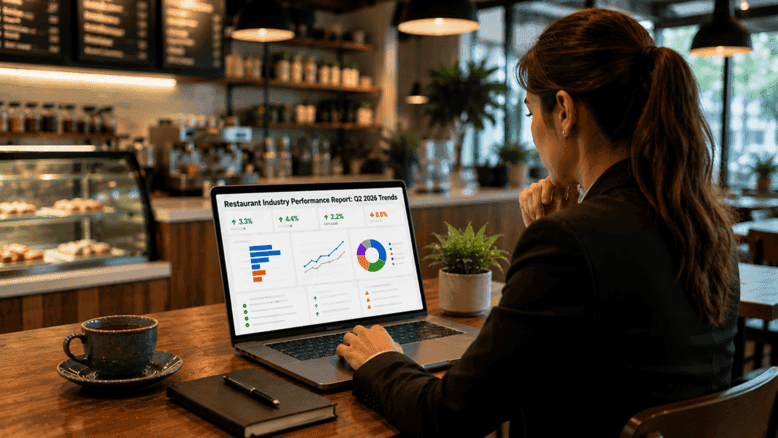
Q2 2026 vs Q1 2026 - What Restaurant Leaders Need to Know The first half of 2026 has reinforced a reality many restaurant operators are experiencing firsthand - growth is becoming increasingly uneven across the industry. While some brands continue to post impressive same-store sales gains, others are seeing slower traffic, increasing consumer price sensitivity, and growing pressure on margins. The gap between top performers and the rest of the market appears to be widening. The strongest restaurant brands are no longer winning simply because of their menu or marketing. They are winning because they have built operational systems that allow them to execute consistently, respond quickly to changing consumer behavior, and create compelling guest experiences. This restaurant industry performance report examines how major restaurant segments performed during Q2 2026 compared to Q1 2026 and highlights the key lessons operators can apply to their own businesses. It also provides insight into emerging restaurant industry trends 2026 that are shaping operator priorities across the market.
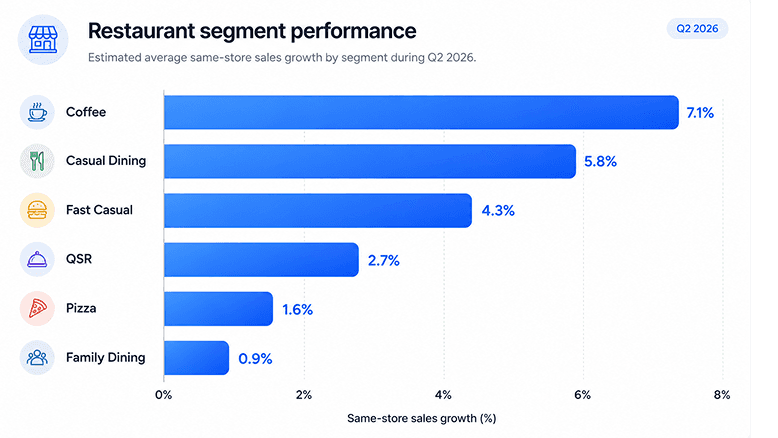
Three major restaurant industry trends defined the quarter and helped shape overall performance across multiple segments. 1. Casual Dining Continued Its Recovery After years of pressure from fast casual and delivery-focused competitors, several casual dining concepts delivered strong same-store sales growth. Consumers continue seeking experiences that justify dining away from home, particularly when paired with perceived value and consistent service. 2. Coffee Remains Exceptionally Resilient Coffee concepts continue to outperform many other restaurant categories. Consumers have become increasingly selective about discretionary spending, but daily coffee purchases remain deeply ingrained in consumer habits and routines. 3. Fast Casual Growth Is Normalizing Fast casual remains one of the strongest restaurant segments overall, but growth rates are beginning to moderate compared to prior years. Many brands are finding that traffic growth has become more difficult to sustain as menu prices continue rising.
According to the latest restaurant industry benchmark report findings, the restaurant industry showed mixed performance across segments during Q2, with significant variation between category leaders and lagging segments. Segment Performance Overview Coffee and casual dining led industry growth while pizza and family dining continued facing challenges.
Several restaurant brands continued separating themselves from competitors through operational excellence, loyalty engagement, menu innovation, and digital convenience. These results align with broader restaurant industry statistics showing that brands investing in operational efficiency continue outperforming peers. Common characteristics among top-performing brands included -
1. Technology-Enabled Operations Successful operators are leveraging technology across -
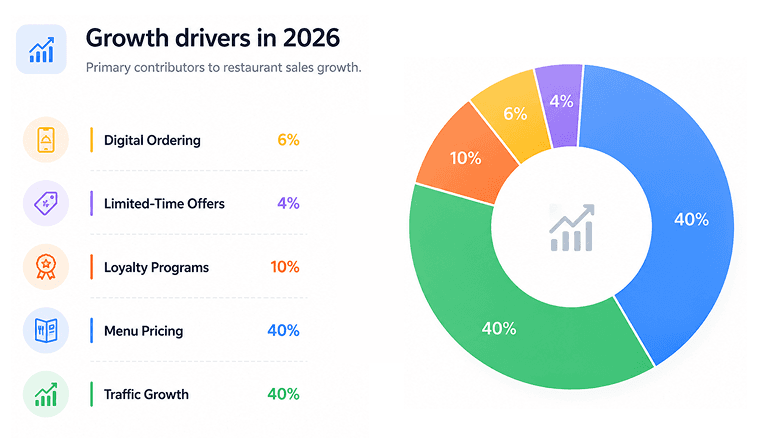
Not every segment enjoyed positive momentum during Q2. Several restaurant categories experienced slower growth and increased pressure from changing consumer behavior. Three major challenges emerged. 1. Traffic Remains the Biggest Concern For many operators, sales growth continues to be driven primarily by menu pricing rather than guest count increases. This approach becomes increasingly difficult to sustain as consumers become more price-conscious. 2. Labor Costs Continue Rising Wage pressure remains one of the industry’s largest challenges. Operators continue searching for ways to improve labor productivity without compromising service quality. Organizations that actively forecast demand and optimize scheduling appear to be managing labor inflation more effectively. 3. Margin Compression Food costs have stabilized compared to previous years, but operators continue facing pressure from -
One of the most important observations from the first half of 2026 is that momentum appears to be shifting toward brands focused on execution rather than expansion. This is one of the clearest restaurant industry trends 2026 emerging across both national and regional operators. While unit growth remains important, investors and operators are increasingly paying attention to -
Many operators experienced sales growth during Q2. However, the key question is - Was that growth driven by more guests or higher prices? Brands that increased traffic are positioned more favorably heading into the second half of the year. Brands relying exclusively on menu pricing may face increasing resistance from consumers.
Based on first-half performance trends, operators should prioritize five areas during the remainder of 2026. 1. Labor Optimization Focus on aligning labor deployment with demand patterns. Organizations utilizing forecasting and scheduling technology continue reporting stronger productivity metrics. 2. Guest Retention Acquiring new customers remains expensive. Investments in loyalty programs and personalized marketing are becoming increasingly important. 3. Menu Simplification Several top-performing brands have improved execution by reducing menu complexity. Simpler operations often result in -
The second half of 2026 will likely continue rewarding operators who focus on execution rather than simply growth. Current restaurant industry statistics suggest that operators who improve labor productivity, guest retention, and digital engagement will be best positioned for sustained success. Consumers remain willing to spend, but they are becoming increasingly selective about where they spend. Restaurants that combine operational discipline, technology adoption, strong guest experiences, and clear value propositions are positioned to outperform. The gap between top-performing operators and average performers continues to widen. As a result, operational excellence is no longer a competitive advantage. It is becoming a requirement. Key Takeaways